 PuroClean of Alexandria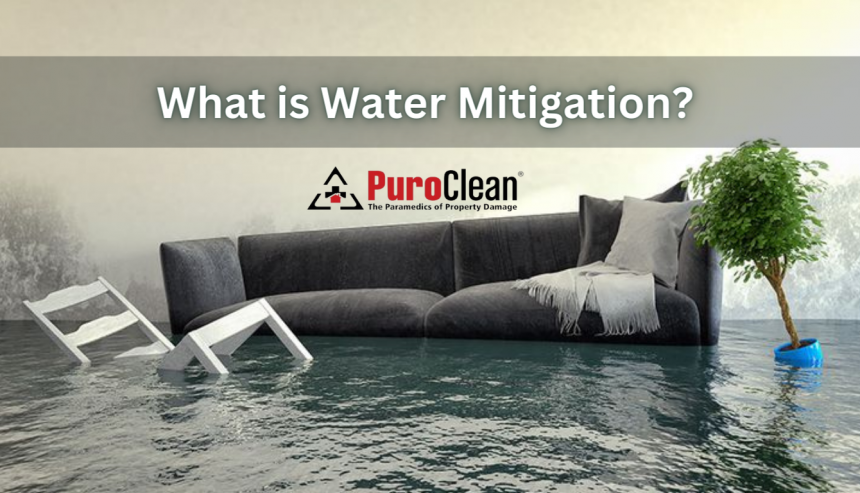
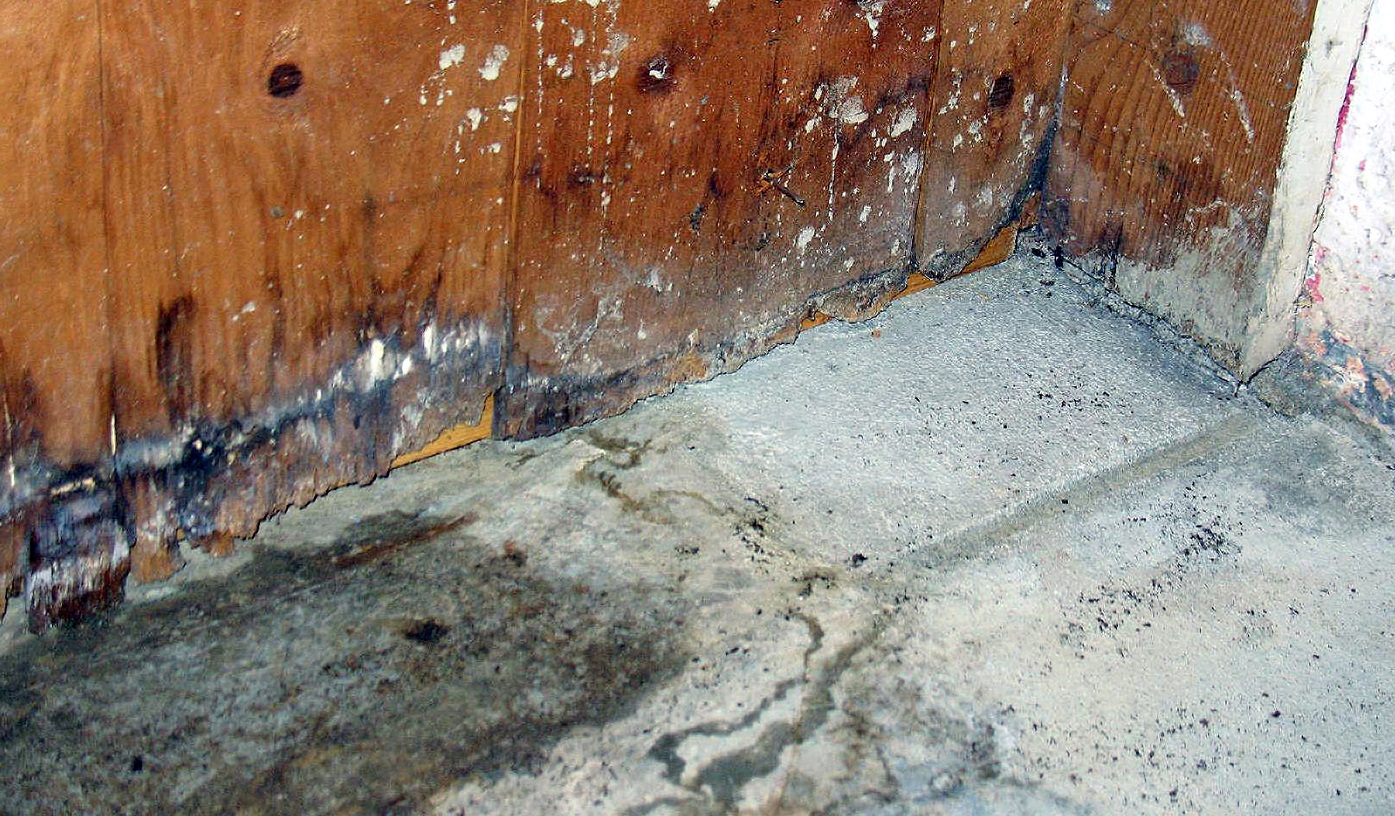
The water mitigation process, often mixed up with the restoration services, water mitigation is a part of restoration. Water mitigation plays a foundational role in the scenario of water damage control. This is multi-dimensional process involving immediate water extraction, assessing the damage, drying and sanitizing the place. If water damage is not taken care on time it can lead to mold growth.
Understanding what water mitigation involve is essential for everyone. It’s beyond than just a dishwasher leak or a sump pump failure, it’s about understanding the types of water damages that can occur, preventing further damage and after restoration of the property.
Table of Contents
Key Steps to Water Mitigation
Water damage mitigation is a comprehensive process aimed at minimizing the impact of water damage and restoring affected areas to their pre-damage condition. Here are the key steps involved:
- Assessment: Professionals evaluate the severity of the damage and identify affected areas.
- Water Extraction: Swift removal of standing water prevents further harm.
- Drying and Dehumidification: Thoroughly drying surfaces and materials minimizes long-term effects.
- Sanitization: Proper cleaning and disinfection prevent health risks.
- Monitoring: Regular checks ensure the effectiveness of mitigation efforts.
Primary goals of water mitigation: preventing further damage and minimizing costs
Preventing Further Damage:
Swift action during water emergencies is crucial to limit the extent of damage.
By promptly addressing water issues, we prevent:
- Structural Deterioration: Water can weaken walls, floors, and foundations over time.
- Mold Growth: Standing water creates an ideal environment for mold and mildew.
- Electrical Hazards: Water near electrical systems poses safety risks.
- Health Concerns: Contaminated water can harm occupants’ health.
Minimizing Costs:
- Early Intervention: Mitigation reduces the need for extensive repairs.
- Preserving Belongings: Salvaging items prevents replacement costs.
- Insurance Claims: Timely mitigation demonstrates responsible property management, potentially affecting insurance claims positively.

Creating a Water Mitigation Plan:
Practical tips for homeowners to create an effective water mitigation plan.
Certainly! Creating an effective water mitigation plan is essential for homeowners to minimize damage and protect their property. Here are practical tips to help you get started:
Stop the Flow of Water:
When faced with a water emergency, act swiftly to prevent further water invasion.
Locate your main water valve and shut it off immediately. This step confines the extent of damage and simplifies subsequent processes like extraction and drying.
Cutting off the water supply can significantly reduce potential expenses and prevent devastating losses to personal property caused by uncontrolled flooding incidents.
Assess the Situation:
After stopping the water flow, evaluate the overall scenario. Carefully examine the extent of water damage in your home. Understand how far and deep the water seepage is. Watch for potential hazards like electrical wires or weakened structures that may pose risks during the mitigation process.
Log each affected item—whether it’s furniture, electronics, or personal belongings—for accurate record-keeping. This assessment forms the foundation for developing a robust water mitigation strategy.
Perform Water Extraction and Dry Out the Space:
Swiftly remove standing water using specialized equipment. Water extraction is a crucial step in comprehensive water mitigation efforts. Drying out walls and floors follows immediately after extraction. Industrial-strength dehumidifiers strip the space of unwanted humidity. Thorough and quick drying prevents potential mold growth or structural damage, ensuring your home is dry and ready for subsequent restoration actions.
The Role of Professionals:
Hiring certified water mitigation professionals is crucial for effective and safe handling of water damage. Here’s why:
Expertise and Training:
Certified professionals undergo rigorous training in water mitigation techniques. They understand the complexities of water damage, including structural risks, health hazards, and proper restoration procedures. Their expertise ensures efficient and thorough mitigation, minimizing long-term consequences.
Advanced Equipment and Techniques:
Certified technicians have access to specialized equipment for water extraction, drying, and dehumidification. They use industry-standard tools to address water damage effectively. Cutting-edge technology ensures faster restoration and reduces overall costs.
Health and Safety:
Water damage often involves contaminated water from sources like sewage backups or floods. Certified professionals follow safety protocols, protecting themselves and occupants from health risks. Proper handling prevents exposure to harmful substances and ensures a hygienic environment.
Comprehensive Assessment:
Certified experts conduct a thorough damage assessment. They identify hidden moisture pockets, potential mold growth areas, and structural vulnerabilities. Their assessment guides targeted mitigation efforts, preventing future issues.
Insurance Claims Assistance:
Certified professionals provide detailed documentation for insurance claims. Accurate records enhance the likelihood of successful claims. Insurance companies recognize the value of certified mitigation services.
Peace of Mind:
Hiring certified professionals gives homeowners peace of mind during stressful situations. Knowing that experts are handling the mitigation process allows you to focus on other aspects of recovery. Water damage can escalate quickly, so don’t hesitate to seek professional help. Certified water mitigation professionals ensure efficient, safe, and thorough restoration for your home.

Certified water mitigation professionals experts handling water damage, extraction, and drying processes.
Let’s delve into the expertise of certified water mitigation professionals when it comes to handling water damage, extraction, and drying processes. Their expertise goes beyond technical skills—they provide peace of mind during stressful situations, knowing that your property is in capable hands.
Water Damage Assessment:
- Expert Evaluation: Certified professionals assess the extent of water damage. They identify affected areas, including hidden pockets of moisture.
- Structural Analysis: Their expertise helps determine structural vulnerabilities caused by water infiltration.
- Customized Plans: Based on the assessment, they create tailored mitigation plans to address specific issues.
Water Extraction:
- Swift Action: Certified technicians use specialized equipment for efficient water extraction.
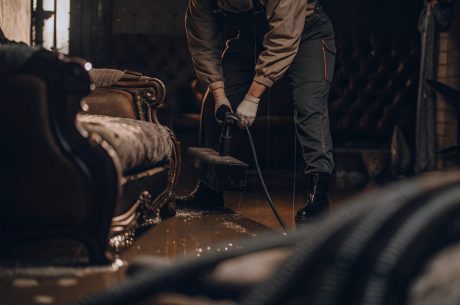
- Pumping and Vacuuming: They remove standing water from floors, carpets, and other surfaces.
- Moisture Detection: Advanced tools help locate hidden moisture, preventing long-term damage.
Drying Techniques:
- Industrial Dehumidifiers: Certified experts strategically place dehumidifiers to reduce humidity levels.
- Air Movers: These powerful fans promote airflow, aiding in thorough drying.
- Monitoring Progress: Regular checks ensure the drying process is effective.
Preventing Mold Growth:
Certified professionals understand the conditions conducive to mold growth. They take preventive measures to minimize mold risk, safeguarding your health and property.
Safety Measures:
During extraction and drying, they follow safety protocols. They protect themselves and occupants from electrical hazards, contaminated water, and other risks.
Documentation and Insurance Claims:
Certified experts maintain detailed records of the mitigation process. Accurate documentation supports insurance claims and ensures a smoother process.
Temporary Solutions for Homeowners:
While waiting for professional help, implement temporary measures:
- Shut off the main water supply: This prevents further damage.
- Assess the situation: Take stock of affected areas and belongings.
- Protect valuable items: Move them to higher ground or away from water.
- Use towels or mops: Absorb excess water to prevent spreading.
- Open windows and doors: Promote ventilation and airflow.
- Set up fans: Aid in drying out damp areas.
- Remove wet carpets or rugs: Prevent mold growth.
- Document the damage: Take photos for insurance claims.
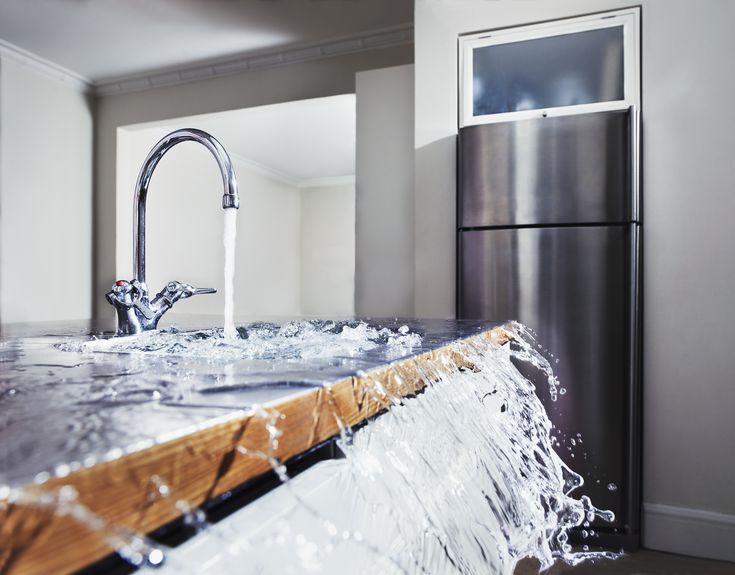
By following these tips, you can minimize costs, prevent further damage, and create a solid water mitigation plan for your home. Remember that acting promptly is crucial in mitigating water-related issues!
When dealing with water damage, PuroClean employs a specialty drying system designed to achieve optimal results. PuroClean’s trained professionals ensure that moisture is effectively removed, preventing further damaged area.
If you need any assistance or you had a water damage, contact PuroClean of Alexandria today to learn how we can help you in the best possible way. Our aim is to safeguard your property from damages as well as equip you with the knowledge and resources to prevent future property damages from becoming noxious.
To know more about Property Restoration click here
For more interesting information about property restoration follow us on Instagram PuroClean of McLean & Alexandria (@puroclean.alx) • Instagram photos and videos
 PuroClean of Alexandria