 PuroClean of Alexandria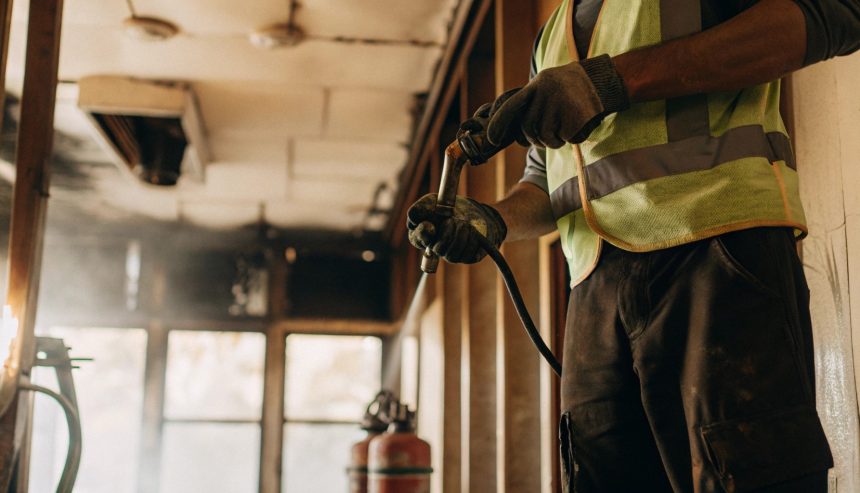
Homes in Alexandria face a mix of aging structures, varied building materials, and seasonal fire risks that can turn a small spark into major damage. Many homeowners want to strengthen safety measures, but often overlook one of the most effective tools available, products designed to slow or block fire spread.
These solutions offer a protective layer that works quietly in the background, giving families valuable time during an emergency. In this blog, we’ll explore how these fire-resistant solutions work and why they play such an important role in protecting Alexandria properties.
Why Understanding Fire Retardants Matters for Alexandria Homes
Fire risks can escalate quickly, especially in tightly built neighborhoods or homes with aging electrical systems. Knowing how different fire-resistant solutions work helps families choose appropriate measures for their spaces. Many households rely on fireproofing materials Alexandria to strengthen vulnerable areas and reduce how quickly flames can travel.
These products act as an extra layer in a broader fire-safety system, offering time for evacuation and emergency response. When paired with alarms, inspections, and safe storage habits, they make homes more resilient in high-risk scenarios.
What Fire Retardants Actually Do
Fire retardants work by altering how heat and flames interact with treated surfaces, slowing ignition and reducing the intensity of fire spread. Some formulations release moisture when exposed to high temperatures, while others form a protective char layer that blocks oxygen from reaching the material. By incorporating fire retardants home protection, homeowners gain a crucial buffer during the first few minutes of a fire.
Because of this protective reaction, flames don’t travel as quickly. Instead of allowing fire to move unchecked, these treatments limit how fast surfaces ignite and how far heat can spread. This reduced fire activity not only lowers overall damage but also creates safer conditions for evacuation. For those who want to understand how these products are evaluated, the EPA offers clear guidance on assessing flame retardant safety.
Types of Fire Retardants Used in Residential Settings
Fire-resistant products used in homes usually fall into a few categories. Some are applied directly to surfaces; others are built into the structure during renovation or new construction. Many households choose fireproofing materials Alexandria because they work well with the region’s varied building styles.
Understanding what each type does helps homeowners match the right product to the right surface. With the right combination, a home can better withstand heat, slow down fire movement, and reduce restoration needs afterward.
Spray-On and Coating-Based Fire Retardants
Spray-on products and coatings are widely used on wood, drywall, and certain fabrics. They form a protective layer that reacts when exposed to high heat, delaying ignition, and reducing the strength of flames. These coatings are especially useful in attics, utility spaces, and exposed beams where fire retardants home protection plays a major role.
Insulation and Structural Fire-Retardant Solutions
Insulation products with fire-resistant properties help reduce heat transfer and limit flame penetration between rooms or attic spaces. These solutions work well in homes undergoing renovation, especially those needing safer thermal barriers. Many residents rely on fireproofing materials Alexandria when upgrading older structures.

How Fire Retardants Support Long-Term Home Safety
These treatments add stability by reducing how quickly surfaces ignite or deteriorate under extreme heat. When combined with strong safety practices, they help families create multiple layers of defense. Incorporating fire retardants home protection into long-term planning makes it easier to ensure ongoing readiness.
Long-term home safety benefits include:
- Slowing the movement of flames through structural components.
- Adding extra protection to surfaces more prone to heat damage.
- Reducing smoke and heat spread during early fire stages.
- Extending the time available for safe evacuation.
- Lessening the amount of damage that needs restoration.
- Supporting overall home resilience during emergencies.
These advantages make fire-resistant solutions valuable for both everyday peace of mind and long-term security. In many Alexandria homes, fire retardants home protection also helps strengthen areas that typically respond poorly to sudden heat exposure. For homeowners who want to understand how post-fire conditions affect the home environment, our blog on How Smoke Affects Home Air Quality After a Fire in Alexandria offers helpful insight.
Choosing the Right Fire Protection Approach for Your Property
Every home needs a slightly different approach depending on layout, materials, and risk factors. Some families choose surface treatments, while others rely on structural upgrades. Many properties benefit from the thoughtful use of fireproofing materials Alexandria, especially in spots where the risk of ignition is higher.
Key points when selecting fire protection options:
- Identify high-risk areas such as attics or rooms with heavy wiring.
- Compare the benefits of surface treatments versus built-in protection.
- Choose solutions compatible with your property’s materials.
- Understand product curing times before application.
- Review certifications to ensure quality and safety.
- Work with professionals familiar with the region’s construction styles.
Taking the time to evaluate available options ensures stronger protection overall. With the right planning, fire retardants home protection becomes an effective and long-lasting part of your safety strategy.
Conclusion
Fire-resistant products create a meaningful barrier against fast-moving flames, giving families time to act and reducing overall harm. Their job is simple but powerful: provide extra minutes when they matter most. Alexandria homes, with their mix of traditional structures and modern construction, gain added stability from these carefully chosen solutions.
If you’re looking to strengthen your home’s safety plan, consider speaking with a certified fire protection professional to find the right options for your property. These choices don’t just protect the structure; they support calmer decision-making during emergencies. With the right measures in place, families can feel more confident about their home’s ability to withstand unexpected fire events.
FAQs
Q1. What areas of a home benefit most from fire retardants?
A: Spaces like attics, basements, and exposed wooden structures benefit the most because they ignite quickly and spread heat faster than other areas. Using fire retardants for home protection in these zones adds a dependable layer of defense during a fire.
Q2. Are fire retardants safe for families and pets?
A: Modern products meet strict safety standards and, once fully dried, do not release harmful fumes, making them suitable for everyday household environments. Many residents choose fireproofing materials Alexandria to strengthen safety without affecting indoor comfort.
Q3. How often should protective solutions be reapplied?
A: Most treatments last several years, though surfaces exposed to heavy wear or moisture may need earlier renewal. Regular inspections help determine timing, and many homeowners use fire retardants home protection to maintain steady protection over time.
 PuroClean of Alexandria