 PuroClean of Alexandria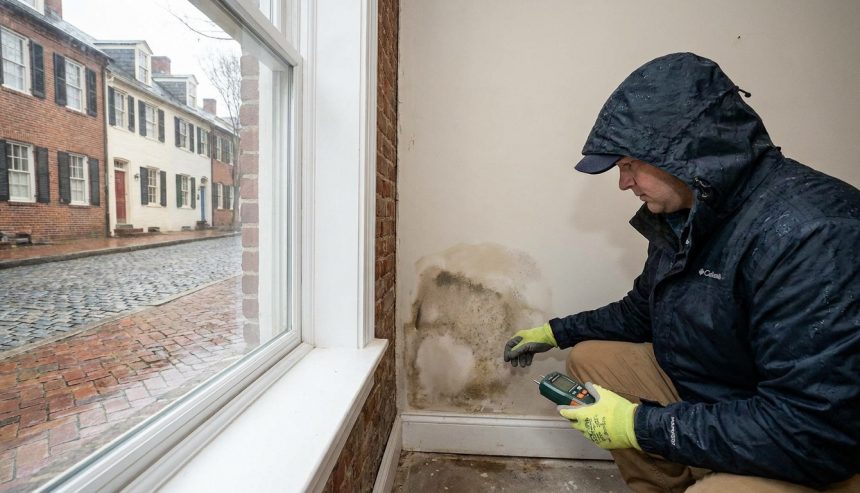
Mold issues in rental properties can quickly turn into serious concerns for both landlords and tenants. What may start as a small patch can spread into a larger problem that affects the condition of the property and the comfort of those living in it. In some cases, unresolved mold can even lead to disputes or complaints that complicate property management.
Landlords in Alexandria often need to balance property upkeep with legal obligations. Understanding how rental property mold laws apply can help guide the right actions, reduce liability risks, and ensure that tenants are living in safe conditions.
Understanding Mold Responsibilities in Rental Properties
Managing a rental property involves more than collecting rent. It requires consistent attention to maintenance, safety, and tenant concerns, especially when it comes to issues like moisture and indoor air quality.
Rental property mold laws outline the responsibilities landlords have when it comes to preventing and resolving mold problems. These guidelines help define what is considered a habitable environment and clarify how quickly landlords must respond when issues arise.
At the same time, tenant behavior also plays a role in maintaining property conditions. A clear understanding of responsibilities on both sides can help reduce misunderstandings and lead to faster resolution when mold problems occur.
What Causes Mold Problems in Rental Properties?
Mold growth is usually linked to moisture issues that go unnoticed or unresolved. Identifying the source early can help prevent further spread and reduce the cost of repairs.
- Water leaks from plumbing, roofs, or appliances
- Poor ventilation in bathrooms, kitchens, or enclosed areas
- High indoor humidity levels, especially during seasonal changes, which can create conditions where mold thrives, as noted in CDC housing and health guidance
- Delayed maintenance or ignored repair requests
These conditions create an environment where mold can develop and spread over time. Addressing these causes quickly can help landlords stay compliant with rental property mold laws and avoid more extensive damage.
What Rental Property Mold Laws Require Landlords to Do
Landlords are expected to maintain rental units in a condition that meets basic habitability standards. Mold can interfere with these standards when it affects indoor conditions or structural elements.
- Maintain safe and livable property conditions
- Address moisture and water-related issues promptly
- Conduct inspections when mold is suspected or reported
- Follow local housing and health regulations
These requirements form the foundation of rental property mold laws and guide how landlords should respond to mold concerns. Taking action early can also reduce repair costs and protect the overall condition of the property.
Understanding Tenant Mold Responsibility in Rental Homes
Tenants also play an important role in preventing mold growth. Daily habits and how quickly issues are reported can significantly impact how mold develops.
- Reporting leaks or moisture issues as soon as they are noticed
- Keeping living spaces clean and dry
- Using exhaust fans or opening windows to improve ventilation
- Following lease agreements related to property care
Tenant mold responsibility becomes especially relevant when mold develops due to avoidable conditions. When both landlords and tenants understand their roles, it becomes easier to manage issues without conflict.
Steps Landlords Can Take to Handle Mold Problems Effectively
Handling mold problems requires a clear and organized approach. Acting quickly not only limits damage but also demonstrates that the landlord is addressing the issue responsibly.
- Inspect the property thoroughly to identify all affected areas
- Locate and repair the source of moisture before addressing the mold
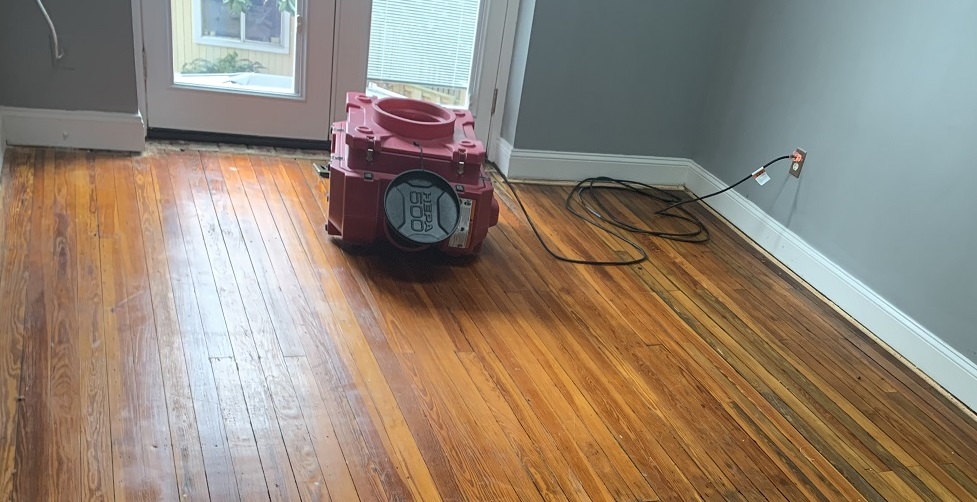
- Arrange for proper remediation to remove contaminated materials
- Document inspections, repairs, and communication with tenants
Following these steps helps landlords stay aligned with rental property mold laws while ensuring the problem is handled properly. A structured response can also help avoid repeated issues in the future.
Signs of Mold Issues Landlords Should Watch For
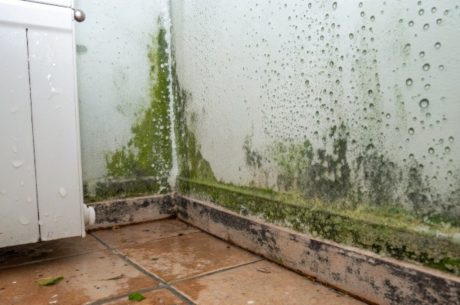
Mold is not always easy to detect in its early stages. However, there are several warning signs that can indicate a problem developing behind walls or in hidden areas.
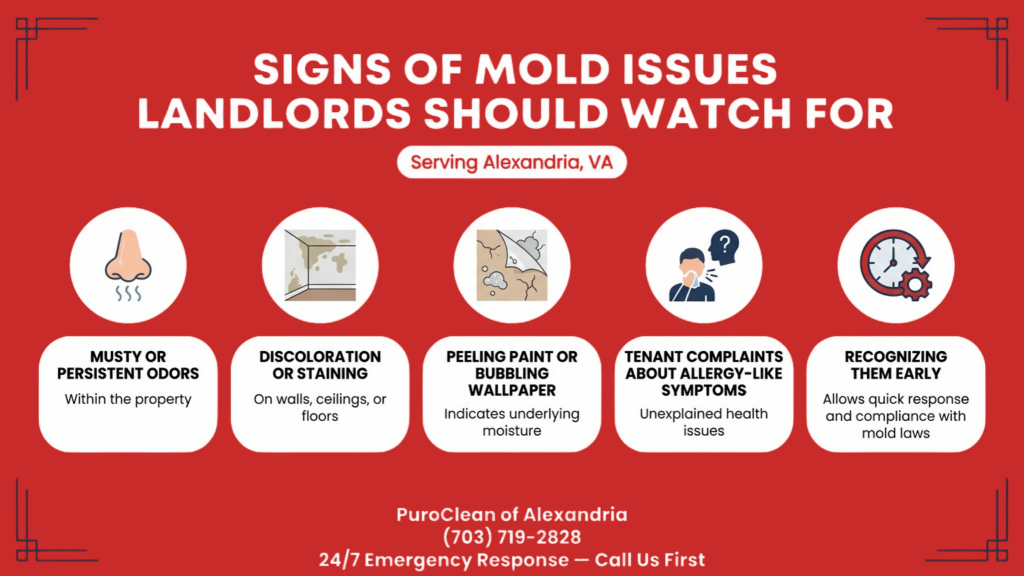
- Musty or persistent odors within the property
- Discoloration or staining on walls, ceilings, or floors
- Peeling paint or bubbling wallpaper
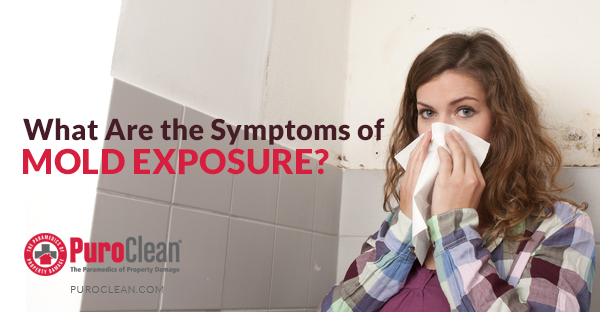
- Tenant complaints about allergy-like symptoms, which may be linked to longer-term exposure, as discussed in our blog about health risks related to mold
These signs often suggest underlying moisture issues that need attention. Recognizing them early allows landlords to respond quickly and remain compliant with rental property mold laws.
Ways to Prevent Mold Problems in Rental Properties
Prevention is often more effective and less costly than remediation. Taking consistent steps to reduce moisture can help minimize the risk of mold growth.
- Schedule routine inspections to catch issues early
- Ensure proper ventilation systems are functioning correctly
- Repair leaks immediately to prevent moisture buildup
- Educate tenants on how to manage humidity and airflow
These preventive measures not only reduce the chances of mold but also support tenant mold responsibility in maintaining the space. A proactive approach helps landlords maintain long-term property value and avoid recurring issues.
Conclusion
Mold problems in rental properties can become complex if they are not addressed early. From identifying the source of moisture to understanding legal responsibilities, each step plays a role in resolving the issue effectively.
Rental property mold laws provide a clear framework for landlords, but success depends on timely action and proper communication. By staying proactive and informed, landlords can handle mold problems efficiently while maintaining a safe living environment for tenants.
FAQs
Q1. Are landlords legally responsible for mold in rental properties?
A: Landlords are generally responsible for maintaining safe and habitable conditions. This includes addressing mold caused by structural or maintenance issues, depending on local regulations.
Q2. Can tenants be held responsible for mold damage?
A: Yes, tenant mold responsibility may apply if mold results from actions like poor ventilation or failure to report leaks. Lease agreements often define these responsibilities.
Q3. How quickly should landlords respond to mold complaints?
A: Landlords should respond as soon as possible after receiving a complaint. Prompt action helps prevent further damage and supports compliance with rental property mold laws.
 PuroClean of Alexandria