 PuroClean of Alexandria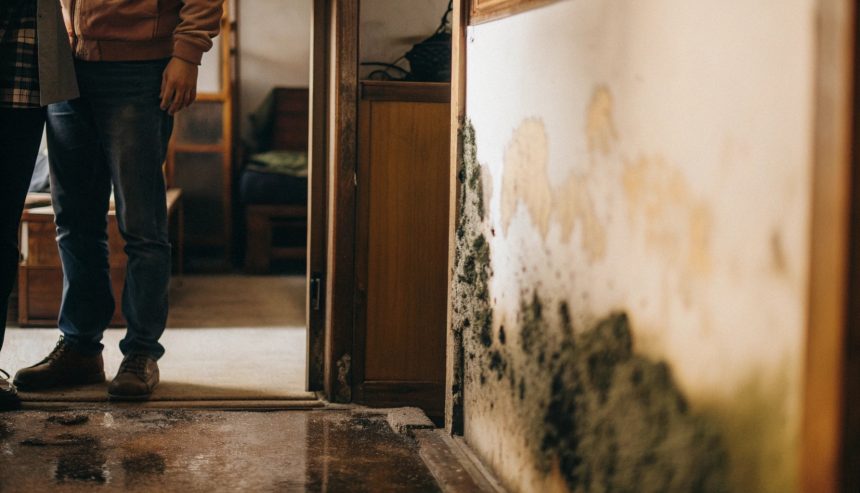
Humidity plays a quiet but powerful role in shaping indoor conditions across Alexandria. The region’s weather often feels sticky for long stretches of the year, and that moisture doesn’t stop at the front door. When excess moisture lingers indoors, it changes how building materials behave and how airborne particles settle.
This is where the connection between humidity and mold becomes especially important for homeowners trying to understand what’s happening inside their walls, ceilings, and enclosed spaces. In this blog, we explore how indoor humidity influences mold growth, why Alexandria’s climate amplifies these conditions, and what to watch for before moisture-related issues become harder to manage.
How Humidity and Mold Are Connected Indoors
Indoor mold does not appear randomly. It develops when environmental conditions support it, and moisture is the single most influential factor. To understand why mold shows up in certain homes and not others, it helps to first look at how indoor humidity works and how mold responds to it over time.
The balance between humidity and mold is especially important because even small shifts in moisture levels can change how surfaces behave inside a home. When indoor air stays damp for extended periods, it quietly creates conditions that allow mold to establish before any visible signs appear.
What Humidity Means Inside a Home
Indoor humidity refers to the amount of moisture suspended in the air within living spaces. Everyday activities such as showering, cooking, washing clothes, and even breathing add moisture to the air. When that moisture is not released through ventilation or balanced by climate control systems, indoor humidity levels rise. According to the U.S. Environmental Protection Agency (EPA), indoor relative humidity consistently above 60 percent increases the likelihood of mold growth because surfaces begin to retain moisture rather than dry fully.
How Mold Responds to Moisture in the Air
Mold spores are always present indoors, but they remain inactive until conditions support growth. Moist air provides mold with the water it needs to settle onto surfaces and begin spreading. Once activated, mold feeds on organic materials such as drywall, paper, wood, fabrics, and dust.
The relationship between humidity and mold becomes especially clear when moisture stays elevated long enough for spores to attach, grow roots into surfaces, and expand beyond what can be seen at first glance. In homes affected by leaks or water damage, this process can accelerate quickly, which we explain in more detail in our guide on How Fast Can Mold Spread in a Home After Water Damage?
Why Alexandria’s Climate Increases Indoor Moisture
Alexandria experiences long stretches of humid weather, especially during the summer months, along with regular rainfall and relatively mild winters. These conditions reduce how often homes fully dry out between weather changes, strengthening the connection between humidity and mold in indoor environments. Moist outdoor air can easily make its way inside through everyday openings such as doors, ventilation systems, and small gaps around windows or walls.
When indoor spaces reflect these damp conditions, moisture tends to linger rather than clear out, increasing the likelihood that surfaces remain slightly wet for extended periods. Over time, this ongoing moisture buildup creates an indoor environment where humidity stays elevated instead of naturally balancing itself.
How Moisture Becomes Trapped Inside Living Spaces
Modern homes are designed to be energy efficient, but tighter construction can also reduce natural airflow. When warm, humid air enters a home and cannot escape easily, it condenses on cooler surfaces such as windows, exterior walls, and basement foundations.
Over time, this trapped moisture builds up in materials that absorb water slowly. Recognizing how moisture behaves indoors is central to applying effective mold prevention tips Virginia homeowners rely on, especially in homes where no obvious leaks or flooding events have occurred.
Common Mold Hotspots in Alexandria Homes
Certain areas of a home are more vulnerable because they combine moisture, limited airflow, and absorbent materials. These conditions allow mold to establish itself quietly before visible signs appear, especially when the balance between humidity and mold shifts in favor of prolonged dampness.
Common problem areas include:
- Bathrooms with limited exhaust ventilation
- Kitchens near sinks, dishwashers, and refrigerators
- Basements and crawl spaces with poor drainage
- Window frames and door thresholds where condensation forms
- Attics with inadequate airflow
Because these spaces experience repeated moisture exposure, they often show the earliest effects of prolonged indoor humidity. Addressing moisture patterns in these areas helps reduce how easily mold can gain a foothold.
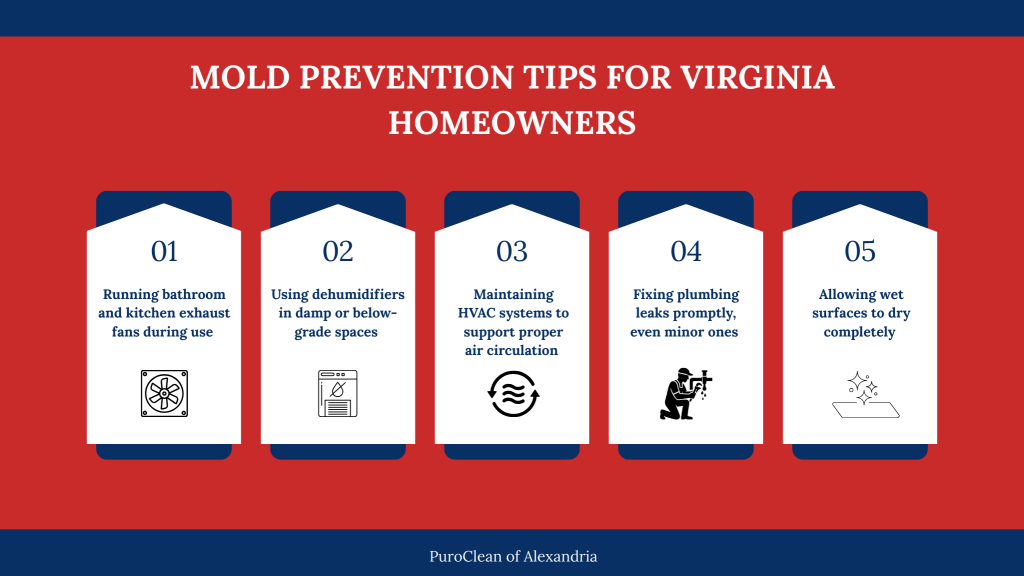
Mold Prevention Tips for Virginia Homeowners
Preventing mold begins with managing moisture consistently rather than reacting after growth appears. These mold prevention tips Virginia homeowners rely on focus on reducing everyday humidity sources and improving airflow.
Practical steps include:
- Running bathroom and kitchen exhaust fans during use
- Using dehumidifiers in damp or below-grade spaces
- Maintaining HVAC systems to support proper air circulation
- Fixing plumbing leaks promptly, even minor ones
- Allowing wet surfaces to dry completely
Applying these habits regularly lowers indoor moisture levels and limits the conditions mold needs to grow. Over time, small changes can significantly reduce long-term mold risk.
Knowing When to Call a Professional
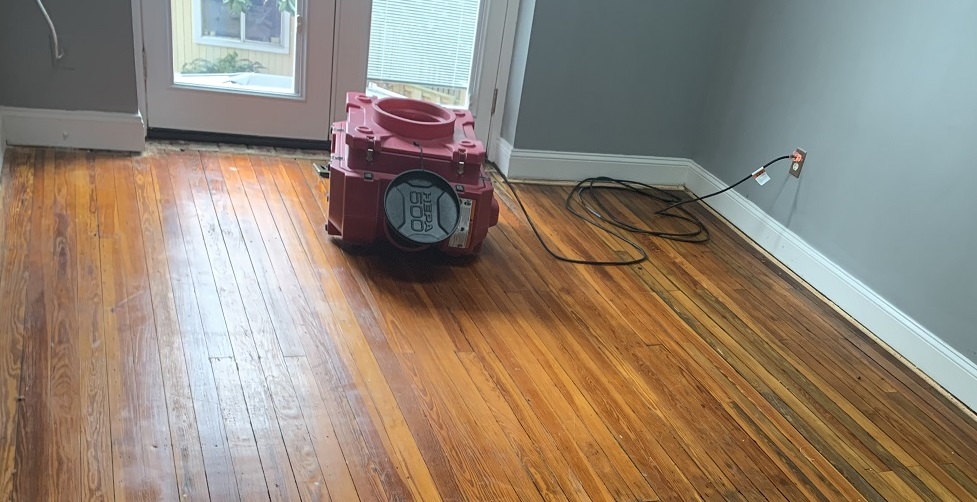
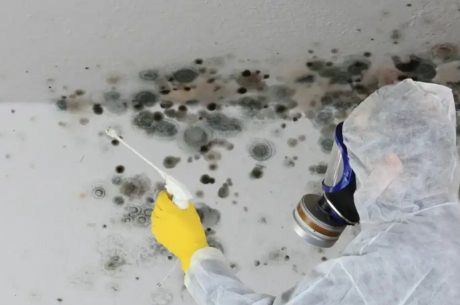
Some moisture and mold situations go beyond routine household management and require trained evaluation. Professional assessment helps identify hidden moisture sources and determine whether mold has spread beyond visible surfaces. In these cases, applying basic mold prevention tips Virginia homeowners follow may no longer be enough to fully address the underlying issue.
- Mold growth covering a wide area
- Musty odors that persist despite ventilation
- Water damage from storms or plumbing failures
- Repeated mold return after cleaning
- Signs of moisture inside walls or ceilings
Addressing these conditions early prevents further spread and limits the extent of repairs needed later.
Conclusion
Alexandria’s climate creates ongoing moisture challenges that directly influence indoor conditions. Understanding how humidity and mold interact explains why mold often develops gradually rather than suddenly. When moisture remains present in the air, and materials cannot dry fully, mold finds opportunities to grow.
Awareness of how humidity behaves indoors allows homeowners to recognize risk patterns early and maintain healthier living environments over time. Paired with practical mold prevention tips Virginia, homeowners can apply consistently, seeking a professional assessment when needed, helps confirm moisture levels and identify areas that may require closer attention.
FAQs
Q1. Can mold grow without visible water damage?
A: Yes. Elevated indoor humidity alone can support mold growth even when no leaks or flooding are present.
Q2. Does controlling humidity really make a difference long term?
A: Consistently managing indoor moisture reduces the conditions mold depends on, making long-term growth less likely.
Q3. Are prevention steps enough in all cases?
A: Basic prevention helps, but professional guidance may be necessary if moisture problems persist or mold returns.

 PuroClean of Alexandria