 PuroClean of Alexandria
When water seeps into your home, through a leaky roof, burst pipe, or sudden flood, it leaves more than just a wet mess behind. Beneath floors and inside walls, trapped moisture becomes the silent spark that fuels rapid mold growth after water damage. What starts as a small damp patch can turn into widespread damage within days, affecting air quality, structure, and even health.
Knowing how fast this process unfolds can mean the difference between a quick fix and a major restoration. In this blog, we’ll explore how quickly mold can spread after water damage, what accelerates it, and how to stop it before it takes over your home.
Understanding Mold Growth After Water Damage
Mold is a type of fungus that feeds on moisture and organic material such as drywall, wood, and carpet fibers. After a water incident, damp materials remain humid long enough to trigger mold growth after water damage, especially if not dried thoroughly. Warm indoor temperatures, combined with trapped moisture, allow spores to multiply rapidly.
Even a small leak behind a wall can encourage colonies to form, often unnoticed until dark patches, musty smells, or health symptoms appear. According to the National Center for Healthy Housing (NCHH), even limited moisture can sustain mold colonies that compromise indoor air quality and weaken home structures. The key is knowing how mold behaves and how quickly it can establish itself.
What Triggers Mold Growth Indoors
Several everyday conditions allow mold to thrive once water enters the home. The process doesn’t take long and can escalate without visible warning signs.
Common triggers include:
- High humidity: Indoor humidity above 60% gives mold the moisture it needs.
- Poor ventilation: Closed spaces like basements or bathrooms trap damp air.
- Organic surfaces: Wood, drywall, insulation, and fabrics serve as ideal food sources.
- Hidden leaks: Even slow leaks under sinks or inside walls can sustain continuous moisture.
- Improper drying: Cleaning up visible water isn’t enough; materials beneath the surface stay damp.
When these factors combine, mold growth after water damage can happen much faster than most homeowners expect. Preventing these triggers early makes a huge difference in keeping your home safe.
How Fast Mold Can Spread After Water Exposure
Once moisture is present, mold growth after water damage can begin within hours. The speed depends on temperature, ventilation, and the type of material affected. In warm, humid conditions, colonies can spread across surfaces within just a few days, compromising air quality and materials around them.
Proper drying and immediate cleanup are the most effective ways to interrupt this cycle. If moisture lingers for more than two days, professional help becomes crucial, especially from water damage restoration Alexandria experts trained to locate hidden damp areas.
Within 24 hours
Moisture saturates porous materials like drywall, carpet, and wood. Mold spores start absorbing water and prepare to grow, though not yet visible. During this stage, damp areas begin to trap humidity, creating an ideal microclimate for fungal activity. If airflow is poor, moisture can start seeping deeper into hidden layers of walls and floors.
24–48 hours
Early mold activity begins. A musty odor may appear, and small patches may start forming in corners or under surfaces. At this point, surfaces feel clammy, and spores begin attaching to organic materials for nourishment. Without prompt drying, these early colonies gain strength and start releasing spores into the air.
3–5 days
Colonies expand rapidly, spreading across walls, ceilings, or furniture. The room’s air may feel heavier, and allergic reactions could begin. Mold discoloration becomes noticeable as green, black, or white spots form. The structural integrity of affected materials may start weakening as the fungus breaks down fibers.
One week and beyond
If untreated, mold can infiltrate insulation, wood framing, and HVAC systems. At this stage, complete remediation is necessary, as the contamination is deeply rooted. Airborne spores multiply exponentially, contaminating adjacent rooms and ventilation systems. Professional water damage restoration Alexandria services are essential to prevent recurring growth and long-term health risks.
The Hidden Dangers of Delayed Action
Mold doesn’t just stain walls; it affects both health and the structure of your home. The longer you delay addressing moisture, the more severe the consequences become.
Hidden dangers include:
- Health issues: Prolonged exposure can trigger coughing, sneezing, headaches, and respiratory distress.
- Structural damage: Mold weakens walls, ceilings, and flooring by breaking down organic fibers.
- Worsening air quality: Mold spores circulate through the air and HVAC systems, making the environment unsafe.
- Costly repairs: The longer mold spreads, the more expensive restoration becomes.
- Contamination spread: Mold can move into adjoining rooms or hidden areas unnoticed.
Taking quick action limits both physical and financial harm. Professionals in water damage restoration Alexandria can ensure a safe, thorough cleanup process before these risks escalate.
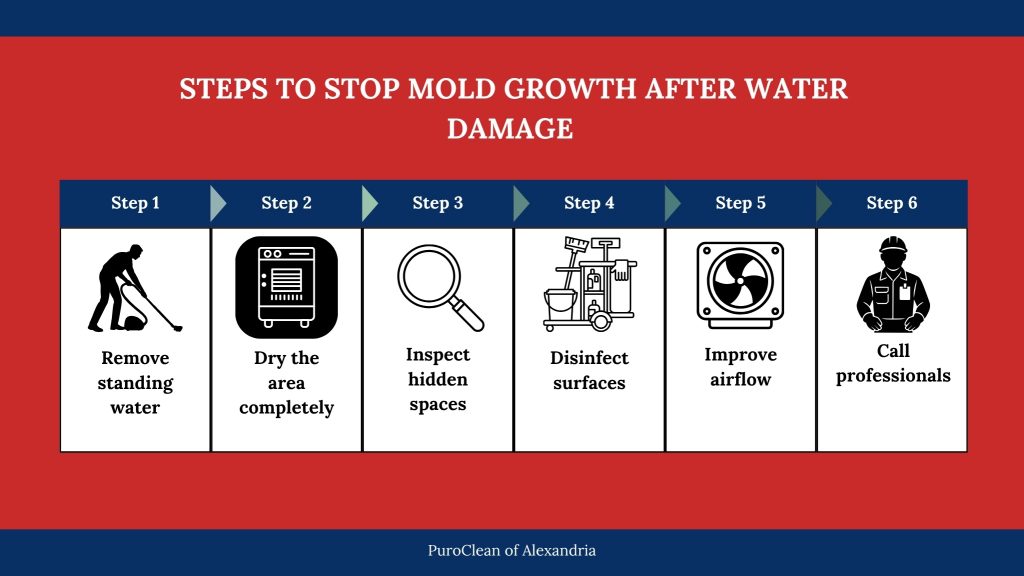
Steps to Stop Mold Growth After Water Damage
Acting fast after a water event makes all the difference in preventing mold from spreading. Simple measures taken immediately can reduce moisture levels and halt early spore development.
Effective steps include:
- Remove standing water: Use pumps, vacuums, or towels to clear visible water.
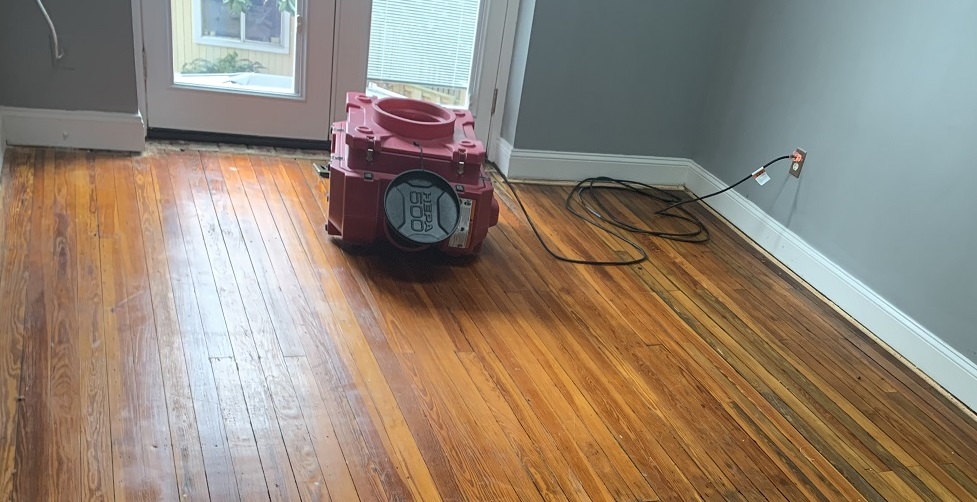
- Dry the area completely: Use fans and dehumidifiers for at least 48 hours.
- Inspect hidden spaces: Check under carpets, behind furniture, and inside walls.
- Disinfect surfaces: Use mold-safe cleaning agents on all damp areas.
- Improve airflow: Open windows or run exhaust fans to circulate dry air.
- Call professionals: Experts in water damage restoration Alexandria have advanced drying tools to detect unseen moisture.
These actions not only stop mold from spreading but also restore your home’s safety and comfort. Timely cleanup is an investment in both health and property preservation. For deeper insights into preventing future outbreaks, check out our blog on How Moisture Control Prevents Mold Growth in Alexandria Homes.
Conclusion
Mold can begin forming within 24 to 48 hours after water exposure, turning a minor leak into a major issue. Once it spreads, it can impact your home’s structure and indoor air quality. The faster the response, the easier it is to stop the problem.
Addressing mold growth after water damage immediately with professional restoration ensures your space remains safe, dry, and healthy. A quick call to experienced technicians can save you from weeks of repair and restore peace of mind.
FAQs
Q1. Can mold start growing within a few hours after water exposure?
A: It can depend on several factors, such as temperature, humidity, and the type of surface affected. However, mold usually begins developing between 24 and 48 hours after moisture appears. In particularly warm and humid conditions, the process may start even sooner, making quick drying and ventilation essential.
Q2. What should I do if I notice a musty smell but can’t see mold?
A: A musty odor is often the first sign of hidden mold. Have your home inspected by a water damage restoration Alexandria professional to locate moisture and prevent further spread.
Q3. How do professionals prevent mold from returning after cleanup?
A: Experts remove moisture completely, disinfect affected areas, and monitor humidity levels to stop spores from regrowing. Proper drying and air circulation are key to lasting results.
 PuroClean of Alexandria