 PuroClean of Alexandria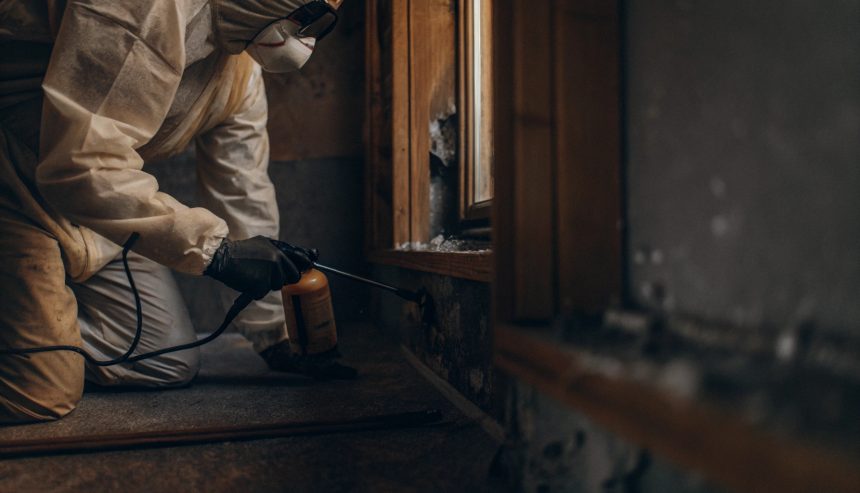
You notice a musty smell that wasn’t there before. Maybe there’s a dark patch near the baseboard or around a vent. What starts as a small concern quickly turns into a pressing question: how long will this take to fix? The concern is not just about the stain itself. According to the Centers for Disease Control and Prevention, mold exposure can cause respiratory symptoms, especially for people with allergies, asthma, or weakened immune systems.
Understanding the mold remediation timeline helps homeowners prepare mentally, financially, and practically for what lies ahead. From inspection to final clearance, every step plays a role in restoring a safe indoor space.
Understanding the Mold Remediation Timeline
The process is not a single-day event. The mold remediation timeline includes inspection, testing, containment, removal, cleaning, drying, and clearance verification. Each stage builds on the one before it. The length of time depends on the size of the affected area, how long moisture has been present, and how quickly the issue is addressed. Smaller projects may take a few days, while larger contamination can extend beyond a week.
What Happens During the Initial Inspection
An inspection is the starting point of the mold remediation timeline. A specialist evaluates visible growth, checks moisture sources, and determines how far contamination may have spread. Tools such as moisture meters and infrared cameras help identify hidden damp areas behind walls or under flooring. This stage typically takes a few hours but is crucial in planning the next steps of the home mold removal process.
What the Testing Phase Includes
Testing is not always required, but it can provide clarity. Air samples and surface samples may be collected to identify spore levels and mold types. Lab analysis usually takes 24 to 48 hours. These results guide the scope of work and shape the rest of the home mold removal process. Clear documentation also helps with insurance claims and post-remediation verification.
What Happens During the Home Mold Removal Process
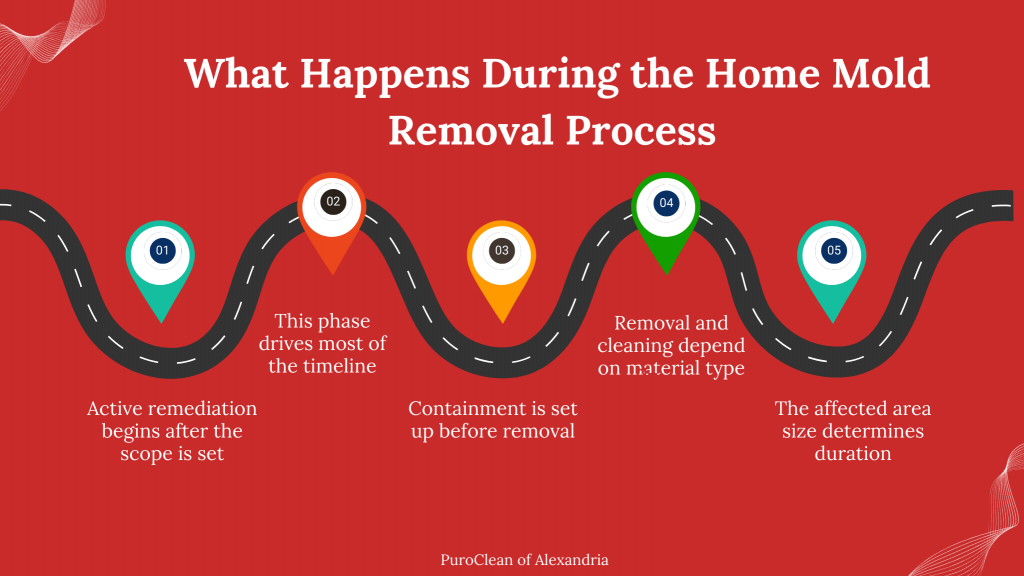
Once the scope is defined, active remediation begins. The home mold removal process focuses on isolating the affected space, removing contaminated materials, and cleaning remaining surfaces. This phase often determines the majority of the mold remediation timeline because it involves physical labor and detailed work. Depending on the extent of damage, this portion may last anywhere from two to seven days.
What Containment Setup Involves
Before any material is removed, containment barriers are installed. Plastic sheeting seals off doorways, vents, and openings. Negative air machines create controlled airflow, so spores do not travel into clean areas. The U.S. Environmental Protection Agency emphasizes that proper containment is essential to prevent cross-contamination during cleanup and outlines recommended safety measures in its remediation guidelines.
This step protects unaffected rooms and keeps indoor air stable during the mold remediation timeline. Containment setup typically takes several hours, but ensures the rest of the home mold removal process remains controlled.
What Removal and Cleaning Steps Include
Damaged drywall, insulation, carpeting, or wood may need to be removed if mold growth has penetrated deeply. Non-porous materials can often be cleaned and disinfected. HEPA vacuums capture microscopic particles, and antimicrobial treatments are applied where necessary. This stage of the mold remediation timeline varies widely in duration depending on the volume of materials affected.
What Determines the Size of the Affected Area
The extent of contamination shapes the home mold removal process significantly. A small leak under a sink may impact only one cabinet, while a long-term roof issue could affect ceilings, framing, and insulation. Ventilation, humidity levels, and porous materials all influence how far spores travel. A larger affected area naturally extends the mold remediation timeline.
What Affects the Overall Mold Remediation Timeline
Several factors influence how long remediation takes. Moisture control is one of the most critical. If the source of water intrusion is not resolved, drying cannot begin properly. Structural damage also adds complexity. These variables shape the mold remediation timeline and determine whether the work takes days or weeks.
What Factors Extend the Timeline
Multiple rooms with contamination require expanded containment and labor. High indoor humidity slows drying equipment performance. If mold has entered HVAC systems, cleaning becomes more involved, which is why professional mold remediation is often safer than DIY cleanup. Delays in lab results or insurance approvals may also affect the mold remediation timeline. Each complication adds incremental time to the overall schedule.
What Can Speed Up the Process
Early detection makes a significant difference. When moisture is addressed quickly, the home mold removal process becomes more straightforward. Limited surface growth requires less demolition and shorter drying periods. Prompt professional assessment also shortens the mold remediation timeline by reducing guesswork and unnecessary steps.
What Clearance Testing and Final Steps Include
After removal and drying are complete, verification ensures the environment is safe. Clearance testing confirms that mold levels are within acceptable limits. This final review marks the closing stage of the mold remediation timeline and allows homeowners to move forward confidently.
What Post-Remediation Verification Means
Independent testing may be performed to measure indoor air quality. Surface samples can confirm that previously affected areas are clean. If results show acceptable spore levels, a clearance report is issued. This documentation officially concludes the home mold removal process and confirms successful remediation.
What Homeowners Should Expect Before Re-Occupancy
Before returning furniture or resuming full use of the space, drying equipment is removed, and surfaces are inspected. Odors should no longer be present. Any reconstruction, such as new drywall or paint, can begin once the mold remediation timeline has reached clearance. The home mold removal process transitions into restoration at this stage.
Conclusion
Mold problems can feel overwhelming, but understanding the mold remediation timeline provides clarity. From inspection and containment to cleaning and final verification, each stage serves a specific purpose. The home mold removal process is not just about removing visible growth; it addresses moisture sources and ensures safe air quality. While smaller projects may take only a few days, larger cases require more time and careful coordination. Acting early and working with experienced professionals can significantly reduce delays and restore comfort sooner.
FAQs
Q1. How long does mold remediation usually take?
A: Most projects take between three and seven days. The exact mold remediation timeline depends on the size of the affected area and how long moisture was present.
Q2. Can I stay home during mold remediation?
A: It depends on the scope. During larger projects, professionals may recommend temporary relocation while the home mold removal process is underway, especially if multiple rooms are involved.
Q3. What delays mold clearance testing?
A: High humidity, unresolved leaks, or incomplete drying can postpone final testing and extend the mold remediation timeline.


 PuroClean of Alexandria