 PuroClean of Alexandria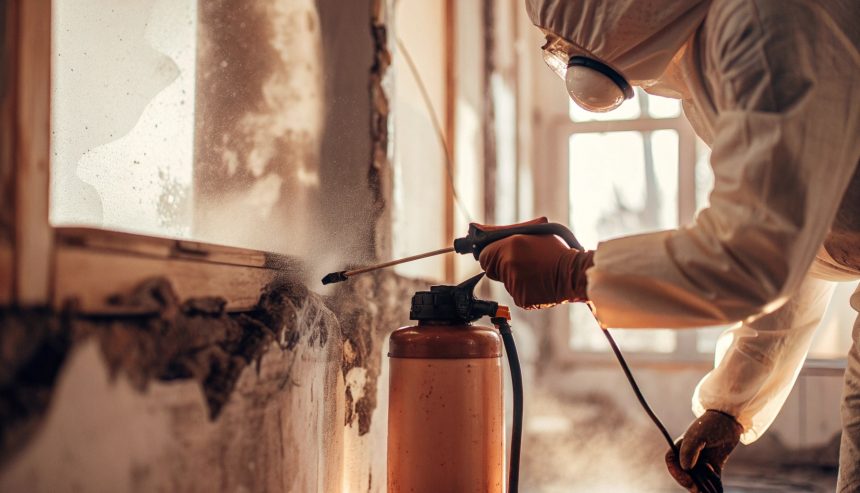
Mold often enters homes quietly. A faint smell, a dark patch near a window, or peeling paint can seem harmless at first. Many people act quickly, believing a cloth and a cleaner will solve the issue. What’s rarely considered is how mold behaves once disturbed and why safety becomes a concern long before the cleanup feels complete. In this blog, we explore what makes professional mold remediation a safer approach and explain why mold problems are rarely as simple as they appear.
Understanding Mold and Why Safety Is Critical
Mold is not just a surface issue. It is a living organism that adapts, spreads, and survives in ways that are not always visible. Safety matters because even small missteps during cleanup can cause mold to spread further into a home. Unlike ordinary dust or stains, mold reacts to disruption, which means improper handling can change how it behaves indoors. Taking a cautious approach early helps limit how far the problem can extend.
What Mold Really Is and How It Spreads
Mold grows in damp environments and releases microscopic spores into the air. These spores move easily through ventilation systems, fabrics, and open spaces. When disturbed, colonies can release thousands of spores at once, settling into new areas and creating fresh growth. This is why wiping away what you see does not necessarily stop the problem. The U.S. Environmental Protection Agency explains that mold issues often extend beyond visible growth and may require controlled removal to prevent spores from spreading further.
Why Mold Exposure Can Become a Serious Issue
Exposure happens more easily than most people realize. Mold spores can be inhaled or come into contact with skin during cleanup. Over time, this exposure may trigger reactions, especially in enclosed spaces. Professional mold remediation approaches this risk carefully, reducing unnecessary contact and limiting how spores move through the air.
What Professional Mold Remediation Involves
Addressing mold safely requires more than cleaning. It involves understanding where mold originates and how to remove it without increasing exposure.
A Controlled and Systematic Process
The process begins with an assessment to identify affected areas, including places that are not visible at first glance. Containment barriers are then installed to isolate the space. During professional mold remediation, removal is performed methodically to prevent spores from escaping into unaffected rooms.
Specialized Tools and Protective Measures
Professionals rely on equipment designed specifically for mold situations. This includes air filtration systems, sealed disposal methods, and protective gear that limits exposure. These measures are not commonly available in households, which is why attempting cleanup without them increases uncertainty.
Addressing the Root Cause, Not Just the Surface
Mold thrives where moisture exists. A safe solution focuses on identifying leaks, humidity issues, or ventilation problems that allow mold to return. Professional mold remediation includes moisture control strategies that help prevent regrowth rather than reacting to repeated outbreaks. As discussed in our blog on water damage and mold growth, lingering moisture is often the underlying factor that keeps mold coming back.
What Makes DIY Cleanup Risky
Many homeowners choose to handle mold themselves, often with good intentions. However, the risks involved are not always obvious until the situation worsens.
Common Mistakes Made During Home Cleanup
Scrubbing visible mold without sealing the area is a frequent mistake. This action can spread spores across floors, walls, and furniture. Using the wrong cleaning products may also fail to eliminate mold at its source, allowing it to grow back quietly.
How DIY Methods Can Make Mold Worse
When mold is disturbed, spores become airborne. Without containment, these spores settle elsewhere and expand the problem. DIY mold removal risks increase when hidden mold inside walls or ceilings is overlooked, leading to larger infestations over time. The Centers for Disease Control and Prevention notes that disturbing mold without proper controls can increase exposure and allow spores to spread beyond the original area.
Understanding DIY Mold Removal Risks
Lack of protective equipment exposes individuals directly to spores. Without proper disposal methods, contaminated materials may remain inside the home. DIY mold removal risks often stem from incomplete removal and the absence of preventive measures.
Key Safety Differences Between Professional and DIY Approaches
The contrast between expert handling and personal attempts lies mainly in how safety is prioritized throughout the process.
Controlled Environments vs Open-Air Cleanup
Professionals seal affected areas before removal begins. This containment prevents spores from traveling. During professional mold remediation, air pressure systems are used to direct contaminated air outward, something open-air cleanup cannot achieve.
Training, Experience, and Safety Standards
Experience allows professionals to anticipate how mold will react during removal. Established safety standards guide every step, from inspection to disposal. This structured approach reduces uncertainty and lowers the chance of spreading contamination.
When Mold Problems Require Professional Attention
Not every mold issue can be handled safely with basic cleaning. Certain conditions increase the risk of spread and exposure, making professional support the more reliable option.
Situations where DIY is not enough:
- Mold covering large or multiple areas of the home
- Growth that keeps returning despite repeated cleaning
- Mold located near HVAC systems, vents, or air ducts
- Signs of mold inside walls, ceilings, or hidden spaces
Long-term considerations to keep in mind:
- Mold can weaken building materials over time if left untreated
- Repeated exposure may occur when underlying moisture issues remain unresolved
Choosing professional mold remediation in these situations helps control the problem at its source while reducing unnecessary exposure. Avoiding DIY mold removal risks in complex cases supports both the home’s condition and the well-being of those living inside it.
Conclusion
Mold cleanup is not just about removing what you can see. It’s about understanding how mold behaves when disturbed and why safety matters at every step. Professional mold remediation offers a controlled, informed approach that reduces exposure and prevents further spread. While DIY efforts may seem faster, they often introduce risks that are difficult to reverse. Choosing the safer path means addressing mold thoroughly, not just temporarily.
FAQs
Q1. Is it safe to clean small mold patches on my own?
A: Small areas may seem manageable, but even limited cleanup can release spores. Caution and proper protection are essential.
Q2. Can DIY cleanup cause mold to return?
A: Yes. Without addressing moisture sources, mold often grows back, sometimes in hidden areas.
Q3. When should I stop DIY efforts and call a professional?
A: If mold covers a large area, keeps returning, or appears in walls or vents, professional help is recommended.

 PuroClean of Alexandria