 PuroClean of Alexandria
A rodent problem can leave behind much more than a few scattered droppings. Once the animals are gone, the real challenge begins, addressing what they leave behind. The cleanup process can feel overwhelming because the contamination often extends far beyond what’s visible.
Understanding exactly what happens during an infestation and what it takes to restore a home can help residents make informed and confident decisions. In this blog, we’ll walk through what’s involved in the cleanup process and the key details every homeowner should know before getting started.
Why Cleaning After a Rodent Issue Needs a Careful Approach
Thorough cleaning is essential after any rodent presence because the contamination can spread into materials that absorb moisture, release odors, or trap harmful particles. Many homeowners underestimate how far the effects can reach, especially if the infestation went unnoticed for a while. The longer the activity continues, the more likely it is that debris, droppings, and nesting materials have dispersed into hidden sections of the home.
Addressing these areas requires more than simple surface cleaning. Specialized techniques, protective equipment, and proper disposal methods are necessary to avoid spreading contaminants during the process itself. This stage often requires trained technicians who understand how to manage risks. In many cases, rodent infestation cleanup Alexandria professionals help ensure the process is handled with precision and safety.
What Happens During a Rodent Infestation
Rodents leave behind droppings, nesting debris, food remnants, and bodily fluids, all of which can seep into surfaces. These materials may accumulate in quiet corners, behind appliances, inside wall cavities, or along frequently used pathways. Over time, they create conditions that require specialized attention rather than general cleaning.
In addition to contamination, there is a significant concern around disease prevention from rodents, which becomes a central focus during post-infestation cleaning.
Materials and Areas Commonly Affected
Rodents often target insulation, cardboard boxes, stored fabrics, and other soft materials that hold heat. Hard-to-reach areas like attics, crawlspaces, vents, and inside cabinetry also tend to be affected. Even small infestations can lead to wide-ranging contamination because rodents travel frequently throughout a home. In many cases, homeowners seek rodent infestation cleanup Alexandria services when they discover how much of the property has been touched or damaged.
What Effective Cleanup Involves in Alexandria Homes
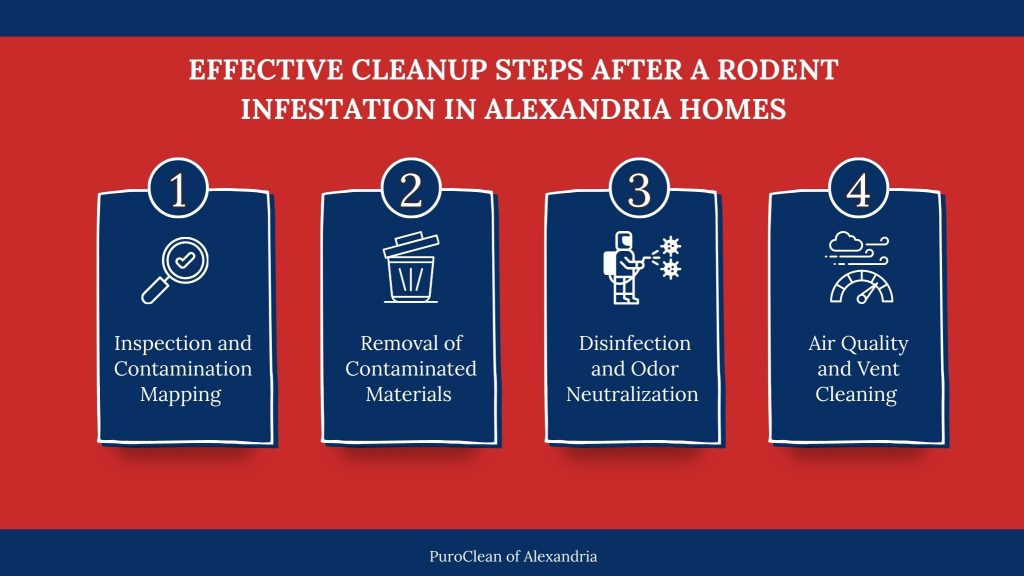
A successful cleanup involves multiple phases that address visible contamination, hidden debris, odors, and indoor air quality. Each step plays a specific role in reducing risks and restoring safe living conditions.
Because no two cases are alike, a careful assessment guides the process from start to finish. For homeowners unsure about when expert help becomes necessary, our blog on why hiring a certified biohazard cleanup company in Alexandria matters offers helpful perspective on the safety side of professional cleanup. Professionals also pay attention to disease prevention from rodents, ensuring that the cleanup meets health and safety expectations.
Inspection and Contamination Mapping
Technicians look closely at droppings, stains, nesting clusters, and damaged materials to understand where contamination has spread. This assessment helps determine what needs to be removed, sanitized, or sealed. When contamination is more complex, homeowners often rely on rodent infestation cleanup Alexandria experts who have the tools to identify hidden problem zones.
Removal of Contaminated Materials
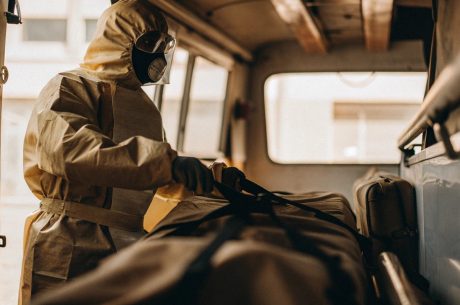
Soft materials like insulation, stored linens, or paper goods usually cannot be salvaged once contaminated. These items are carefully bagged and removed to prevent further spread inside the home. Because some materials hold bacteria or allergens, safe disposal becomes a part of disease prevention from rodents and overall health protection.
Disinfection and Odor Neutralization
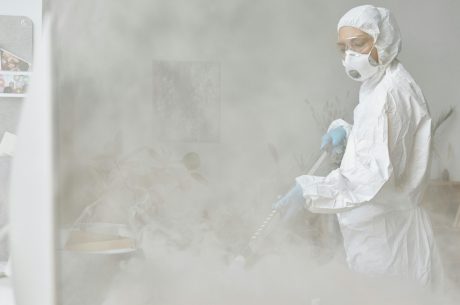
Disinfecting treated areas helps break down harmful microorganisms and residue that linger after removal. Odor neutralization methods, such as specialized sprays or vapor treatments, help restore a clean and breathable environment. The CDC also provides clear guidance on safe cleaning practices after rodent activity, which reinforces the importance of careful disinfection. In situations where odors persist, many residents turn to rodent infestation cleanup Alexandria services for more advanced deodorizing options.
Air Quality and Vent Cleaning
Rodent activity inside ducts or ventilation areas can push contaminants into the air every time the system runs. Cleaning these pathways is essential to restoring indoor air quality. Filters may need replacement, and vents often require deep cleaning to remove buildup. Vent care also plays an important role in disease prevention from rodents, especially when infestations occurred near HVAC systems.
Prevention Measures to Reduce Future Risks
Once the home is clean, prevention becomes the next priority. These steps help reduce the chance of rodents returning, especially in older buildings or homes near wooded areas. A few simple habits can make a significant difference in long-term safety. In many cases, homeowners combine these steps with rodent infestation cleanup Alexandria recommendations to keep their space protected.
Prevention Measures:
- Seal small cracks, gaps, or entry points around the foundation and exterior.
- Store food in airtight containers and clear out cluttered storage areas.
- Dispose of trash regularly and keep outdoor bins tightly closed.
- Maintain clean kitchen surfaces and avoid leaving food out overnight.
- Trim shrubs or tree branches touching exterior walls.
These steps also support disease prevention from rodents by limiting the factors that attract them in the first place. A clean, well-maintained environment makes it much harder for rodents to settle in again and helps homeowners feel more at ease moving forward.
Conclusion
Cleaning after a rodent problem is a detailed process that involves much more than surface-level dusting and wiping. Understanding what contamination looks like and how cleanup works helps homeowners take the right steps toward restoring their space safely.
A thorough approach not only clears out what was left behind but also supports a healthier indoor environment moving forward. When the process feels too extensive to handle alone, turning to trained professionals can provide clarity, reassurance, and a structured path toward a fully restored home. If you’re unsure where to begin or need guidance, consider reaching out to a trusted local cleanup team to understand your options.
FAQs
Q1. What makes rodent cleanup different from regular cleaning?
A: It involves removing contamination, sanitizing affected areas, and addressing structural or material damage that simple cleaning cannot manage. It also requires targeted techniques that prevent disturbed debris from spreading into other parts of the home.
Q2. What items usually need to be thrown away after an infestation?
A: Absorbent materials like insulation, fabrics, and paper goods typically need disposal if they’ve been contaminated. These items hold residue more deeply than hard surfaces, making them difficult to restore safely.
Q3. How soon should cleanup start once rodents are removed?
A: It’s best to begin as soon as possible to limit lingering risks and prevent contamination from spreading. Early action also reduces the chance of odors becoming more difficult to remove over time.

 PuroClean of Alexandria