 PuroClean of Ann Arbor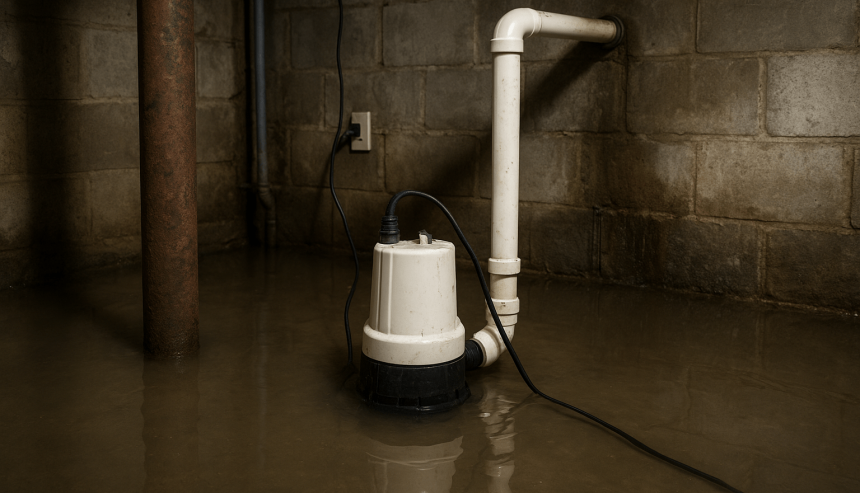
Table of Contents
The beauty of a Michigan winter in Ann Arbor comes with a severe responsibility for homeowners: protecting the basement. While summer flooding often results from severe thunderstorms, winter water damage is a more insidious threat, often caused by the subtle, relentless forces of freezing, thawing, and hydrostatic pressure.
If your basement is not properly fortified against these risks, you could face costly damage that requires professional intervention from a basement flood cleanup company. At PuroClean of Ann Arbor, we believe the best cleanup is the one you never need. This comprehensive guide will help you move beyond simple maintenance to fully winter-proof your Washtenaw County home.
The Tri-Seasonal Threat to Ann Arbor Basements
Ann Arbor homes, particularly older structures in established neighborhoods like Burns Park or Kerrytown, are susceptible to a combination of three seasonal risks that peak in the winter and early spring.
1. The Relentless Freeze-Thaw Cycle (The Foundation Stress Test)
Michigan’s winter is defined by temperature swings. This causes the ground around your foundation to repeatedly freeze, expand (frost heave), and then contract.
- The Mechanism: Water in the soil expands by about 9% when it freezes. This expansion exerts incredible lateral pressure on your basement walls. Over years, this pressure can turn hairline cracks—which are common in all foundations—into major conduits for water.
- The Ann Arbor Angle: Washtenaw County soil often contains significant amounts of clay. Clay holds water more effectively than sandy soil, which dramatically increases the amount of hydrostatic pressure exerted against your foundation during a freeze. When the inevitable melt occurs, that water is pushed directly into the basement through those newly widened cracks.
2. The Peril of the Burst Pipe (The Instant Catastrophe)
A burst pipe is arguably the fastest and most devastating source of winter water damage. It turns a slow seep into a sudden flood, often occurring when the home is unoccupied.
- The Risk Zones: Pipes running through exterior walls, crawl spaces, unheated garages, or even near a cold-air return in a basement are at high risk. It’s often the closest point to the exterior freeze that bursts, not the section exposed to the cold, due to pressure building between the ice blockage and the closed faucet.
- Preventative Measures: Insulate any exposed pipes with foam pipe sleeves, especially those near exterior walls. For water lines feeding outdoor spigots, ensure the main shut-off valve is closed and the line is completely drained before the first hard frost.
3. Surface Water Management: Conquering Snowmelt and Ice Dams
Once winter has deposited inches or feet of snow, the spring thaw (or a mid-winter warm-up) turns the landscape into a massive source of surface water.
- Ice Dams: When poor attic insulation or ventilation causes the roof surface to be warm, snow melts and runs down. It then refreezes at the cold eaves, forming a dam. The ponding water backs up under shingles and flows down your exterior walls, pooling against the foundation. This creates an immediate seepage risk, often bypassing the sump pump entirely.
- Saturated Soil: Snowmelt saturates the clay-rich Ann Arbor soil, leading to the same hydrostatic pressure issues as heavy rain.
5 Essential Proactive Steps to Fortify Your Basement
To truly winter-proof your home, you must address water flow from the top of your roofline to five feet away from your foundation.
1. Extend Your Downspouts (The Ten-Foot Rule)
This is the single most cost-effective defensive measure. Water must be directed away from the foundation.
- Ensure all downspout extensions move water at least eight to ten feet away from the foundation footing. If water is pooling within three feet of your home, you are inviting hydrostatic pressure and eventual seepage.
- Check that the ground slopes away from your foundation (positive grading). If not, consider adding soil near the foundation to encourage runoff.
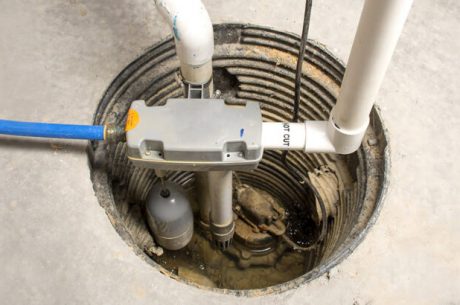
2. Install a Sump Pump Battery Backup System
Given the prevalence of winter power outages across Washtenaw County, a battery backup for your sump pump is an absolute necessity, not a luxury.
- The Lifeline: When the power fails, the battery backup keeps the pump running. Choose a system with sufficient battery capacity to last for several hours of continuous use or days of intermittent use.
- Maintenance: Test the backup system quarterly (especially before winter) to ensure the battery is charged and the pump activates correctly. A failed backup during a power outage guarantees a call to a basement flood cleanup company.
Learn more on What to Do When Your Sump Pump Fails and the Basement Floods
You can also check our blog post on Sump Pum Failure to learn more.
3. Seal Cracks and Vents
Do a meticulous inspection of your foundation and any basement entry points.
- Seal all visible cracks in the concrete walls and floor using hydraulic cement or epoxy injection systems.
- Check and seal basement window wells, ensuring the drainage system within the well is clear of leaves and debris. Poorly sealed window wells are a common entry point for snowmelt.
- Ensure dryer vents and utility entry points are properly sealed with caulk or weatherstripping to prevent cold air and moisture entry.
4. Optimize Attic Ventilation to Prevent Ice Dams
Ice dams start on the roof. Proper ventilation keeps the roof deck cold, preventing snowmelt that leads to dams.
- Ensure soffit and ridge vents are clear and unobstructed.
- Add or check attic insulation to prevent heat from escaping from the living space into the attic, which is the primary cause of roof warming and subsequent snowmelt.
5. Clear Gutters Before Freezing
Leaves and debris left in gutters during the late fall will freeze solid in winter. This blockage causes snowmelt to overflow immediately, dumping gallons of water directly against your foundation. Clearing your gutters is crucial for effective winter drainage.
The Immediate Aftermath: When to Call a Basement Flood Cleanup Company
Despite the best precautions, accidents happen. When you face a winter pipe burst or a sump pump failure, every minute counts. Your goal is to stop the water and secure the scene.
60-Minute Emergency Checklist:
- Stop the Source: Locate and shut off the main water supply (usually near the water meter). For a sewer backup, avoid all contact with the water.
- Safety First: If water is touching electrical outlets or appliances, do not enter the area. Call a professional electrician immediately to shut off the power to the affected zone.
- Call PuroClean: Contact PuroClean of Ann Arbor immediately. As an IICRC Certified Firm, we offer 24/7/365 emergency response. The faster we start extraction, the lower the risk of permanent damage and mold.
The Professional Difference: Why You Need an IICRC Certified Firm
Many homeowners attempt DIY cleanup, but this almost always leads to hidden damage and future problems like mold. As an IICRC (Institute of Inspection, Cleaning and and Restoration Certification) Certified Firm, PuroClean follows rigorous industry standards that guarantee proper restoration.
The Science of Structural Drying
We don’t just use fans; we use a scientific process called Applied Structural Drying (ASD):
- Assessment: We use professional-grade moisture meters and thermal imaging cameras to create a ‘moisture map’ of your basement, identifying hidden water behind drywall, under subfloors, and within insulation.
- Extraction: Powerful truck-mounted and submersible pumps remove standing water quickly.
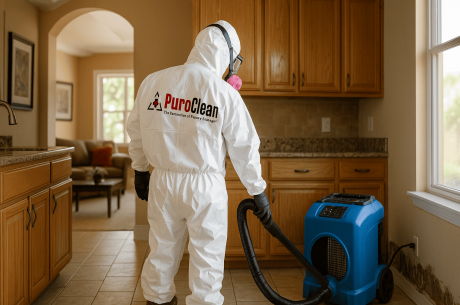
- Evaporation & Dehumidification: We deploy high-velocity air movers and professional-grade LGR (Low-Grain Refrigerant) or Desiccant Dehumidifiers. These machines create a perfect drying environment—a complex process involving balancing temperature, air flow, and humidity (psychrometrics) to safely pull moisture out of structural materials.
- Monitoring & Documentation: Our certified technicians meticulously monitor moisture levels daily. We document the entire drying process using PuroMetrix™ technology, providing real-time data to you and your insurance company. This data is essential for a smooth claims process and to definitively prove that the structure is dry and safe, preventing mold growth.
Partnering with Your Basement Flood Cleanup Company for Insurance
Water damage claims can be complex. Choosing an experienced basement flood cleanup company like PuroClean of Ann Arbor simplifies the process. We work directly with all major insurance providers.
We provide the detailed documentation, moisture readings, and photo logs necessary to substantiate your claim, ensuring your home is restored to its pre-loss condition quickly and fairly. From initial assessment to final moisture verification, we are your advocate throughout the recovery journey.
Protecting your Ann Arbor basement this winter is a year-round commitment to preventative maintenance. However, should winter’s forces prove too strong, know that the dedicated, certified team at PuroClean of Ann Arbor is ready around the clock to restore your property and your peace of mind.
Call PuroClean of Ann Arbor 24/7 for Emergency Water Damage Restoration at (734) 926-5900.

 PuroClean of Ann Arbor