 PuroClean of Ann Arbor
Introduction
Ann Arbor homeowners know how quickly the weather can turn. One minute it’s raining, and the next, your basement is taking on water. When storms hit hard, basements—especially older homes in Michigan—are highly vulnerable to flooding. What many homeowners don’t realize is that the damage often continues long after the storm ends. Moisture hides in walls, floors, insulation, and even behind appliances, leading to mold, structural issues, and contaminated indoor air.
This is why recognizing the top signs you need basement flood cleanup experts is essential. Professionals don’t just remove visible water—they detect hidden moisture, clean contamination, and restore the property according to industry standards.
Table of Contents
If you want a deeper understanding of storm restoration, this guide may help: Flood Restoration Near Me
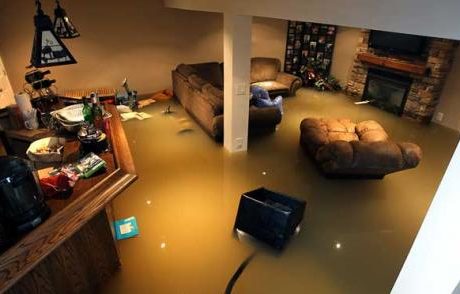
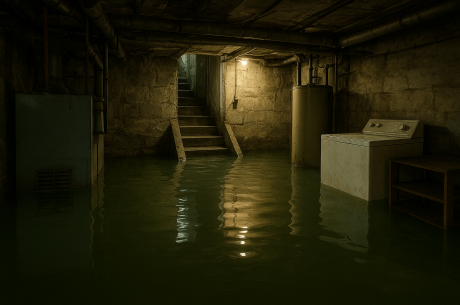
1. Standing Water That Isn’t Draining Quickly
Even an inch of standing water can cause:
- Wood rot
- Electrical hazards
- Foundation deterioration
- Bacterial contamination
- Mold growth in 24–48 hours
Basement flood cleanup experts use powerful water extraction equipment, far stronger than shop vacs or pumps homeowners typically own.
Standing water usually means something deeper is wrong—commonly:
- A failed sump pump
- A sewer backup
- Saturated soil around the foundation
- Gutter or downspout overflow
- Stormwater intrusion through cracks
If your sump pump failed, you’ll want to review this guide:
👉 Sump Pump Failure in Ann Arbor
For more information on the hazards of floodwater, the CDC outlines critical safety guidelines:
🔗 CDC – Floodwater Safety: https://www.cdc.gov/disasters/floods/floodsafety.html
2. Musty Odors Appearing Within Hours
A musty smell after a storm is one of the clearest early signs of mold. Moisture trapped behind walls or under flooring begins feeding microbial growth almost immediately.
Professional basement flood cleanup services perform:
- Moisture mapping
- Antimicrobial application
- Industrial-grade dehumidification
- Air filtration using HEPA systems
Mold is a serious health risk, especially for children, seniors, and anyone with asthma or allergies. The EPA explains how quickly mold can spread in damp environments:
🔗 EPA – Mold & Moisture Guide: https://www.epa.gov/mold/mold-guide
3. Warped, Soft, or Discolored Walls and Floors
When water is absorbed into:
- Drywall
- Baseboards
- Carpet padding
- Wood framing
- Vinyl or laminate flooring
- Subflooring
…it becomes a hidden threat. Even when surfaces look dry, moisture often lingers behind them.
Common indicators include:
- Bubbling or peeling paint
- Soft, spongy drywall
- Cracked tile grout
- Warping or buckling floors
- Water lines on walls
Removing surface water isn’t enough—professionals use commercial drying equipment to pull water from building materials.
For a step-by-step breakdown of what experts do, check out:
👉 5 Key Steps Expert Basement Flood Cleanup Services Take to Restore Your Basement
4. Electrical Issues After the Flood
Water can compromise electrical systems even if outlets or wires weren’t directly submerged. Warning signs include:
- Sparking
- Flickering lights
- Burnt smells
- Wet electrical panels
- Tripped circuits
- Malfunctioning appliances
Electricity and water are a dangerous combination. Basement flood cleanup experts coordinate with electricians to ensure the home is safe before beginning restoration.
For safety guidance, the Red Cross offers helpful flood advice:
🔗 Red Cross – Flood Safety Checklist: https://www.redcross.org/get-help/how-to-prepare-for-emergencies/types-of-emergencies/flood.html
5. Mud, Silt, or Contaminated Water in Your Basement
Stormwater often enters your basement carrying:
- Mud and silt
- Bacteria
- Chemicals
- Pesticides
- Sewage backup
- Oil or fuel contaminants
This is especially common in homes with floor drains, older sewer systems, or compromised foundations.
Contaminated water requires professional sanitation and antimicrobial treatment, not just drying. FEMA outlines the dangers of contaminated floodwater on property and health:
🔗 FEMA – After a Flood: https://www.ready.gov/floods
6. Sump Pump Overwhelmed or Not Working at All
Ann Arbor’s frequent rainstorms can overwhelm even a functioning sump pump. If your pump is:
- Making strange noises
- Working continuously
- Tripping the breaker
- Not turning on
- Backing up water
…it’s a sign of mechanical or electrical failure.
Basement flood cleanup experts can:
- Extract standing water
- Diagnose pump performance
- Recommend backup solutions
- Prevent future flooding
Many Ann Arbor homes benefit from a backup battery or secondary sump pump due to high rainfall patterns.
7. Early Signs of Mold Growth
Mold begins forming quickly—sometimes less than a day after a flood. Look for:
- Small black dots
- Green or white fuzzy patches
- Stains or discoloration
- Peeling paint
- Allergic reactions
Mold grows behind walls, under floors, and even inside HVAC systems. Professional cleanup experts use HEPA vacuums, negative air machines, and EPA-approved antimicrobial solutions.
The EPA provides general mold remediation guidelines:
🔗 EPA – Mold Remediation: https://www.epa.gov/mold
8. You’ve Experienced Repeat Flooding
If water keeps returning to the same area of your basement, it usually means:
- Insufficient drainage around the home
- Cracks in the foundation
- Poor soil grading
- A failing sump pump
- Gutter and downspout issues
- Groundwater intrusion
Professional basement flood cleanup services don’t just dry the area—they identify the cause and help prevent future flooding.
9. You’re Not Sure How Far the Moisture Spread
Water doesn’t stay where it lands. It spreads:
- Across flooring
- Behind walls
- Into insulation
- Through cracks
- Into HVAC systems
Hidden moisture leads to mold, odors, and long-term structural problems.
Basement flood cleanup experts use:
- Thermal imaging
- Moisture meters
- Hygrometers
- Air quality testing
…to identify every wet area and dry it to industry standards.
Final Thoughts
A flooded basement is more than an inconvenience—it’s a serious threat to your home and health. Ann Arbor storms are unpredictable, and even a small amount of water can create massive long-term issues. Recognizing the top signs you need basement flood cleanup experts ensures you get ahead of the damage and protect your property.
If a heavy storm has caused a flooded basement near Ann Arbor, don’t wait. Contact your local professional basement flood cleanup services today for immediate extraction, drying, sanitation, and full restoration. Fast action saves you money and protects your home.

 PuroClean of Ann Arbor