 PuroClean of Ann Arbor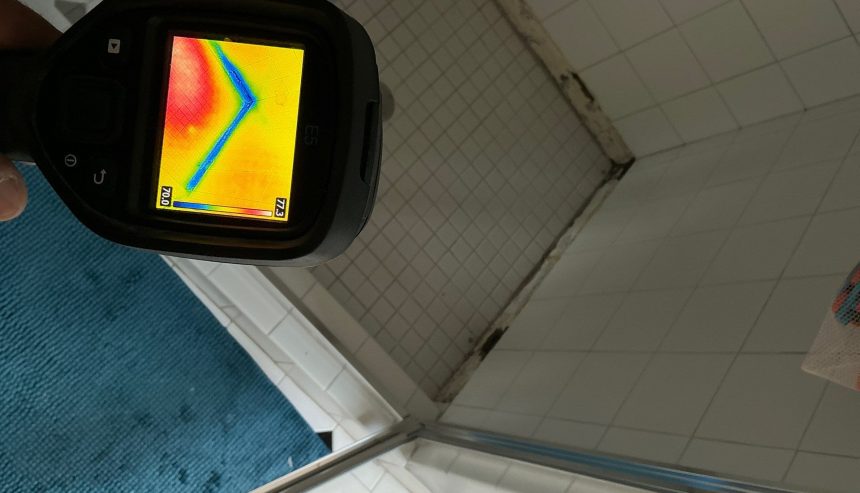
Introduction: Hidden Water Damage Is a Silent Threat
Table of Contents
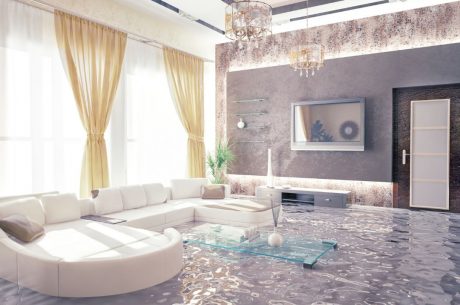
Not all water damage looks like a flooded basement or a visibly soaked carpet. Some of the most expensive and dangerous water issues are completely hidden behind walls, under floors, and inside ceilings. By the time you finally see bubbling paint, warped flooring, or musty odors, the damage may already be extensive—and mold could be growing.
At PuroClean of Ann Arbor, we rely on advanced moisture meters and other cutting-edge tools to detect hidden water damage long before it becomes a major problem. Our technology-driven approach helps protect your home, your health, and your wallet by finding moisture you can’t see or feel on your own.
In this article, we’ll walk you through:
- Why hidden water damage is so dangerous
- What moisture meters are and how they work
- How PuroClean of Ann Arbor Uses Advanced Moisture Meters to Detect Hidden Water Damage
- What to expect when we inspect your property
- When you should call a professional water damage inspection team
We’ll also point you to related resources, such as our blog posts on Top Causes of Water Damage in Ann Arbor Homes and basement flood cleanup, so you can better understand how moisture enters your home in the first place.
Why Hidden Water Damage Is So Dangerous
You don’t have to see water to have a serious water problem. Hidden moisture can seep into:
- Insulation inside walls
- Subflooring under hardwood, laminate, or tile
- Ceiling cavities and attic spaces
- Structural framing like studs and joists
Over time, this trapped moisture can lead to:
- Mold growth (often in as little as 24–48 hours after water exposure, depending on conditions)
- Wood rot and structural damage
- Odors and poor indoor air quality
- Damage to electrical systems if moisture reaches outlets or wiring
- Increased repair costs and more complicated insurance claims
Authoritative sources like the U.S. Environmental Protection Agency (EPA) emphasize the importance of quickly drying and removing moisture to prevent mold growth and health issues.
The challenge is simple: you can’t dry what you don’t know is wet. That’s why professional tools—especially advanced moisture meters—are essential.
What Is a Moisture Meter for Water Damage?
A moisture meter is a specialized device used to measure how much moisture is present in building materials like drywall, wood, and concrete. Unlike simply touching a wall or floor, moisture meters provide quantitative readings that tell trained technicians whether a material is dry, damp, or saturated.
There are two main types of moisture meters we commonly use in water damage restoration:
- Pin-Type Moisture Meters
- Use two sharp pins that penetrate the material slightly.
- Measure electrical resistance between the pins, which changes with moisture content.
- Ideal for getting very precise readings in specific spots (e.g., baseboards, studs, trim).
- Pinless (Non-Invasive) Moisture Meters
- Use an electromagnetic sensor to scan materials without puncturing the surface.
- Great for scanning large areas of walls, ceilings, and floors quickly.
- Perfect when we need to avoid additional damage to finished surfaces.
Professional-grade moisture meters used by certified restoration companies like PuroClean are much more reliable than consumer tools. They are calibrated, highly sensitive, and designed specifically for water damage detection and structural drying.
For more detailed information on moisture measurement standards, organizations like the Institute of Inspection, Cleaning and Restoration Certification (IICRC) provide guidelines for water damage restoration professionals.
How PuroClean of Ann Arbor Uses Advanced Moisture Meters to Detect Hidden Water Damage
At PuroClean of Ann Arbor, moisture meters aren’t just gadgets—they are core decision-making tools in our inspection and drying process. Here’s how we use them during a typical professional water damage inspection in Ann Arbor:
1. Initial Assessment and Visual Inspection
We start by listening to you. Maybe you:
- Found a small stain on the ceiling
- Smelled a musty odor in the basement
- Recently had a plumbing leak or appliance overflow
- Notice warping hardwood or soft spots in drywall
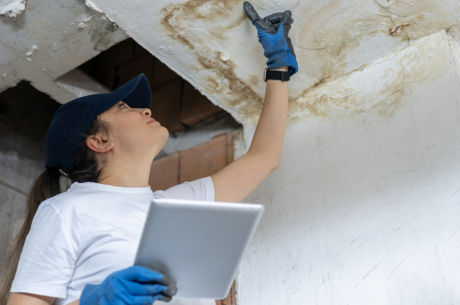
Our technicians perform a visual inspection of the affected and surrounding areas to look for obvious signs of water damage. However, we never stop at what we can see.
We then bring in non-invasive moisture meters to quickly scan walls, floors, and ceilings—even if they look completely normal on the surface.
2. Mapping Out the Wet Areas
Moisture doesn’t stay where the original leak occurred; it can migrate along framing, seams, and gravity paths. Using our moisture meters, we:
- Identify the full extent of moisture spread
- Create a moisture map of wet and dry zones
- Determine which building materials are affected (drywall, insulation, wood, etc.)
This allows us to design a targeted structural drying plan instead of guesswork.
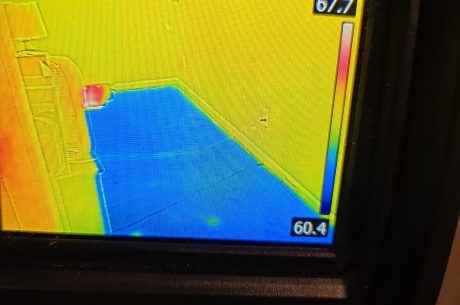
We also frequently pair our meters with thermal imaging cameras, which help locate temperature differences that often indicate hidden moisture behind surfaces. Want to learn more about how we use thermal imaging? Keep an eye on our PuroClean of Ann Arbor blog for related posts on infrared imaging and water damage detection.
3. Setting Up the Right Drying Equipment
Moisture meter readings help us choose:
- How many air movers are needed
- Where to place dehumidifiers
- Whether specialty drying equipment (such as floor mat systems) is required
Because we know exactly where the moisture is and how severe it is, we can focus our efforts efficiently, which often shortens the drying time and reduces the risk of secondary damage.
4. Monitoring Drying Progress
We don’t just set up equipment and leave. Our technicians return regularly to:
- Re-check moisture levels with the same meters
- Compare readings to baseline “dry standard” levels
- Adjust equipment placement or quantity as needed
Each reading is documented, providing you—and your insurance company—with clear evidence that your property has been dried correctly.
5. Final Verification and Documentation
Before we say the job is done, we conduct a final moisture inspection to ensure all materials have returned to acceptable moisture levels. This step is critical to preventing future mold problems and giving you peace of mind.
All readings and notes are compiled into a detailed report that you can use for insurance claims and future reference.
Why Homeowners Can’t Reliably Detect Hidden Water Damage on Their Own
We sometimes hear, “I touched the wall and it feels dry,” or “The floor looks fine, so I think it’s okay.” Unfortunately, that can be misleading.
Here’s why DIY methods fall short:
- Surface drying: The exterior of a wall can feel dry while the insulation and studs behind it remain saturated.
- Limited access: You can’t easily see into wall cavities, behind cabinets, or under flooring.
- No moisture baseline: Without professional tools and experience, it’s hard to know what “normal” moisture levels look like for different materials.
- Hidden migration paths: Water can travel several feet away from the source through cracks, seams, and gravity.
Professional moisture meters, infrared cameras, and industry training help us identify and address problems that would otherwise be completely overlooked.
If you’ve had a roof leak, plumbing issue, appliance overflow, or basement seepage in your Ann Arbor home, it’s smart to schedule a professional water damage inspection even if everything appears dry.
You can also read our related article on basement flood cleanup near Ann Arbor on the PuroClean of Ann Arbor blog for more insight into how deeply water can penetrate building materials during a flooding event.
How Advanced Moisture Detection Protects Your Home and Health
Using advanced moisture meters to detect hidden water damage delivers several key benefits to homeowners in Ann Arbor and surrounding communities:
- Early Problem Detection
- Find issues before they cause visible staining, sagging ceilings, or warped floors.
- Prevent mold growth by addressing moisture early.
- Cost Savings
- Targeted drying and repairs reduce demolition and reconstruction.
- Lower chance of long-term structural damage and secondary issues.
- Better Insurance Outcomes
- Detailed moisture readings and documentation help support water damage claims.
- Clear evidence that proper drying was completed according to professional standards.
- Healthier Indoor Environment
- Reduced risk of mold and mildew-related odors and allergens.
- Helps protect sensitive individuals, such as children, older adults, and those with asthma or allergies.
- Peace of Mind
- Knowing that your home has been thoroughly inspected with professional tools gives you confidence that hidden moisture isn’t lurking behind your walls.
For additional information on how damp indoor environments and mold can affect health, agencies like the Centers for Disease Control and Prevention (CDC) provide helpful guidance and resources.
When Should You Call PuroClean of Ann Arbor?
You don’t need standing water in your home to warrant a professional inspection. Contact PuroClean of Ann Arbor for advanced moisture detection if:
- You’ve recently experienced a pipe leak, appliance overflow, roof leak, or basement seepage
- You notice musty odors, even if you can’t see mold
- There are discolored spots, bubbling paint, or soft drywall
- Your hardwood floors are cupping, buckling, or warping
- You want a post-repair or post-remediation inspection for peace of mind
Our team will arrive with professional moisture meters, thermal imaging, and industry-standard tools to provide a thorough, technology-driven assessment of your property.
Why Choose PuroClean of Ann Arbor for Water Damage Restoration?
There are many reasons homeowners trust PuroClean of Ann Arbor when it comes to water damage, hidden moisture, and mold concerns:
- Local expertise with Ann Arbor’s unique climate, frequent freeze-thaw cycles, and seasonal weather patterns that contribute to leaks and moisture issues.
- Advanced equipment, including professional-grade moisture meters, thermal imaging cameras, air movers, and dehumidifiers.
- IICRC-certified technicians trained in water damage restoration and structural drying best practices.
- Compassionate service, clear communication, and support throughout the insurance claim process.
- A commitment to educating our customers, supported by helpful blog content on topics like
- Top Causes of Water Damage in Ann Arbor Homes (Especially During Winter)
- Basement Flood Cleanup Near Ann Arbor
- How Infrared Imaging Helps Detect Water Damage (coming soon, or as applicable).
We’re not just here to clean up the damage—we’re here to help you understand what happened, why it happened, and how to prevent it in the future.
If you suspect hidden water damage in your home—whether it’s a past leak, a recurring musty odor, or unexplained wall or floor changes—don’t wait for the problem to worsen.
Contact PuroClean of Ann Arbor today for a professional water damage inspection using advanced moisture meters and thermal imaging technology. We’ll help you uncover what your eyes can’t see and guide you through the next steps to protect your home and family.
FAQs: Moisture Meters and Hidden Water Damage
1. How do I know if I have hidden water damage in my home?
Common signs include musty odors, discolored walls or ceilings, peeling paint, warped flooring, or recent leaks from plumbing, roofs, or appliances. However, many homes have hidden moisture with no obvious signs. That’s why a professional inspection with moisture meters is so important.
2. Can’t I just buy a moisture meter and check my home myself?
Consumer moisture meters may give rough readings, but they often lack the precision, calibration, and reliability of professional-grade tools. More importantly, interpreting readings correctly requires training and experience. PuroClean technicians know where and how to test, how to establish a dry standard, and how to design an effective drying strategy.
3. Are moisture meters invasive? Will they damage my walls or floors?
We use both pin-type and non-invasive moisture meters. Non-invasive meters can scan large areas without any damage to surfaces. When we use pin-type meters, the penetration is minimal and typically limited to small, discreet areas, such as baseboards or trim.
4. How long does a moisture inspection take?
The time varies depending on the size of your home and the extent of the affected area. A basic inspection might take under an hour, while larger or more complex losses can take longer. Our priority is to be thorough so we don’t miss any hidden moisture.
5. Do you provide documentation for my insurance company?
Yes. PuroClean of Ann Arbor provides detailed moisture readings, photos, and drying logs that you can share with your insurance adjuster. This documentation supports your claim and demonstrates that proper steps were taken to dry and restore the property.
6. Is it really necessary to call professionals if everything looks dry?
Yes—especially if you’ve had any kind of water incident. Moisture can remain hidden inside building materials long after surfaces feel dry to the touch. Using advanced moisture meters allows us to confirm whether your home is truly dry and safe or if additional steps are needed.
By using advanced moisture meters to detect hidden water damage, PuroClean of Ann Arbor helps homeowners avoid surprise repairs, health risks, and costly mold issues down the road. If you’re unsure about the condition of your property after a leak or water event, reach out to us—we’re here to help.
 PuroClean of Ann Arbor