


Table of Contents
Basement flooding from a sump pump failure is one of those “it won’t happen to me” scenarios until it does. When your basement flooded, the damage can be expensive, stressful, and — worst of all — sometimes not covered by your standard homeowners policy. This guide explains what insurers commonly cover (and what they don’t), what you should do immediately if your basement flooded, and how to protect your home and finances moving forward. It’s written with Ann Arbor homeowners in mind and includes practical, AEO-friendly advice to help readers take action confidently.
Quick answer: is a sump pump failure covered?
Short answer: Usually not, unless you’ve added the right coverage.
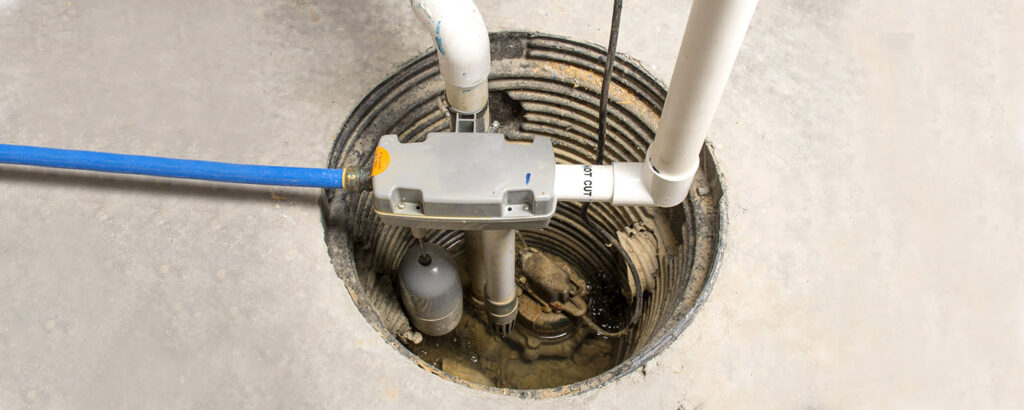
Most standard homeowners insurance policies do not automatically cover damage caused by sump pump overflow, failure, or sewer backup. Those scenarios are typically handled by optional endorsements — often called water backup or sump pump failure coverage — or by a separate flood insurance policy when water enters from outside (groundwater, surface water, heavy rain).
Why insurance denials happen when a basement flooded
Insurers separate water losses into different categories, and coverage depends on the source of the water:
- Plumbing or appliance failure (covered) — sudden internal plumbing failures are usually covered.
- Water backup or sump pump failure (optional) — often excluded unless you purchase an endorsement.
- Groundwater/surface water (flood) (not covered by homeowners) — requires NFIP or private flood insurance.
- Neglect or maintenance issues (denied) — if the insurer determines damage resulted from lack of maintenance, a claim can be denied.
Because of these distinctions, when a basement flooded after a sump pump failed, many homeowners discover they’re missing the specific endorsement that would pay for cleanup, equipment replacement, and property damage.
What to check on your policy right now
If your basement flooded or you want to prepare for that possibility, review your policy and ask your agent:
- Do I have water backup, sewer backup, or sump pump overflow endorsement?
- What is the coverage limit and deductible for that endorsement?
- Does my policy cover mold remediation that results from water damage? (often limited or excluded)
- If water came in from the outside, do I have flood insurance (NFIP or private)?
- Does my homeowners policy include equipment breakdown coverage that might apply to a failed pump?
Write the answers down and save them with your home records.
If your basement flooded — step-by-step actions
When your basement flooded, fast action matters. Below is a prioritized action checklist you can follow immediately.
Safety first
- Turn off electricity at the main breaker only if it’s safe to do so. Water + electricity = deadly risk.
- Avoid walking through contaminated water (sewage, chemicals) without protective gear.
Document everything
- Take photos and video of the water level, damaged items, and any visible cause (e.g., failed pump, clogged discharge).
- Keep receipts for any emergency repairs or temporary housing.
Stop the source
- If the pump failed, try to stop the inflow (plug, redirect, or isolate) only if it’s safe.
- If sewer backup is suspected, avoid using house drains and call a plumber.
Call your insurer
- Report the claim immediately and describe the cause and damages. Provide the photos and videos you captured.
Call a professional restoration company
- Rapid extraction and drying reduce long-term damage and mold risk. PuroClean of Ann Arbor offers emergency water extraction, drying, and sanitation services to minimize further loss.
Mitigate but don’t make permanent repairs
- Move dry valuables to a safe location. Remove soggy carpeting or drywall only if your insurer advises — keep samples for inspection.
Preventive measures to lower claim risk and out-of-pocket costs
Preventing a basement from flooding is cheaper than cleaning up after one.
- Install a battery backup or water-powered backup for your sump pump. Battery backups keep the pump running during power outages; water-powered backups work without electricity.
- Install a high-water alarm in the sump pit to alert you to rising water levels.
- Have a secondary pump or a professionally maintained dual-pump system.
- Test and maintain your pump regularly — clear debris, check float switches, and document maintenance.
- Add the water backup endorsement to your homeowners policy — it’s often inexpensive relative to the cost of repairs.
- Consider flood insurance if you’re in a flood-prone area (NFIP or private market).
Local context: Why Ann Arbor homeowners should pay attention
Ann Arbor’s seasonal thaw, heavy storms, and older neighborhoods with combined sewer systems mean sump pumps are a common first defense for many basements. If your home is near low-lying areas or has a history of basement flooding, the water backup endorsement and a flood insurance review should be high priorities.
If you’d like, PuroClean of Ann Arbor can help document damage, provide mitigation services, and give a restoration estimate you can use for insurance claims.
Helpful Resources (PuroClean of Ann Arbor)
For more on preventing and responding to basement water issues, check out these related posts on the PuroClean of Ann Arbor blog:
- The Hidden Risks of a Basement Flooded With Sump Pump Overflow
- How to Prevent Mold in Basements, Crawl Spaces, and Attics — long-term moisture control and mold prevention.
- Top 7 Tips for Choosing the Best Flood Damage Restoration in Ann Arbor — choosing a restoration pro and what to expect.
For official guidance and to learn more about insurance programs, start here:
- FEMA / NFIP — for flood insurance basics and flood maps.
- Insurance Information Institute (III) — for homeowner and water damage coverage explanations.
- CDC — for health guidance on cleanup and mold prevention.
FAQ
Q1: Will homeowners insurance pay to repair my basement if my sump pump failed?
A: Not automatically. Most homeowners policies exclude sump pump and sewer backup damage unless you purchase a water backup or sewer backup endorsement. If water entered from outside (groundwater or surface water), you’ll likely need flood insurance.
Q2: How much does water backup coverage cost?
A: Costs vary by insurer and limits, but water backup endorsements are typically inexpensive (often a few dozen to a few hundred dollars per year). Check with your agent for exact pricing and limits.
Q3: My basement flooded and now I see mold. Will insurance cover mold remediation?
A: Some policies offer limited mold coverage if the mold resulted from a covered water loss, but many policies cap or exclude mold. Document the timeline and contact your insurer promptly; professional drying within 24–48 hours reduces mold risk.
Q4: What should I do first when my basement flooded?
A: Ensure safety (avoid electrical hazards), document the damage with photos/videos, call your insurer to report the claim, and contact a restoration company for emergency mitigation.
Q5: Is flood insurance different from homeowners insurance?
A: Yes. Homeowners insurance generally doesn’t cover flooding from the ground or surface water. Flood insurance (NFIP or private) covers damage from rising water, storm surges, and groundwater intrusion.
Conclusion
When a basement flooded, the difference between a manageable claim and a disastrous out-of-pocket expense often comes down to preparation: the right insurance endorsements, documented maintenance, and fast mitigation. If your basement flooded now or you want a prevention plan, PuroClean of Ann Arbor offers 24/7 emergency water extraction, structural drying, and insurance-friendly documentation.
Call PuroClean of Ann Arbor at 734-926-5900 or click to schedule an assessment — we’ll help document the loss, begin mitigation, and provide a restoration estimate you can submit to your insurer.