 PuroClean of Ann Arbor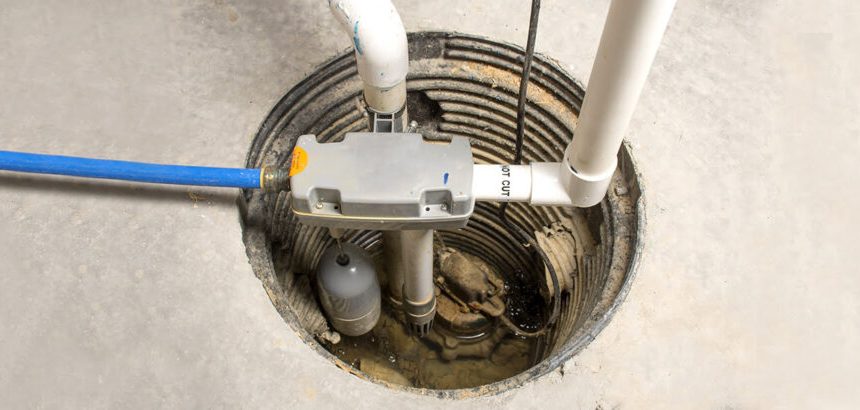
Table of Contents
Basement Flooded With Sump Pump? Here’s What Homeowners Should Do First
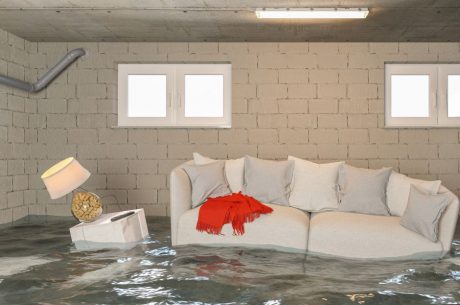
A basement flooded with sump pump installed is one of the most frustrating situations for any homeowner. You rely on your sump pump to protect your home during storms, snowmelt, or heavy groundwater pressure. But when the pump fails, water can enter quickly, sometimes within minutes causing structural damage, soaked belongings, and high restoration costs.
This expanded guide walks you step-by-step through exactly what to do, how to avoid safety hazards, how to prevent mold growth, how to repair pump issues, and when to bring in professionals like PuroClean of Ann Arbor.
Quick Answers
Why did my basement flood even with a sump pump?
Usually due to power outages, clogged discharge pipes, overwhelmed pumps, broken float switches, frozen lines, aging equipment, or improper installation.
Is basement water from sump pump failure dangerous?
Yes, it may contain bacteria, soil, groundwater contaminants, and electrical hazards.
How soon can mold grow after a basement flood?
Within 24–48 hours, especially in humid basement environments.
Should I call professionals for sump pump flooding?
Yes if water is deeper than 1 inch, covers a wide area, or keeps returning due to pump failure.
1. Put Safety First Before Going Into the Basement
A flooded basement poses serious safety risks. Before stepping in:
- Turn off the electricity at the main breaker
- Avoid touching outlets or cords submerged in water
- Wear waterproof boots and gloves
- Avoid entering if water is near electrical panels, furnaces, or appliances
If the breaker panel is located in the basement, do not enter. Contact a licensed electrician to shut it off safely.
2. Determine Why Your Basement Flooded Even With a Sump Pump Installed
Understanding the cause helps prevent repeat flooding. The most common reasons include:
Power Outages
Storms often cut electricity. Without power, your sump pump cannot function unless you have a battery backup or water-powered backup pump.
Pump Overwhelmed by Volume
During heavy rainfall, groundwater levels rise quickly. A standard pump may be underpowered for the water load.
Float Switch Failure
This small component can get stuck, causing the pump not to activate.
Clogged Pump Intake or Screen
Debris, dirt, or sediment can block the pump intake and prevent operation.
Frozen or Clogged Discharge Line
Very common in Michigan winters, ice or soil blocks the line, forcing water back into the basement.
Aging or Burned-Out Pump
Sump pumps last 7–10 years on average.
Improper Installation
Incorrect pit size, wrong pump horsepower, or poor discharge routing can all contribute to failure.
For more insight on sump pump failure causes, visit: https://www.puroclean.com/ann-arbor-mi/blog/sump-pump-failure-ann-arbor/
Need Immediate Help?
If your sump pump is failing and water is spreading, PuroClean of Ann Arbor provides 24/7 emergency water extraction and professional cleanup to stop the damage fast.
3. Stop the Water Source if Possible
The next step is addressing the water source:
- For groundwater flooding: fix or restart the pump
- For burst pipes: shut off the home’s main water supply
- For heavy rain: divert water away from the foundation
- For drain backups: avoid using plumbing until cleared
For guidance on safely shutting off water: https://www.redcross.org/get-help/how-to-prepare-for-emergencies.html
4. Remove Standing Water as Quickly as Possible
Floodwater spreads rapidly, seeping into walls, insulation, carpet, and flooring. The longer it sits, the more damage it causes.
Homeowners can begin basic extraction using:
- Wet/dry vacuum
- Submersible pump
- Buckets & mops
But DIY extraction often misses water trapped:
- Under flooring
- Behind walls
- Inside wall cavities
- In insulation
- In structural framing
That’s why professional extraction is recommended for anything beyond minor puddling.
For full restoration steps:
https://www.puroclean.com/ann-arbor-mi/blog/5-key-steps-expert-basement-flood-cleanup-services-take-to-restore-your-basement/
5. Start Drying the Basement Immediately
Even after water is removed, moisture lingers. The drying process must be thorough.
Professionals use:
- Commercial-grade dehumidifiers
- High-velocity air movers
- Moisture meters
- Thermal imaging to detect hidden moisture
These tools ensure the entire structure dries not just the surface.
Signs your basement isn’t fully dry:
- Musty odors
- Damp or cool walls
- Condensation
- Warping floors
- Bubbling paint
For more info on flood restoration:
https://www.puroclean.com/ann-arbor-mi/blog/flood-restoration-near-me/
6. Sanitize and Disinfect All Affected Areas
Groundwater often contains:
- Bacteria
- Chemicals
- Soil
- Fertilizer runoff
- Organic matter
All surfaces should be cleaned using antimicrobial solutions.
A great reference on safe mold and sanitation practices: https://www.epa.gov/mold/mold-cleanup-your-home
If humidity remains high for more than 24–48 hours, mold will begin developing on surfaces.
7. Inspect for Hidden Damage and Mold Growth
Even after drying, hidden moisture can remain in:
- Behind drywall
- Inside insulation
- Under carpet padding
- Beneath laminate flooring
- Inside support beams
Professionals use meters and infrared imaging to ensure all areas are moisture-free.
Signs of mold include:
- Black or green spots
- Fuzzy white residue
- Musty odors
- Respiratory irritation
Early detection prevents severe remediation costs later.
8. Repair or Replace the Sump Pump System
To prevent future flooding, evaluate your sump pump setup:
Recommended Upgrades
- Install a battery backup pump
- Add a water alarm to detect rising levels
- Have a professional clean and test the system annually
- Use a 1/2 HP or 3/4 HP pump if your home is prone to flooding
- Replace pumps every 7–10 years
- Insulate discharge pipes to prevent freezing
A fully functioning system makes a big difference in preventing repeat basement flooding.
Final Thoughts
A basement flooded with a sump pump installed is stressful, but fast action minimizes damage and restores your home safely. By ensuring proper water removal, thorough drying, sanitation, and pump maintenance, you can protect your property from long-term structural and mold damage.
Call PuroClean of Ann Arbor Today
When your basement floods, every minute counts.
PuroClean of Ann Arbor specializes in:
- Emergency water removal
- Basement flood cleanup
- Structural drying
- Mold prevention
- Moisture detection
- Sump pump–related water emergencies
- 24/7 rapid response
Call PuroClean of Ann Arbor now for immediate support and expert water damage restoration.

 PuroClean of Ann Arbor