 PuroClean of Ann Arbor
Table of Contents
Can water damage lead to mold in less than 48 hours? Yes, mold can begin to grow in as little as 24 to 48 hours after water damage occurs. This is why fast water removal and drying are critical to preventing mold growth in homes and businesses.
Understanding how fast mold grows after water damage is important for homeowners and business owners. Acting quickly with proper drying and water damage mold prevention can significantly reduce the risk of mold growth and costly repairs.
Professional restoration companies like PuroClean of Ann Arbor focus on fast emergency water damage cleanup to help prevent mold from forming in the critical first 48 hours.
In this guide, we’ll explain how quickly mold can grow after water damage, why the 48-hour window matters, and how professional restoration services like PuroClean of Ann Arbor help prevent mold before it becomes a serious problem.
How Fast Can Mold Grow After Water Damage?
Mold spores exist naturally in the air both indoors and outdoors. Under normal conditions, they remain harmless. But when moisture is introduced, mold spores can begin to grow rapidly.
Typical Mold Growth Timeline
0–24 Hours
- Water saturates materials like drywall, carpet, and wood
- Humidity levels rise
- Mold spores begin preparing to grow
24–48 Hours
- Mold colonies may begin forming
- Musty odors may appear
- Porous materials absorb moisture deeply
48–72 Hours
- Mold becomes visible in some cases
- Spores begin spreading
- Damage worsens
3–7 Days
- Mold colonies expand significantly
- Structural materials weaken
- Air quality declines
This is why restoration professionals often refer to the first 24–48 hours as the critical drying window.
Why Mold Grows So Quickly After Water Damage
Mold only needs three things to grow:
- Moisture
- Organic material
- Suitable temperature
Most homes and buildings provide all three.
Common Mold Food Sources
Mold feeds on everyday building materials such as:
- Drywall
- Wood
- Carpet
- Insulation
- Ceiling tiles
- Paper backing
- Fabric
Once these materials get wet, mold can begin forming very quickly.
What Types of Water Damage Cause Mold Fastest?
Some types of water damage create faster mold growth than others.
1. Basement Flooding
Basements are especially vulnerable because they:
- Have higher humidity
- Dry more slowly
- Have less airflow
2. Burst Pipes
Pipes can release large amounts of water quickly, saturating:
- Walls
- Flooring
- Insulation
3. Roof Leaks
Roof leaks often go unnoticed, allowing moisture to linger long enough for mold to develop.
4. Appliance Leaks
Dishwashers, washing machines, and water heaters can leak slowly over time, creating hidden mold growth.
Signs Mold May Already Be Growing
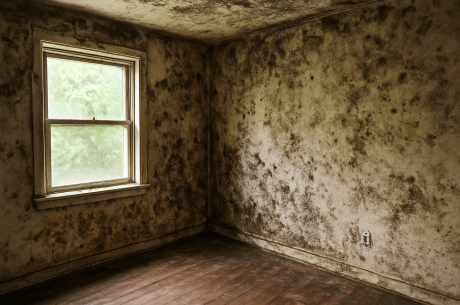
Even if mold isn’t visible yet, it may already be developing behind walls or under flooring.
Early Warning Signs
- Musty odors
- Damp materials
- Warped flooring
- Stained drywall
- Increased allergies
- Lingering humidity
If you notice these signs after water damage, mold may already be forming.
Why the First 48 Hours Are Critical
The first two days after water damage are the best opportunity to prevent mold growth.
Professional drying within this timeframe can:
- Remove excess moisture
- Lower humidity
- Prevent mold spores from spreading
- Protect building materials
- Reduce repair costs
Waiting too long can turn a simple water cleanup into a mold remediation project.
How Professionals Prevent Mold After Water Damage
Professional restoration companies use specialized equipment and techniques to stop mold before it starts.
1. Rapid Water Extraction
High-powered pumps and vacuums remove standing water quickly.
2. Industrial Drying Equipment
Air movers and dehumidifiers remove moisture trapped in materials.
3. Moisture Detection
Technicians use meters and thermal imaging to find hidden moisture.
4. Antimicrobial Treatments
Surfaces may be treated to prevent mold growth.
5. Monitoring
Drying progress is tracked to ensure moisture levels return to normal.
Companies that follow standards from the Institute of Inspection Cleaning and Restoration Certification help ensure thorough drying and mold prevention.
What Happens If Mold Starts Growing?
If mold begins to develop, the restoration process becomes more complex and expensive.
Mold remediation may involve:
- Removing contaminated materials
- Cleaning affected areas
- Air filtration
- Containment
- Structural drying
This is why quick action is always recommended after water damage.
How to Prevent Mold After Water Damage
If you experience water damage, taking immediate action can reduce the risk of mold growth.
Immediate Steps to Take
- Stop the water source if possible
- Remove standing water
- Increase airflow
- Use fans and dehumidifiers
- Remove wet materials
- Call professionals if needed
Even small amounts of water can lead to mold if not dried properly.
How PuroClean of Ann Arbor Helps Prevent Mold
When water damage occurs, fast professional response is the best defense against mold growth. PuroClean of Ann Arbor provides rapid water damage restoration services designed to stop mold before it starts.
Their process includes:
- Emergency response
- Water extraction
- Structural drying
- Moisture detection
- Sanitization
- Mold prevention
Fast response times help ensure that moisture is removed within the critical 24–48 hour window.
Can Mold Grow Without Visible Water?
Yes. Mold can grow even when surfaces appear dry.
Hidden moisture can exist:
- Behind walls
- Under flooring
- Inside insulation
- In crawlspaces
- Under cabinets
Professional drying ensures these hidden areas are properly treated.
Health Risks of Mold Exposure
Mold exposure can impact indoor air quality and may cause symptoms such as:
- Sneezing
- Coughing
- Eye irritation
- Headaches
- Respiratory irritation
Preventing mold growth helps maintain a healthier indoor environment.
FAQ
Can water damage lead to mold in less than 48 hours?
Yes, water damage can lead to mold in less than 48 hours if affected materials are not dried properly.
Can mold grow in less than 48 hours after water damage?
Yes. Mold can begin growing within 24 to 48 hours when moisture is present and conditions are favorable.
How quickly should water damage be dried?
Water damage should ideally be dried within the first 24–48 hours to prevent mold growth.
Does all water damage cause mold?
Not always, but untreated moisture significantly increases the risk of mold growth.
Can you stop mold if you act quickly?
Yes. Fast water removal and professional drying can prevent mold from forming.
What materials grow mold the fastest?
Porous materials like drywall, carpet, and wood tend to grow mold the fastest after water exposure.
Do fans prevent mold after water damage?
Fans help, but professional drying equipment is often needed to remove hidden moisture.
Key Takeaway
Water damage can absolutely lead to mold in less than 48 hours. Acting quickly is the best way to prevent mold growth and minimize damage.
If water damage occurs, immediate drying and professional restoration can make the difference between a simple cleanup and a costly mold remediation project.
 PuroClean of Ann Arbor