 PuroClean of Ann Arbor
Table of Contents
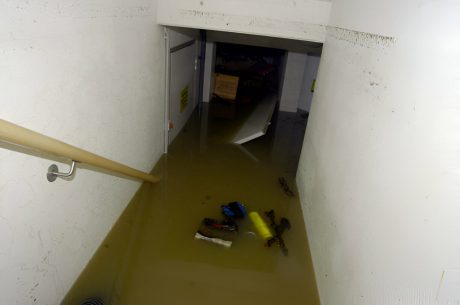
Fall in Saline, Michigan, is beautiful—but with unpredictable rain patterns and saturated ground, it’s also a critical time for homeowners to prepare for potential flooding. When heavy autumn storms strike, even a few inches of water can cause thousands of dollars in damage, destroy personal belongings, and create long-term mold issues.
At PuroClean of Ann Arbor, we’ve helped countless homeowners recover from flood and water damage across Washtenaw County, including Saline, Ypsilanti, and Ann Arbor. This guide outlines practical steps to help you safeguard your home before the next big rain hits.
Understanding Fall Flood Risks in Saline
Saline and surrounding communities sit on a mix of low-lying areas and older drainage systems that can quickly become overwhelmed during fall storms. As leaves clog storm drains and gutters, water runoff has nowhere to go—leading to backups, basement flooding, and moisture intrusion.
According to FEMA, just one inch of water in your home can cause up to $25,000 in damage. That’s why preparation isn’t just smart—it’s essential.
1. Inspect and Clean Your Gutters and Downspouts
One of the simplest yet most effective flood-prevention steps is keeping your gutters clear. When leaves and debris block your system, water spills over and seeps into your foundation or basement.
Pro Tip:
- Clean gutters every two weeks during fall.
- Check that downspouts extend at least six feet away from your foundation.
- Consider installing gutter guards to reduce buildup.
Regular maintenance now can save you from extensive water extraction and drywall repairs later.
2. Seal Your Foundation and Basement
Cracks in basement walls or floors allow moisture to seep in during prolonged rainfall. Inspect your foundation for visible cracks, both inside and out, and seal them with hydraulic cement or a waterproofing compound.
If your home frequently experiences dampness, installing a sump pump with a battery backup can prevent catastrophic water buildup when power outages occur—a common issue during storms in Southeast Michigan.
3. Improve Yard Drainage and Grading
Flood prevention starts outside. Walk around your property after a rainfall to identify pooling areas or slopes directing water toward your house.
You may need to:
- Add soil to level low areas.
- Extend downspouts underground through drain pipes.
- Install a French drain to redirect water away from the foundation.
Working with a landscape professional can help ensure long-term results.
4. Protect Valuable Items and Electrical Systems
Basements are often storage areas for family memorabilia, tools, and electronics. Unfortunately, they’re also the first to flood. To minimize damage:
- Store items in plastic bins on elevated shelves.
- Relocate electrical outlets, circuit breakers, and HVAC systems above expected flood levels.
- Move important documents, photos, and heirlooms to higher floors.
These simple precautions can drastically reduce your losses during an unexpected flood.
5. Maintain Plumbing and Sump Systems
Broken pipes, clogged drains, or sump pump failures are among the most common causes of flooding in homes. Test your sump pump at least twice a year—before spring and fall storm seasons—and consider a professional inspection of your plumbing system to detect small leaks early.
Also, check that your sump pump discharge pipe is free from blockages and directs water away from your property line.
6. Review and Update Your Insurance Coverage
Many homeowners assume that water damage from floods is covered under standard homeowner’s insurance—but that’s often not the case. Flood insurance typically requires a separate policy through the National Flood Insurance Program (NFIP).
Take time to:
- Review your current policy for flood exclusions.
- Document your home’s contents with photos or videos.
- Keep copies of important paperwork in a waterproof, fireproof safe.
This proactive step will help streamline the claims process if water damage occurs.
7. Prepare an Emergency Response Plan
If a flood warning is issued, knowing what to do can make a huge difference in safety and damage control.
Your plan should include:
- Emergency contacts (family, neighbors, insurance agent, restoration company).
- Knowledge of how to shut off water, gas, and electricity.
- A ready-to-go emergency kit with flashlights, batteries, bottled water, and essential medications.
Keep PuroClean of Ann Arbor’s **24/7 emergency number—(734) 926-5900—**handy so you can call immediately if flooding occurs.
The Hidden Dangers of Post-Flood Moisture
Even after the water recedes, the risk isn’t over. Moisture trapped behind walls, under flooring, and inside insulation can lead to mold growth within 24–48 hours. Mold not only damages property but can also trigger allergies and respiratory problems.
At PuroClean of Ann Arbor, our certified technicians use advanced moisture meters, industrial dehumidifiers, and antimicrobial treatments to ensure your home is completely dry and safe. We don’t just clean up water—we restore your home’s health and safety.
How PuroClean of Ann Arbor Can Help
When flooding hits your Saline home, every minute matters. Our team specializes in:
- Water removal and structural drying
- Mold remediation and odor elimination
- Content cleaning and restoration
- Biohazard cleanup and sanitization
We work directly with insurance companies to make the process as smooth as possible, helping you focus on getting life back to normal.
Final Thoughts
Flooding can strike any home, but preparation and a trusted restoration partner make all the difference. This fall, take proactive steps to safeguard your Saline home and prevent the stress of unexpected water damage. And if disaster does strike—know that PuroClean of Ann Arbor is ready to respond 24/7 with compassion, expertise, and care.
Call us anytime at (734) 926-5900 or visit PuroClean of Ann Arbor to learn more about our professional water and mold damage restoration services.


 PuroClean of Ann Arbor