 PuroClean of Ann Arbor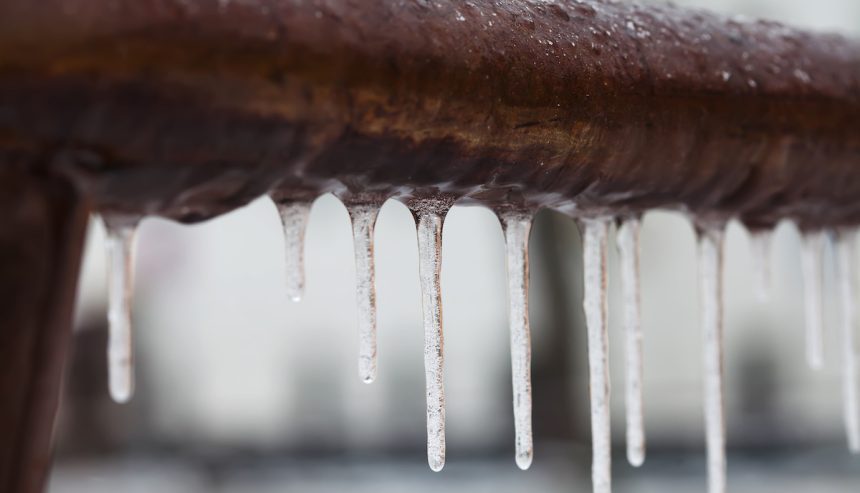
Table of Contents

- Locate the Frozen Pipe – If you’re not sure which pipe is frozen, turn on all faucets in your home. Check which faucet isn’t releasing water at all or just a trickle. The pipe leading to that faucet is likely frozen.
- Turn on the Faucet – Once you’ve located the frozen pipe, open the faucet leading to the frozen pipe. Open both the hot and cold handles. This will allow water to flow once you start thawing the pipe.
- Start Thawing Near the Faucet – When thawing a frozen pipe, the best practice is to start closer to the faucet then work your way down to the frozen section. If you start closer to the blockage, the melting ice could get stuck behind the blockage. This creates more pressure in the pipe and increases the chances of the pipe breaking.
- Thawing Exposed Pipes – There are several ways to thaw pipes that you can access:
- Point a hair dryer at the frozen pipe, starting near the faucet. Follow proper safety precautions for the dryer and don’t come in contact with water when using the dryer.
- Wrap hot towels, which have been dipped in hot water, around the frozen pipe. This method is slower, but potentially safer than the ones above.
- Apply electric heat tape directly to the pipe. This tape insulates the pipe, defrosting it. You can leave the heat tape on the pipe and turn it on/off when you need to.
- Thawing Enclosed Pipes – You can thaw pipes that you don’t have direct access to in different ways:
- Turn the heat up in your home and wait until the increased interior temperature thaws out the frozen pipe.
- Position an infrared lamp in front of the portion of the wall where the frozen pipe is located. The heat from the lamp could penetrate the wall and help the pipe defrost.
- As a last resort, cut out the section of the drywall in front of the frozen pipe to easily access it. You can then use one of the methods for thawing exposed pipes.
- Know the Risks – When trying to thaw a frozen pipe yourself using a heat source, you run the risk of injury and fire. Make sure to take proper safety measures when using electrical equipment. In addition, if you don’t start thawing near the faucet, the pipe could burst and cause water to flow into your home.
Frozen Pipes in Southeast Michigan? Here’s What You Should Do
If you suspect frozen pipes in your home or business, act quickly to minimize damage. Here’s what to do:
- Turn off the water supply to prevent further pressure buildup and potential pipe bursts.
- Inspect pipes for visible cracks or leaks.
- Apply heat gradually using a hairdryer, heating pad, or warm towels; avoid open flames.
- Open faucets to allow melted water to flow and relieve pressure.
- Contact professionals for repairs or burst pipes—PuroClean of Ann Arbor offers 24/7 emergency services. Call (734) 926-5900 for prompt assistance.
Prevent frozen pipes by insulating pipes, keeping indoor temperatures consistent, and letting faucets drip during extreme cold. Stay proactive to avoid costly repairs.
Water bursting through frozen pipes is a common sight in homes across southeast Michigan during periods of very cold weather (includes areas like Ann Arbor, Brighton, Plymouth, Ypsilanti, Dexter, Saline, South Lyon, etc.). You’d be surprised how many calls water damage restoration companies, such as PuroClean, get every winter to restore properties that are affected by frozen pipes. The remediation process requires expertise, but here’s what you can do to thaw frozen pipes and prevent water damage before it’s too late:
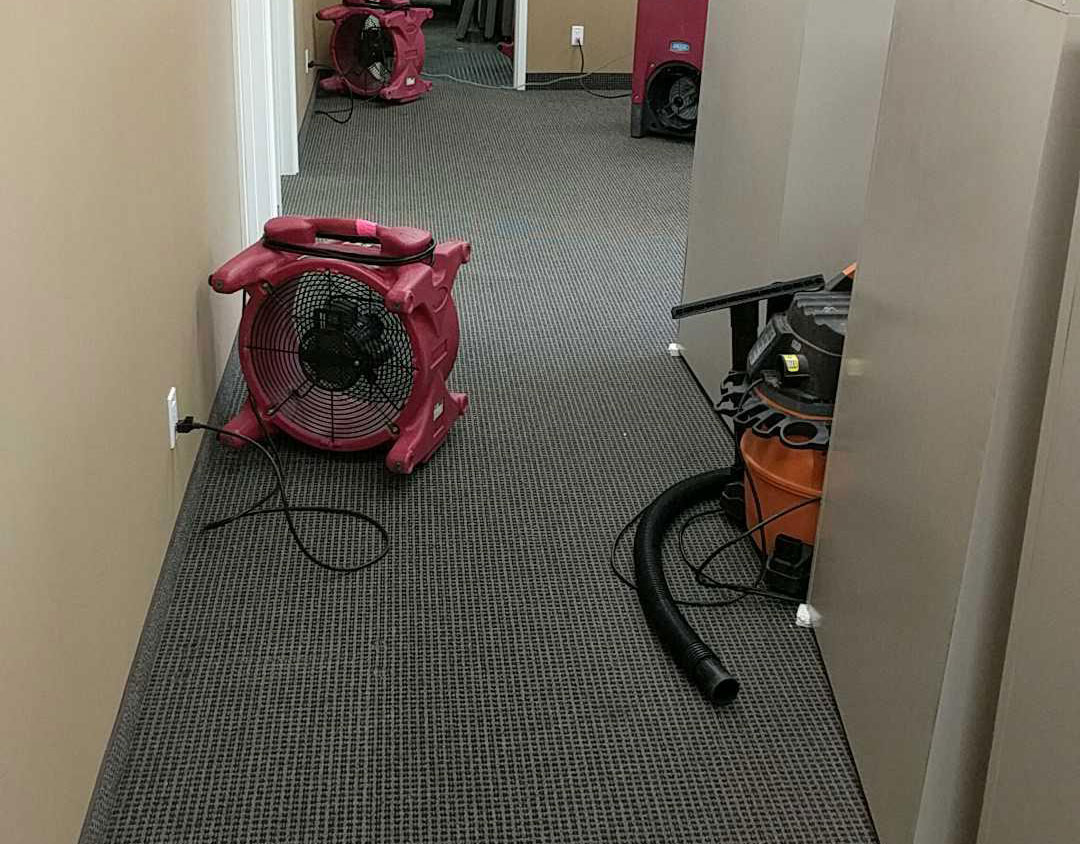
To avoid your pipes from freezing during the next cold spell, be sure to check out our tips on how to prevent frozen water pipes. For flood water damage repair and water removal services, contact PuroClean of Ann Abor.
 PuroClean of Ann Arbor