 PuroClean of Ann Arbor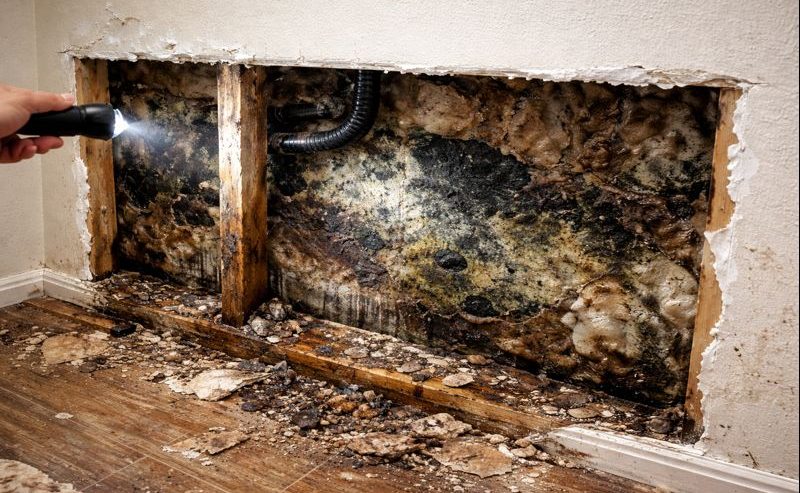
Table of Contents
When a basement water incident occurs, most homeowners focus on what they can see—standing water, soaked carpet, or damaged belongings. Once the visible water is removed, many assume the problem is solved. Unfortunately, this is where costly mistakes often begin.
Hidden moisture damage is one of the most dangerous and overlooked consequences of basement flooding. Long after surfaces appear dry, moisture can remain trapped behind walls, under flooring, and inside insulation—quietly causing mold growth, structural deterioration, and poor indoor air quality.
For Ann Arbor homeowners, understanding moisture intrusion and the importance of professional drying is critical to protecting your home and health.
What Is Hidden Moisture Damage?
Hidden moisture damage occurs when water penetrates porous building materials but isn’t visible to the naked eye. After a basement water incident, moisture commonly hides in:
- Drywall and wall cavities
- Insulation
- Subflooring and floor joists
- Baseboards and trim
- Concrete and foundation materials
Even if surfaces feel dry, moisture can remain embedded deep within these materials. Without professional detection and drying, that trapped moisture continues to cause damage long after cleanup appears complete.
Why Hidden Moisture Is Especially Common in Basements
Basements are naturally vulnerable to moisture intrusion due to their below-grade location and limited airflow. In Ann Arbor, seasonal challenges such as heavy rainfall, snowmelt, and freeze-thaw cycles increase the risk even further.
Common causes of basement moisture intrusion include:
- Foundation cracks
- Poor exterior drainage
- Sump pump failure
- Hydrostatic pressure
- Leaking or frozen pipes
Once water enters a basement, it spreads horizontally and vertically through building materials, often beyond the visible waterline.
The Real Dangers of Hidden Moisture Damage
1. Mold Growth You Can’t See
One of the biggest risks of hidden moisture is mold growth behind walls and under floors. Mold does not need standing water, only moisture and organic material.
- Mold can begin growing within 24–48 hours
- Growth often occurs out of sight
- Spores spread through the air, affecting the entire home
Without professional drying and moisture monitoring, homeowners may not discover mold until odors, health symptoms, or visible staining appear, often weeks later.
2. Structural Deterioration Over Time
Hidden moisture weakens structural components gradually, making the damage easy to miss but expensive to repair.
Moisture intrusion can lead to:
- Rotting wood framing and floor joists
- Soft or sagging subfloors
- Warped drywall and paneling
- Cracked or shifting foundations
By the time structural issues become noticeable, repairs are often far more extensive than early professional drying would have been.
3. Poor Indoor Air Quality and Health Risks
As moisture lingers, it contributes to unhealthy indoor air conditions. Mold spores and bacteria circulate through HVAC systems, affecting the entire home.
Health risks linked to hidden moisture damage include:
- Allergies and asthma flare-ups
- Chronic coughing or sinus irritation
- Headaches and fatigue
- Increased risk for children and seniors
If your basement smells musty after a water incident, hidden moisture is likely still present.
4. Higher Long-Term Repair Costs
Delaying proper moisture remediation almost always leads to higher costs later.
Hidden moisture damage often results in:
- Mold remediation expenses
- Demolition of walls or flooring
- Structural repairs
- Reduced insurance coverage due to delayed reporting
Professional drying immediately after a water incident is one of the most cost-effective decisions a homeowner can make.
Why DIY Drying Methods Fall Short
Many homeowners rely on fans, household dehumidifiers, or open windows to dry their basements. While these steps may help with surface moisture, they rarely address moisture intrusion inside building materials.
DIY methods cannot:
- Detect moisture behind walls
- Measure moisture levels accurately
- Dry insulation or subfloors effectively
- Prevent mold growth in hidden areas
Professional drying requires specialized equipment and expertise to ensure moisture is fully removed—not just redistributed.
How Professionals Detect Hidden Moisture
Certified water damage restoration professionals use advanced tools to locate moisture you can’t see.
These tools include:
- Moisture meters for wood and drywall
- Infrared thermal imaging cameras
- Hygrometers to measure humidity levels
- Moisture mapping to track affected areas
This technology allows restoration teams to identify the full extent of moisture intrusion and prevent incomplete drying.
The Role of Professional Drying and Dehumidification
Professional drying goes far beyond removing visible water. It focuses on restoring normal moisture levels throughout the structure.
Key steps include:
- Targeted water extraction from affected materials
- High-capacity air movers to promote evaporation
- Industrial dehumidifiers to remove moisture from the air
- Continuous monitoring to ensure proper drying
This controlled process prevents secondary damage and ensures moisture does not remain trapped.
Why Ann Arbor Homes Are at Higher Risk
Homes in Ann Arbor face unique moisture challenges due to:
- Older construction with porous materials
- Clay-heavy soil that retains water
- Seasonal freeze-thaw expansion
- High water tables in some neighborhoods
These factors make professional moisture remediation especially important after any basement water incident.
When to Call a Professional After a Basement Water Incident
You should contact professional drying services if:
- Water reached drywall, insulation, or flooring
- The water incident lasted more than a few hours
- You notice musty odors days after cleanup
- Humidity levels remain high
- You want to prevent mold before it starts
Waiting until mold or damage becomes visible often means the problem has already escalated.
How PuroClean of Ann Arbor Handles Hidden Moisture Damage
PuroClean of Ann Arbor specializes in identifying and eliminating hidden moisture damage after basement water incidents.
Our Professional Drying Process Includes:
- Comprehensive moisture inspection and mapping
- Advanced water extraction
- Industrial-grade dehumidification
- Structural drying of walls, floors, and insulation
- Mold prevention treatments
- Detailed documentation for insurance claims
Our IICRC-certified technicians understand how moisture behaves in Michigan homes and respond with precision and urgency.
Frequently Asked Questions (AEO-Optimized)
How long can hidden moisture remain after basement flooding?
Hidden moisture can remain for weeks or even months if not professionally dried, continuing to cause damage and mold growth.
Can hidden moisture cause mold even if my basement looks dry?
Yes. Mold often grows behind walls and under flooring where moisture remains trapped and unseen.
Is professional drying really necessary?
Professional drying ensures all moisture is removed from structural materials, preventing long-term damage and costly repairs.
Does insurance cover professional drying services?
In many cases, yes—especially when drying is part of documented water damage mitigation. Prompt action improves coverage outcomes.
Don’t Let Hidden Moisture Damage Become a Bigger Problem
Hidden moisture damage is one of the most expensive consequences of basement water incidents—because homeowners don’t realize it’s there until it’s too late.
If your Ann Arbor home has experienced basement flooding or water intrusion, professional drying is not optional—it’s essential.
Call PuroClean of Ann Arbor today for expert moisture detection, professional drying, and mold prevention services.
We’re available 24/7 to protect your home from hidden moisture damage.


 PuroClean of Ann Arbor