 PuroClean of Ann Arbor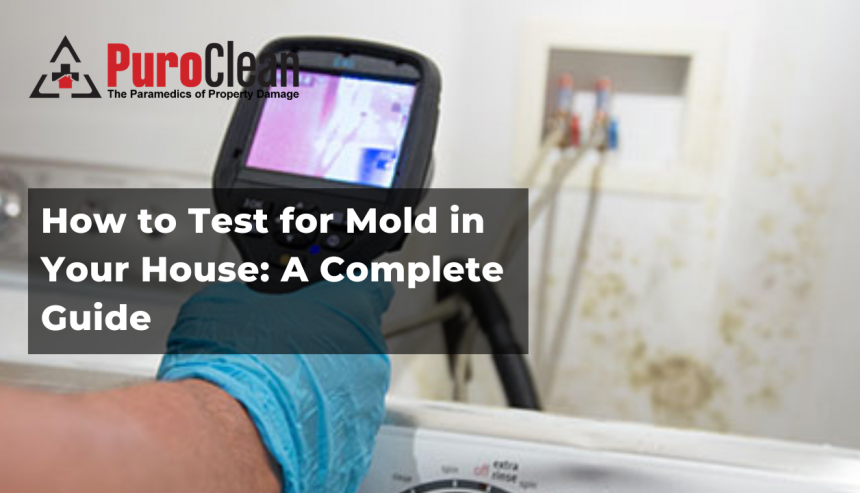
Table of Contents
How to Test for Mold in House: A Complete Guide for Ann Arbor Homeowners
Mold is one of those household problems that can hide in plain sight — or worse, stay completely hidden until it becomes a serious health or structural issue. If you’ve noticed a musty smell, unexplained allergy symptoms, or discoloration on your walls, you may already be searching for how to test for mold in house — and you’ve come to the right place.
At PuroClean of Ann Arbor, we help homeowners across Washtenaw County navigate mold concerns every day. This guide walks you through the warning signs of mold, the DIY and professional testing methods available, and when it makes sense to call in certified experts. Whether you’re in Ann Arbor, Ypsilanti, or the surrounding communities, this information is designed to help you protect your home and family.
Quick Answer
Knowing how to test for mold in house is easier than most homeowners think. To do it: (1) look for visible growth or water stains, (2) smell for musty odors, (3) use a DIY surface swab or petri dish air-quality kit, and (4) send samples to a lab for identification. For hidden or large-scale mold, hire a certified professional who can use air sampling, bulk testing, and thermal imaging to detect mold behind walls and in HVAC systems.
Why Mold Testing Matters
Mold spores are a natural part of every environment — they exist indoors and outdoors, and at low levels they’re generally harmless. The problem begins when moisture allows spores to multiply rapidly in enclosed spaces. Once that happens, mold can spread quickly through wall cavities, HVAC ductwork, and flooring — often without any visible signs.
For Ann Arbor residents, the region’s humid summers and snowy winters create the kind of moisture conditions where mold thrives. Basements, crawl spaces, and older homes with less-effective vapor barriers are especially vulnerable.
Untreated mold can cause:
- Respiratory problems including coughing, wheezing, and shortness of breath
- Worsening of asthma and allergy symptoms
- Headaches, fatigue, and skin irritation
- Structural damage to drywall, wood framing, and insulation
- Reduced indoor air quality affecting the entire household
Warning Signs You Need to Test for Mold
Before you begin any testing, you should know what to look — and smell — for. Some of the most reliable indicators of a mold problem include:
1. A Persistent Musty Odor
A musty, earthy smell is one of the earliest and most reliable signs of active mold growth. If you notice this odor in your basement, bathroom, closet, or near HVAC vents — especially when the system runs — mold may already be growing out of sight. Note which rooms smell strongest; this helps pinpoint where testing is most critical.
2. Visible Discoloration or Spots
Mold can appear in many colors — black, green, gray, white, or orange. Look for fuzzy or velvety patches on walls, ceilings, grout, around window frames, under sinks, and behind appliances. Keep in mind that not all black stains are mold, and not all mold is visible. Testing confirms what your eyes cannot.
3. Water Damage History
Has your home experienced flooding, a burst pipe, a roof leak, or slow plumbing drips? The Federal Emergency Management Agency (FEMA) notes that mold can begin developing within 24 to 48 hours of moisture exposure. Even if the water damage was addressed, mold may still have taken hold behind walls or under flooring.
4. Unexplained Health Symptoms
If you or your family members are experiencing unexplained allergy flare-ups, chronic sinus congestion, frequent headaches, or respiratory issues that seem to improve when you leave the house, mold could be the culprit. This is especially important for households with children, elderly residents, or individuals with compromised immune systems.
5. Warped or Stained Surfaces
Bubbling paint, warped wood floors, water stains on ceilings, or soft spots in drywall are all signs of moisture intrusion — and wherever moisture exists long enough, mold follows. These are strong signals to test the area before undertaking any repairs.
How to Test for Mold in Your House: DIY Methods
If you want to take the first step yourself, there are several DIY methods available. These can be useful for an initial screening, but it’s important to understand their limitations — DIY kits can produce false positives and typically cannot detect hidden mold behind walls or within HVAC systems.
Method 1: The Bleach Swab Test (Visual Confirmation)
This is the quickest way to check whether a visible stain is mold or ordinary dirt. Here is how to do it:
- Put on disposable gloves, an N95 mask, and safety glasses before you begin.
- Mix one part household bleach with 16 parts water in a small bowl.
- Dip a cotton swab into the solution and gently dab the suspicious area.
- If the spot quickly lightens or fades, it is likely mold. If it remains dark, it is probably dirt or grime.
Important: This test only confirms whether visible growth is mold. It does not tell you the type of mold, how much is present, or whether it has spread beyond the surface you tested.
Method 2: Surface Swab or Tape-Lift Test Kits
Surface test kits are available at most hardware stores for $10–$50. They use a swab or sticky tape to collect samples from a visible mold area. After collection, the sample is either processed in an included petri dish or mailed to a certified lab. Lab analysis typically identifies the specific mold species and takes 1–3 business days to return results. These kits are best used when you can already see mold and want to know what type it is.
Method 3: Petri Dish Air Quality Test Kits
Air quality test kits (such as the MOLD ARMOR Do It Yourself Test Kit) are designed to detect airborne mold spores — even when no visible growth is present. Here is how they work:
- Prepare the included petri dish by adding the mold growth medium (potato dextrose).
- Place the open petri dish in the room you want to test — leave it uncovered for one hour.
- Replace the lid and allow the dish to incubate for 48–96 hours.
- If mold grows in the dish, spores were present in the air at the time of testing.
- Optionally, mail the dish to a lab for species identification.
Note: Because all homes contain some airborne mold spores, a positive result from an air test does not automatically mean there is a problem. Context and follow-up professional analysis matter.
Method 4: HVAC and Duct Testing
Your heating and cooling system can be a highway for mold spores — circulating them throughout your entire home. Some DIY kits allow you to tape a prepared petri dish over an air exhaust vent to capture particles coming from the ductwork. If you suspect your HVAC is involved, professional inspection is strongly recommended because mold inside ductwork requires specialized equipment and techniques to identify and address.
Professional Mold Testing: What to Expect
While DIY testing can provide a useful starting point, professional mold testing offers a level of accuracy and comprehensiveness that no at-home kit can match. The EPA recommends that mold sampling be conducted by professionals with specific experience in designing sampling protocols, interpreting results, and recommending remediation.
A certified mold inspector uses the following techniques:
Air Sampling
Professionals collect air samples from multiple locations in your home — typically indoors and outdoors — then send them to a medical-grade lab for comparison. This reveals which mold species are present and at what concentrations. High-quality professional air sampling typically costs between $300 and $600 but provides far more actionable information than DIY air kits.
Surface and Bulk Sampling
Professionals use tape lifts, swabs, and bulk samples (small pieces of material like drywall, carpet, or insulation) to identify exactly what type of mold has colonized specific materials. This is especially valuable when deciding whether to clean, treat, or replace affected building materials.
Thermal Imaging and Moisture Meters
One of the biggest advantages of professional inspection is the use of non-invasive tools like infrared cameras (thermal imaging) and moisture meters. These allow inspectors to detect moisture inside walls, under floors, and in crawl spaces without tearing anything apart. This is often how hidden mold is discovered long before it becomes visible or causes major damage.
Inspection Duration and Process
A professional mold inspection typically takes two to six hours, depending on the size and condition of your home. The inspector will examine all high-risk areas — basement, bathrooms, kitchen, attic, crawl space, and around any known water damage — then provide a written assessment with recommendations.
When to Skip DIY Testing and Call a Professional
There are situations where trying to test for mold on your own is simply not enough — or could make things worse by disturbing spores and spreading them. Call a certified professional immediately if:
- Visible mold growth covers more than 10 square feet (the EPA’s threshold for professional cleanup)
- You can smell mold but cannot locate the source
- Family members are experiencing respiratory symptoms, rashes, or persistent headaches
- Your home has experienced a flood, sewage backup, or major water damage
- The suspected mold is in your HVAC system, inside walls, or in your crawl space
- You have household members who are elderly, immunocompromised, pregnant, or under age 12
- A DIY test came back positive and you need to understand the extent of the problem
Also note: the EPA recommends that the mold inspector and the mold remediation company be independent of each other to avoid any conflict of interest. When you hire PuroClean of Ann Arbor for remediation, we are fully transparent about the scope of work and coordinate with your inspector’s findings.
The Most Common Places Mold Hides in Ann Arbor Homes
Knowing where to test is half the battle. In our years of serving Washtenaw County homeowners, PuroClean of Ann Arbor has found mold most frequently in the following locations:
- Basements and crawl spaces — especially in older homes with inadequate vapor barriers
- Bathrooms — on grout, caulk, drywall, and around exhaust fans
- Under kitchen sinks and around dishwasher connections
- Attics — where poor ventilation and roof leaks intersect
- Around windows and exterior-facing walls — condensation in Michigan winters creates ideal conditions
- HVAC systems and ductwork — mold here spreads to every room
- Behind baseboards and underneath carpets after any water intrusion
- Inside wall cavities near plumbing pipes
What to Do After Testing for Mold
Test Results Are Negative
A negative result is good news, but it’s not a permanent guarantee. Continue to monitor humidity levels (keep indoor humidity below 50%), fix leaks promptly, and use exhaust fans in bathrooms and kitchens. Consider retesting if moisture conditions change.
Test Results Are Positive
Do not panic, but do act quickly. If the area is small (under 10 square feet) and on a hard, non-porous surface (glass, tile, metal), the CDC says you may clean it with a diluted bleach solution (1 cup bleach to 1 gallon of water) while wearing gloves, goggles, and an N95 mask. For anything larger, porous, or hidden, professional remediation is the appropriate step.
Remember: cleaning visible mold without addressing the underlying moisture source will not solve the problem. Mold will return unless the water issue is resolved.
Mold Prevention: Keeping Your Ann Arbor Home Protected
Knowing how to test for mold in house is reactive — the best long-term strategy is prevention. Here are the most effective steps:
- Keep indoor humidity below 50% using dehumidifiers, especially in basements
- Run exhaust fans during and after showers and while cooking
- Fix plumbing leaks, roof leaks, and foundation cracks immediately
- Ensure proper grading so rainwater flows away from your foundation
- Insulate pipes and surfaces prone to condensation
- Have your HVAC system and ductwork inspected and cleaned regularly
- After any flooding or water damage, dry affected areas within 24–48 hours
- Keep your home clean and well-ventilated — lower clutter reduces organic material for mold to feed on
Frequently Asked Questions About Mold Testing
Can I test for mold myself at home?
Yes. Learning how to test for mold in house is straightforward with DIY kits that are widely available and affordable. However, they have significant limitations — they can produce false positives, miss hidden mold, and do not identify the extent of a problem. They are useful for initial screening, but a positive result should always be followed up with professional inspection.
How much does professional mold testing cost?
Professional mold testing typically ranges from $200 to $600 depending on the size of your home, number of samples collected, and methods used. High-quality medical-grade lab analysis for air sampling generally falls in the $300–$600 range. DIY kits start at around $10–$50.
What is the difference between black mold and regular mold?
Black mold (Stachybotrys chartarum) is a specific species known for producing mycotoxins — chemicals that can cause serious health problems with prolonged exposure. It is actually relatively rare. However, any mold species can be harmful at high concentrations, particularly for those with allergies, asthma, or weakened immune systems. Color alone does not determine toxicity, which is why lab identification matters.
How long does a professional mold inspection take?
A thorough professional mold inspection typically takes two to six hours, depending on the size and complexity of the home. Your inspector will examine all high-risk areas and may collect multiple samples for lab analysis.
Does homeowners insurance cover mold testing or remediation?
It depends on the cause. Most homeowners insurance policies cover mold remediation if the mold was caused by a sudden and accidental covered event (like a burst pipe). Mold resulting from long-term neglect or flooding typically falls outside standard coverage. PuroClean of Ann Arbor works with most major insurance companies and can help you understand and navigate your claim.
Suspect Mold in Your Ann Arbor Home? Call PuroClean.
If you have discovered mold, received a positive DIY test result, or experienced any water damage in your home, the IICRC-certified team at PuroClean of Ann Arbor is ready to help 24 hours a day, 7 days a week.
We provide professional mold remediation services across Ann Arbor, Ypsilanti, Saline, Chelsea, Dexter, and throughout Washtenaw County. Our team uses HEPA filtration, advanced moisture detection, and EPA-registered disinfectants to eliminate mold and prevent it from coming back.
Call us now: (734) 926-5900 | Available 24/7 for mold and water damage emergencies.
This blog post was written by the team at PuroClean of Ann Arbor, a locally owned and operated property restoration company serving Washtenaw County. Our technicians are IICRC-certified in mold remediation, water damage restoration, and fire and smoke damage. For more information, visit Puroclean of Ann-Arbor-mi.
 PuroClean of Ann Arbor