


When your basement floods, the visible water damage is only part of the story. The hidden threat—often more dangerous than the water itself—is mold. In a city like Ann Arbor, where weather can swing from heavy rainfall to humid summers, mold prevention is a crucial aspect of any basement flood cleanup process.
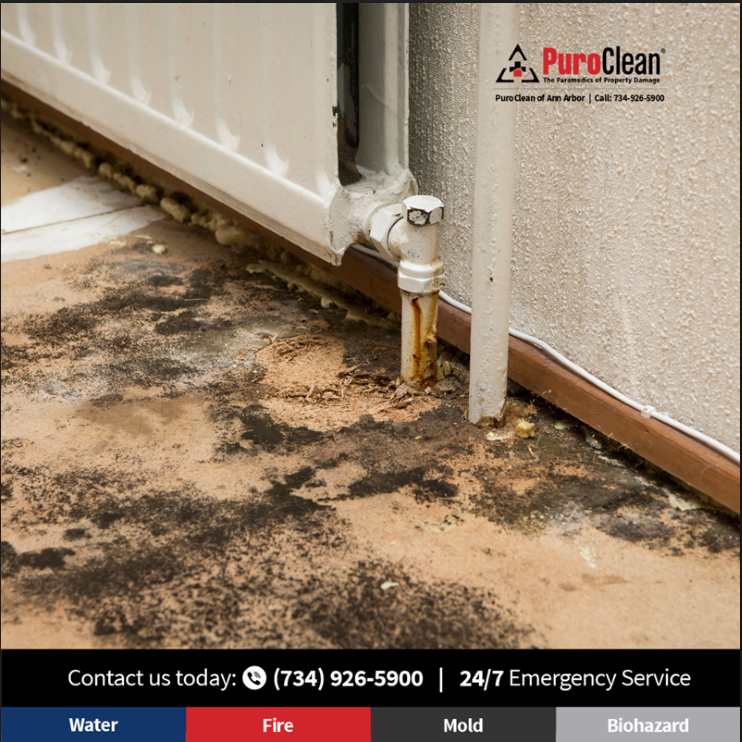
Table of Contents
Why Mold Prevention Matters
Mold spores are present in almost every environment. All they need is moisture, warmth, and organic material to grow—conditions easily met in a flooded basement. What makes mold particularly dangerous is how quickly it spreads: mold can begin forming within 24 to 48 hours of water exposure.
If not addressed promptly, mold can:
- Cause respiratory issues and allergic reactions
- Damage furniture, drywall, insulation, and flooring
- Degrade indoor air quality
- Lead to costly remediation and repairs
Ann Arbor’s wet springs, frozen winters, and humid summers make it a perfect breeding ground for mold if moisture isn’t thoroughly removed.
Timing Is Critical: The First 48 Hours
As soon as water enters your basement, the countdown begins. The first 48 hours are the most crucial for mold prevention. Unfortunately, DIY methods like shop vacs and household fans often fall short. Without commercial-grade dehumidifiers and moisture detection tools, hidden water can linger in places like:
- Behind drywall and baseboards
- Under carpets and padding
- Inside wall insulation
- Beneath subfloors
At PuroClean of Ann Arbor, we respond quickly with professional equipment to extract water, reduce humidity, and treat surfaces. Our goal is to dry the area completely before mold gets the chance to take hold.
Step-by-Step Mold Prevention Process
Here is how PuroClean of Ann Arbor handles mold prevention during basement flood cleanup:
1. Moisture Detection
We use advanced moisture meters and infrared cameras to map out wet areas that might not be visible. This step ensures nothing gets overlooked.
2. Water Extraction
We remove all standing water using high-powered pumps and extractors, followed by water removal from carpets and upholstery.
3. Structural Drying
Using industrial-grade air movers and dehumidifiers, we dry structural components like floors, joists, and drywall. The process may take several days, depending on the severity of the flooding.
4. Antimicrobial Application
We apply EPA-approved antimicrobial agents to at-risk surfaces to prevent mold spores from settling and growing.
5. Continuous Monitoring
Our team monitors moisture levels daily to ensure complete drying. We make adjustments as needed to keep humidity below mold-friendly levels.
6. Optional Mold Remediation
If mold is already present, we offer full mold remediation services. This includes containment, removal of contaminated materials, and HEPA vacuuming.
Why Local Experience Matters
PuroClean of Ann Arbor understands the specific challenges homeowners face in our region. For example, older homes near the Huron River or in low-lying areas like Burns Park or Water Hill are more vulnerable to repeated flooding. We tailor our services to address local conditions and building types.
Mold Health Risks: Not Just a Cosmetic Issue
Many homeowners underestimate mold, thinking it’s just an eyesore. In reality, mold can cause:
- Chronic coughing and sneezing
- Eye, skin, and throat irritation
- Aggravation of asthma symptoms
- In severe cases, lung infections
Young children, the elderly, and immunocompromised individuals are especially at risk. That’s why it’s vital to eliminate mold before it takes root.
Final Thoughts: Act Fast, Stay Safe
A flooded basement is more than an inconvenience—it’s a mold emergency in the making. Don’t wait until it becomes a health hazard. Partner with a certified team like PuroClean of Ann Arbor to handle water removal, drying, and mold prevention with speed and expertise.