 PuroClean of Ann Arbor
Table of Contents
Winter weather in Michigan creates serious risks for commercial and rental properties, especially in Washtenaw County. For property managers, property damage prevention in Ann Arbor is not optional—it is essential for protecting assets, minimizing tenant disruption, and controlling repair costs during the coldest months of the year.
From frozen pipes to roof leaks and heating failures, winter-related damage can escalate quickly when buildings are not properly prepared. This guide outlines proactive maintenance tips for rental properties that help property managers strengthen their winter readiness and reduce costly emergencies.
Why Property Damage Prevention in Ann Arbor Requires a Winter Strategy
Ann Arbor’s winter climate is defined by freezing temperatures, fluctuating weather patterns, and prolonged cold spells. These conditions place consistent stress on building systems—particularly plumbing, HVAC, and roofing components.
For property managers, property damage prevention in Ann Arbor buildings is especially critical because:
- Many rental properties include older infrastructure
- Vacant units are more vulnerable to frozen pipes
- Multi-unit buildings share plumbing and heating systems
- Small failures can impact multiple tenants at once
Without a clear winter plan, minor issues can turn into major losses.
1. Proactive Winter Maintenance Is the Foundation of Property Damage Prevention in Ann Arbor
The most effective approach to property damage prevention in Ann Arbor is proactive seasonal maintenance completed before freezing temperatures arrive.
Key winter preparation steps include:
- Scheduling professional HVAC inspections and tune-ups
- Confirming thermostats are operational in common areas and vacant units
- Insulating exposed pipes in basements, crawl spaces, attics, and exterior walls
- Sealing air leaks around doors, windows, and utility penetrations
- Clearing gutters and downspouts to prevent ice dams
Consistent documentation of these actions supports insurance claims and demonstrates due diligence.
2. Frozen Pipe Prevention for Rental Properties in Ann Arbor
Frozen pipes remain one of the most common winter damage issues in Michigan rental properties. A burst pipe can release thousands of gallons of water in a matter of hours, making frozen pipe prevention a core component of property damage prevention in Ann Arbor.
Property managers should prioritize:
- Pipe insulation in unheated and exterior-facing areas
- Heat tape installation in historically problematic locations
- Maintaining adequate heat in mechanical rooms
- Shutting off and draining exterior water lines
- Removing hoses from outdoor spigots
For additional local insight, our internal resource “Why Ann Arbor Homes Are Especially Vulnerable to Frozen Pipes” explains why this issue occurs so frequently in the area.
3. Tenant Policies That Support Property Damage Prevention in Ann Arbor
Tenants are often the first line of defense against winter damage. Clear policies and communication significantly strengthen property damage prevention in Ann Arbor rental properties.
Effective winter tenant policies include:
- Requiring minimum indoor temperatures during cold months
- Prohibiting shutting off heat during occupancy or extended travel
- Requiring immediate reporting of leaks or heating issues
- Providing clear emergency contact information
Sending winter-preparation reminders before the first freeze helps reduce preventable incidents.
4. Roof, Gutter, and Exterior Maintenance for Winter Property Protection
Roof and drainage system failures are another major contributor to winter property damage. Ice dams and snow buildup can cause leaks that travel unseen through ceilings and walls.
To support property damage prevention in Ann Arbor, property managers should:
- Inspect roofs for damaged shingles and flashing
- Clean gutters and ensure proper downspout drainage
- Check attic insulation and ventilation
- Monitor flat roofs for ice accumulation
Addressing exterior vulnerabilities early reduces water intrusion risks during freeze-thaw cycles.
5. Smart Technology and Monitoring for Property Damage Prevention
Technology plays an increasingly important role in property damage prevention in Ann Arbor buildings.
Helpful tools include:
- Smart thermostats for remote temperature monitoring
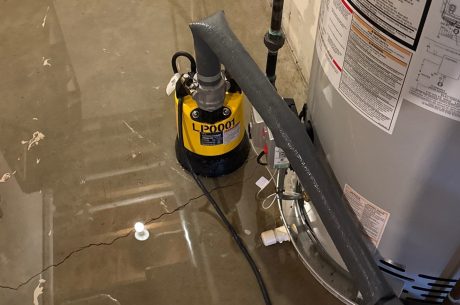
- Water leak detection sensors near boilers, water heaters, and sump pumps
- Temperature alerts for vacant units
These systems allow property managers to respond quickly before damage spreads.
6. Emergency Planning and Commercial Restoration Readiness
Even with proactive planning, winter emergencies can still occur. An effective emergency response plan is essential for property damage prevention in Ann Arbor when incidents happen unexpectedly.
Your winter emergency plan should include:
- Clearly labeled water shutoff valves
- Documented procedures for staff and vendors
- A trusted commercial restoration provider
- Pre-arranged relationships with plumbing and HVAC professionals
PuroClean of Ann Arbor provides 24/7 commercial restoration services, helping property managers mitigate winter damage quickly and restore properties with minimal disruption.
For industry education and best practices, many property managers also rely on BOMA Michigan for commercial building resources and professional support.
7. Documentation and Insurance Protection
Proper documentation plays a vital role in long-term property damage prevention in Ann Arbor, especially when filing insurance claims.
Best practices include:
- Photographing damage immediately
- Logging dates, times, and actions taken
- Keeping maintenance and inspection records
- Retaining invoices and repair estimates
Our internal guide “How to Document Water Damage for Insurance Claims — A Complete Guide” walks property managers through this process step by step.
FAQ: Property Damage Prevention in Ann Arbor During Winter
What is the biggest winter risk for rental properties?
Frozen pipes remain the most common and costly winter issue for Ann Arbor rental properties.
Are vacant units more at risk for winter damage?
Yes. Vacant units without consistent heat are a major concern for property damage prevention in Ann Arbor buildings.
How fast should restoration begin after water damage?
Immediately. Rapid response reduces secondary damage and mold growth.
Does preventive maintenance really reduce winter claims?
Absolutely. Documented proactive maintenance is one of the most effective strategies for property damage prevention in Ann Arbor.
Final Thoughts on Property Damage Prevention in Ann Arbor
Winter property damage is costly, disruptive, and often preventable. By focusing on property damage prevention in Ann Arbor, property managers can protect buildings, maintain tenant satisfaction, and reduce emergency repair expenses.
When winter damage does occur, PuroClean of Ann Arbor is available 24/7 to support property managers with professional commercial restoration services.

 PuroClean of Ann Arbor