


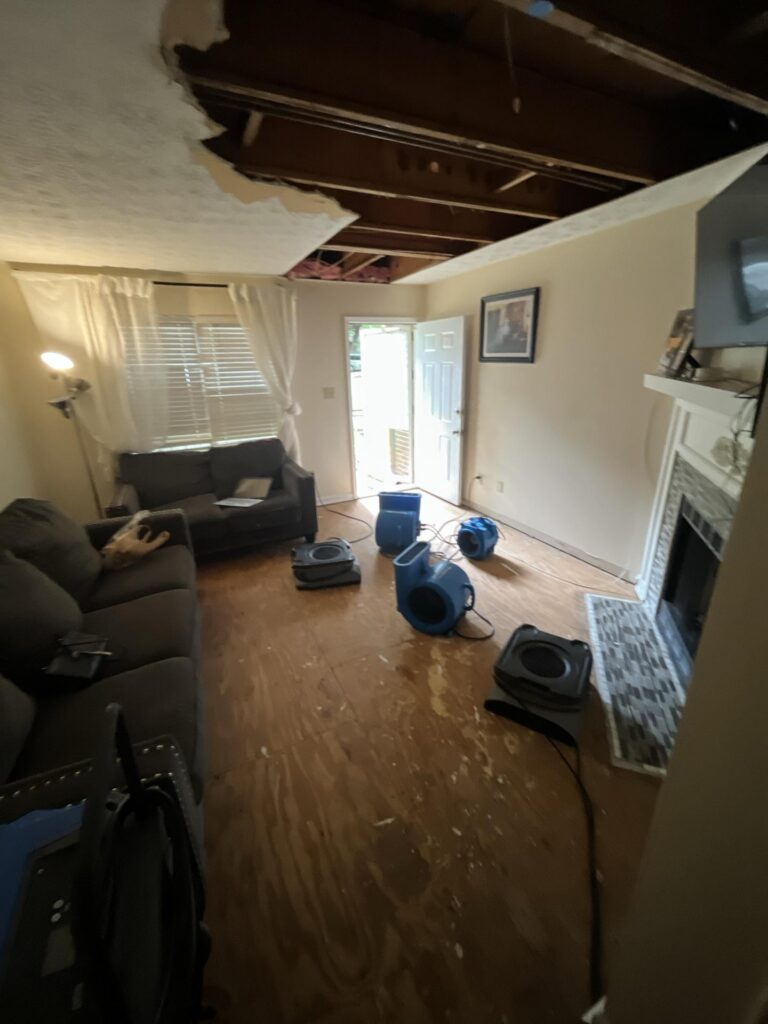
When a roof leaks in Ann Arbor, it’s easy to reach for the patch kit—after all, a quick repair seems cheaper and faster. But some leaks signal deeper issues where patchwork becomes more costly and short-lived than a full replacement. This guide helps homeowners decide wisely, weighing roof age, damage, costs, and long-term value.

Table of Contents
Roof Age: Gauging Its Lifespan
- Asphalt shingles—the most common in Southeast Michigan—typically last 20–30 years, with 25 being average.
- Metal roofs can last 40–70 years, while tile, slate, and concrete options can exceed 50–100 years .
For a roof nearing its expected lifespan—say 20–25 years for asphalt—even small roof leaks could signal a system-wide decline. In contrast, a 5‑10‑year‑old roof with a single leak may only need a repair.
Leak Patterns: Localized vs. Widespread
Localized Leaks
Issues like:
- Cracked or missing shingles
- Damaged flashing around chimneys, vents, or skylights
- Single-area ponding or flashing failure
can usually be repaired for a few hundred dollars. In Ann Arbor, a typical repair including sealant or flashings might run between $150–$500.
Recurring or Extensive Leaks
If leaks reappear, shift location, or multiple areas show moisture—especially after rain or snow—inspect for:
- Water infiltration beneath sheathing
- Attic mold or mildew
- Interior drywall staining
These indicate systemic failure and suggest a full roof replacement.
Visible Signs: Shingle & Structural Condition
Shingle Degradation
Watch for:
- Curled, cupped shingles
- Bald spots (granule loss)
- Cracking, splitting, flaking shingles
If more than 30–40% of shingles show these signs, this is an indication of severe roof leaks and the roof is past the repair stage.
Structural Integrity
In the attic, check for:
- Sagging roof deck
- Daylight visible through boards
- Mold or rot on rafters
These signals almost always mean full replacement is needed
Cost Considerations: Short‑Term vs. Long‑Term
- Repairs: Averaging $400–$1,500 depending on leak complexity; targeted fixes often stay under $1,000
- Full Roof Replacement: In Michigan and Ann Arbor, averages range $5,000–$12,000, or $3–$6 per sq ft for asphalt, increasing with premium materials .
The 30% rule: If a repair costs more than 30% of replacement, replacement tends to be a smarter investment—especially with older roofs. Two to three such repairs could easily exceed replacement cost.
Preventive Value: Ventilation, Insulation, and Efficiency
A new roof isn’t just aesthetics—it’s an opportunity for structural improvements:
- Enhanced ventilation prevents moisture and extends shingle life.
- Updated insulation and underlayment improve energy efficiency, critical in Michigan’s fluctuating temperatures.
- Cool-roof materials reflect heat, lowering summer energy costs.
These benefits offset upfront costs and reduce HVAC bills and future repairs.
Insurance & Storm Damage
Insurance often covers sudden damage (e.g., hail, windstorm), but not wear-and-tear, i.e., roof leaks. So document damage promptly—tree impact, hail, or flash-flood-forced leaks—then file a claim. If the insurance covers replacement, paying a reasonable deductible now can save thousands on recurring repairs.
Market Value & Resale Considerations
If selling soon, a new roof aids resale value—buyers appreciate a long-term roof with no immediate repair needs. Quality materials and energy-efficiency upgrades can boost buyer interest, offsetting replacement costs.
Best Time for Replacement in Ann Arbor
Ann Arbor’s prime roofing season runs from April through October, with late spring and early fall being ideal. Cooler, drier weather helps with shingle adhesion and ensures faster project completion. Although winter installs are possible, they require specialist handling and can have delays .
Hiring the Right Professional: Inspector vs. Roofer
- Independent roof inspectors evaluate impartially (cost: $600–$1,500).
- Roofing contractors often offer free estimates but may push replacements—watch out for bias.
A two‑step approach works best: hire a neutral inspector first, then get quotes from at least 3 licensed, insured roofers familiar with Ann Arbor’s building codes and weather .
Decision Flowchart
- Assess roof age
- <10 years → repair likely
- 20–25 years → replacement likely
- Inspect damage
- Single leak, good structure → repair
- Multiple leaks, widespread shingle loss → replacement
- Check attic & decking
- Dry and sound → repair
- Sagging, mold, daylight → replacement
- Estimate costs
- Repair <30% of replacement → repair
- Costlier or repeated repairs → replace
- Consider extras
- Add ventilation, insulation, energy-efficient upgrades during replacement
- Time your project
- Plan between April–October in Ann Arbor
- Use inspection & quotes
- Honor objective inspection → make informed final decision
Sample Scenarios
| Scenario | Recommendation |
|---|---|
| 8‑year‑old roof, single leak | Repair – flashings or shingle patch |
| 20‑year‑old roof, frequent stains | Replace – nearing asphalt lifespan |
| Recurring attic stains | Replace – risk of structural rot |
| Shingle granules in gutters | Replace – indicates aging shingles |
| Insurance covers hail damage | Consider full replacement |
Final Thoughts for Ann Arbor Homeowners
roof leaks are more than cosmetic—they affect your home’s structure, health, and energy efficiency. If your roof is old, shows visible damage, or leaks repeatedly, investing in a full replacement now can offer peace of mind, energy savings, and long-term cost benefits. But for newer roofs with isolated issues, repairs can suffice.
Remember:
- Use the 30% cost rule
- Schedule work in Ann Arbor’s April–October window
- Hire a neutral inspector before consulting contractors