


Table of Contents
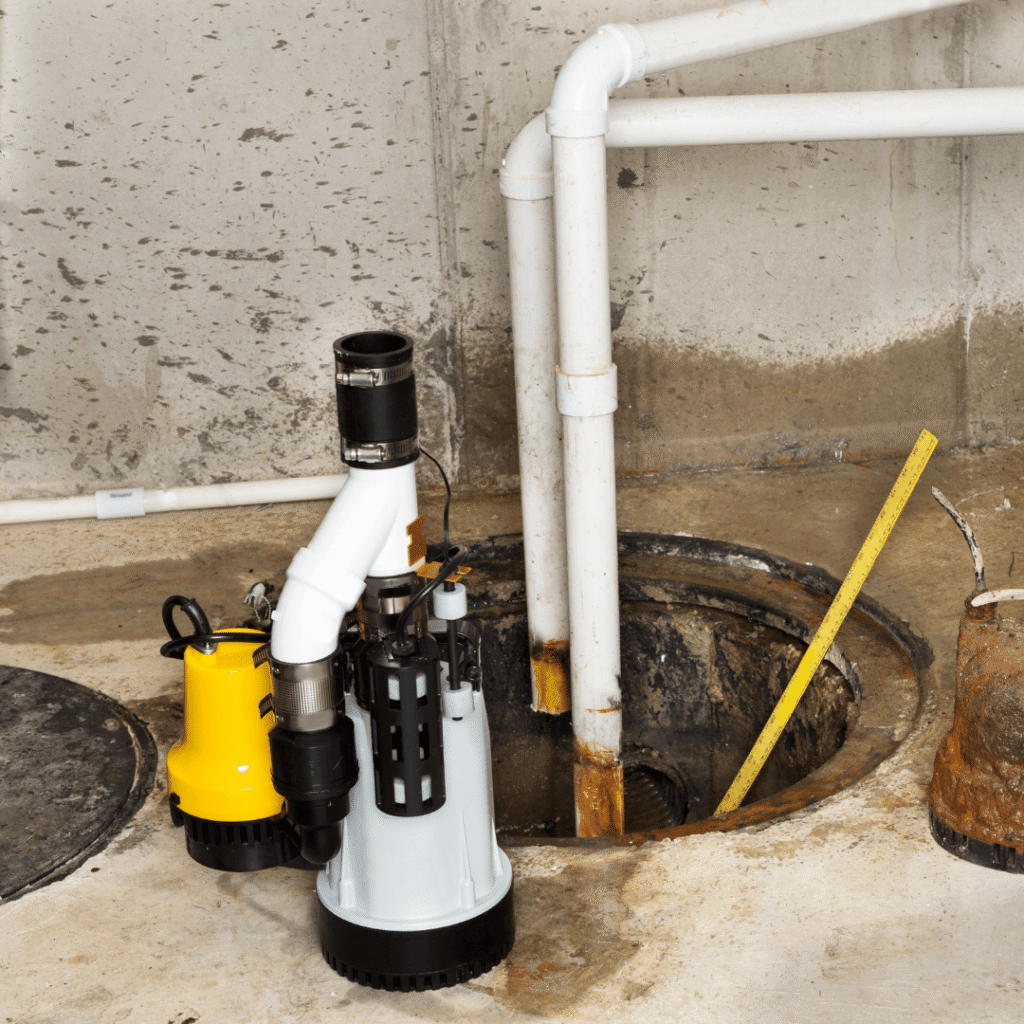
A sump pump is your basement’s first line of defense against flooding — but when it fails, the results can be devastating. In Ann Arbor and surrounding areas like Ypsilanti, Saline, and Dexter, sump pump failures are one of the most common causes of flooded basements, especially after heavy rainfall or snowmelt.
If you’ve ever walked downstairs and found several inches (or feet) of standing water, you know how overwhelming that moment can feel. This guide explains why sump pump failures happen, what to do immediately, how professionals clean it up, and how to prevent it from happening again.
What Causes a Sump Pump Flooded Basement?
Understanding why your sump pump failed helps you prevent repeat incidents. The most common causes include:
- Power Outages:
Severe storms often knock out power just when you need your sump pump the most. Without backup power, it can’t operate — leading to fast basement flooding. - Pump Overload or Undersized Units:
If your pump isn’t powerful enough for the volume of water entering your sump pit, it can’t keep up during heavy rainfall. - Clogged or Frozen Discharge Lines:
Debris or ice in the discharge pipe prevents proper water flow, forcing water back into the basement. - Switch or Float Failures:
The float mechanism tells your pump when to turn on or off. If it gets stuck, the pump won’t activate when needed. - Old or Poorly Maintained Equipment:
Sump pumps have a limited lifespan (about 7–10 years). Regular testing and maintenance are essential to keep them reliable. - Improper Installation:
Pumps installed incorrectly may not drain water efficiently or may short-circuit when wet.
Step-by-Step: What to Do When Your Sump Pump Floods the Basement
When you’re dealing with a sump pump flooded basement, quick action is crucial to minimize water damage, mold growth, and electrical hazards.
1. Ensure Safety First
- Turn off the electricity to the affected area before stepping into the water.
- If the water is deep or you suspect electrical hazards, stay out and call a professional.
- Avoid touching electrical appliances or outlets in wet areas.
2. Identify and Stop the Source
If the sump pump has stopped working:
- Check for tripped breakers or blown fuses.
- Inspect the float and remove any visible debris.
- If the motor runs but doesn’t pump water, the discharge line may be blocked or frozen.
If none of these quick fixes help, you’ll likely need professional help from a plumber or water damage restoration company like PuroClean of Ann Arbor.
3. Begin Water Removal Immediately
Water should be extracted within hours — not days. Delaying cleanup can lead to:
- Structural damage to drywall, flooring, and insulation
- Deterioration of foundation materials
- Mold and mildew within 24–48 hours
At PuroClean of Ann Arbor, our certified technicians use industrial water extraction equipment and thermal imaging to detect hidden moisture and remove it completely.
4. Dry and Dehumidify Thoroughly
Even after visible water is removed, moisture can remain trapped in walls, carpeting, and subfloors.
Professional drying involves:
- High-velocity air movers to circulate air
- Commercial-grade dehumidifiers to remove moisture
- Moisture readings to ensure complete drying
We never rely on guesswork — every step is measured and verified.
5. Sanitize and Prevent Mold Growth
Once dry, the area should be cleaned and treated with EPA-approved disinfectants to prevent bacterial growth and mold spores. Mold can begin forming within 48 hours of a flood event, making this step essential for long-term safety.
6. Document for Insurance
Take clear photos and videos of all affected areas. Most homeowner insurance policies cover water damage caused by sump pump failure, especially if you have a rider or add-on for sump pump overflow.
PuroClean works directly with most insurers to simplify the claim process, ensuring accurate documentation and faster settlements.
Professional Sump Pump Flood Cleanup: Why It’s Worth It
While DIY cleanup may seem cheaper, professional restoration ensures complete drying, mold prevention, and structure protection.
Our team provides:
- 24/7 emergency response across Ann Arbor, Ypsilanti, and nearby cities
- Certified water damage and mold remediation experts
- Advanced drying and monitoring technology
- Insurance coordination and transparent estimates
Learn more about our Water Damage Restoration Services
Long-Term Prevention Tips for Homeowners
After the cleanup, it’s time to prevent another flooded basement. Here are proven steps for lasting protection:
- Install a Battery Backup Sump Pump:
A battery system keeps the pump running during power outages — a must in Michigan storm seasons. - Add a Water-Powered Backup Pump:
These use your home’s water pressure to operate without electricity. - Perform Monthly Maintenance:
- Test the pump by pouring water into the pit.
- Clean out dirt and debris.
- Listen for unusual noises.
- Inspect the Discharge Line:
Ensure it’s clear, properly sloped, and drains far from the foundation. - Seal Foundation Cracks:
Even small cracks can allow water to seep in during high water table conditions. - Install a Basement Water Alarm:
Early detection devices alert you to rising water before it becomes an emergency. - Maintain Proper Grading Around Your Home:
The ground should slope away from your foundation to reduce water pooling.
For professional maintenance or sump pump inspection, consider partnering with PuroClean of Ann Arbor for seasonal basement protection.
Local Resources for Flood Prevention
- City of Ann Arbor Flood Safety Tips
- Washtenaw County Water Resources
- FEMA – Protect Your Home from Flooding
These resources provide additional guidance for local homeowners concerned about flooding risks and emergency readiness.
When to Call for Help
If you notice:
- Continuous water seepage even after repairs
- Damp smells or visible mold growth
- A sump pump that cycles constantly or fails to turn on
…it’s time to call the professionals. Ignoring the signs can lead to recurring damage and higher repair costs.
Trust PuroClean of Ann Arbor for Expert Flood Recovery
When your sump pump flooded basement becomes a nightmare, PuroClean is ready to respond — day or night. Our certified technicians specialize in:
- Basement water removal and drying
- Mold remediation and odor control
- Structural cleanup and sanitation
We proudly serve Ann Arbor, Ypsilanti, Saline, Dexter, and surrounding communities. Our mission is to restore your property — and peace of mind — as quickly and safely as possible.
📞 Call PuroClean of Ann Arbor 24/7 at (734) 926-5900 for emergency sump pump flood cleanup and restoration.