 PuroClean of Ann Arbor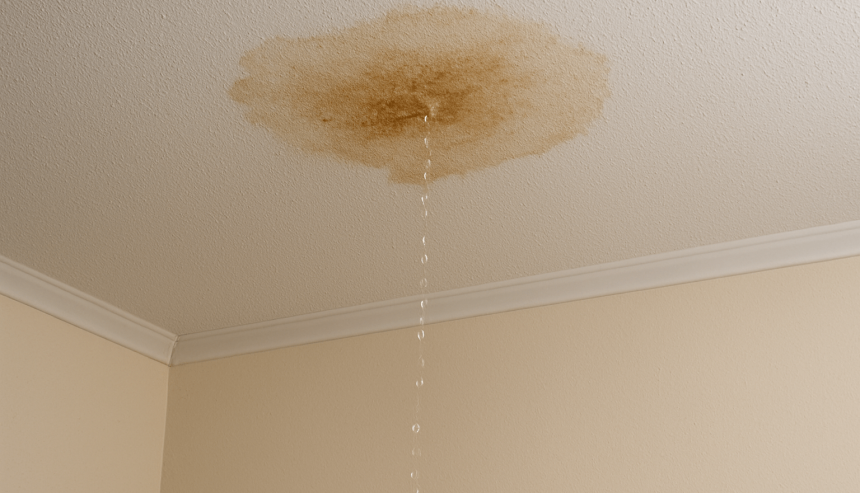
Table of Contents
A wet stain on your ceiling is one of those home emergencies that instantly raises the stress level—and rightly so. Water leaking from a ceiling can damage drywall, insulation, wiring, structure, and can quickly spark mold growth. This guide explains the most common causes, immediate fixes you can safely do, when to call pros, and how to stop leaks from returning. It’s written for homeowners in Ann Arbor and nearby communities who want clear, reliable answers and fast next steps.
Why a Ceiling Leak is urgent
Left unchecked, ceiling leaks will often escalate from a small cosmetic issue to costly structural and indoor-air problems. Moisture trapped in ceilings and attics is a major accelerant for mold—if wet materials aren’t dried within about 24–48 hours, mold growth becomes much more likely. For that reason, fast mitigation matters for health and to limit repairs.
Top causes of water leaking from ceiling
- Roof leaks — Missing or damaged shingles, cracked flashing, clogged gutters, or failed sealant around vents and skylights let rainwater enter the attic and drip down through ceilings. Roof problems are a very common cause of ceiling leaks.
- Plumbing leaks — Burst, cracked, or leaking supply/drain pipes in upstairs bathrooms, kitchens, or within ceiling cavities send water straight into ceilings. Damaged plumbing (including frozen or aging pipes) is one of the most common sources homeowners find.
- HVAC and appliance failures — Overflowing or clogged condensate lines from air conditioners, malfunctioning humidifier units, or water heaters located on upper floors can produce ceiling leaks.
- Ice dams and winter problems — In cold climates, ice dams can force meltwater under shingles and into attic spaces, leading to interior leaks.
- Structural/ventilation issues — Poor attic ventilation and insulation can cause condensation that soaks ceiling materials over time.
How to tell whether it’s a roof leak or a plumbing leak
- Location & timing: If the leak appears only during/after rain, suspect the roof. If it happens with no rain and especially when plumbing fixtures upstairs are used, suspect plumbing.
- Stain pattern: Ceiling stains directly below bathrooms or kitchens often indicate plumbing; stains toward the ridge or near eaves/penetrations often signal roof issues.
- Clues in the attic: Inspect the attic (carefully) for wet rafters, active drips, or visible roof daylight/holes—these clues help pinpoint the source.
Immediate steps to take when you find a ceiling leak
- Protect people and possessions. Move furniture and electronics out from under the drip. Put a bucket under active drips and protect floors with towels or plastic.
- Stop the water source if possible. If it’s a plumbing leak you can access, turn off the water supply to that fixture or the main water valve. If it’s a roof leak during a storm, try to keep inside areas dry and use a tarp on the roof only if it’s safe to do so.
- Contain and record damage. Photograph damage for insurance and document steps you took.
- Call emergency restoration if needed. For large leaks, active flooding, electrical hazards, or suspected sewage contamination, contact a professional water-damage restoration company immediately. The Institute of Inspection, Cleaning and Restoration Certification (IICRC) provides the industry standard for professional water-damage response and remediation.
DIY fixes you can try (short-term)
- Small ceiling bulge or blister: Carefully puncture bulging paint/plaster with a screwdriver to release pooled water into a bucket—this prevents sudden collapse and controls the mess. Then dry the area and patch later.
- Temporary roof patch: If you find a small, accessible roof failure (like a slipped shingle) and you can safely use a ladder, apply roofing cement or a temporary patch—only as a stopgap.
- Tighten or insulate pipes: If the leak is from condensation, wrap exposed chilled water lines with insulation; for small visible leaks, use a pipe repair clamp temporarily until a licensed plumber performs a permanent fix.
Safety note: Never attempt major roof repairs in bad weather or if you’re uncomfortable with heights. If the leak involves wiring or you smell gas, leave the property and call professionals.
Why professional mitigation matters
Restoration pros do more than repair surfaces—they identify the leak’s origin, dry structural cavities correctly, remove contaminated materials, and apply antimicrobial treatments when necessary. Prompt professional action follows best practices (like IICRC S500) and FEMA/EPA guidance that recommend drying wet materials quickly to reduce mold risk and secondary damage.
Prevention — how to stop future ceiling leaks
- Regular roof maintenance: Inspect shingles, flashing, vents and skylights twice a year and after major storms. Keep gutters and downspouts clear so water flows away from the roof and foundation.
- Protect plumbing: Replace aging galvanized or corroded pipes, insulate pipes in unheated spaces to prevent freezing, and regularly inspect for slow leaks.
- Maintain HVAC systems: Clean condensate drains, check drain pans, and service HVAC annually to avoid overflow leaks.
- Improve attic ventilation and insulation: Proper ventilation reduces condensation and ice dam risk; balanced insulation avoids temperature differentials that create moisture problems.
- Seasonal checks: Before winter, inspect the roof and attic; before spring, ensure gutters are clear and that the ground slopes away from the foundation. The EPA recommends fast drying (within 24–48 hours) to prevent mold after a leak—so plan for quick action if problems appear.
Insurance & costs — what to expect
Costs vary by leak source and extent. Roof repairs for small to moderate leaks typically range from a few hundred to a few thousand dollars; full roof replacement or major structural and mold remediation can be far more. If the cause is a sudden, accidental plumbing failure vs. long-term neglect, homeowners insurance may cover repair and water damage cleanup—check your policy and contact your agent promptly.
Useful resources & further reading
- EPA — A Brief Guide to Mold, Moisture, and Your Home (how quickly mold can grow and prevention tips). (US EPA)
- FEMA — Stay Safe Cleaning Up After a Flood (practical cleanup & safety steps). (FEMA)
- IICRC — S500 Standard for Professional Water Damage Restoration (industry best practices). (iicrc.org)
Recommended PuroClean of Ann Arbor blog reads
- How to Prevent Mold in Basements, Crawl Spaces, and Attics
- The Hidden Risks of a Basement Flooded With Sump Pump Overflow
FAQ — Water Leaking from Ceiling
Q: How quickly do I need to act after I find a ceiling leak?
A: Act immediately to stop the source if possible and dry the area. The EPA recommends drying wet materials within about 24–48 hours to greatly reduce mold risk. For large leaks, call a restoration pro right away.
Q: Can I just paint over the stain once it’s dry?
A: No—don’t paint until you know the cause is fixed and the area is fully dried and repaired. Paint will hide but not fix damage; trapped moisture can lead to mold and structural rot.
Q: Will my insurance cover ceiling leaks?
A: It depends on your policy and the leak cause. Sudden accidental damage (like a burst pipe) is often covered; damage from long-term neglect may not be. Document everything and contact your insurer.
Q: When should I call a professional?
A: Call a professional for large or persistent leaks, any sign of mold, electrical hazards, sewage contamination, or if you can’t safely access the source. Professionals follow industry standards to dry and restore safely.
If you’ve found water leaking from your ceiling, don’t wait—call PuroClean of Ann Arbor for 24/7 emergency water-damage mitigation, accurate source identification, fast structural drying, and professional remediation to prevent mold and long-term damage. Contact us today for a free assessment and immediate help.
 PuroClean of Ann Arbor