


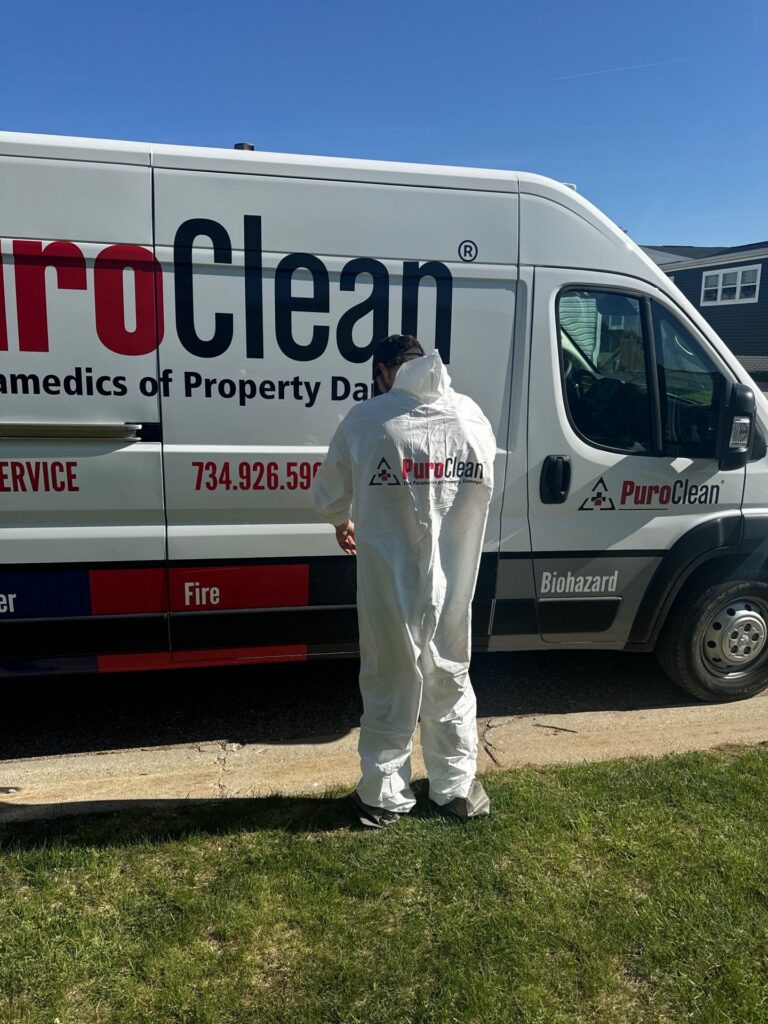
Flooding in Ann Arbor isn’t just a possibility—it’s a recurring threat. With the Huron River watershed running through the city, aging infrastructure, and increasingly unpredictable weather patterns, even moderate rainfall can quickly lead to flash floods. In fact, according to the Washtenaw County Hazard Mitigation Plan, over 6,500 properties are in high-risk flood zones, and extreme weather events are projected to rise by 30% in the coming decade.
Table of Contents
If a flood hits your home or business in 2025, knowing what to do can make all the difference. Here’s a step-by-step guide to staying safe, minimizing damage, and beginning recovery.
1. Stay Informed and Alert
Before disaster strikes, be sure to:
- Sign up for emergency alerts through Washtenaw County’s ENS system.
- Follow weather updates from NOAA and the City of Ann Arbor Emergency Management Division.
- Keep a ready-to-go emergency kit with essentials: water, non-perishables, first aid, flashlight, phone charger, and backup batteries.
Pro tip: Install a water sensor in your basement or crawl space to get notified of rising water levels before the damage spreads.
2. Protect Your Property Before It’s Too Late
If flooding is expected:
- Move valuable belongings, electronics, and important documents to higher ground.
- Shut off gas, electricity, and water only if it’s safe to do so.
- Place sandbags or weatherproof barriers around entry points like doors and garage areas.
Basement flooding in Ann Arbor is one of the most common local hazards—especially in areas near the Allen Creek floodplain. Don’t underestimate a few inches of water.
3. Avoid Unsafe Conditions
Once flooding in Ann Arbor starts:
- Never drive or walk through floodwaters. Just six inches of moving water can knock you down, and a foot of water can sweep away a car.
- Stay clear of power lines, backed-up drains, or areas where water is entering your home.
If you must evacuate, head for higher ground and notify local authorities of your location if communication is available.
4. Call PuroClean of Ann Arbor Immediately
Time is critical and flooding in Ann Arbor dangerous. Mold can begin growing within 24–48 hours, and hidden water can compromise drywall, flooring, and structural beams. The longer you wait, the worse the damage.
When you call PuroClean of Ann Arbor, our IICRC-certified team arrives promptly to:
- Extract standing water using industrial-grade pumps
- Set up commercial dehumidifiers and air movers
- Use moisture meters and thermal imaging to detect water inside walls and under floors
- Prevent mold before it takes hold
We’re available 24/7 to respond to flood emergencies in Ann Arbor, Ypsilanti, Saline, and nearby communities.
5. Document the Damage for Insurance
Proper documentation can make or break your insurance claim:
- Take detailed photos or videos of every affected area, including close-ups.
- Save receipts for any temporary repairs, cleanup efforts, or damaged items.
- Create a written inventory of property loss and call your insurance provider right away.
Many policies don’t cover flooding unless you have a separate flood insurance plan through the National Flood Insurance Program (NFIP). Know your coverage before you need it to safegaurd your investments from flooding in Ann Arbor.
6. Address Contamination and Mold Risks
Floodwater is often more than just water—it may contain sewage, bacteria, chemicals, and debris. After extraction, we fully clean and disinfect your property using EPA-registered antimicrobial agents.
We also apply mold-inhibiting treatments and inspect the entire structure using high-tech moisture detection tools to ensure your home is dry, clean, and safe. According to the CDC, mold exposure can lead to respiratory issues, especially for children, seniors, and immunocompromised individuals—don’t take chances.
7. Trust Professionals for Full Restoration
After cleanup, our team continues to support you with complete structural drying, repair, and reconstruction services. From drywall replacement to flooring restoration and painting, we help you return your property to pre-flood condition quickly and professionally.
We also coordinate directly with your insurance provider to ensure a smooth, hassle-free claims process—so you don’t have to manage the recovery alone.
Final Thoughts for Our Guide on Flooding in Ann Arbor
Flooding in Ann Arbor can happen in an instant—but your response can make all the difference. At PuroClean of Ann Arbor, we combine compassion, professionalism, and cutting-edge restoration technology to help you recover faster and safer. Whether you’re dealing with basement flooding, sump pump failure, or sewer backup, we’re here 24/7 to restore your peace of mind.
📞 Call PuroClean of Ann Arbor anytime
📍 Serving Ann Arbor, Pittsfield Township, Dexter, and surrounding areas.