 PuroClean of Ann Arbor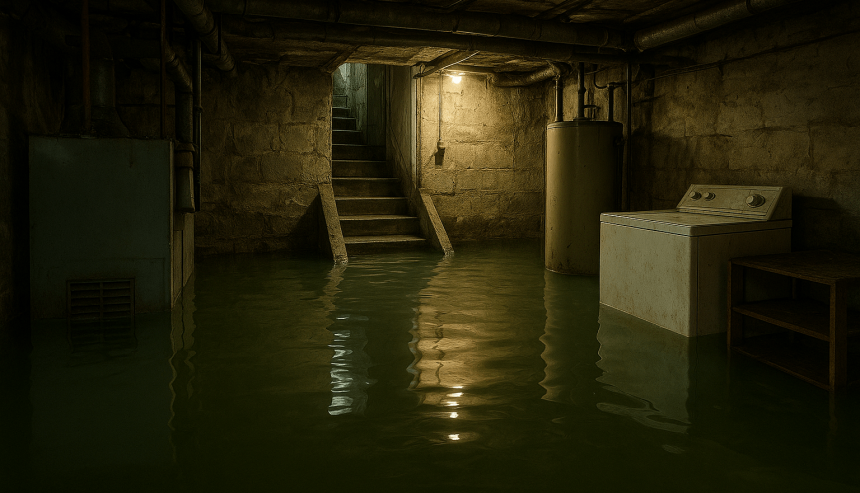
Table of Contents
Basement flooding is a major concern for many homeowners in Ann Arbor. Whether your basement is finished or unfinished, even a small amount of water intrusion can lead to expensive repairs, mold growth, structural damage, and long-term moisture issues. With Ann Arbor’s unpredictable weather patterns, clay-rich soil, and older housing inventory, it’s no surprise that basement flooding is one of the most common emergencies homeowners face.
In this guide, we break down exactly why basement flooding is so frequent in Ann Arbor—and what you can do to protect your home year-round.
Understanding Why Basement Flooding Is So Common in Ann Arbor
Basement flooding isn’t just caused by heavy rain. In fact, several environmental, geological, and structural factors make Ann Arbor particularly prone to water problems.
1. Frequent Heavy Rainfall and Intense Storm Events
Ann Arbor receives significant rainfall throughout the year, especially during spring, early fall, and sudden summer thunderstorms. These fast, powerful storms can overwhelm gutter systems, surface drainage, and even municipal storm drains. When the ground becomes saturated, it cannot absorb additional water—forcing water to seek the lowest point available: your basement.
The Midwest also experiences “rain on snow” events during winter and early spring, where warm temperatures cause rapid snowmelt combined with rain. This creates the perfect conditions for flash flooding and groundwater infiltration.
2. High Groundwater Levels Across the Region
Ann Arbor’s natural landscape, especially in areas near the Huron River and wetlands, has a high groundwater table. Even if you don’t live near water, surges in groundwater after prolonged rain or snowmelt can create hydrostatic pressure—the force of water pressing against your foundation walls and floor.
When this pressure increases, it pushes water through:
- Hairline cracks
- Basement joints
- Floor seams
- Weak areas in the foundation
Unlike surface flooding, groundwater infiltration can occur even when it hasn’t rained for several days. This is why many Ann Arbor homeowners experience mysterious basement puddles or damp floors without clear causes.
3. Clay-Rich Michigan Soil
Michigan soil contains large amounts of clay, especially in southeastern Michigan. Clay soil expands significantly when wet and contracts when dry. These constant cycles of expansion and contraction cause:
- Shifting foundation walls
- Gaps around exterior walls
- Uneven landscaping
- Pressure against basement walls
When the soil expands, it forces water toward your foundation. When it contracts, it creates voids that water easily fills. This movement increases the risk of leaks, cracks, and seepage.
During freeze-thaw cycles in winter, these effects become even more pronounced—leading to sudden basement leaks in early spring when temperatures rise.
4. Aging Homes and Outdated Drainage Systems
Many Ann Arbor neighborhoods—like Burns Park, Kerrytown, and Old West Side—have homes that are 50 to 120 years old. Even newer subdivisions built in the 1990s and early 2000s rely on drainage systems that may no longer be functioning at peak performance.
Common age-related causes of basement flooding include:
- Failing or clogged perimeter drain tiles
- Old sump pumps that no longer activate properly
- Cracked or damaged foundation walls
- Improper grading from years of soil shifting
- Aging sewer lines vulnerable to backups
Older homes often rely on outdated waterproofing techniques that cannot withstand today’s increasingly heavy and frequent storms.
Related Article: professional water damage cleanup in Ann Arbor
5. Sump Pump Failures and Overload
Sump pumps are essential in Ann Arbor basements—but they’re also one of the top causes of emergency flooding.
Common sump pump issues include:
- Pump failure during heavy storms
- Power outages with no battery backup
- Undersized pumps that can’t handle rapid water flow
- Clogged discharge lines
- Frozen exterior pipes in winter
- Pumps older than 7–10 years
When a sump pump fails, flooding can occur within minutes.
Related Article: Water Leaking from Ceiling: Causes, Fixes, and Prevention
6. Poor Surface Drainage and Improper Grading
Your yard should naturally slope away from your home. But in many Ann Arbor neighborhoods—particularly those built on uneven terrain—water tends to pool near the foundation.
Over time, soil erosion and tree root growth can create negative grading, directing water toward the home instead of away from it.
This increases the likelihood of:
- Foundation seepage
- Window well flooding
- Hydrostatic pressure buildup
Even newer homes can experience grading problems within a few years.
7. Basement Window Wells Filling With Water
Basement windows sit below ground level and rely on proper drainage systems. When the gravel or drain beneath the window well becomes clogged, water collects quickly during storms.
Without a protective cover or functioning drainage, window wells can overflow and cause significant basement flooding.
How to Protect Your Home from Basement Flooding in Ann Arbor
The good news is that while Ann Arbor is prone to flooding, homeowners can take effective steps to drastically reduce the risk.
Below are the most important protective measures.
1. Keep Your Sump Pump in Top Condition
Your sump pump must be reliable—especially during peak storm seasons.
Essential sump pump maintenance includes:
- Testing the pump monthly
- Cleaning the basin and removing debris
- Ensuring the float switch freely moves
- Installing a water-powered or battery backup
- Replacing your pump every 7–10 years
For high-risk homes, consider installing a secondary pump connected to a different circuit.
2. Extend Downspouts and Clean Gutters Regularly
Clogged gutters are one of the top contributors to basement leaks.
Make sure to:
- Clean your gutters in spring and fall
- Add downspout extensions of 6–10 feet
- Ensure water flows away from your foundation
If water spills over the edges of your gutters during a storm, they are clogged.
3. Regrade Your Yard to Improve Drainage
Proper grading prevents water pooling near your home. A professional can reshape the soil to ensure it slopes away from the foundation, which reduces the risk of infiltration.
4. Seal Foundation Cracks and Waterproof the Basement
Even tiny cracks can allow water intrusion when hydrostatic pressure builds. Professional sealing and waterproofing solutions include:
- Epoxy crack repair
- Interior membrane systems
- Exterior waterproof coatings
- Drain tile replacement or installation
These solutions add layers of protection that keep basements dry long-term.
5. Install Window Well Covers
Clear, durable window well covers prevent rainwater, snow, and debris from filling the well. They also reduce the risk of leaks during heavy storms.
6. Maintain Your Drain Tile System
Ann Arbor homes may have interior or exterior drain tiles. Over time, these systems can clog, collapse, or become ineffective. Regular inspection ensures groundwater is effectively diverted away from your basement.
7. Use a Dehumidifier Year-Round
Moisture control isn’t just about preventing flooding. High humidity can lead to:
- Mold growth
- Musty odors
- Condensation along foundation walls
Keeping humidity at below 60% prevents these issues and protects your basement environment.
What to Do Immediately When Your Basement Floods
Basement flooding can happen fast. If you experience water intrusion:
- Stay safe—avoid walking in water near electrical outlets.
- Stop the source if possible (shut off water if it’s a plumbing issue).
- Document the damage for insurance purposes.
- Call PuroClean of Ann Arbor immediately.
- Do not attempt to dry carpet, drywall, or insulation yourself—these materials hold moisture and can grow mold within 24–48 hours.
Quick action helps minimize damage and prevents mold growth.
Michigan’s Department of Insurance
Why Choose PuroClean of Ann Arbor for Basement Flood Cleanup
At PuroClean of Ann Arbor, we understand the unique challenges local homeowners face. Our team provides:
- 24/7 emergency response
- Fast water removal and extraction
- Advanced structural drying
- Complete sanitization and deodorization
- Mold prevention and remediation
- Reconstruction and repairs
- Insurance assistance from start to finish
As a local provider, we understand Ann Arbor’s soil conditions, weather patterns, and common basement challenges better than anyone.
FAQ: Basement Flooding in Ann Arbor
1. Why does my basement flood even when it’s not raining?
High groundwater levels, sump pump failure, or damaged drain tiles can cause seepage even during dry weather.
2. How fast can mold grow after a basement flood?
Mold can begin growing within 24–48 hours, especially in hidden areas like behind drywall or under flooring.
3. What’s the most common cause of basement flooding in Ann Arbor?
Sump pump failure, heavy rainfall, and high groundwater levels are the most frequent causes.
4. Does homeowners insurance cover basement flooding?
Coverage varies. Sewer backup and sump pump overflow often require special endorsements.


 PuroClean of Ann Arbor