 PuroClean of Ann Arbor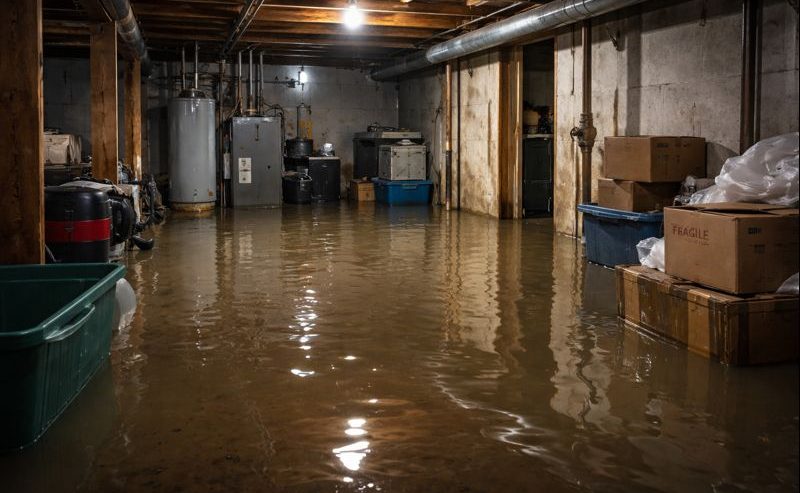
Table of Contents
Standing water in your basement is more than just an inconvenience—it’s a serious threat to your home, your health, and your finances. Whether caused by heavy rain, sump pump failure, frozen pipes, or sewer backups, standing water damage can escalate rapidly if not addressed immediately.
Many homeowners assume they can “wait it out” or handle the cleanup themselves. Unfortunately, that delay often leads to mold growth, structural damage, and costly repairs. This article explains why standing water in your basement is so dangerous, what risks you may not see right away, and when to call professional water removal services for emergency water extraction.
If you’re a homeowner in Ann Arbor or surrounding areas, this guide will help you understand why fast action matters—and how professional restoration can protect your home.
What Is Standing Water Damage?
Standing water damage occurs when water accumulates and remains in an area for an extended period without proper drainage or removal. In basements, this often happens due to:
- Heavy rain or snowmelt
- Foundation cracks or poor drainage
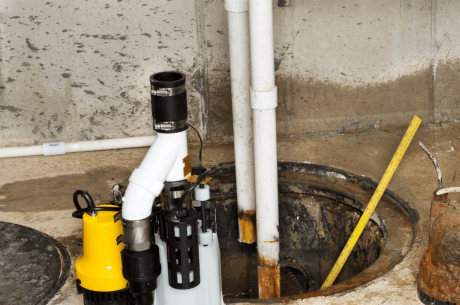
- Sump pump failure
- Broken or frozen pipes
- Sewer or storm drain backups
Even a few inches of standing water can cause severe damage within hours. The longer water sits, the more destructive it becomes.
Why Standing Water in Basement Is So Dangerous
1. Rapid Mold Growth (Within 24–48 Hours)
One of the biggest hidden dangers of standing water damage is mold. Basements provide the perfect environment—dark, damp, and poorly ventilated.
- Mold can begin growing in as little as 24 hours
- Spores spread quickly through HVAC systems
- Mold exposure can trigger allergies, asthma, and respiratory issues
DIY drying methods rarely remove moisture trapped behind walls, under flooring, or inside insulation. Professional emergency water extraction and structural drying are essential to stop mold at the source.
2. Structural Damage to Your Home
Standing water doesn’t just damage belongings—it weakens the very structure of your home.
Common structural issues caused by standing water include:
- Wood rot in floor joists and framing
- Cracked or shifting foundation walls
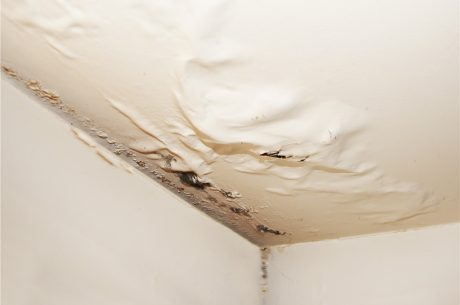
- Warped drywall and buckling floors
- Corrosion of metal supports
Over time, water seeps into porous materials like concrete and wood, compromising their integrity. What starts as a small basement flood can turn into major structural repairs if water removal services are delayed.
3. Electrical and Fire Hazards
Water and electricity are a dangerous combination. Standing water in your basement can reach:
- Electrical outlets
- Extension cords
- Appliances (furnaces, washers, water heaters)
This creates a serious risk of:
- Electrical shock
- Short circuits
- Electrical fires after the water recedes
Before entering a flooded basement, it’s critical to shut off power if it’s safe to do so. Professional water restoration teams are trained to handle these hazards safely.
4. Contaminated Water and Health Risks
Not all standing water is clean. In many cases, basement flooding involves contaminated water, especially if it’s caused by:
- Sewer backups
- Stormwater intrusion
- Groundwater seepage
This water may contain:
- Bacteria and viruses
- Chemicals and pesticides
- Sewage and waste materials
Exposure can lead to serious health issues, especially for children, elderly individuals, and those with weakened immune systems. Certified water removal services use proper PPE and sanitization methods to protect your household.
5. Damage to Personal Belongings
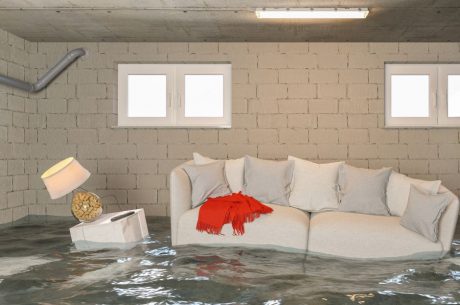
Standing water damage often destroys items stored in basements, including:
- Furniture
- Cardboard boxes and documents
- Electronics
- Clothing and keepsakes
Water wicks upward into materials, spreading damage beyond the visible waterline. The sooner emergency water extraction begins, the more items can potentially be restored rather than replaced.
6. Increased Repair Costs the Longer You Wait
Time is one of the most critical factors when dealing with standing water damage.
Delays can lead to:
- Secondary damage from mold and rot
- Larger demolition and reconstruction needs
- Denied or reduced insurance claims due to negligence
Professional water removal services help minimize damage, document losses properly, and support the insurance process—saving you money in the long run.
Why DIY Water Removal Isn’t Enough
Many homeowners attempt to remove standing water using:
- Wet/dry vacuums
- Fans and dehumidifiers
- Towels or mops
While these methods may remove visible water, they do not address hidden moisture inside walls, floors, and substructures.
Professional emergency water extraction includes:
- Industrial-grade pumps and vacuums
- Moisture detection equipment
- Structural drying and dehumidification
- Antimicrobial treatments to prevent mold
Without these steps, moisture remains—and damage continues unseen.
When to Call Emergency Water Extraction Services
You should contact professional water removal services immediately if:
- Water has been standing for more than a few hours
- The source of water is unknown or contaminated
- You notice a musty odor or visible mold
- Water has reached drywall, insulation, or electrical systems
- Your sump pump has failed or overflowed
If you’re in Ann Arbor, delaying professional help can be especially risky during heavy rain or freeze-thaw cycles common in Michigan.
How PuroClean of Ann Arbor Handles Standing Water Damage
At PuroClean of Ann Arbor, we specialize in fast, reliable emergency water extraction and basement water damage restoration. Our IICRC-certified technicians understand the urgency and complexity of standing water damage.
Our Process Includes:
- Immediate Response & Inspection – Identifying water source and damage category
- Professional Water Removal Services – High-powered extraction equipment
- Advanced Drying & Dehumidification – Preventing mold and secondary damage
- Sanitization & Odor Control – Especially for contaminated water
- Restoration Support – Helping return your basement to pre-loss condition
We serve Ann Arbor and surrounding communities with 24/7 emergency response because standing water damage doesn’t wait—and neither should you.
Frequently Asked Questions (AEO-Optimized)
How long is standing water dangerous in a basement?
Standing water becomes dangerous within hours and can cause mold growth within 24–48 hours.
Can standing water cause mold even after it’s removed?
Yes. If moisture remains behind walls or under floors, mold can continue growing without visible water.
Is standing water damage covered by insurance?
Coverage depends on the source of the water. Sudden events like burst pipes are often covered, while groundwater flooding may require separate coverage. Professional documentation helps support claims.
Should I stay in my home during basement flooding?
If there’s contaminated water or electrical risk, it’s safer to avoid the area until professionals assess the situation.
Don’t Underestimate Standing Water—Act Fast
Standing water in your basement is a warning sign that demands immediate attention. What you can’t see—hidden moisture, bacteria, and structural damage—often causes the most harm.
If you’re dealing with standing water damage, don’t wait until the problem gets worse.
Call PuroClean of Ann Arbor today for professional water removal services and emergency water extraction.
Our team is available 24/7 to protect your home, your health, and your peace of mind.
 PuroClean of Ann Arbor