

Table of Contents
In the aftermath of a hurricane, homeowners are often faced with extensive water damage that can compromise the structural integrity of their homes and pose serious health risks. Addressing water damage after a hurricane promptly is crucial to mitigating these risks and restoring the affected areas. Failure to do so can lead to prolonged issues, including mold growth and further degradation of property. Understanding the steps to effectively manage and recover from this damage is not only valuable but essential for those living in hurricane-prone areas.
The process of hurricane damage cleanup begins with ensuring the safety of all occupants and assessing the extent of water damage from the hurricane. This article will guide readers through the initial steps of removing standing water and drying out the affected areas, which are critical in minimizing damage and preventing further issues. Following this, it delves into cleaning and disinfecting procedures to ensure a safe environment free of contaminants. Preventing mold and mildew plays a pivotal role in the recovery process and will be thoroughly discussed, providing readers with the knowledge needed to tackle water damage after a hurricane effectively and efficiently.
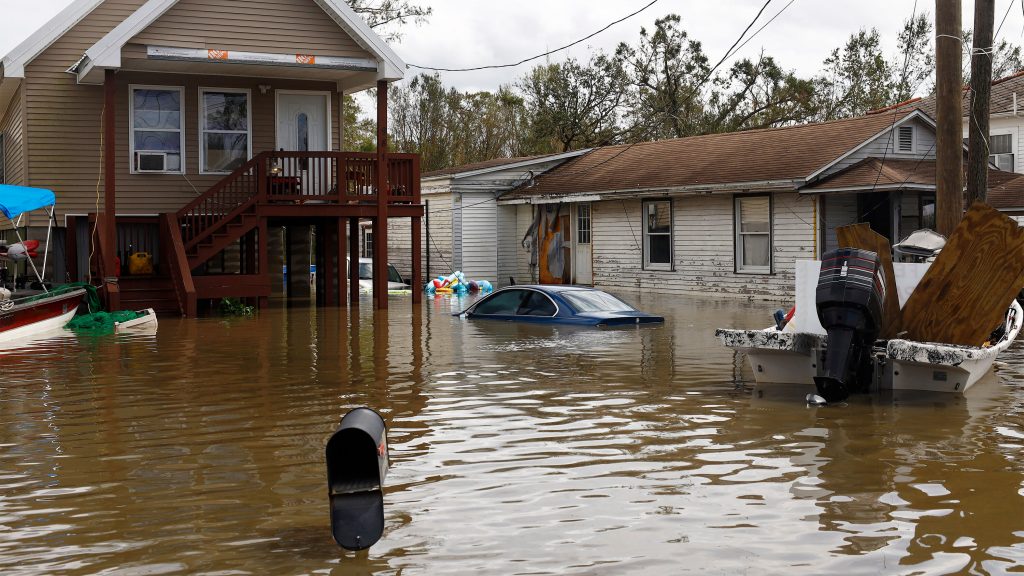
Safety First: Assessing and preparing the environment
Proper Safety Gear
Before entering an area that has experienced water damage after a hurricane, individuals must wear appropriate personal protective equipment (PPE). The Centers for Disease Control and Prevention (CDC) and the Occupational Safety and Health Administration (OSHA) recommend safety goggles, heavy-duty gloves, and steel-toe boots to protect against sharp objects and debris. Additionally, wearing high-visibility apparel is crucial in high-traffic areas. For contact with floodwater, which may be contaminated with harmful bacteria or chemicals, waterproof and chemical-resistant gear is essential.
Checking for Structural Damage due to Water Damage after a Hurricane
Upon returning to a property, it is vital to conduct a thorough inspection before entering. Look for visible signs of damage such as loose power lines, foundation cracks, or broken gas lines. If a building inspector has marked the property with color-coded signs, do not enter until further guidance from local authorities is obtained. For internal checks, be cautious of damaged structural elements like sagging ceilings or floors, which could indicate serious internal damage and potential hazards.
Avoiding Electrical Hazards
Electrical safety is paramount when assessing an environment that experience water damage after a hurricane. Never step into standing water that could be electrified from downed power lines or submerged outlets. Ensure the electrical system is turned off before entering the property, ideally by using a dry object to switch off power from a safe distance. Be alert for the smell of gas, and if detected, vacate the area immediately and contact emergency services. Before using any electrical appliances or systems, have them inspected by a certified electrician to ensure they are safe to operate.
By adhering to these guidelines, individuals can safely assess and prepare their environment for the subsequent cleanup and recovery phases.
Initial Steps: Removing standing water and drying out the area
Using Pumps and Wet/Dry Vacuums
To effectively remove standing water after a hurricane, using a vacuum with a pump-out feature is crucial. This allows for the continuous removal of large volumes of water without the need to frequently stop and empty the tank. For areas with heavy mud and debris, a wet/dry vacuum is recommended. Start by removing as much mud as possible using plastic implements to avoid scratching the floors. Once the bulk of the mud is cleared, the wet/dry vacuum can efficiently handle the remaining moisture and debris. This method is especially effective in preventing the spread of contaminants and preparing the area for thorough drying and disinfection.
Proper Ventilation with Fans and Dehumidifiers
After the water is extracted, placing industrial-strength dehumidifiers and fans strategically throughout the affected area is essential. These devices work together to create a constant airflow, which helps moisture evaporate more quickly and reduces the humidity levels. Set dehumidifiers to maintain a relative humidity between 40-50 percent to prevent mold growth while avoiding structural damage from overly dry conditions. Ensure that the dehumidifiers are placed on stable surfaces with adequate clearance to operate efficiently. Regularly emptying the tanks of these devices is crucial to maintain their effectiveness and prevent overflow.
Cleaning and Disinfecting
Choosing the Right Cleaning Agents
When tackling water damage a hurricane, selecting effective cleaning products is vital. For general cleaning, household ammonia and trisodium phosphate are recommended for hard surfaces like walls, woodwork, and floors. For disinfecting, a diluted chlorine bleach solution (one cup of bleach per gallon of water) is effective for floors, stoves, sinks, and certain countertops. It’s essential to never mix bleach with ammonia as the resulting fumes are hazardous. For items that have been in contact with floodwater, it’s advisable to use disinfectants like Lysol or solutions containing pine oil to ensure all bacteria and viruses are eradicated.
Techniques for Cleaning Different Surfaces
The cleaning process should begin by removing any mud or silt with plastic tools to avoid surface scratches. Following this, apply a suitable cleaner and allow it to sit for a few minutes to break down the dirt and grime effectively. Use a two-bucket method for efficiency—one for the cleaning solution and another for rinse water. This technique helps avoid recontamination and ensures thorough cleaning. For textiles such as clothes and linens, shaking off dirt before washing and using warm water with a disinfectant like chlorine bleach can prevent mildew growth and sanitize the items.
Handling Contaminated Items
Items heavily exposed to contaminated floodwater require careful handling. Porous materials such as wood and plastic, which are difficult to disinfect thoroughly, should be discarded. Kitchen items like dishes and glassware should be washed with warm, soapy water, rinsed, and then sanitized with a bleach solution to ensure they are free from contaminants. Clothing and linens should be treated with enzyme presoak products to remove protein stains before washing with a disinfectant. Always ensure that cleaning and disinfecting agents are used according to their label directions to maintain safety and effectiveness.
Preventing Mold and Mildew Caused by Water Damage after a Hurricane
Identifying Mold-Prone Areas
Mold thrives in moist environments, making areas that have been exposed to water particularly susceptible. Homeowners should focus on bathrooms, basements, and areas around sinks and windowsills where condensation and water accumulation occur. Using state-of-the-art moisture detection equipment, such as thermal imaging, can help identify hidden moisture sources that are not immediately apparent. Recognizing these areas is the first step in mold prevention.
Mold Removal Procedures
If mold is detected, it is crucial not to attempt removal on your own if the affected area is extensive. For smaller areas, less than 10 square feet, homeowners can use detergent and water to scrub mold off hard surfaces and then allow them to dry completely. However, for larger infestations, particularly those over 10 square feet, professional remediation is recommended. Professionals use advanced techniques like negative air machines with HEPA filters to ensure mold spores are contained and removed effectively, adhering to industry standards such as those set by the IICRC.
Future Mold Prevention Tips
Maintaining low humidity levels within the home is essential for preventing mold growth. The Environmental Protection Agency suggests keeping indoor humidity below 60%, ideally between 40-50%. This can be achieved by using dehumidifiers and ensuring adequate ventilation, especially in areas prone to moisture. Fixing leaks promptly and drying any water-damaged areas thoroughly also helps minimize the risk of mold. For ongoing protection, consider using paints containing mildewcide in high moisture areas and installing humidity sensors to monitor and manage indoor moisture levels effectively.
Contact Puroclean for Commercial Water Damage Restoration Services
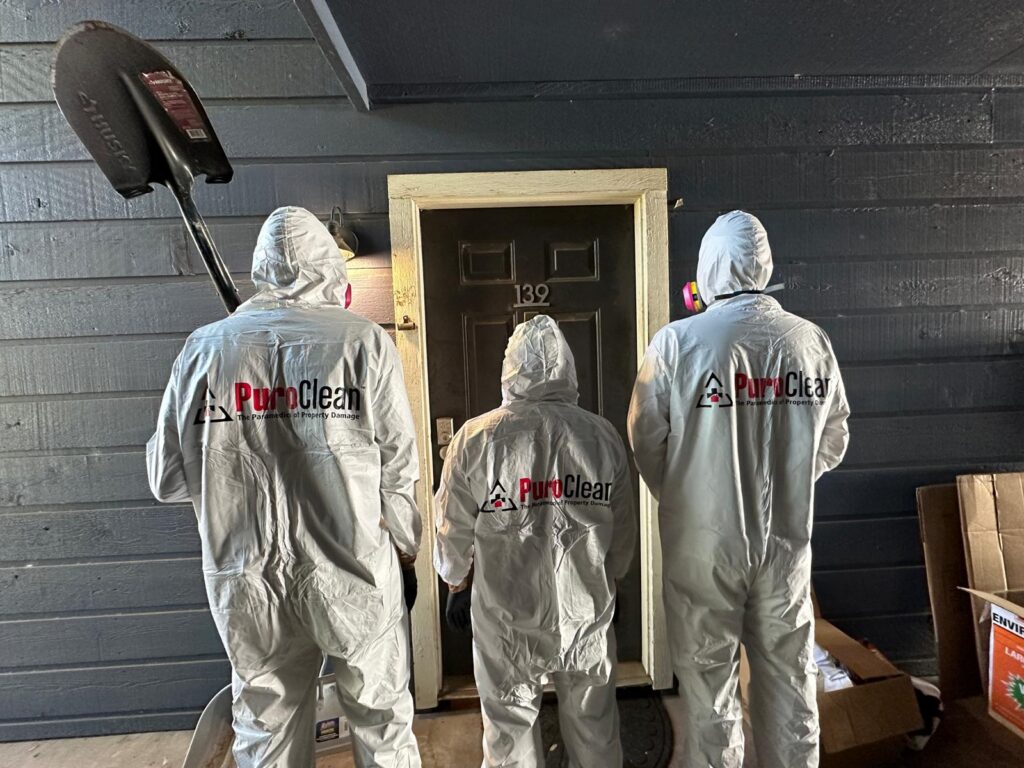
The professional restoration experts at PuroClean help commercial property managers whenever water damage strikes. Water damage from any leak is an issue best solved by professionals, so call us at (512) 953-2548