

There are many misconceptions regarding the mitigation and restoration of property damage. While some of these beliefs may have been common years ago, they no longer reflect today’s restoration standards or technology. Modern equipment, advanced drying science, and specialized cleaning methods have completely changed how professionals mitigate damage and restore properties after water, fire, or other losses.
Professional restoration companies are trained to look beyond outdated assumptions and apply the right course of action based on the type of damage, the materials affected, and the conditions present. Understanding the truth behind these common misconceptions can save property owners time, money, and unnecessary disruption.
Below are some of the most common misconceptions about mitigation and restoration—and the facts behind them.
Replacing costs less than Mitigation.
In most cases, cleaning and salvaging affected materials and contents is far less expensive than full replacement. Modern restoration techniques allow professionals to restore carpeting, drywall, structural components, and personal belongings that would have been discarded in the past. That said, replacement may be necessary in certain situations—such as when smoke soot after a fire is not removed promptly or contamination has permanently damaged materials. A trained restoration company can evaluate whether restoration is viable and often prevent the high costs associated with replacement.
If you clean your carpets, they’ll get dirty faster.
This belief dates back to older carpet cleaning methods that left behind soap residue, which attracted dirt. Today’s professional cleaning processes use advanced extraction techniques and residue-free solutions that actually help carpets stay cleaner longer. When done correctly, professional carpet cleaning improves indoor air quality and extends the life of the carpet rather than shortening it.
Drying is complete when the carpet feels dry.
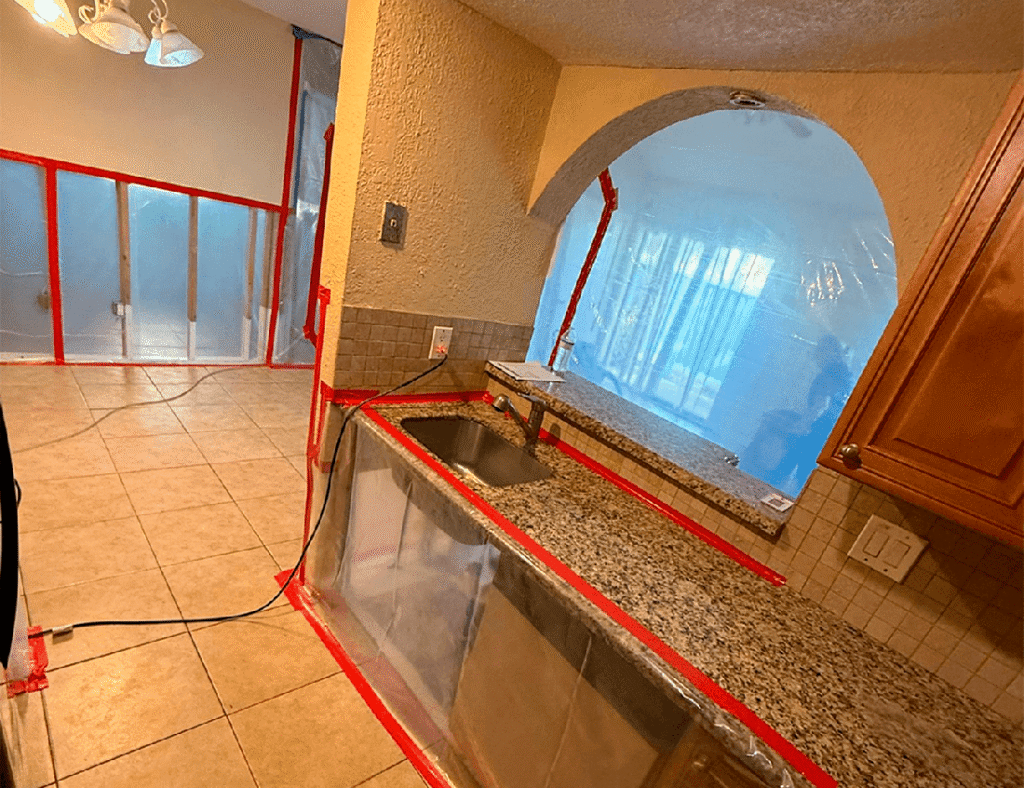
This is one of the most damaging misconceptions in water damage situations. Carpet typically dries much faster than the materials beneath and around it. Structural components such as subfloors, drywall, concrete, and framing can retain moisture long after surface materials feel dry. Professional restoration teams use moisture meters, thermal imaging, and sensors to confirm that all affected materials—not just visible surfaces—have reached safe moisture levels before drying is considered complete.
A fire-damaged home will always smell like smoke, so quic mitigation doesn’t matter.
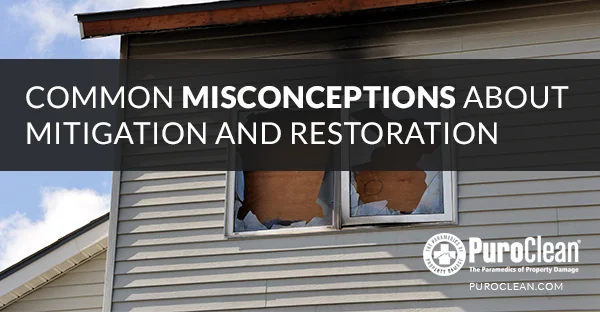
In reality, timing is critical after fire damage. Smoke residue is acidic and begins causing irreversible damage to surfaces and contents if not addressed quickly. Fast and thorough cleaning significantly improves the chances of eliminating smoke odors completely. Delaying cleanup allows soot particles to penetrate deeper into materials, increasing permanent damage and odor retention.
It’s cheaper to do it yourself than hire a restoration company.
While minor issues may sometimes be handled safely by homeowners, DIY restoration often leads to higher long-term costs when damage is not properly mitigated. Incomplete drying, improper cleaning products, or missed contamination can result in mold growth, structural deterioration, or repeat losses. According to the Federal Emergency Management Agency (FEMA), early professional mitigation is one of the most effective ways to reduce long-term damage and recovery costs after a disaster.
There are many other misconceptions that can hinder proper mitigation and restoration after a loss. Acting on outdated information often results in unnecessary demolition, higher insurance claims, and longer displacement from the property.
When in doubt, consulting a trained restoration professional is always the safest choice. Companies like PuroClean are equipped with the knowledge, training, and modern technology required to mitigate damage correctly and restore properties to their pre-loss condition efficiently and safely.
Understanding the facts behind mitigation and restoration empowers property owners to make informed decisions—when it matters most.


