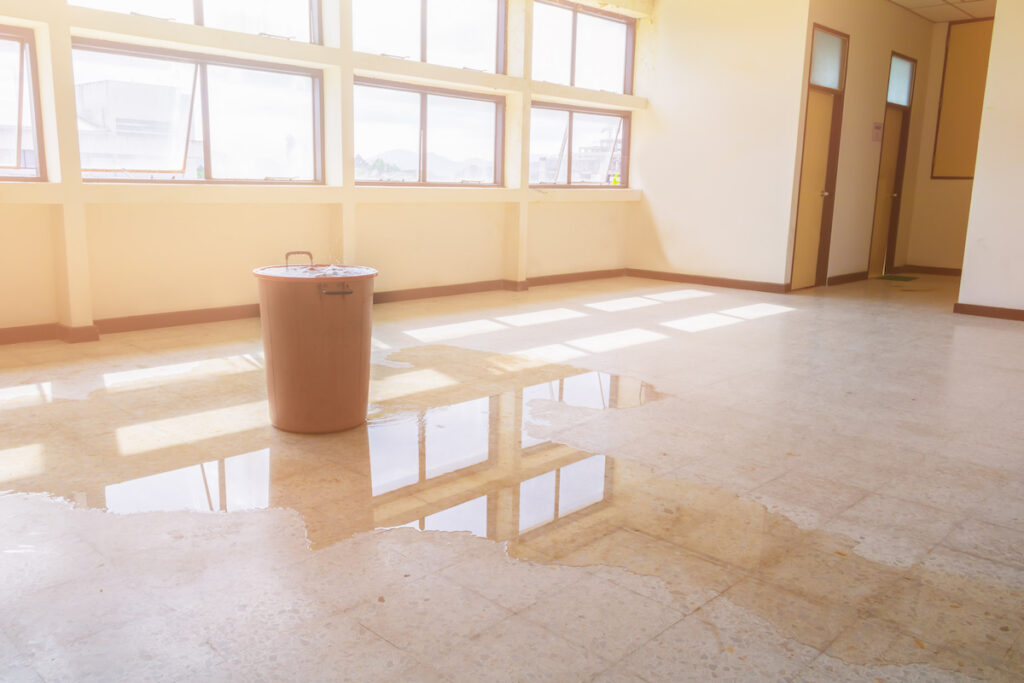
Property ownership across Kern County involves managing risks specific to our arid, high-temperature basin. When an unexpected supply line breaks, property owners often hesitate, believing they must leave every drop of water untouched until an insurance representative arrives. This delay triggers severe policy complications. Property insurance contracts include an explicit clause requiring the insured party to act promptly to prevent secondary loss.
Which Frequent Errors Lead Directly to Denied Claims?
Adjusters routinely scrutinize homeowner actions following a sudden pipe break. Avoidable missteps compromise legitimate claims:
- Postponing Emergency Extraction: Pausing response efforts while awaiting an on-site adjuster inspection allows standing liquid to saturate deep subflooring, wall cavities, and framing, triggering exclusions for secondary loss.
- Discarding Damaged Components Prematurely: Tossing out failed parts before documenting them strips away the physical evidence needed to prove the incident was sudden rather than long-term wear.
- Starting Permanent Rebuilding Too Quickly: Installing new drywall or flooring before professional drying is verified prevents adjusters from validating the scope of loss and traps moisture within framing.
- Failing to Document the Active Loss: Relying solely on verbal descriptions leaves adjusters without verifiable proof of original water levels, origin points, or damaged personal belongings.
- Relying on Inadequate Household Fans: Attempting to dry enclosed cavities with household box fans only evaporates surface liquid, fostering biological growth that policies frequently exclude.
What Does the Insurance Duty to Mitigate Entail?
Property insurance policies legally require owners to protect their property from additional damage once a leak occurs. Waiting for a field adjuster allows moisture to seep deep into subfloors and wall cavities, giving insurers grounds to deny coverage based on preventable neglect. Promptly initiating professional water damage mitigation halts fluid migration, documents the source, and fulfills policy obligations.
An inspector kneels alongside detached baseboards, using a digital sensor to document high levels of hidden moisture trapped behind seemingly dry drywall for the adjuster.
Why Does Waiting for an Inspection Accelerate Secondary Losses?
Bakersfield’s extreme indoor heat turns wet spaces into incubators that rapidly break down drywall and rot wooden support framing. Insurance carriers routinely deny claims for this avoidable secondary decay. Lingering dampness also necessitates mold removal and remediation, an added expense adjusters will reject if delayed action caused the microbial growth.
What Steps Should Property Owners Take to Protect Their Coverage?
Preserving a property insurance claim requires an orderly series of steps that balance personal safety with thorough loss documentation:
- Shut Off the Water Source: Turn off the primary water supply valve and cut electrical power to saturated rooms right away to stop active flooding and eliminate safety hazards.
- Capture Comprehensive Visual Evidence: Take detailed photographs and wide-angle video recordings of the failed plumbing component, standing water lines, and all saturated property before removing any water or moving items.
- Engage Professional Mitigation Immediately: Bring in certified restoration professionals to deploy industrial water extraction equipment, commercial dehumidifiers, and thermal imaging cameras, fulfilling the policyholder’s duty to mitigate further damage.
- Preserve Defective Plumbing Parts: Keep the cracked pipe fitting, split supply line, or failed valve in a secure bin so the insurance adjuster can inspect the component and verify the failure was sudden.
- Maintain Detailed Drying Logs: Ensure your mitigation technicians document daily moisture meter readings, relative humidity levels, and dehumidifier placement to provide undeniable proof of proper structural drying.
How Do Contaminated Water Sources Complicate Loss Approval?
Not every water emergency involves a clean supply line. Dishwasher backflows, washing machine drain line ruptures, and sewage main failures introduce hazardous biological contaminants directly into flooring and wall framing. In the intense heat of the Central Valley, organic pathogens and bacteria present in category two and three water amplify rapidly.
Insurance investigators inspect the cleanliness rating of the loss to determine salvageability. When contaminated water sits untouched, porous framing materials absorb toxic waste, making structural salvage impossible. Deploying certified biohazard cleanup technicians limits the perimeter of contamination, extracts hazardous liquid, and sanitizes framing before dangerous microbes penetrate living spaces. Rapid containment protects the health of building occupants and provides certified documentation showing the insurer that secondary contamination was aggressively minimized.
What Practical Actions Restore Structural Integrity?
Technicians deploy industrial extractors, commercial dehumidifiers, and thermal imaging cameras to remove trapped moisture before structural framing weakens. When water intrusion compromises load-bearing walls or coincides with emergencies requiring fire and smoke damage restoration, property owners depend on licensed reconstruction services to rebuild damaged studs and replace ruined drywall. Rapid extraction establishes the documented proof needed to secure proper claim payouts.
PuroClean Certified Restoration Specialists provides the technical skill and urgent response required to protect residential and commercial properties throughout Kern County. Safeguard your property investment and secure your insurance claim by contacting our local mitigation team immediately following an indoor water emergency.