 PuroClean Certified Restoration Specialists
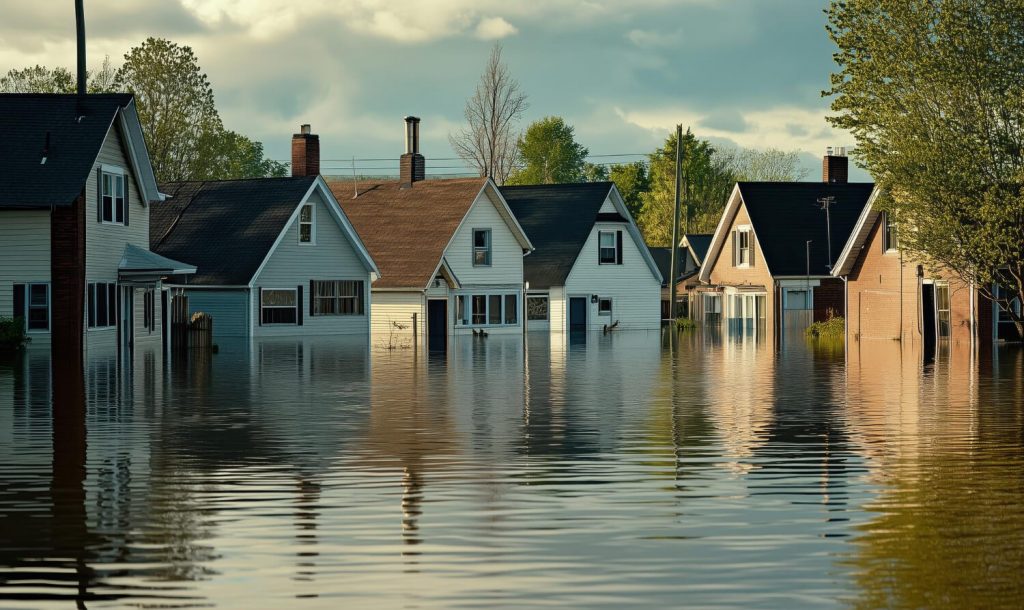
Spring brings warmer weather, blooming flowers, and – for many homeowners – the potential for flooding and water damage. As snow melts and seasonal rains arrive, homes across California can become vulnerable to water intrusion that leads to structural issues, mold growth, and expensive repairs. But with a bit of preparation and attention to detail, you can significantly reduce the risk of water damage in your home this spring.
At Puroclean of Bakersfield, we know that preventing water damage is far easier – and more cost-effective – than repairing it. Here’s your complete guide to spring flood preparedness and how to protect your home from water damage before the storm clouds arrive.
Understand Your Flood Risk
Not all homes face the same level of flood risk. Factors like local weather patterns, your neighborhood’s drainage infrastructure, proximity to rivers and streams, and even your property’s elevation can influence how likely you are to experience spring flooding.
Start by:
- Checking local flood zone maps.
- Reviewing seasonal weather forecasts from reliable sources.
- Speaking with neighbors or local homeowners’ associations about past flooding issues.
Knowing your risk level helps you prioritize what areas of your home need the most attention.
Keep Gutters and Downspouts Clear
Clogged gutters are a common contributor to water damage. When rainwater can’t flow freely away from your roof, it can back up and seep into your home’s foundation, walls, or attic.
What to do:
- Clean gutters and downspouts of leaves, twigs, and debris.
- Install gutter guards to reduce future buildup.
- Ensure downspouts direct water at least 5–10 feet away from your home’s foundation.
A small effort now can prevent significant water intrusion later.
Grade Your Landscape for Proper Drainage
Water should always flow away from your home, not toward it. Improper grading around your foundation can trap water, leading to basement seepage or foundation cracks.
Tips for better drainage:
- Add soil around the foundation to create a gentle slope away from your house.
- Avoid piling mulch or debris against exterior walls.
- Install French drains or swales in areas where water tends to pool.
Quality landscaping design is about more than aesthetics — it’s also your home’s first line of defense against flood water.
Inspect Your Roof and Attic
Spring storms can come with strong winds and heavy downpours. A compromised roof can quickly translate to interior water damage.
Spring roof checklist:
- Look for missing, cracked, or curling shingles.
- Check for soft spots or stains in your attic that might indicate leaks.
- Replace flashing around chimneys and vents if it’s rusted or damaged.
Addressing roof issues early prevents costly repairs later.
Seal Doors, Windows, and Foundation Cracks
Even tiny gaps in your home’s exterior can allow water to infiltrate during heavy rains.
Where to seal:
- Window and door frames.
- Around utility pipes and electrical conduits.
- Foundation cracks or gaps in your basement walls.
Use high-quality caulk or masonry sealant designed for outdoor use. Sealing these entry points is a low-cost way to keep water where it belongs – outside.
Install a Sump Pump and Backup Power Source
If your home has a basement or crawlspace, a sump pump is one of the most effective tools for keeping water out. It automatically removes excess water that collects in a sump pit and directs it away from your home.
Pro tips:
- Test your sump pump before spring storms.
- Consider a battery backup in case of power outages.
- Regularly inspect for debris or clogs in the pump system.
A well-maintained sump pump provides peace of mind when heavy rains arrive.
Manage Irrigation and Outdoor Water Sources
Spring is also the season for turning on irrigation systems and planting gardens. While essential, these water sources can unintentionally contribute to flooding if mismanaged.
To reduce risk:
- Check irrigation heads so they don’t spray against your home’s foundation.
- Repair leaky hoses or faucets promptly.
- Direct outdoor spigots away from your house.
These small adjustments help keep excess water from compromising your property.
Create an Emergency Flood Plan
Preparation isn’t just about your home — it’s also about your family’s safety.
Your flood emergency plan should include:
- A list of important contacts, including Puroclean of Bakersfield for water damage restoration.
- A safe evacuation route.
- Emergency supplies like flashlights, batteries, and bottled water.
Practice your plan so everyone in your household knows what to do if flooding occurs.
Know When to Call the Professionals
Despite your best efforts, sometimes water damage still happens. If you discover standing water, moisture in walls, or signs of mold growth after spring rains, quick action is critical.
At Puroclean of Bakersfield, we specialize in:
- Water extraction and drying.
- Structural drying and dehumidification.
- Mold inspection and remediation.
- Complete restoration services.
We’re here to help homeowners recover fast and minimize long-term damage.
Prepare Today for a Safer Tomorrow
Spring should be a season of renewal – not stress. By taking proactive steps now, you can protect your home from the damage and disruption that flooding can cause. Regular maintenance, proper drainage, and a solid emergency plan make all the difference.


 PuroClean Certified Restoration Specialists