


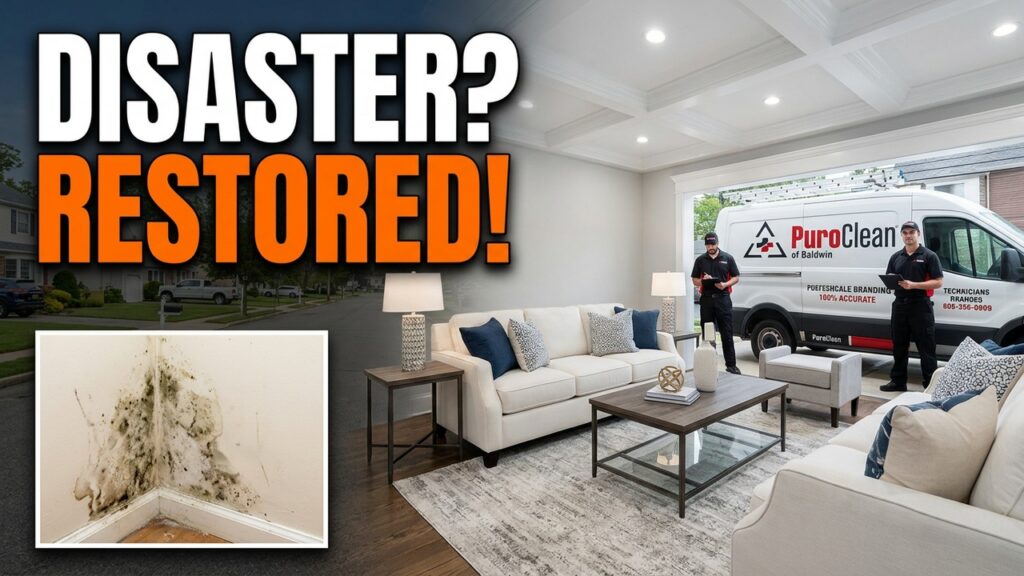
Long Island homeowners know water damage firsthand. Whether it comes from a burst pipe in January, a sump pump that gives out during a summer downpour, a washing machine line that fails quietly behind a wall, or the kind of coastal flooding that arrives with every serious nor’easter, water intrusion is one of the most common and most costly problems a homeowner on the Island can face.
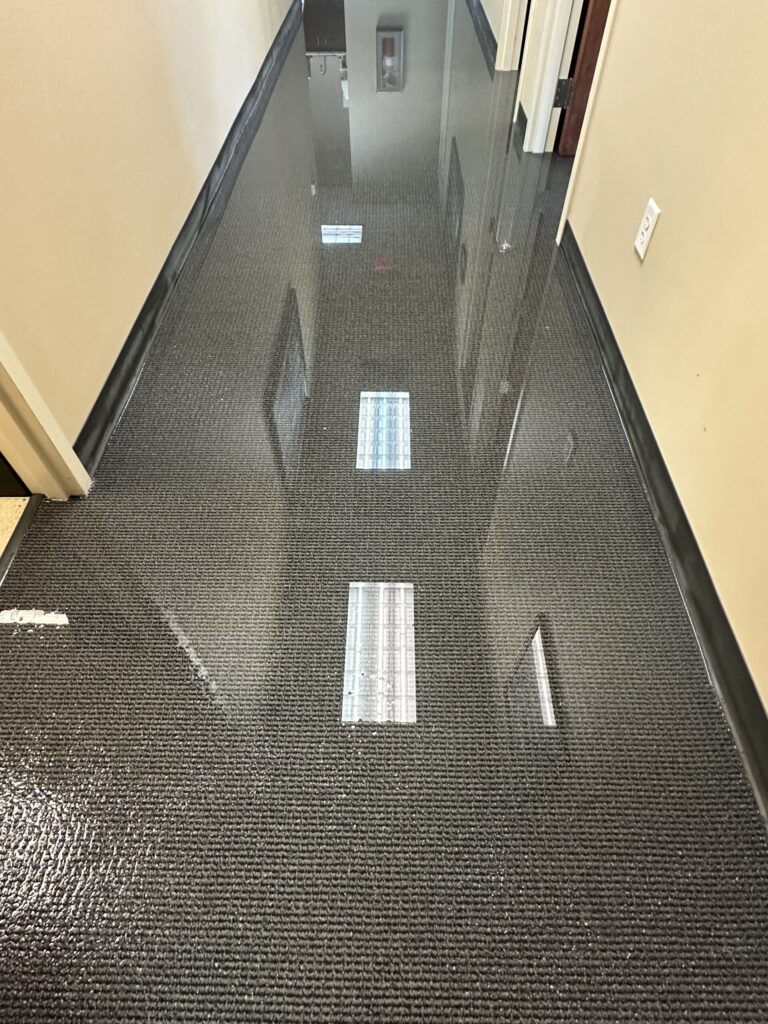
When it happens, the search for help is immediate and the stakes are high. The restoration company you choose in the first hours after discovering water damage will determine how much of your home is saved, how quickly your life returns to normal, and how smoothly your insurance claim is processed. Getting that choice right matters more than most homeowners realize until they have already been through it once.
This guide breaks down exactly what separates the best water damage restoration companies on Long Island from the ones that leave homeowners frustrated, with lingering moisture problems, mold growth, and drawn-out insurance battles. If you are searching for the best right now because water damage is happening, this guide will help you make a fast, informed decision. If you are reading this before an emergency, even better.
Why Long Island Water Damage Is a Different Problem Than Most
Long Island’s geography creates a water damage risk profile that is genuinely distinct from inland communities. Understanding these local factors helps explain why choosing a restoration company with real Long Island experience is not just a preference, it is a practical necessity.
High Water Table Throughout Nassau and Suffolk Counties
Much of Long Island sits on a relatively shallow water table, particularly along the South Shore communities from Valley Stream through the Rockaways, across the Five Towns, through Baldwin, Freeport, and out toward the Hamptons. When significant rainfall events occur, the water table rises quickly and pushes groundwater through foundation walls and basement floor slabs. This type of intrusion does not respond to the same mitigation approach as a plumbing failure, and a restoration crew without experience in groundwater scenarios will often miss the extent of the moisture penetration.
Coastal Storm and Hurricane Exposure
Long Island’s southern and eastern coastlines are directly exposed to Atlantic storm systems. Nor’easters, tropical storms, and hurricanes have caused catastrophic water damage events across the Island in recent decades, with communities like Baldwin, Freeport, Massapequa, and Lindenhurst among the most affected. Storm-driven flooding introduces contaminated water, storm surge, and debris into homes, creating remediation requirements that go well beyond what a simple pipe burst demands.
Aging Housing Stock Across Nassau County
A large portion of Long Island’s residential housing was built between the 1940s and 1970s, particularly in Nassau County communities that developed rapidly after World War II. These homes frequently have original or aging plumbing infrastructure, including galvanized steel supply pipes that corrode internally over decades and older cast iron drain lines that can crack, collapse, or back up. Homes of this era also commonly have unfinished or partially finished basements with original waterproofing that has long since degraded. The combination creates a significantly elevated risk of water damage events.
High Humidity and Seasonal Moisture Cycles
Long Island’s proximity to the Atlantic and the Long Island Sound creates persistently high ambient humidity during summer months. This humidity accelerates mold development in any building material that retains moisture after a water damage event. A restoration company that achieves acceptable drying in a dry inland climate may fail to hit the same targets on Long Island simply because ambient moisture conditions work against the drying process. Experienced local contractors account for this in their equipment selection and drying timelines.
What the Best Water Damage Restoration Companies on Long Island Do Differently
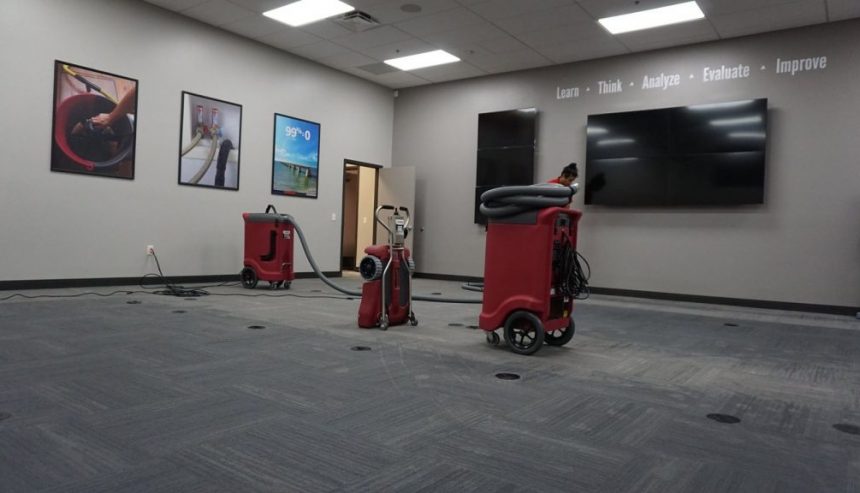
The difference between a restoration company that resolves your water damage problem and one that leaves you dealing with callbacks, mold growth, and insurance headaches comes down to a handful of concrete practices. Here is what to look for.
They Respond Within Hours, Not Days
Water damage is not a problem that improves with waiting. Every hour that water sits in building materials, the deeper it penetrates and the more structural damage accumulates. Mold can begin developing within 24 to 48 hours under the right conditions, and on Long Island those conditions are frequently present. The best restoration companies maintain genuine 24/7 emergency response capability with crews and equipment available around the clock, not just an answering service that schedules a visit for the following week.
When you call a restoration company after discovering water damage, ask directly: how soon can you have a crew on-site? If the answer is anything longer than a few hours, call someone else.
They Use Moisture Detection Equipment, Not Just Visual Assessment
Water migrates in ways that are completely invisible to the naked eye. It travels through wall cavities, wicks up through baseboards, saturates insulation behind finished walls, and follows structural framing into areas far removed from the original intrusion point. A restoration crew that relies on visual assessment alone will consistently underestimate the true extent of moisture penetration and leave damp building materials behind that become mold problems weeks later.
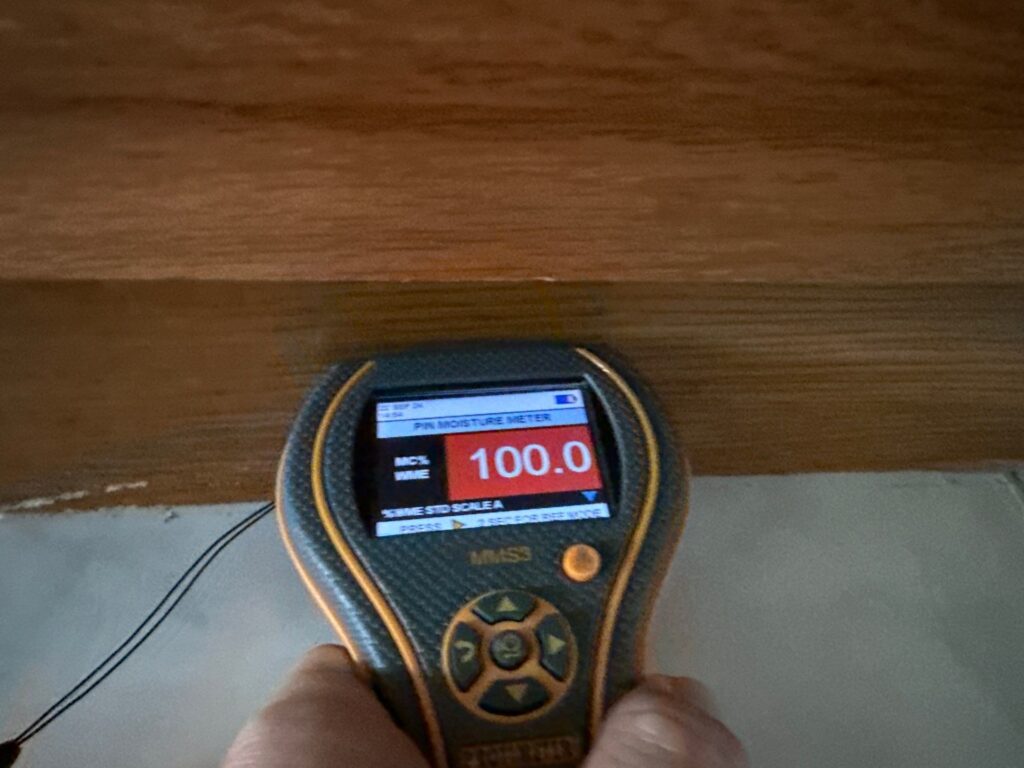
The best companies use calibrated moisture meters to measure moisture content in specific building materials, thermal imaging cameras to detect temperature differentials that indicate hidden moisture, and sometimes hygrometers to measure ambient humidity conditions throughout the affected structure. This data-driven approach produces a moisture map that guides every subsequent drying and equipment placement decision.
They Follow IICRC Standards for Drying and Remediation
The Institute of Inspection, Cleaning and Restoration Certification establishes the science-based standards for water damage restoration. The IICRC’s S500 Standard for Professional Water Damage Restoration defines categories of water damage, appropriate drying targets for different building materials, equipment placement principles, and documentation requirements. Technicians who hold IICRC Water Damage Restoration (WRT) and Applied Structural Drying (ASD) certifications have been trained and tested against these standards.
This matters practically because the drying targets in the IICRC standard are not arbitrary. They are based on research into the moisture content levels at which mold growth becomes likely in specific materials. A company that pulls equipment when a room feels dry to the touch and looks dry visually is not following these standards. A company that monitors moisture readings daily and removes equipment only when materials reach target values is.
They Document Everything for Insurance
One of the most practical differences between a top-tier restoration company and a mediocre one is documentation quality. Insurance adjusters require specific information to process water damage claims accurately: initial moisture readings, the extent and category of water damage, equipment placed and its specifications, daily moisture monitoring logs, and final clearance readings confirming the structure has been dried to standard.
The best Long Island restoration companies produce this documentation as a standard part of their process, not as an afterthought when a homeowner asks for it. This documentation protects you during the claims process, supports accurate settlement of your claim, and creates a record that demonstrates the work was done to professional standards.
They Address the Source, Not Just the Symptoms
A restoration company that extracts water and places drying equipment without identifying the moisture source is setting you up for a repeat event. The best companies help you understand where the water came from, whether a plumbing failure needs repair, whether a drainage issue needs to be addressed, whether foundation waterproofing is compromised, or whether a roof or window detail is allowing infiltration. This information is essential not just for preventing recurrence but for your insurance claim, which will require documentation of the damage cause.
They Handle Reconstruction, Not Just Mitigation
Water damage restoration has two phases: mitigation, which stops the damage and dries the structure, and reconstruction, which repairs or replaces what was damaged. Some restoration companies handle only mitigation and leave homeowners to find and coordinate a separate general contractor for the rebuild. The best full-service restoration companies handle both, which eliminates the coordination gap, simplifies the insurance process, and gets your home back to its pre-loss condition faster.
Red Flags: Warning Signs of a Substandard Restoration Company
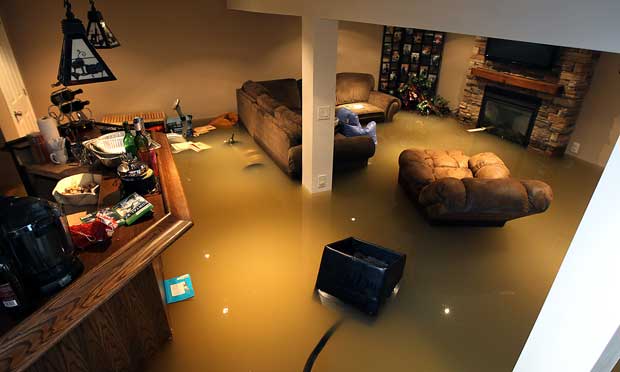
After a major storm or widespread flooding event on Long Island, the number of restoration companies operating in the area increases rapidly. Some of these companies are legitimate and professional. Others are storm chasers with inadequate training, improper equipment, and no local accountability. Knowing the red flags helps you avoid making a bad decision under pressure.
Pressure to Sign Quickly or Sign Over Insurance Rights
A contractor who pressures you to sign a contract immediately, before an insurance adjuster has assessed the damage, or who asks you to sign an assignment of benefits document that transfers your insurance rights to them, is a serious warning sign. Reputable contractors explain their scope of work clearly, provide written estimates, and work within the normal insurance process without requiring you to surrender control of your claim.
No Mention of Moisture Readings or Drying Standards
If a contractor does not mention moisture meters, drying targets, or daily monitoring during their initial assessment, this is a meaningful gap. Ask directly how they will know when the structure is dry. If the answer is something like when it looks and feels dry or after a few days, the company is not following IICRC drying standards and you risk incomplete remediation.
No Local Address or Verifiable Local Presence
After major Long Island storm events, out-of-area contractors arrive in large numbers. Some do good work. Many do not, and when problems emerge after they have left the area, there is no local accountability. A company with a physical presence and established reputation in Nassau or Suffolk County has a genuine stake in the quality of their work that a transient crew does not.
Vague or Verbal-Only Scope of Work
Any legitimate restoration contractor should be able to provide a written scope of work that describes what will be done, what materials will be removed, what equipment will be placed, and what the process for monitoring and completion looks like. If a contractor is only willing to describe their work verbally and is reluctant to put anything in writing, this should be disqualifying.
Understanding Water Damage Categories on Long Island
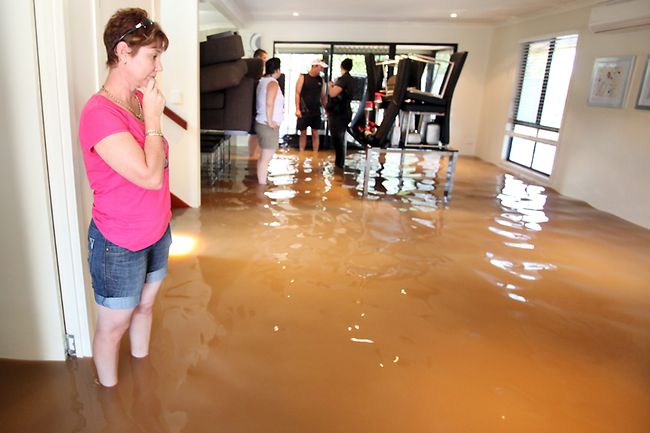
The type of water involved in a damage event determines the appropriate response protocol and significantly affects the cost and complexity of remediation. The IICRC defines three categories of water damage, and homeowners who understand them are better equipped to evaluate the response they are receiving.
Category 1: Clean Water
Category 1 water originates from a sanitary source such as a supply line, a faucet overflow, or a clean appliance like a dishwasher or refrigerator ice maker. This water poses no significant health risk at the time of loss, though it can degrade to Category 2 if left standing. Category 1 events include burst supply pipes, overflowing sinks, and similar clean-water failures. Remediation is relatively straightforward if addressed promptly.
Category 2: Gray Water
Category 2 water contains significant contamination and has the potential to cause illness if ingested or contacted. Sources include washing machine overflow, dishwasher discharge, toilet bowl overflow without fecal matter, and aquarium leaks. Sump pump failures that introduce groundwater can also fall into this category. Category 2 events require antimicrobial treatment in addition to drying, and affected porous materials may need to be removed rather than dried in place.
Category 3: Black Water
Category 3 is grossly contaminated water that contains pathogenic agents including bacteria, viruses, and other microorganisms. Sewage backups, flooding from rivers or storm surge, and toilet overflow with fecal matter all qualify as Category 3. On Long Island, storm-related flooding from coastal sources is typically treated as Category 3 due to the presence of sewage and other contaminants in flood water. Category 3 remediation requires the most extensive sanitization protocols, and all porous materials that have been contacted by black water are typically removed and discarded rather than dried.
Understanding what category your water damage falls into is important because it affects what your restoration company should be doing and what your insurance claim should reflect. If a contractor is treating a Category 3 flooding event with Category 1 protocols, they are cutting corners in ways that create real health and property risks.
How to Find the Best Water Damage Restoration on Long Island: A Practical Checklist
When you are evaluating restoration companies, whether in an emergency or in advance, these are the questions and criteria that separate the best from the rest.
Ask whether the company’s technicians hold IICRC Water Damage Restoration (WRT) and Applied Structural Drying (ASD) certifications. These are the baseline credentials in the industry and a legitimate company should confirm this without hesitation.
Confirm genuine 24/7 emergency response. Not an answering service, not next-day scheduling, but actual crew dispatch available at any hour. Ask what the expected on-site arrival time would be for an emergency call placed right now.
Ask how they determine when the structure is dry. The correct answer involves specific moisture content targets, documented daily readings, and equipment removal based on data rather than elapsed time or visual inspection.
Ask whether they provide moisture logs and scope of work documentation for insurance purposes. A company that cannot provide this is not following industry-standard documentation practices.
Verify local presence and accountability. Check that the company has an established address in Nassau or Suffolk County, has verifiable reviews on Google or other platforms, and has been operating in the area long enough to have a real track record.
Ask whether they handle reconstruction as well as mitigation. A single contractor who can take your home from water extraction through completed repairs eliminates coordination complexity and typically produces better outcomes.
The South Shore Difference: Why Local Expertise Matters in Baldwin and Beyond
The South Shore communities of Nassau County, from Valley Stream and Elmont through the Five Towns, Baldwin, Freeport, Merrick, Bellmore, and Wantagh, share a specific set of water damage conditions that make local expertise particularly valuable. These communities sit closest to the water, have among the oldest housing stock in Nassau County, and are most directly exposed to coastal storm events.
A restoration company that operates primarily in the North Shore or in Suffolk County’s inland communities may encounter very different conditions in their day-to-day work. Basement construction differs. Flood history differs. The types of water damage events that occur most commonly differ. The best restoration company for a South Shore Nassau County home is one whose crews have spent years responding to the specific conditions these homes present.
That local depth of experience shows up in practical ways: knowing which building configurations tend to trap moisture, understanding how groundwater behaves during specific storm events, recognizing the signs of long-standing moisture intrusion in homes of a particular era and construction type, and having established relationships with local plumbers, insurance adjusters, and building inspectors who are part of the recovery process.
What Happens When You Call PuroClean of Baldwin
PuroClean of Baldwin serves homeowners throughout the South Shore of Nassau County and the surrounding Long Island communities. When you call us, here is what actually happens.
Immediate Response, Any Hour
Our emergency line is staffed around the clock. When you call, you speak with a trained specialist, not an answering service. We gather information about your situation and dispatch a crew with appropriate equipment. For most South Shore locations, we can have technicians on-site within one to two hours of your call.
Thorough Inspection Before Any Work Begins
Our technicians conduct a full moisture assessment using calibrated meters and thermal imaging before extracting water or placing drying equipment. We establish the true extent of water migration, classify the category of water damage, and develop a drying plan based on the specific materials and conditions present in your home. Nothing is guessed at.
Industrial Extraction and Structural Drying
We use commercial-grade extraction equipment to remove standing water rapidly, followed by strategic placement of industrial air movers and dehumidifiers calibrated for the drying load present. Equipment is placed based on the moisture map established during inspection, not placed uniformly and left to run. We monitor and adjust daily.
Daily Monitoring and Documented Progress
We return daily or every other day to take moisture readings, adjust equipment as drying progresses, and document the trajectory toward target values. You always know where things stand. Your insurance company receives the documentation they need. Equipment is removed only when moisture readings confirm your home has reached dry standard, not based on elapsed time or visual assessment.
Complete Restoration Through Reconstruction
We handle the full scope of water damage recovery, from the initial emergency response through the final coat of paint. If drywall needs to be replaced, flooring needs to be reinstalled, or cabinetry needs to be rebuilt, we manage that work as part of the same project. One point of contact, one unified scope, one company accountable for the final result.
The Best Water Damage Restoration on Long Island Starts with the Right Call
The search for the best water damage restoration on Long Island comes down to a simple set of non-negotiable criteria: certified technicians, genuine emergency response, science-based drying practices, thorough documentation, and local accountability. Companies that meet all of those criteria consistently produce the outcomes homeowners need, homes restored to pre-loss condition, insurance claims processed smoothly, and no mold problems three months later.
PuroClean of Baldwin brings all of that to South Shore Nassau County and the surrounding Long Island communities, backed by the national PuroClean network and years of local experience with the specific conditions Long Island homeowners face.
If you are dealing with water damage right now, do not wait to see if it dries on its own. Call PuroClean of Baldwin and let our team get to work on getting your home back to normal.
PuroClean of Baldwin proudly serves Baldwin, Freeport, Merrick, Rockville Centre, Oceanside, Valley Stream, Lynbrook, Malverne, Hewlett, and surrounding South Shore Long Island communities. We are available 24/7 for emergency water damage, mold remediation, fire and smoke restoration, and biohazard cleanup.
Connect With Us on Social Media!
Facebook | Instagram | Twitter | NextDoor | Pinterest | Google Reviews | LinkedIn | Tiktok | YouTube


