


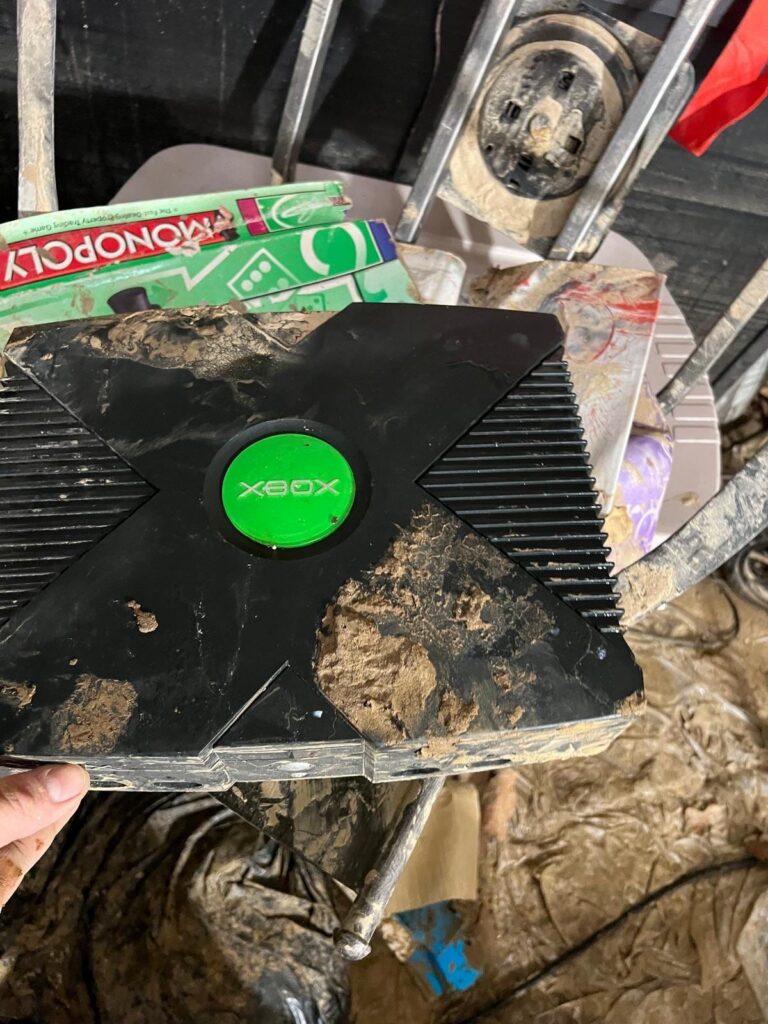
Yes. Water damage and electrical systems are one of the most dangerous combinations a homeowner can face, and the risk does not end the moment the water stops flowing or appears to dry up. Water damage can cause immediate electrical hazards including shock and fire risk, and it can also cause delayed electrical problems that surface days, weeks, or even months after the original water event, often with no obvious connection to the original incident in the homeowner’s mind.
For Nassau County homeowners, this is not a theoretical concern. Basement flooding, burst pipes near electrical panels, roof leaks that travel down into wall-mounted outlets, and storm surge events all regularly bring water into direct or indirect contact with electrical systems in Long Island homes. Understanding how water damages electrical systems, what the warning signs of compromised electrical components look like, and why electrical safety must be part of every water damage response is essential knowledge for every homeowner on Long Island.
At PuroClean of Baldwin, electrical safety assessment is a standard part of every water damage response we perform. This guide explains exactly how water and electricity interact destructively, what the immediate and delayed risks look like, and what Nassau County homeowners need to do to protect their families and their homes.
How Water Damages Electrical Systems
Electricity and water interact destructively for several distinct reasons, and understanding each of them helps explain why the danger is both immediate and long-lasting.
Water Conducts Electricity
Pure water is actually a relatively poor conductor of electricity. But water in a home is never pure. It contains dissolved minerals, salts, and other contaminants, especially water from plumbing systems, groundwater, or floodwater, all of which make it a significantly better conductor than pure water. When this water contacts energized electrical components, it creates a pathway for current to travel to unintended locations, including to anyone who comes into contact with the water.
This is why standing water in a basement with submerged outlets, appliances, or extension cords represents a potentially lethal shock hazard, even at relatively low water depths. Electricity does not need to be in direct contact with a person to cause harm. It needs only a conductive path, and water provides exactly that.
Corrosion of Electrical Components
Beyond the immediate shock and fire risks, water exposure causes a slower, equally serious problem: corrosion. Electrical connections, including wire nuts, outlet terminals, circuit breaker connections, and the internal components of switches and fixtures, are typically made of copper, aluminum, or other metals that corrode when exposed to moisture, particularly moisture containing dissolved minerals or contaminants.
Corrosion increases electrical resistance at connection points. Increased resistance generates heat. Heat at an electrical connection that was not designed to dissipate it can lead to component failure, and in more severe cases, can become a fire ignition source. This corrosion process does not happen instantly. It can develop gradually over weeks and months following a water exposure event, which is why electrical problems related to water damage often do not appear until long after the original incident.
Insulation Breakdown
The insulation on electrical wiring is designed to contain current within the conductor and prevent contact with other materials or people. Water exposure can degrade wire insulation over time, particularly older insulation materials common in Nassau County’s aging housing stock. Degraded insulation increases the risk of short circuits, where current flows along an unintended path, and can create ongoing fire risk that is completely invisible from outside the wall or conduit where the affected wiring is located.
This is one of the most important reasons why wiring that has been submerged or has had sustained water contact, particularly inside wall cavities, often needs to be evaluated by a licensed electrician even when it appears to function normally after drying.
Damage to Electronic Components and Circuit Boards
Modern homes contain far more electronic components integrated into electrical systems than older homes did. Smart thermostats, GFCI and AFCI breakers with electronic sensing components, smart switches, security systems, and the control boards inside HVAC systems, water heaters, and major appliances all contain circuit boards that are extremely vulnerable to water exposure. Even brief exposure to moisture can cause circuit board failure, either immediately through short circuits or gradually through corrosion of the fine traces and connections on the board.
Immediate Electrical Hazards After Water Damage
In the immediate aftermath of a water damage event, several specific hazards require attention before anyone, including the homeowner, enters or interacts with the affected area.
Shock Hazard From Standing Water
If water has reached the level of electrical outlets, baseboard heaters, or any wall-mounted electrical device, or if water is in contact with any appliance that is plugged in, the water itself becomes electrically energized if those components are still receiving power. Walking into this water, even in boots, can result in severe electrical shock. This hazard exists the moment water damage occurs and continues until power to the affected circuits has been confirmed off.
Submerged Electrical Panels
Electrical panels located in basements are a particular concern in Nassau County, where basement flooding from storms and plumbing failures is common. A panel that has been reached by floodwater, even if the water has since receded, must be treated as compromised and assessed by a licensed electrician before the home’s power is restored or used. Energizing a panel that has internal water damage or corrosion can cause arcing, component failure, and fire.
Submerged or Water-Exposed Appliances
Major appliances including water heaters, furnaces, washing machines, dryers, and refrigerators that have been exposed to flooding should not be operated until they have been assessed. Many of these appliances have electrical components located low to the ground, including motors, control boards, and wiring connections, that are among the first parts of the appliance to be affected by rising water.
Generators and Backup Power Systems
Homes with backup generators, particularly those installed in basements or at ground level, face the same flooding vulnerability as other electrical equipment. A generator that has been exposed to flooding and is started without assessment poses both electrical and mechanical hazards. After a flood event, generators should be assessed before use.
The First Step: Shutting Off Power Safely
In any water damage scenario where water has reached or may reach electrical components, the first priority after personal safety is shutting off power to the affected area. Here is how to do this safely:
- Locate your main electrical panel before an emergency happens: Every Nassau County homeowner should know exactly where their main panel is located and how to operate it. In most Long Island homes, the panel is in the basement, a utility closet, or the garage.
- Do not enter standing water to reach the panel: If reaching your electrical panel requires walking through standing water, do not do it. The risk of electrocution is too great. Call PuroClean of Baldwin and your utility company, and if necessary, the fire department, for assistance.
- If the panel is accessible without entering water, shut off the main breaker: This cuts power to the entire home and is the safest option when you are uncertain about the extent of water exposure to specific circuits.
- If specific circuits are clearly identified and accessible, shutting off just those circuits may be appropriate: This requires confidence in your electrical panel labeling and the location of the affected circuits.
- When in doubt, call your utility company: PSEG Long Island, which serves electrical customers throughout Nassau County, can shut off power at the meter from outside the home in situations where interior access is unsafe.
Delayed Electrical Problems: The Hidden Long-Term Risk
The immediate hazards of water and electricity are relatively well understood by most homeowners. What is far less understood, and far more dangerous over time, is the category of electrical problems that develop weeks or months after a water damage event, often after the visible water damage has been addressed and the home appears to be back to normal.
Why Delayed Problems Are So Dangerous
Delayed electrical problems are dangerous precisely because they are disconnected from any obvious cause in the homeowner’s mind. A flickering light six weeks after a basement flood does not immediately suggest a connection to that flood to most people. A circuit breaker that trips occasionally a few months after a roof leak was repaired seems like an unrelated nuisance. But these symptoms can be the early signs of corrosion-related electrical failure that began with water exposure and has been progressing slowly ever since.
The progression from initial water exposure to a serious electrical failure, including arc faults and electrical fires, can take months. By the time symptoms become noticeable, the underlying corrosion or insulation damage may be extensive.
Signs of Delayed Water-Related Electrical Problems
Nassau County homeowners who have experienced any water damage event, even one that seemed minor and was cleaned up promptly, should watch for these warning signs in the weeks and months that follow:
- Outlets or switches in areas that were near the water event feeling warm to the touch
- Flickering lights, particularly on circuits that serve or pass through the affected area
- Circuit breakers that trip occasionally without an obvious cause
- A burning smell, even faint, near outlets, switches, or the electrical panel
- Discoloration or scorch marks around outlets or switch plates
- Buzzing or crackling sounds from outlets, switches, or the panel
- Appliances that worked normally after the water event but begin malfunctioning weeks later
- GFCI outlets that will not reset or that trip repeatedly
What to Do If You Notice These Signs
Any of these signs, particularly in combination, warrants prompt evaluation by a licensed electrician. Do not continue using outlets or switches that feel warm, that show discoloration, or that produce unusual sounds. If you smell burning near electrical components, shut off power to that circuit if you can do so safely and call a licensed electrician immediately. If the smell is strong or you cannot identify the source, treat it as a potential fire emergency and contact the fire department.
Areas of Nassau County Homes Where Water and Electrical Risk Intersect
Basements
Basements are the area of greatest concern in most Nassau County homes because they typically house the main electrical panel, often contain numerous outlets at or near floor level, and are the most common location for water intrusion from flooding, sump pump failures, and plumbing leaks. A finished basement with outlets installed in baseboards or low on walls is particularly vulnerable, as even modest flooding can reach these outlets.
Kitchens
Kitchens combine a high density of electrical outlets and hardwired appliances with significant plumbing infrastructure for sinks, dishwashers, and refrigerator water lines. A dishwasher or sink supply line failure can direct water toward outlets and the electrical connections for built-in appliances including garbage disposals, dishwashers, and under-cabinet lighting.
Bathrooms
Bathrooms present elevated risk because of the combination of water sources, electrical fixtures, and the proximity of people to both. GFCI protection is required by code for bathroom outlets specifically because of this risk, but GFCI protection does not eliminate the risk from water-damaged wiring inside walls, only the risk from ground faults at the outlet itself.
Attics
Attic spaces in Nassau County homes often contain electrical wiring for ceiling fixtures, attic fans, and sometimes HVAC equipment. Roof leaks, which are common after the region’s nor’easters, can direct water directly onto this wiring and onto junction boxes located in the attic, creating hidden electrical hazards that are not visible from the living space below.
Exterior Outlets and Fixtures
Exterior electrical outlets, light fixtures, and any electrical equipment mounted on the exterior of a home face direct exposure during storm events. While exterior electrical components are designed with weather resistance in mind, this resistance has limits, and significant storm flooding or wind-driven rain can exceed the design tolerances of exterior electrical equipment.
Why Professional Assessment Matters: What an Electrician Looks For After Water Damage
When water damage has affected or potentially affected electrical components, a licensed electrician’s assessment goes well beyond simply confirming that things turn on and work. Here is what a thorough post-water-damage electrical assessment includes:
- Visual inspection for water lines and corrosion: Electricians look for visible evidence of water contact on panels, outlets, switches, and junction boxes, including water staining, mineral deposits, and visible corrosion on terminals and connectors.
- Insulation resistance testing: Specialized testing equipment measures the resistance of wire insulation, identifying degradation that may not be visible but indicates compromised insulation that increases short circuit risk.
- Panel inspection: Electrical panels that have been exposed to water are opened and inspected for corrosion on breakers, bus bars, and connection points. In many cases, a water-exposed panel requires component replacement or full panel replacement.
- GFCI and AFCI function testing: Ground fault and arc fault circuit interrupters contain electronic sensing components that can be damaged by water exposure even when the device still appears to function. Function testing confirms these protective devices are operating correctly.
- Appliance and fixture assessment: Built-in appliances and fixtures with electrical components that were exposed to water are assessed individually, as many contain control boards and motors that are not economically repairable and require replacement.
Insurance Considerations for Water-Damaged Electrical Systems
Electrical system damage resulting from a covered water damage event is generally covered under the same homeowners insurance claim as the water damage itself. If a burst pipe causes water to reach your electrical panel and the panel requires replacement, this cost is typically part of the overall water damage claim, subject to your policy’s dwelling coverage.
Documentation matters significantly here. Electrical damage that develops or is discovered weeks after the original water event can be more difficult to connect to that event for insurance purposes if it was not documented at the time. This is one of the important reasons why a thorough initial assessment, including electrical system evaluation, is valuable even when electrical problems are not immediately apparent.
PuroClean of Baldwin’s water damage assessments include identification of any electrical components that were exposed to water, with documentation that supports your insurance claim if electrical repairs or replacements are needed, whether identified immediately or in a follow-up assessment after a licensed electrician’s evaluation.
How PuroClean of Baldwin Addresses Electrical Safety During Water Damage Restoration
Electrical safety is integrated into every water damage response PuroClean of Baldwin performs in Nassau County and Long Island:
- Initial safety assessment: Before any team member enters a water-damaged space, we assess the location of water relative to electrical components and confirm power status.
- Coordination with power shutoff: When water has reached or may have reached electrical components, we coordinate with the homeowner and, when necessary, with PSEG Long Island to ensure power is safely off before work begins.
- Documentation of water-exposed electrical components: Any outlets, switches, panels, fixtures, or appliances that show evidence of water exposure are documented as part of our overall damage assessment.
- Referral to licensed electricians: PuroClean of Baldwin does not perform electrical repairs ourselves, as this work requires a licensed electrician. We identify the need for electrical assessment and can coordinate with licensed electrical contractors as part of your overall restoration project.
- Drying around electrical components: Our structural drying process is designed to safely dry areas around electrical components without creating additional hazards, using equipment and placement that accounts for the presence of electrical systems in the drying zone.
Serving Nassau County and Long Island
PuroClean of Baldwin provides 24/7 emergency water damage response throughout Baldwin, Freeport, Rockville Centre, Merrick, Bellmore, Oceanside, Valley Stream, Lynbrook, and the surrounding Nassau County and Long Island communities. Electrical safety assessment is a standard component of every response, helping protect your family from both the immediate and long-term electrical hazards that water damage can create.
Frequently Asked Questions About Water Damage and Electrical Problems
Is it safe to turn the power back on after water damage once everything looks dry?
Not necessarily. Visible dryness does not confirm that internal components, including wire insulation and connection points inside panels, switches, and outlets, are free of moisture or corrosion damage. Any electrical component that was exposed to water, particularly submersion, should be assessed by a licensed electrician before being re-energized, even if it appears dry and undamaged.
How long after water damage can electrical problems appear?
Corrosion-related electrical problems can develop over weeks to months following water exposure. There is no fixed timeline, as the progression depends on the type and amount of water contamination, the materials involved, and ongoing humidity conditions. This is why Nassau County homeowners should remain alert to the warning signs described in this article for an extended period after any water damage event involving electrical components.
Does homeowners insurance cover electrical damage from water?
When the water damage resulted from a covered peril, such as a burst pipe or appliance failure, electrical system damage caused by that water event is generally covered under the same claim, subject to your policy’s dwelling coverage limits. Electrical damage from flooding, which is excluded from standard homeowners policies, would not be covered without separate flood insurance.
Can a water-damaged electrical panel be repaired, or does it need to be replaced?
This depends on the extent of water exposure and the findings of a licensed electrician’s inspection. Minor surface moisture without significant corrosion may allow for cleaning and continued use of some components. Panels that experienced submersion or significant corrosion typically require full panel replacement, as the internal components cannot be reliably restored to safe operating condition.
What should I do if I smell burning after a water damage event?
A burning smell near electrical components after water exposure should be treated seriously. If you can safely do so, shut off power to the affected area at the breaker panel. If the smell is strong, if you see smoke, or if you cannot quickly identify and isolate the source, evacuate and call the fire department. After the immediate hazard is addressed, contact a licensed electrician for inspection before restoring power to the affected circuits.
Water Damage Affecting Electrical Systems? Call PuroClean of Baldwin
Water and electricity are a dangerous combination, both immediately and for months after the original event. If your Nassau County home has experienced any water damage that reached or may have reached electrical components, professional assessment is essential, both for your family’s safety and for the long-term integrity of your home’s electrical system.
Call PuroClean of Baldwin any time, 24 hours a day, 7 days a week. We serve Baldwin, Freeport, Rockville Centre, Merrick, Bellmore, Oceanside, Valley Stream, Lynbrook, and all of Nassau County and Long Island with immediate emergency water damage response and electrical safety assessment.
PuroClean of Baldwin | Serving Nassau County and Long Island Communities.This article is intended for general informational purposes and is not a substitute for professional electrical inspection. PuroClean of Baldwin does not perform electrical repairs; all electrical work should be performed by a licensed electrician. If you suspect an active electrical hazard, contact your utility company or the fire department immediately


