


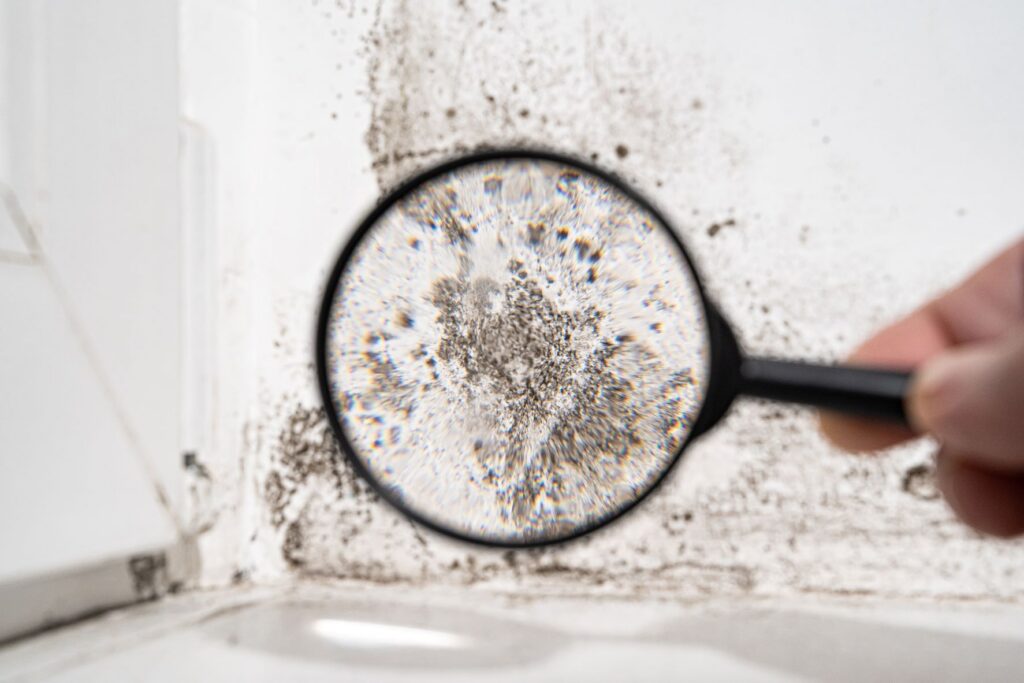
Nassau County homeowners entered 2026 carrying the cumulative weight of several difficult years for residential moisture management. A string of wetter-than-average winters, back-to-back intense hurricane seasons, and a 2025 that delivered record rainfall totals across Long Island have set the stage for what remediation professionals and public health officials are describing as a heightened mold risk environment across the county.
From the waterfront communities of the South Shore to the established neighborhoods of Hempstead Town and the North Shore’s older estate properties, mold is not a fringe concern for a small subset of homeowners. It is a widespread, actively evolving challenge that touches virtually every corner of the county.
Mold Removal and Remediation: Call (516) 200-1416
This article is a thorough, ground-level look at the specific mold problems Nassau County residents are encountering in 2026. It covers the environmental and structural factors driving these problems, the mold species most commonly identified by local inspectors and laboratories, the neighborhoods and home types at greatest risk, the health picture that public health data is painting, and the practical steps homeowners can take to protect their families and their properties. The goal is not to alarm but to inform, because knowledge is the most effective tool in any homeowner’s mold prevention arsenal.
The 2026 Climate Context: Why This Year Is Different
To understand why mold problems are particularly pronounced in Nassau County in 2026, it helps to understand the recent weather history that has set the conditions. The 2024 to 2025 winter brought above-average snowfall followed by an unusually rapid thaw in early spring 2025, pushing large volumes of water through foundations and into crawlspaces in a compressed time window. The spring and summer of 2025 then brought a series of heavy precipitation events, several of which produced localized flooding in low-lying Nassau communities including Valley Stream, Elmont, Inwood, and portions of Freeport.
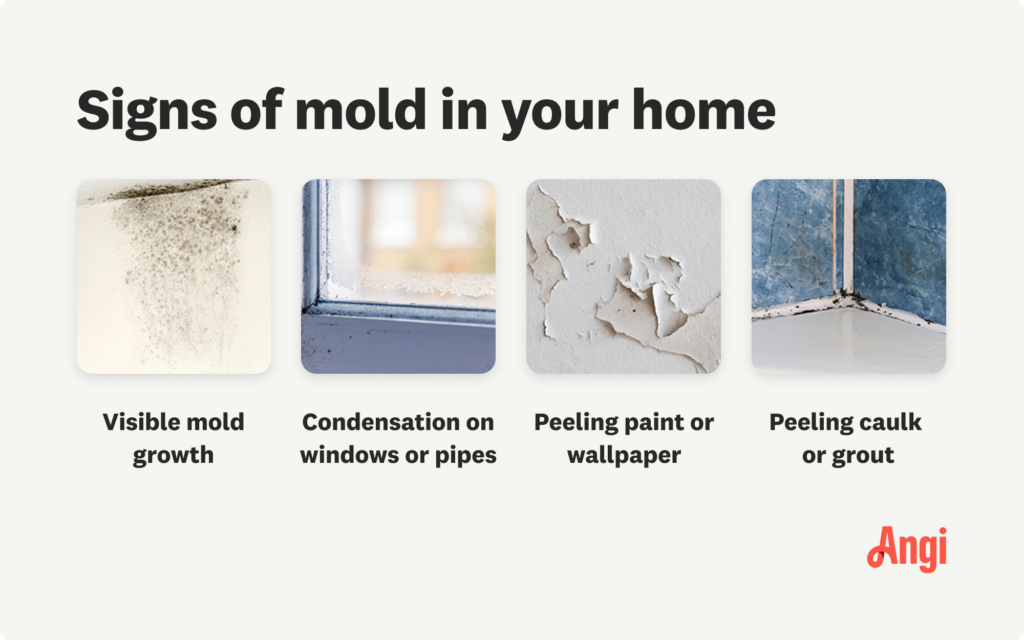
Read Also: 13 Signs of Mold in Your House and What to Do About It | Angi
The compounding effect of repeated moisture intrusion events, each one leaving behind residual dampness that did not fully dry before the next event arrived, has created conditions in many homes where mold has had continuous opportunities to establish and expand. Homes that experienced one basement seepage event in a normal year might have experienced four or five such events between the fall of 2024 and the spring of 2026. Each one is another invitation for mold spores, which are always present in ambient air, to find the moisture they need to germinate and grow.
Additionally, Long Island’s summer of 2025 ranked among the most humid on record, with extended stretches of relative humidity exceeding 70 percent. For Nassau homeowners without central air conditioning or with undersized systems, indoor humidity climbed to mold-sustaining levels for weeks at a time. Older homes with minimal insulation and drafty construction tend to equalize with outdoor humidity more readily than well-sealed modern homes, meaning a humid outdoor environment translates more directly into a humid indoor environment.
The Most Commonly Found Mold Species in Nassau County Homes
Not all mold is alike, and knowing which species are most prevalent in Nassau County homes helps homeowners and remediation professionals prioritize risk and response. Local environmental laboratories and inspection companies are consistently identifying the following species in residential testing.
Cladosporium
Cladosporium is the most commonly identified mold species in Nassau County home air quality tests and surface samples. It thrives in both warm and cool conditions, making it a year-round presence, and grows on a wide variety of surfaces including fabric, wood, insulation, and painted drywall. It often appears as olive-green to black colonies and is frequently found on window sills, in closets along exterior walls, and in basement storage areas. While Cladosporium is not considered a toxin-producing species, heavy exposure can trigger allergic reactions and respiratory irritation, particularly in children and older adults.
Penicillium and Aspergillus
These two genera are often grouped together in laboratory reports because their spores are morphologically similar under standard testing conditions and frequently co-occur. Both are common colonizers of water-damaged building materials, including insulation, carpet, and drywall. Penicillium typically presents as blue-green colonies with a powdery texture. Aspergillus varies widely in color and can produce mycotoxins depending on the species within the genus. Both are closely associated with water-damaged homes and are consistently identified in Nassau County basements and crawlspaces following water intrusion events.
Stachybotrys Chartarum
Stachybotrys chartarum, popularly known as black mold or toxic black mold, occupies an outsized space in public concern relative to its actual frequency of occurrence. It is real, it does produce mycotoxins under certain growth conditions, and it does appear in Nassau County homes, particularly in those that experienced prolonged water damage, especially from the flooding events associated with Hurricane Sandy and subsequent storms. However, it is significantly less common than Cladosporium or Penicillium, and many dark-colored molds identified by homeowners as black mold turn out to be other, less concerning species. That said, any suspected Stachybotrys growth should be treated as a serious matter and assessed by a licensed professional.
Chaetomium
Chaetomium is a species that Nassau County inspection professionals have noted with increasing frequency in 2025 and into 2026, particularly in homes with cellulose-rich materials that have experienced repeated moisture exposure. It grows on paper, wood, and drywall, produces a musty odor, and often co-occurs with Stachybotrys in chronically wet environments. It is white and cottony in early growth stages and darkens to gray or black as it matures. Chaetomium can produce mycotoxins and has been associated with neurological symptoms in cases of very heavy, prolonged exposure.
Neighborhoods and Home Types at Highest Risk in 2026
Mold risk is not evenly distributed across Nassau County. Several factors combine to create elevated risk concentrations in certain geographic areas and certain types of residential properties.
South Shore Coastal Communities
The communities that line the South Shore of Nassau County, including Valley Stream, Lynbrook, Rockville Centre, Baldwin, Freeport, Merrick, Bellmore, Wantagh, Seaford, Massapequa, and the barrier island communities of Long Beach and Atlantic Beach, face the highest baseline mold risk in the county. The combination of proximity to tidal water, consistently elevated relative humidity, significant storm surge and flooding exposure, and a predominantly older housing stock creates nearly ideal conditions for recurring mold problems. Many of these homes were built in the mid-twentieth century without the waterproofing and moisture management strategies that are standard in modern construction.
Post-Sandy Homes with Incomplete Remediation
In 2026, homes in Nassau County that were flooded during Hurricane Sandy in 2012 remain a significant area of concern. Fourteen years is long enough for memories to fade, for homes to change hands multiple times, and for initial remediation work that was inadequate or incomplete to have produced slow-developing but now significant mold problems within wall cavities and structural framing. Real estate transactions involving South Shore properties in 2025 and early 2026 have surfaced several cases where inspectors discovered active mold growth that traced back to inadequately addressed post-Sandy moisture damage. Buyers of older South Shore homes should consider professional mold assessment a standard part of the due diligence process.
Homes with Finished Basements
Finished basements are one of the most consistently problematic settings for mold in Nassau County. The appeal is understandable: converting unfinished basement space into living area adds usable square footage to homes that are often modest in total size. But the same moisture dynamics that make basements vulnerable, groundwater migration through concrete, condensation on cold surfaces, and air stratification that traps humidity below grade, do not disappear because drywall and carpet have been installed on top of them. In fact, the finished surfaces can hide water intrusion and mold growth for months or years, allowing colonies to expand into wall cavities and subfloor assemblies before any visible signs appear.
Older Homes with Original Windows and Minimal Insulation
Cape Cods, colonials, and ranch homes built in Nassau County between the 1940s and 1960s with original or early replacement windows and minimal wall insulation are at elevated risk for mold on interior surfaces and within wall cavities during the winter months. When cold outdoor air meets warm, humid indoor air at poorly insulated and unsealed wall sections and window frames, condensation forms. In Nassau’s older housing stock, this condensation is a recurring seasonal event rather than an occasional occurrence, and the cumulative moisture loading of many winters can create persistent mold environments, particularly in bedrooms on the north-facing side of the house.
Problem Areas Inside the Home: Where 2026 Inspections Are Finding Mold
Based on patterns reported by Nassau County-based home inspectors and remediation contractors, the following areas are generating the highest rates of mold discovery in 2026.
Attics
Attic mold has become arguably the most frequently cited discovery in Nassau County home inspections in recent years, and 2026 is no exception. The primary driver is improper bathroom and kitchen exhaust fan termination. Exhaust fans that vent into the attic rather than through the roof or a gable vent deposit moisture-laden air into an enclosed space where it condenses on cold roof sheathing and rafters during the winter months. Over repeated heating seasons, this produces substantial mold growth on the underside of the roof deck. This problem is widespread in Nassau County because many homes were originally built without exhaust fans, and when fans were later added, contractors often took the path of least resistance and vented into the attic rather than running a longer duct to the exterior.
HVAC Systems and Ductwork
HVAC-related mold is a growing concern in Nassau County in 2026, particularly in homes where air conditioning systems were working at or above capacity during the humid 2025 summer. When an air conditioning coil is oversized for the space it serves, it cools air very rapidly but does not run long enough to adequately dehumidify it. This leaves elevated residual humidity in the supply air, which then condenses on cool duct surfaces, especially in sections of ductwork that pass through unconditioned spaces like attics or crawlspaces. Over time, the interior of poorly maintained or improperly designed duct systems can develop mold that is then distributed throughout the living space with every cycle of the air handler.
Behind Bathroom Tile and at Tub Surrounds
In Nassau County’s older homes, bathroom tile work that was installed without a proper moisture barrier behind it is a common source of mold that hides until a bathroom renovation reveals it. When the grout and caulk in a tub surround fail, which they do over time without regular maintenance, water penetrates behind the tile and reaches the drywall or, in very old bathrooms, the plaster and lath substrate behind it. That substrate stays wet between uses and provides an ideal mold habitat. Homeowners often do not discover this mold until they undertake a bathroom remodel and strip out the tile, at which point they find extensive discoloration and deterioration of the wall materials behind.
Crawlspaces
Crawlspaces in Nassau County present a particular challenge because they are the kind of space that homeowners almost never visit. In many cases, a crawlspace that has developed significant mold growth on floor joists and subfloor sheathing can be silently conditioning the air of the living space above it for years through stack effect air movement. In 2026, homes with unconditioned, vented crawlspaces in humid coastal areas are showing elevated rates of structural mold growth, in part because the traditional strategy of venting crawlspaces to the outdoors has been shown by building science research to actually increase moisture in crawlspaces in humid climates rather than reduce it.
Public Health Implications for Nassau County Residents
The Nassau County Department of Health has continued to field increased inquiries related to indoor air quality and mold exposure in 2025 and into 2026. Respiratory illness rates in coastal Nassau communities, while influenced by many factors, have shown patterns consistent with elevated indoor allergen exposure. Primary care physicians in communities like Freeport, Valley Stream, and Long Beach have reported increased consultations for chronic cough, recurrent upper respiratory infections, and exacerbated asthma symptoms that do not respond fully to standard treatment, which is a clinical pattern that can indicate unresolved environmental triggers including indoor mold.
Children are disproportionately vulnerable to mold-related health effects for several reasons. They spend more time indoors than adults, they breathe more air relative to their body weight, and their developing respiratory and immune systems are more susceptible to the inflammatory effects of mold spore inhalation. A Nassau County child who is sleeping in a bedroom above a mold-colonized crawlspace or in a room with mold growing inside the walls is receiving continuous, low-level mold spore exposure during the hours when their body is supposed to be recovering and building immune resilience.
Read Also: Black Mold vs. Green Mold: Ultimate Guide to Key Differences and Risks
Older adults and individuals with pre-existing respiratory conditions including asthma, chronic obstructive pulmonary disease, and various immune-compromising conditions are also at elevated risk from indoor mold exposure. For this population, a home with an active mold problem is not merely an inconvenience but can represent a genuine, ongoing health hazard that accelerates decline in respiratory function.
It bears repeating that symptoms commonly associated with mold exposure, including chronic nasal congestion, persistent cough, fatigue, recurring headaches, and skin or eye irritation, are nonspecific and overlap significantly with seasonal allergies and other common conditions. The distinguishing feature that suggests indoor mold exposure rather than other causes is the pattern of symptom relief when away from the home for extended periods and symptom return upon return. If you or a family member notice this pattern, investigating the home for mold sources should be treated as a medical priority, not merely a home maintenance task.
New York State Mold Law in 2026: What Nassau Homeowners Need to Know
New York State’s mold licensing framework under Labor Law Article 32 continues to govern professional mold work in Nassau County in 2026. Any mold assessment or remediation project covering more than 10 square feet must be performed by individuals and companies holding current New York State Department of Labor licenses. The law mandates that assessment and remediation must be performed by separate licensed entities, which prevents the conflict of interest that would exist if the company identifying the problem were also selling the solution.
Nassau County homeowners should verify contractor licensing before any professional mold work begins. The New York State Department of Labor maintains an online lookup tool for mold contractor licenses. Unlicensed contractors continue to operate in the area, and engaging one not only creates legal exposure for the homeowner but risks inadequate remediation that fails to resolve the problem and may allow continued health exposure. In the post-Sandy years, a number of Nassau County homeowners paid significantly for remediation work that was performed without proper licensing and did not meet professional standards, leaving mold problems that had to be addressed again at additional cost.
Homeowners insurance coverage for mold in Nassau County remains a complex topic in 2026. Standard policies continue to exclude mold that results from gradual moisture intrusion or maintenance neglect while covering mold that is a direct consequence of a sudden and accidental covered loss such as a burst pipe. Given the frequency of weather-related water intrusion events in coastal Nassau communities, the line between covered sudden loss and excluded gradual intrusion is often contested. Homeowners in flood-prone areas should review their standard homeowners policy as well as any separate flood insurance coverage, which is administered through the National Flood Insurance Program for most Nassau County residents, and speak with their insurance professional about available mold endorsements.
What Nassau County Homeowners Should Do Right Now
Given the elevated risk environment of 2026, the following actions represent a practical, prioritized response for Nassau County homeowners.
- Inspect your attic this season. Bring a flashlight and look at the underside of the roof sheathing along the eaves and ridge. Dark staining, fuzzy growth, or a musty smell are all red flags. While you are up there, confirm that any bathroom or kitchen exhaust fans are ducted to the exterior and not terminating in the attic space.
- Go into your basement or crawlspace and look at the walls, the floor perimeter, and the underside of the first floor framing. Evidence of past water intrusion, efflorescence on block walls, staining on floor joists, or visible fungal growth should prompt a professional assessment.
- Invest in a quality hygrometer and monitor your indoor relative humidity. Keep it between 40 and 55 percent year-round. If your basement or main living area consistently runs above 60 percent, a dehumidifier is a worthwhile investment. Run it continuously during the humid months from late spring through early fall.
- Have your HVAC system serviced and inspected. Ask the technician to check the evaporator coil and drain pan for signs of mold and to verify that the system is properly sized and dehumidifying effectively. If you have flexible ductwork, have the interior of representative sections inspected for microbial growth.
- Address any water intrusion, roof leaks, plumbing leaks, or foundation seepage within 24 to 48 hours of discovery. The longer wet materials remain wet, the greater the probability of mold establishment. Do not let minor leaks wait for a convenient repair window.
- If you are buying a home in Nassau County, particularly in a South Shore community, request a professional mold inspection as part of your due diligence. A standard home inspection is not a mold inspection. A licensed New York State mold assessor can conduct air quality sampling and surface testing that will provide a much clearer picture of the property’s mold status.
- If you suspect active mold growth in areas you cannot easily access, such as behind finished basement walls or inside ductwork, schedule a professional assessment rather than attempting invasive investigation yourself. Disturbing established mold colonies without proper containment procedures can release large quantities of spores into the living environment, potentially worsening health exposure before remediation can begin.
The Bigger Picture: Nassau County’s Path Forward on Residential Mold
The mold challenges Nassau County faces in 2026 are not simply the result of bad luck with the weather. They reflect the intersection of an aging housing stock that was not designed for the moisture management demands of a changing climate, a coastal geography that naturally elevates humidity exposure, and a history of major flooding events that left residual moisture damage in thousands of homes across the county.
Addressing these challenges requires a combination of individual homeowner action and broader community investment. At the individual level, the steps outlined above make a real and meaningful difference. At the community level, programs that support weatherization and moisture remediation for lower-income homeowners, updated building code enforcement around moisture management in renovations, and continued public health communication about indoor air quality all contribute to reducing the county-wide burden of mold-related illness and property damage.
What is clear in 2026 is that treating mold as a reactive, crisis-driven problem rather than a proactive maintenance priority is a costly approach. The homeowners who fare best are those who inspect regularly, control indoor moisture consistently, and respond quickly when water intrusion occurs. In Nassau County’s environment, that discipline is not optional extra effort. It is the baseline standard of care that the local conditions demand.
Nassau County communities have shown remarkable resilience in the face of the environmental challenges that living on Long Island presents. The same spirit of community investment and practical resourcefulness that rebuilt South Shore neighborhoods after Sandy, that drives the ongoing efforts to improve stormwater management, and that keeps civic organizations active in protecting the quality of life in these communities is exactly the spirit that can get ahead of the mold problem. It starts, as most things do, with information and awareness, and with the willingness to look carefully at your own home and take what you see seriously.
This article provides general informational guidance for Nassau County, New York homeowners. For professional mold assessment or remediation, always engage a licensed New York State mold contractor. Verify licenses at the New York State Department of Labor website.

Connect With Us on Social Media!
Facebook | Instagram | Twitter | NextDoor | Pinterest | Google Reviews | LinkedIn | Tiktok | YouTube


