



When fire scorches a kitchen, floodwater pours through a basement, or a burst pipe soaks an entire floor, most homeowners instinctively focus on the structural damage. The walls, the floors, the ceilings. But the belongings inside the home, the furniture, clothing, artwork, electronics, documents, family heirlooms, and everyday household items, often represent just as much financial value and far more emotional significance than the structure itself.
Contents cleaning and storage is one of the most critical and frequently misunderstood services in the disaster restoration industry. Done correctly, it can save the majority of a household’s belongings from what might otherwise seem like total loss. Done poorly or skipped entirely, it results in preventable write-offs that cost homeowners thousands of dollars in out-of-pocket replacement expenses and extend the emotional trauma of an already devastating event.
At PuroClean of Baldwin, we provide comprehensive contents restoration services for homeowners across Nassau County and Long Island who have experienced fire, water, smoke, mold, or storm damage. This guide explains exactly what contents cleaning and storage involves, what can and cannot be restored, how the process works from start to finish, and how it fits into your insurance claim.
What Is Contents Cleaning and Storage?
Contents cleaning and storage refers to the professional cleaning, decontamination, drying, restoration, packing, and secure storage of the personal property inside a home that has been damaged by a disaster. It is a distinct service from structural restoration, which addresses the building itself.
When a restoration company like PuroClean of Baldwin responds to a fire, flood, or other disaster, the work involves two parallel tracks. The first is restoring the structure: drying out walls, removing damaged materials, and rebuilding. The second is protecting and restoring the contents: inventorying, cleaning, deodorizing, and safely storing every salvageable item from the home until the structure is ready to receive them back.
Contents restoration is a specialized discipline that requires different tools, techniques, and expertise than structural work. It involves ultrasonic cleaning technology, ozone and hydroxyl deodorization chambers, freeze-drying for water-damaged documents and photographs, dry cleaning and laundering for textiles, and electronics restoration. It also requires careful chain-of-custody documentation to support insurance claims and protect homeowners from disputes over the condition or value of their belongings.
Why Professional Contents Cleaning Matters More Than Most Homeowners Realize
Smoke and Soot Damage Contents Faster Than You Think
After a house fire, smoke and soot continue to damage contents long after the flames are out. Soot is acidic, and within hours of a fire, it begins etching metal surfaces, yellowing fabrics, and permanently staining porous materials. Electronics exposed to smoke residue can fail within days as acidic particles corrode circuit boards and connections. The faster contents are removed from a smoke-damaged environment and professionally cleaned, the higher the restoration rate and the lower the replacement cost on your insurance claim.
Water Damage Creates a Race Against Mold
When contents are soaked by flood water, a burst pipe, or firefighting efforts, a 24 to 48-hour window exists before mold begins to develop on wet materials. Furniture, clothing, documents, books, and soft furnishings that remain wet beyond that window face significantly greater damage. Professional contents teams work quickly to remove, dry, and treat items before mold can take hold, saving items that would otherwise need to be discarded.
Restoration Costs Far Less Than Replacement
From an insurance perspective, restoring contents rather than replacing them saves significant money, which is why insurance carriers strongly prefer restoration over replacement whenever it is feasible. A professional contents cleaning company can typically restore items for 20 to 40 percent of their replacement cost. For homeowners, this matters because most policies have contents coverage limits, and keeping restoration costs low preserves coverage for items that truly cannot be saved.
The Pack-Out Process: How Contents Are Removed and Inventoried
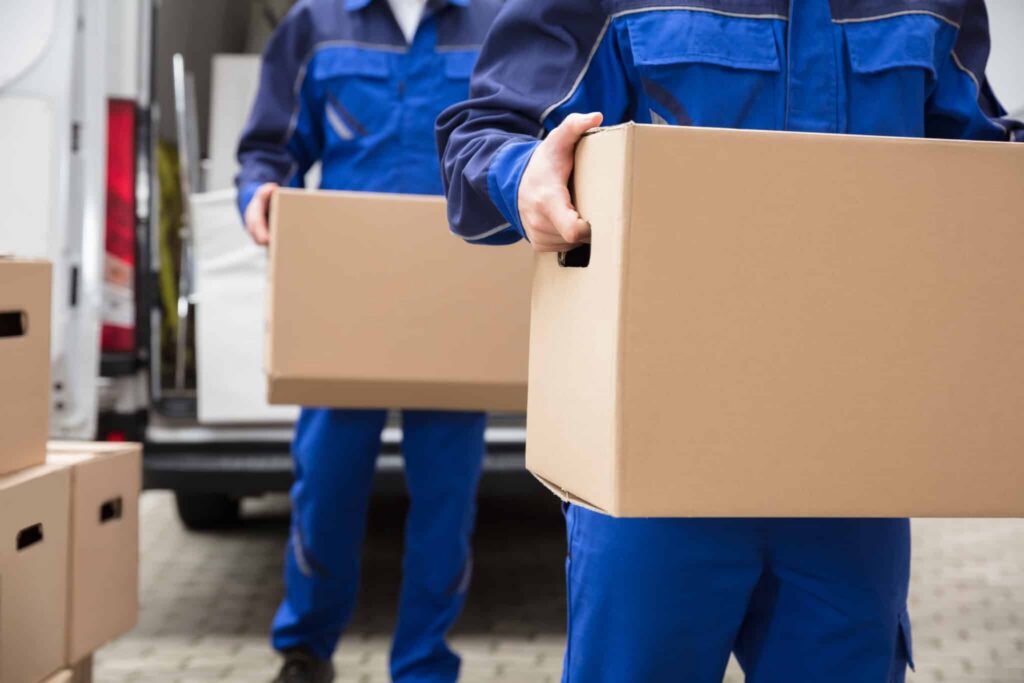
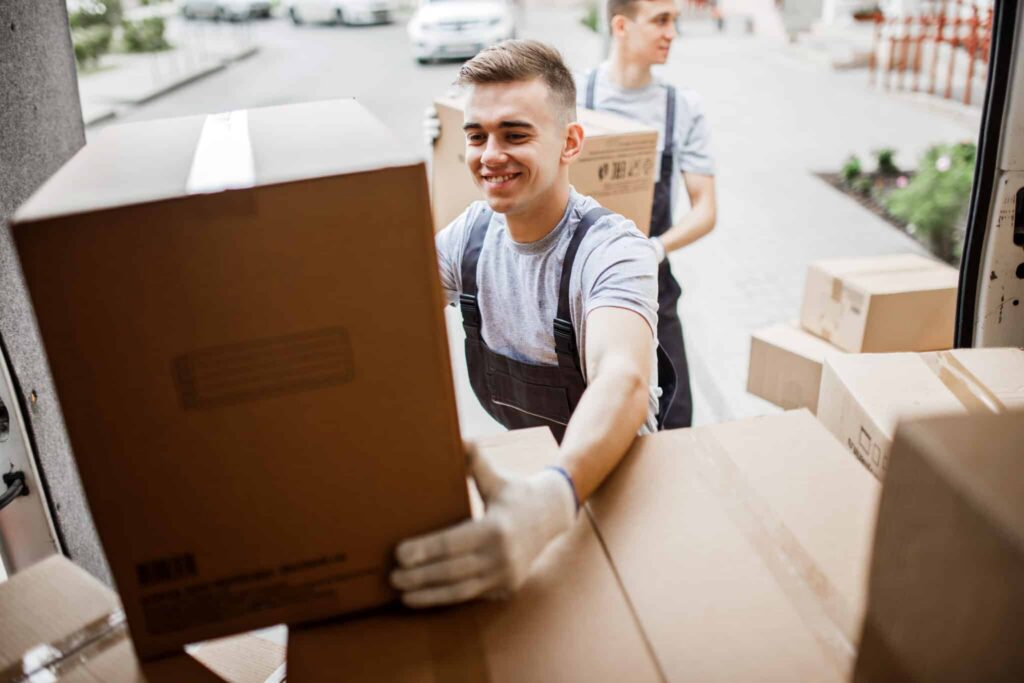
The contents restoration process begins with what is called a pack-out: the careful, systematic removal of all salvageable belongings from the damaged property. This is not a simple moving job. A professional pack-out is a highly documented process with significant implications for your insurance claim.
Step 1: Initial Walk-Through and Scope Assessment
Before any item is moved, the PuroClean contents team conducts a thorough walk-through of the property to assess the scope of damage, identify items that require special handling, and establish a priority order for removal. Highly vulnerable items such as documents, photographs, electronics, and artwork are flagged for immediate attention.
Step 2: Detailed Inventory Documentation
Every item removed from the home is documented with photographs, a written description, and its pre-loss condition assessment. This inventory is cross-referenced with your insurance policy’s contents coverage and forms the basis of the contents portion of your claim. Proper documentation is what separates a smooth insurance settlement from a prolonged dispute over what was lost and what it was worth.
Step 3: Categorization and Triage
Items are sorted into three categories during pack-out. Items that are clearly restorable are packed and transported to the cleaning facility. Items that are clearly total losses are documented and set aside for your adjuster to review. Items that require further assessment are flagged for specialist evaluation at the facility. This triage process maximizes the efficiency of the restoration effort and gives your insurance adjuster a clear picture of the damage.
Step 4: Secure Packing and Transportation
Restorable items are carefully packed using appropriate materials for each item type, loaded into a climate-controlled vehicle, and transported to the PuroClean contents restoration facility. Chain-of-custody documentation is maintained from the moment an item leaves your home to the moment it is returned.
Contents Cleaning Methods: How Different Items Are Restored

Professional contents restoration is not a one-size-fits-all process. Different types of items require different cleaning methods, and using the wrong method can cause more damage than the original disaster. Here is how professional contents restoration addresses the most common item categories:
Ultrasonic Cleaning
Ultrasonic cleaning is one of the most powerful tools in contents restoration. Items are submerged in a cleaning solution inside a tank that generates ultrasonic sound waves. These waves create millions of microscopic bubbles that implode on contact with surfaces, dislodging soot, smoke residue, mold, and contaminants from even the most intricate crevices.
Ultrasonic cleaning is ideal for hard, non-porous items including ceramics, glass, metals, tools, small appliances, jewelry, figurines, and some electronics. It can reach into areas that no manual cleaning method can access and achieves a level of decontamination that is simply not possible with conventional cleaning.
Ozone and Hydroxyl Deodorization
Smoke odor does not just sit on the surface of items. It bonds at the molecular level with fabrics, wood, plastics, and other porous materials. Surface cleaning alone will not remove it. Ozone treatment and hydroxyl generation are the two primary methods used to eliminate smoke odor from contents at the molecular level.
Items are placed in sealed treatment chambers where ozone gas or hydroxyl radicals oxidize and destroy odor-causing compounds. This process is repeated as necessary until odor readings fall below detectable thresholds. Both methods are highly effective, and the choice between them depends on the nature of the items being treated.
Dry Cleaning and Textile Restoration
Clothing, draperies, upholstered items, bedding, and other textiles require specialized laundering and dry cleaning processes that remove smoke, soot, water, and biological contaminants while preserving fabric integrity. Professional contents restoration companies use commercial-grade equipment and cleaning agents that are significantly more effective than consumer machines, and they employ specialists who understand how to treat delicate fabrics, antique textiles, and specialty items like leather and fur.
Electronics Restoration
Electronics exposed to smoke, soot, or water are among the most complex items to assess and restore. Soot is electrically conductive, meaning that electronics powered on after smoke exposure risk short circuits and further damage. Water inside electronics can cause immediate corrosion.
Professional electronics restoration involves careful disassembly, ultrasonic cleaning of circuit boards and components, dehumidification, and testing before reassembly. Restoration is not always possible, but when it is, the savings compared to replacement can be substantial, particularly for high-value items like large televisions, audio equipment, computers, and appliances.
Document and Photograph Restoration
Wet documents and photographs face one of the narrowest restoration windows of any contents category. Paper begins to deteriorate rapidly when wet, and photographs can permanently fuse together within hours. Freeze-drying, also known as vacuum freeze-drying, is the gold standard method for restoring water-damaged documents and photographs. Items are frozen to halt deterioration and then placed in a vacuum chamber where the ice sublimates directly from solid to vapor without passing through a liquid phase, preserving the paper and ink.
Furniture and Hard Goods
Wood furniture, cabinetry, and hard goods are assessed for the extent of smoke or water penetration. Surface cleaning, deodorization, and refinishing can restore many wood items. Upholstered furniture is evaluated based on the extent of contamination and the value of the piece. High-value upholstered items may be reupholstered rather than replaced.
What Can and Cannot Be Restored After a Disaster
One of the most important conversations in any contents restoration project is the honest assessment of what can realistically be saved and what cannot. At PuroClean of Baldwin, we believe in giving homeowners a clear, accurate picture rather than overpromising or unnecessarily writing off items that could be restored.
| Item Category | Generally Restorable | Factors That Affect Outcome |
| Clothing and textiles | Yes, in most cases | Severity of smoke/soot; type of fabric |
| Hard furniture | Often yes | Depth of smoke/water penetration |
| Upholstered furniture | Sometimes | Degree of contamination; value of piece |
| Electronics | Sometimes | Type and duration of exposure |
| Documents and photos | Often, if treated quickly | Speed of response is critical |
| Ceramics and glass | Usually yes | Breakage; exposure level |
| Artwork and antiques | Case by case | Type, material, and exposure |
| Food and consumables | No | Health and safety; always discard |
| Mattresses and pillows | Rarely | Porous; difficult to decontaminate fully |
| Medications | No | Health and safety; always replace |
When items cannot be restored, detailed documentation of their pre-loss condition, age, and replacement value becomes especially important for your insurance claim. Our team helps ensure you receive fair compensation for every total loss item.
Secure Contents Storage: Protecting Your Belongings During Restoration
Structural restoration work on a fire- or water-damaged home can take weeks or even months. During that time, your belongings need somewhere safe to be. The contents storage component of this service is just as important as the cleaning itself.
PuroClean of Baldwin stores restored and in-process contents in a secure, climate-controlled facility that protects items from temperature extremes, humidity fluctuations, pests, and unauthorized access. Our storage is not a commercial self-storage unit. It is a dedicated contents restoration facility designed specifically for the care of disaster-affected belongings.
Every item in storage is tracked in our inventory system, photographed, and catalogued so you have a complete record of what is being held, its condition, and its restoration status. When your home is ready to receive your belongings back, our team coordinates the pack-back, returning each item to its appropriate location and noting any items that were restored to a different condition than they left.
Contents Cleaning, Storage, and Your Insurance Claim
Contents restoration is a covered expense under most standard homeowner’s insurance policies for qualifying disaster events. It falls under the personal property or contents coverage portion of your policy, which is separate from your dwelling coverage for structural repairs.
The detailed inventory and documentation process that PuroClean of Baldwin uses throughout the pack-out, cleaning, and storage phases is specifically designed to support a successful insurance claim. Our documentation includes:
- Item-by-item written inventory with descriptions and pre-loss condition assessments
- Photographic documentation of all items before, during, and after restoration
- Cleaning and restoration logs documenting the methods used and results achieved for each item
- Total loss documentation with replacement value assessments for items that could not be restored
- Storage receipts and chain-of-custody records from pack-out through pack-back
We work directly with all major insurance carriers and can communicate with your adjuster on your behalf throughout the process. Our goal is to make the contents portion of your claim as straightforward as possible so you can focus on getting your family back home.
Contents Restoration Services for Baldwin and Nassau County Homeowners
PuroClean of Baldwin serves homeowners and renters throughout Baldwin, Freeport, Rockville Centre, Merrick, Bellmore, Oceanside, Valley Stream, Lynbrook, and the broader Nassau County area. We understand the specific character of Long Island homes, including the mix of mid-century construction, coastal properties, and dense residential neighborhoods where fire and water damage can spread quickly and affect large volumes of contents.
Whether you have experienced a kitchen fire, a basement flood from a nor’easter, a burst pipe during a cold snap, or storm surge from a coastal weather event, our contents team is equipped to respond quickly, work efficiently, and return as much of your property as possible to its pre-loss condition.
We offer 24/7 emergency response and can dispatch a contents team to your Baldwin or Nassau County home any time, day or night.
Frequently Asked Questions About Contents Cleaning and Storage
How quickly do you need to respond to protect contents after a fire or flood?
Speed is critical. Smoke damage to contents accelerates within the first few hours after a fire. Water-damaged items can begin developing mold within 24 to 48 hours. The sooner a professional contents team is on-site, the higher the restoration rate and the lower the overall cost. Calling PuroClean of Baldwin immediately after a disaster is the single most important step you can take to protect your belongings.
Do I need to do anything to prepare my belongings before the contents team arrives?
In most cases, no. Leave everything in place and let the contents team conduct the initial assessment and inventory before anything is moved. Attempting to clean or move items yourself before a professional assessment can inadvertently damage items further and may complicate your insurance claim by disrupting the pre-loss documentation process.
How long will my belongings be in storage?
The storage period depends on how long structural restoration takes at your home. Most residential restoration projects are completed within two to eight weeks, though larger or more complex projects may take longer. Your project manager will keep you updated on timelines throughout the process.
Can I access my belongings while they are in storage?
Yes. PuroClean of Baldwin can arrange supervised access to stored contents when needed. We maintain a complete inventory so we can quickly locate specific items for you. Requests for access should be coordinated with your project manager in advance.
What happens to items that cannot be restored?
Items that cannot be restored are documented thoroughly with photographs, descriptions, and replacement value assessments. This documentation becomes part of your insurance claim for total loss contents. We never dispose of any item without your explicit authorization, and we give you the opportunity to review total loss items with your adjuster before any disposal takes place.
Protect What Matters Most: Contact PuroClean of Baldwin Today
Your home is where your life is lived. The furniture you chose together, the photographs of your children growing up, the documents that define your financial and personal history, and the everyday objects that make your house a home are irreplaceable in ways that go far beyond their dollar value. When disaster strikes, protecting those things is just as important as protecting the structure around them.
Call PuroClean of Baldwin any time for emergency contents restoration response. We serve Baldwin and all of Nassau County 24 hours a day, 7 days a week, 365 days a year.
PuroClean of Baldwin | Serving Baldwin, Freeport, Rockville Centre, Merrick, Bellmore, Oceanside, Valley Stream, Lynbrook, and surrounding Nassau County communities on Long Island.
This article is intended for general informational purposes. Restorability of specific items depends on individual circumstances. Contact PuroClean of Baldwin for a professional assessment of your specific situation.
Connect With Us on Social Media!
Facebook | Instagram | Twitter | NextDoor | Pinterest | Google Reviews | LinkedIn | Tiktok | YouTube


