


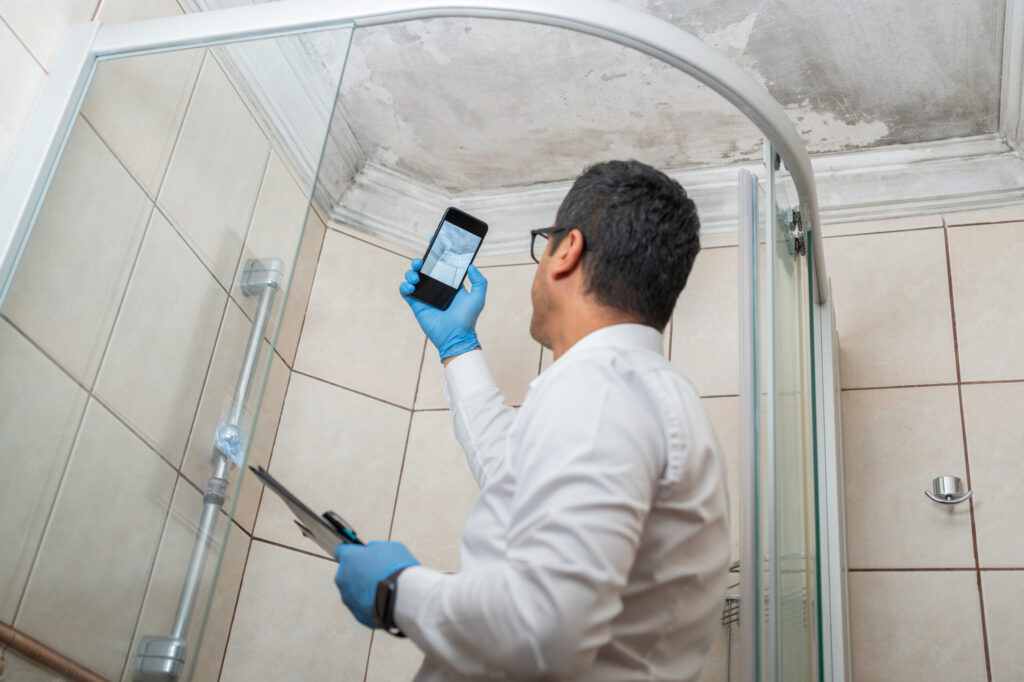
You have found mold in your home. Maybe it is creeping up the wall behind the washing machine, spreading across the ceiling of a bathroom, or covering a large section of your basement. Your first instinct after the initial shock is likely to reach for your phone and call your insurance company. And your first question is almost certainly: is this covered?
The answer, as with most insurance questions, is: it depends. Homeowners insurance and mold have a complicated relationship, and the outcome of your claim will hinge on a specific set of factors that many Nassau County homeowners are simply not aware of until they are already in the middle of a dispute with their insurer.
At PuroClean of Baldwin, we have worked alongside homeowners, public adjusters, and insurance carriers on hundreds of mold remediation projects across Long Island. We know exactly how these claims play out, what gets approved, what gets denied, and what you can do to give yourself the best possible chance of a favorable outcome. This guide gives you the complete picture.
The Short Answer: Sometimes Yes, Sometimes No

Standard homeowners insurance policies in New York do not include blanket mold coverage. Whether mold damage is covered depends almost entirely on what caused the mold to develop in the first place. Insurance companies draw a sharp distinction between mold that resulted from a sudden, accidental event and mold that resulted from a long-term condition that was not properly addressed.
In general terms:
- Mold is likely covered when it results directly from a covered peril, such as a burst pipe, an appliance malfunction, or water used to extinguish a fire.
- Mold is likely not covered when it results from flooding, long-term neglect, poor maintenance, high humidity, or a slow leak that went unaddressed over an extended period.
The challenge for homeowners is that the line between these two categories is not always as clear as insurance companies make it sound, and how the claim is documented and presented can make a significant difference in the outcome.
When Does Homeowners Insurance Cover Mold?
Homeowners insurance policies in New York are structured around the concept of covered perils, which are the specific events or causes of damage that the policy is designed to protect against. For mold to be covered, it generally needs to be a direct result of one of these covered perils.
Sudden and Accidental Water Discharge
This is the most common scenario in which mold remediation is covered by homeowners insurance. If a pipe bursts inside your wall, a washing machine hose fails, a water heater ruptures, or a dishwasher leaks suddenly, the resulting water damage and any mold that develops from it is typically covered under the dwelling and personal property portions of your policy.
The key word here is sudden. Insurance companies expect policyholders to respond to water damage promptly. If you discover a burst pipe and address it immediately, the resulting mold claim has a strong foundation. If documentation suggests the leak had been present for months before it was addressed, the insurer may argue that the mold resulted from neglect rather than the original covered event.
Accidental Overflow
If a bathtub, sink, or toilet overflows accidentally and causes water damage that leads to mold, that event is generally treated similarly to a sudden pipe failure and is likely covered. This includes situations where a malfunctioning appliance causes an overflow.
Fire and Firefighting Water Damage
When a fire occurs in your home and firefighters use water to extinguish it, the resulting water intrusion is a covered peril. If that water soaks into walls, floors, or structural cavities and leads to mold growth before remediation is complete, the mold remediation costs are typically part of the overall fire damage claim.
Vandalism and Certain Storm Events
If vandalism or a covered storm event causes structural damage that allows water to enter the home, and that water leads to mold, the mold damage may be covered as part of the broader claim. However, this depends on your specific policy language and the nature of the storm event. Wind-driven rain that enters through storm damage is generally different from rising floodwater, which is not covered under standard policies.
When Does Homeowners Insurance NOT Cover Mold?
Understanding the exclusions is just as important as understanding the coverage. These are the most common reasons mold claims are denied by insurance carriers in New York.
Flooding and Rising Water
This is one of the most painful coverage gaps for Long Island homeowners. Standard homeowners insurance policies do not cover flood damage, and therefore do not cover mold that results from flooding. Flood coverage requires a separate policy through the National Flood Insurance Program (NFIP) or a private flood insurer.
For Nassau County homeowners in coastal areas, low-lying neighborhoods, or properties near waterways, the absence of flood insurance is a significant financial vulnerability. Nor’easters, tropical storms, and even heavy rainfall events regularly cause flooding across Baldwin, Freeport, Oceanside, and other waterfront communities. If floodwater is the source of your mold problem, a standard homeowners policy will not help you.
Long-Term Neglect and Maintenance Issues
Insurance policies are not designed to cover the consequences of deferred maintenance. If a slow leak under a bathroom sink has been dripping for two years and has caused mold to spread through the vanity cabinet and into the wall framing, your insurer will almost certainly deny the claim on the grounds that the damage resulted from a failure to maintain the property.
Insurance adjusters look for evidence of how long a water source has been active. Water staining patterns, the extent of mold growth, corrosion on pipes, and the condition of surrounding materials all tell a story about timeline. If that story suggests the problem has been developing for a long time, the claim is at risk.
Humidity and Condensation Without a Triggering Event
Mold that develops from chronic high indoor humidity, poor ventilation, or condensation on cold surfaces is generally excluded from coverage. This type of mold growth is considered a maintenance and lifestyle issue rather than a sudden event. Bathroom mold caused by inadequate exhaust ventilation, basement mold caused by consistently high humidity without a triggering flood or leak, and crawl space mold from ground moisture are all typically excluded.
Pre-Existing Mold Conditions
If mold was present in your home at the time your insurance policy was written, damage related to that mold is excluded. This is why home inspections and mold assessments are important when purchasing a property. Pre-existing conditions discovered during a claim investigation can complicate even otherwise valid claims.
Mold Following a Flood in a Property Without Flood Insurance
To restate this clearly because it affects so many Nassau County homeowners: if your basement floods during a storm and mold develops as a result, and you do not have separate flood insurance, you have no coverage pathway for that mold under a standard homeowners policy. This is a gap that affects thousands of Long Island homeowners every year.
Understanding Mold Coverage Limits in New York Homeowners Policies

Even when mold remediation is covered under a homeowners policy, many New York insurance policies include a specific sublimit for mold remediation that is separate from and lower than the overall dwelling coverage limit. These sublimits are a critically important detail that many homeowners miss until they are in the middle of a claim.
Common mold coverage sublimits in New York homeowners policies range from $5,000 to $10,000, though some policies offer higher limits as an endorsement. Given that the average mold remediation project in Nassau County can easily exceed $5,000 for a moderate infestation, and can run $15,000 or more for larger projects, a low sublimit can leave homeowners with a significant out-of-pocket gap.
Here is what to review in your policy:
- Whether mold coverage is included at all or requires a separate endorsement
- The specific dollar sublimit for mold remediation
- Whether the sublimit applies to both remediation costs and any resulting structural repairs
- Whether mold coverage has a separate deductible from your standard policy deductible
- Whether the policy covers testing and clearance sampling in addition to remediation
Quick Reference: Mold and Homeowners Insurance Coverage in New York
| Mold Cause / Scenario | Typically Covered? | Notes |
| Burst pipe or sudden plumbing failure | Yes | Must be addressed promptly |
| Appliance malfunction (washing machine, dishwasher) | Yes | Sudden failure required |
| Fire and firefighting water damage | Yes | Part of fire damage claim |
| Storm damage allowing water intrusion | Often yes | Depends on policy language |
| Flooding from storm surge or rising water | No | Requires separate flood policy |
| Slow or long-term unaddressed leak | No | Considered neglect |
| Chronic high humidity or poor ventilation | No | Maintenance exclusion |
| Pre-existing mold condition | No | Excluded at policy inception |
| Sewer backup | Sometimes | Requires sewer backup endorsement |
| Groundwater seepage | No | Requires flood or water backup coverage |
This table is a general guide. Always review your specific policy language and consult with your insurance agent or a licensed public adjuster for guidance on your individual situation.
Steps to Take When You Discover Mold and Plan to File a Claim
How you respond in the hours and days after discovering mold can have a meaningful impact on the outcome of your insurance claim. Here is the process we recommend to Nassau County homeowners:
Step 1: Document Everything Before Touching Anything
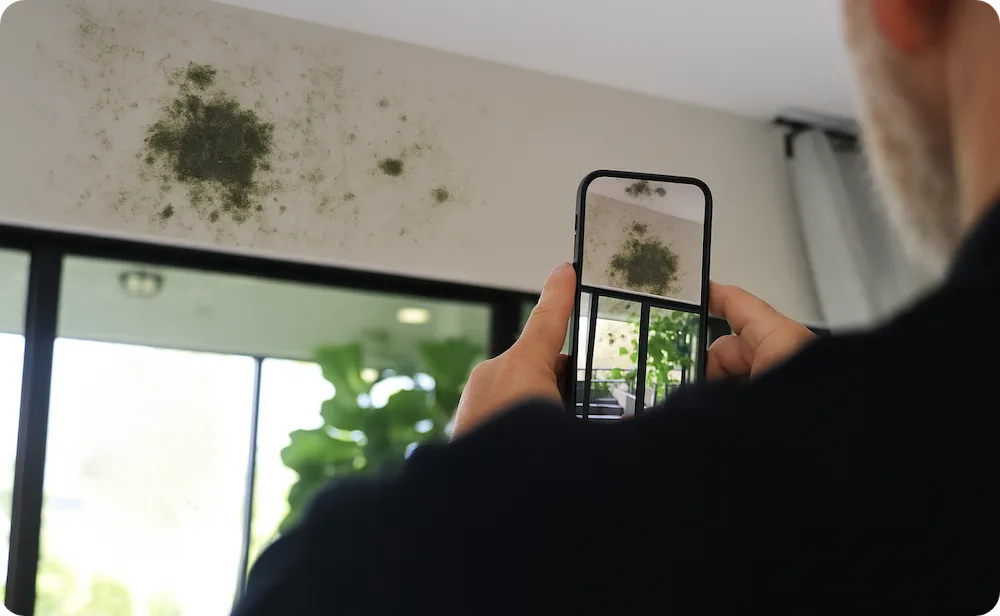
Take extensive photographs and video of all visible mold, the area surrounding it, any signs of water damage or moisture, and any obvious source of water intrusion. Capture wide shots that show context and close-up shots that show detail. This visual record is foundational to your claim.
Step 2: Identify and Stop the Water Source
If there is an active or identifiable water source, stop it as quickly as possible. Turn off the water supply to a leaking appliance, have a plumber address a burst pipe, or make emergency repairs to prevent further water intrusion. Document the source clearly with photographs. Prompt action to mitigate further damage strengthens your claim and is actually required under most policy terms.
Step 3: Call PuroClean of Baldwin for an Emergency Assessment
Before you call your insurance company, or at the very least simultaneously, contact a certified restoration professional. An early professional assessment gives you an independent, documented evaluation of the damage that is critical for claim purposes. It also gets the mitigation and drying process started, which your policy requires you to do promptly.
Step 4: Notify Your Insurance Company
Contact your insurance carrier to report the damage and open a claim. Provide your documentation but be careful about making definitive statements about the cause or timeline of the damage before a professional assessment is complete. Statements made during early claim calls can sometimes be used to limit coverage.
Step 5: Request a Licensed Public Adjuster If Needed
If your claim is complex, involves a large mold infestation, or if your insurer disputes coverage, a licensed public adjuster can represent your interests in the claims process. Unlike the insurance company’s adjuster, who works for the insurer, a public adjuster works for you. In New York, public adjusters are licensed by the Department of Financial Services.
Step 6: Do Not Begin Remediation Without Authorization
In most cases, your insurance company needs to authorize remediation work before it begins in order for those costs to be covered. Emergency mitigation work such as water extraction and drying is typically approved immediately, but full remediation scope should be reviewed and authorized by your adjuster first. PuroClean of Baldwin communicates directly with your adjuster to keep this process moving efficiently.
How PuroClean of Baldwin Supports Your Mold Insurance Claim
Filing a mold insurance claim involves more than calling your insurer and waiting for a check. The documentation, scope of work, and professional credibility behind your claim all affect the outcome. Here is how PuroClean of Baldwin helps:
- Detailed damage documentation: We provide thorough written and photographic documentation of all mold damage, moisture readings, and affected materials from the moment we arrive.
- Moisture source identification: We identify and document the origin of moisture intrusion, which is the cornerstone of establishing that the mold resulted from a covered peril.
- Scope of work development: We develop a detailed written remediation scope that insurance adjusters can review and approve efficiently.
- Direct carrier communication: We work directly with all major insurance carriers and are experienced in presenting claims in the format adjusters expect.
- Clearance documentation: Post-remediation clearance testing provides the documentation needed to close the claim and confirm the work was completed successfully.
A Note for Nassau County Homeowners About Flood Insurance and Mold
Given Long Island’s geography and the increasing frequency of significant storm events, we want to address flood insurance specifically. If you live in a designated flood zone in Nassau County, federal regulations may require you to carry flood insurance. But even homeowners outside designated flood zones should consider it, because flooding from storm surge, heavy rainfall, and drainage system overload has affected properties well outside official flood zone boundaries in recent years.
The National Flood Insurance Program (NFIP) provides building coverage for structural damage caused by flooding, including water damage that leads to mold. Some private flood insurance policies also include contents coverage and additional living expenses. If your mold problem stems from flooding, flood insurance is the coverage pathway you need.
If you are unsure whether you have flood coverage or what it includes, review your policy documents and speak with your insurance agent. PuroClean of Baldwin can also help you understand what documentation you need regardless of which policy applies to your situation.
Frequently Asked Questions About Homeowners Insurance and Mold
Will filing a mold claim raise my homeowners insurance premium?
Filing any insurance claim can affect your premium at renewal, though the impact varies by carrier, your claims history, and the size of the claim. Some insurance companies in New York also check the claims history of a property, not just the current owner, when setting rates. Discuss the potential premium impact with your agent before filing if the remediation cost is close to your deductible.
What if my insurance company denies my mold claim?
A denial is not necessarily final. You have the right to appeal the decision, provide additional documentation, or hire a public adjuster to advocate on your behalf. In New York, you can also file a complaint with the Department of Financial Services if you believe a denial was improper. PuroClean of Baldwin can provide supporting documentation for appeals.
Does renters insurance cover mold?
Renters insurance covers your personal property, not the structure of the building. If mold damages your personal belongings as a result of a covered peril, your renters policy may cover the replacement of those items. The building owner’s policy would cover structural mold remediation. Renters should report mold to their landlord immediately and document everything.
Can I be reimbursed for temporary housing during mold remediation?
Most standard homeowners policies include Additional Living Expenses (ALE) coverage, which reimburses you for temporary housing and increased living costs when your home is uninhabitable due to a covered loss. If your mold remediation project requires you to vacate your home, ALE coverage may apply. Review your policy limits for this coverage.
Should I get mold tested before calling my insurance company?
Professional mold testing is not always required before filing a claim, but it can be valuable in establishing the scope and source of mold growth. If your insurer sends their own adjuster to assess the damage, having independent testing results from a certified industrial hygienist provides an important counterpoint. Discuss with your restoration contractor and, if needed, a public adjuster before deciding.
Get Expert Help From PuroClean of Baldwin
Navigating a mold insurance claim while simultaneously dealing with the stress of having mold in your home is one of the most frustrating experiences a homeowner can face. You should not have to do it alone, and you should not have to figure it out as you go.
PuroClean of Baldwin brings deep experience with mold remediation and the insurance claims process to every project we take on in Nassau County and Long Island. We know what insurers look for, we know how to document damage correctly, and we know how to get remediation authorized and completed efficiently so your family can get back home.
Call PuroClean of Baldwin today for a free mold assessment and claims guidance. We serve Baldwin, Freeport, Rockville Centre, Merrick, Bellmore, Oceanside, Valley Stream, Lynbrook, and all of Nassau County, 24 hours a day, 7 days a week.
PuroClean of Baldwin | Serving Nassau County and Long Island Communities.
This article is intended for general informational purposes and does not constitute legal or insurance advice. Policy terms vary by carrier and individual policy. Always review your specific policy documents and consult with a licensed insurance professional for guidance on your individual coverage.
Connect With Us on Social Media!
Facebook | Instagram | Twitter | NextDoor | Pinterest | Google Reviews | LinkedIn | Tiktok | YouTube


