


Table of Contents
A house fire is one of the most traumatic events a homeowner can experience. In a matter of minutes, something you’ve spent years building , a home, a sanctuary, a collection of memories, can be fundamentally altered. And when the flames are finally out and the fire trucks pull away, you’re left standing in front of your home facing a question that feels overwhelming: what do I do now?
Fire and Smoke Damage in Baldwin, NY
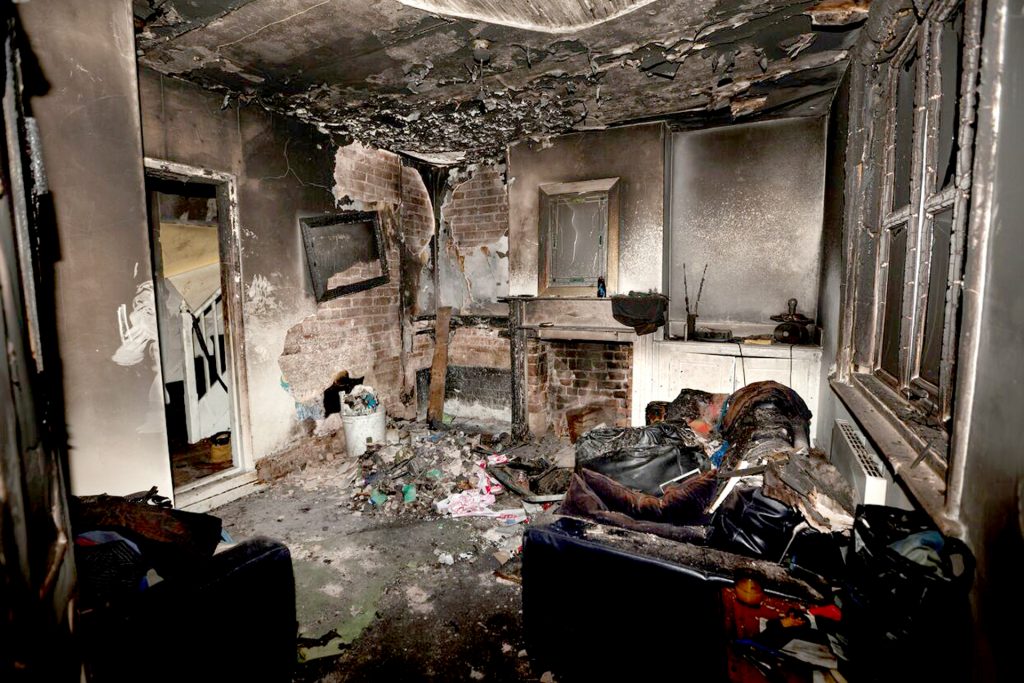
If you’re a homeowner in Baldwin, Lynbrook, Baldwin Harbor, or anywhere across Nassau County dealing with fire damage right now, or trying to understand what the restoration process looks like before it happens to you , this guide is written specifically for you.
At PuroClean of Baldwin, fire damage restoration is one of our core services. We’ve responded to fires across Nassau County , from kitchen fires that scorched a single room to structural fires that compromised an entire home. We know what the damage looks like, we know what it takes to fix it properly, and we know exactly what Nassau County homeowners need to do from the moment the fire is out to the moment they walk back into a fully restored home. This is that complete guide.
Understanding the Full Scope of Fire Damage
The most dangerous misconception about fire damage is that it ends where the flames stopped. Homeowners , understandably , tend to focus on the visible burn damage: the charred cabinets, the blackened walls, the room where the fire originated. But professional fire damage restoration professionals know that the visible burn zone is often the smallest part of the total damage picture.
A residential fire produces four distinct and overlapping types of damage, each of which must be addressed in full for a home to be truly restored.
Flame and Char Damage
This is the damage most people think of first , the direct destruction caused by fire contact. Structural elements, framing, flooring, cabinets, furniture, and personal belongings that came into direct contact with flames are either partially or fully destroyed. In Nassau County homes, particularly the older wood-framed construction common throughout Baldwin and Lynbrook, fire can compromise structural integrity quickly , spreading through wall cavities and between floors via balloon framing that was standard practice in mid-century Long Island construction.
Smoke and Soot Damage
Smoke travels. It moves through every crack, every gap, every HVAC register, and every unsealed opening in your home , reaching rooms that were never touched by fire. Soot, the particulate residue carried by smoke, deposits on every surface it contacts: walls, ceilings, furniture, clothing, electronics, and the inside of your ductwork. Soot is acidic. Left on surfaces, it continues to corrode and stain , permanently etching metals, yellowing plastics, and degrading fabrics the longer it sits.
In the post-war ranch homes and colonials that define so much of Baldwin and Lynbrook’s residential landscape, smoke and soot routinely travel from a kitchen or garage fire into bedrooms, attic spaces, and finished basements before the fire is even extinguished. Homeowners often walk through what appears to be an unaffected room and wonder why everything smells , until they understand how far smoke actually travels.
Water Damage from Firefighting
Every fire that requires a fire department response also produces significant water damage. Firefighters use hundreds , sometimes thousands , of gallons of water to suppress a residential fire. That water soaks through floors, saturates walls, fills basements, and penetrates structural materials throughout the home. In many cases, the water damage from firefighting operations covers a larger area of the home than the fire itself.
Recovering after a fire isn’t easy—but you don’t have to face it alone. Our expert fire recovery team is ready 24/7 to help restore what matters most.
This water must be extracted and the affected structure completely dried within 24 to 48 hours to prevent a secondary disaster: mold. A fire-damaged home that is not immediately dried after suppression is virtually certain to develop significant mold growth within days , adding another layer of remediation to an already complex restoration project.
Structural and Chemical Damage
Modern homes contain an enormous variety of synthetic materials , plastics, foams, treated wood, composite materials, adhesives, and coatings , that produce highly toxic compounds when they burn. The residue left behind after a fire is not just soot and ash. It is a chemical mixture that can include formaldehyde, benzene, hydrogen cyanide, and heavy metals, depending on what burned. Professional decontamination of affected surfaces is not optional , it’s a health and safety requirement.
Beyond chemical contamination, fire compromises structural integrity in ways that are not always visible. Wooden framing that has been exposed to heat , even without direct flame contact , can lose significant load-bearing strength. Masonry can crack. Metal connectors and fasteners can weaken. A professional structural assessment is an essential part of any fire damage restoration process.
The Immediate Aftermath: What to Do in the First Hours
The actions you take , and don’t take , in the immediate aftermath of a fire have a direct impact on the extent of your damage, the success of your insurance claim, and the timeline of your recovery. Here is what Nassau County homeowners need to do in the hours immediately following a fire.
Do Not Re-Enter Until Cleared
Your home is not safe to enter after a fire until it has been inspected and cleared by the fire department or a structural engineer. Fire weakens structural components in ways that are not always visible. Floors that look intact can collapse. Ceilings can fall without warning. Electrical systems that appear dormant can still pose shock and fire hazards. Do not enter your home for any reason until you have been given explicit clearance by a qualified authority.
Contact Your Insurance Company Immediately
Call your homeowner’s insurance carrier as soon as possible after the fire. Prompt notification is typically required by policy terms, and early contact starts the claims clock. Your insurance company will assign an adjuster to your claim and may arrange temporary housing if your home is uninhabitable. Ask your insurer specifically about your Additional Living Expenses (ALE) coverage, which covers hotel costs, meals, and other living expenses while your home is being restored.
Document Everything Before Anything Is Touched
Before any cleaning, moving, or restoration work begins, document the damage as thoroughly as possible. Photograph and video every affected room and every damaged item from multiple angles. If you have records of major purchases, appliances, electronics, or valuables , receipts, warranty documents, credit card statements , gather those as well. This documentation is the foundation of your insurance claim, and the more thorough it is, the smoother your claim process will be.
Secure the Property
A fire-damaged home is a security and liability risk. Windows, doors, and sections of exterior wall that have been compromised need to be boarded up or tarped to prevent weather intrusion, unauthorized entry, and further structural deterioration. PuroClean of Baldwin provides emergency board-up and tarping services as part of our immediate response , protecting your property from the moment we arrive.
Call PuroClean of Baldwin Today!
The single most impactful call you can make after a house fire is to a professional fire damage restoration company. The faster a professional team is on site , extracting water, beginning structural drying, and assessing the full scope of damage , the better your outcome. Every hour of delay after a fire allows soot to continue corroding surfaces, water to penetrate deeper into structural materials, and mold conditions to develop. Time is not neutral after a fire. It works against you.
Why Fire Damage Restoration Is Not a DIY Project
We understand the impulse. After a fire, homeowners feel a powerful need to do something , to start cleaning, to start throwing out damaged items, to start making the home look and smell better. The problem is that well-intentioned DIY efforts after a fire almost always make the restoration more difficult and more expensive.
Read Also: How Long Does Residential Property Restoration Take?
Soot is not like ordinary dirt. The wrong cleaning method , scrubbing dry soot, using the wrong cleaning agents, applying water to certain types of residue , can permanently set stains into walls, ceilings, and surfaces that could otherwise be cleaned or lightly restored. Professional restorers use specific techniques and chemistries matched to different soot types (wet smoke residue from slow-burning fires behaves completely differently from dry smoke residue from fast-burning fires, for example). Using the wrong approach can turn a cleanable surface into one that requires full replacement.
Smoke odor is another area where DIY attempts consistently fall short. Masking odor with air fresheners or ozone does not eliminate smoke odor , the source of the smell is soot particles embedded in porous surfaces throughout the home. True smoke odor elimination requires hydroxyl treatment or thermal fogging , professional processes that neutralize odor-causing molecules rather than simply covering them.
Beyond technique, there is the matter of safety. Fire-damaged homes contain structural hazards, chemical residues, and , in homes where the fire involved older building materials , potential asbestos and lead paint that have been disturbed by the fire and require specialized handling. Without proper personal protective equipment and training, homeowners risk serious exposure.
The PuroClean of Baldwin Fire Damage Restoration Process
When you call PuroClean of Baldwin after a fire in your Nassau County home, here is exactly what happens , from our first response to the day you walk back into your fully restored home.
Step 1: Emergency Response and Property Securing
We respond 24 hours a day, 7 days a week. Our first priority on arrival is safety , confirming the property is safe to work in, identifying any immediate structural hazards, and securing the building against further damage and weather intrusion. We perform emergency board-up of windows and doors, tarp damaged roof sections, and take any other immediate protective measures needed.
Step 2: Comprehensive Damage Assessment
Our certified technicians conduct a thorough assessment of all four damage types , fire and char, smoke and soot, water from suppression, and structural/chemical. We document everything in detail: photographs, written condition reports, moisture readings, and structural observations. This documentation serves two purposes: it guides our restoration plan, and it forms the evidentiary record for your insurance claim.
We also identify any items that can be restored versus those that must be replaced , an important distinction for both your insurance claim and your restoration budget.
Step 3: Water Extraction and Structural Drying
Because firefighting water is almost always present in a fire-damaged home, water extraction and structural drying begins simultaneously with the damage assessment. We deploy truck-mounted extraction units, industrial air movers, and commercial dehumidifiers to remove standing water and begin drying structural materials. We monitor moisture levels throughout the drying process and do not advance to the next phase until readings confirm complete structural drying , preventing the mold growth that would otherwise be inevitable.
Step 4: Soot and Smoke Residue Removal
Soot removal is meticulous, methodical work. Our technicians use professional-grade dry and wet sponging techniques, chemical sponges, and specialized cleaning agents matched to the type of soot residue present. Different surfaces , drywall, wood, metal, fabric, glass , require different approaches, and our team is trained to identify and apply the correct method for each.
Property Restoration – Disaster Recovery
HVAC systems receive particular attention. Smoke that has infiltrated ductwork will continue to distribute odor and particulate through your home every time the system runs until it is properly cleaned. We clean and treat ductwork as a standard component of fire damage restoration , not as an optional add-on.

Step 5: Structural Cleaning and Decontamination
All structural surfaces in affected areas , framing, subfloor, masonry , are cleaned and treated with EPA-registered antimicrobial agents to address both chemical residues and any biological contamination introduced by the firefighting water. Affected insulation, which cannot be effectively cleaned, is removed and replaced. Charred structural members are assessed for integrity and either treated and retained or removed and replaced as needed.
Step 6: Odor Elimination
Smoke odor penetrates porous materials at a molecular level. Surface cleaning alone does not eliminate it. PuroClean of Baldwin uses hydroxyl generation and thermal fogging , advanced professional processes that neutralize odor-causing molecules throughout the structure , to achieve genuine, lasting odor elimination rather than temporary masking. The goal is a home that smells completely normal, not one that smells like chemicals covering smoke.
Step 7: Content Cleaning and Pack-Out
Personal belongings , furniture, clothing, electronics, artwork, documents, and sentimental items , are inventoried, assessed for restorability, and where possible, professionally cleaned and restored. Items that can be restored are packed out to our cleaning facility for specialized treatment. Items that cannot be restored are documented for your insurance claim. This process is handled with care and respect , we understand that many of what we’re handling carries irreplaceable personal value.
Step 8: Structural Repairs and Full Restoration
Once cleaning, drying, decontamination, and odor elimination are complete and verified, the rebuilding phase begins. PuroClean of Baldwin handles the full scope of structural repairs and restoration , drywall replacement, framing repair, flooring installation, cabinet replacement, painting, and finish work. Our goal is a home that is not just habitable, but fully restored to its pre-fire condition.
You don’t need to manage separate contractors for demolition, cleanup, and rebuilding. PuroClean of Baldwin handles the entire process under one roof , one point of contact, one accountable team, from the first emergency call to the final walkthrough.
Navigating Your Fire Insurance Claim in New York
For most Nassau County homeowners, a house fire will be the largest single insurance claim they ever file. Understanding how the process works , and how to advocate for yourself within it , can make a significant difference in your settlement and your recovery timeline.
Standard homeowner’s insurance policies in New York cover fire damage comprehensively, including the structure of your home, your personal belongings, and additional living expenses while your home is being restored. The key to a successful claim is thorough documentation and prompt, professional engagement with your insurer.
When your adjuster visits, they will assess the damage and develop a repair estimate. It is important to understand that the adjuster works for the insurance company , their job is to settle your claim accurately and efficiently, but their estimate may not capture the full scope of damage, particularly hidden damage that requires professional inspection tools to identify.
Having a professional restoration company like PuroClean of Baldwin engaged from the beginning means that our detailed documentation , moisture logs, photographic evidence, written scope of damage reports , is available to support your claim from day one. We work directly with all major insurance carriers operating in Nassau County and can communicate with your adjuster on your behalf, ensuring that the full scope of necessary restoration work is properly represented in your settlement.
A few important coverage points Nassau County homeowners should confirm with their insurer: whether your policy covers replacement cost value or actual cash value for personal belongings (replacement cost is significantly better); what your Additional Living Expenses coverage limit is and how long it runs; and whether your policy includes coverage for debris removal, which is a meaningful expense in a significant fire.
Fire Damage and Nassau County Homes: Specific Considerations
Nassau County’s housing stock presents specific considerations for fire damage restoration that homeowners in Baldwin, Lynbrook, and surrounding communities should be aware of.
The majority of homes in these communities were built between the late 1940s and the 1970s. Homes of this era were constructed with balloon framing in many cases , a construction method in which wall studs run continuously from the foundation to the roof without the fire blocking that was standard in later platform framing. In a balloon-framed home, fire and smoke travel vertically through wall cavities with alarming speed, spreading from a first-floor point of origin to the attic in minutes.
Homes of this age also commonly contain asbestos-containing materials , floor tiles, pipe insulation, ceiling texture, roofing materials , that may be disturbed by fire and firefighting operations. When asbestos-containing materials are present, their handling during restoration requires licensed asbestos abatement procedures. PuroClean of Baldwin coordinates with licensed abatement contractors when asbestos is identified, ensuring that all regulatory requirements are met and that your home is safe for occupancy after restoration.
Lead paint is another consideration in older Nassau County homes. Lead paint disturbed by fire becomes an inhalation and surface contact hazard throughout the affected area. Our restoration protocols address lead paint in accordance with EPA RRP (Renovation, Repair, and Painting) guidelines.
Nassau County’s coastal proximity also means that many homes in Baldwin and Baldwin Harbor have experienced previous moisture intrusion , from storms, flooding, or simply the ambient humidity of a South Shore Long Island location. Pre-existing moisture conditions can accelerate mold development in the aftermath of firefighting water intrusion, making rapid drying even more critical in these communities than in drier inland areas.
How Long Does Fire Damage Restoration Take?
One of the most common questions we hear from Nassau County homeowners after a fire is: how long will this take? The honest answer is that it depends significantly on the scale of the fire and the extent of the damage , but here are realistic benchmarks.
For a contained kitchen fire with smoke damage to adjacent rooms, the restoration process typically runs two to four weeks, encompassing cleaning, odor elimination, drywall repair, and repainting. For a fire that affected multiple rooms or caused significant structural damage, the timeline extends to six to twelve weeks or more, depending on the scope of structural repairs required and material lead times.
The single biggest variable in restoration timelines , beyond the extent of the damage , is how quickly professional restoration begins. A restoration team on site within hours of the fire’s suppression, beginning water extraction and structural drying immediately, prevents the secondary damage that dramatically extends timelines and costs. Every additional day before professional restoration begins adds to the total scope of work required.
Call PuroClean of Baldwin, Nassau County’s Fire Damage Restoration Experts
A house fire doesn’t have to mean the end of the home you’ve built. With the right professional team responding quickly and managing the restoration process from emergency response through final rebuilding, Nassau County homeowners can , and do , come back from even significant fire events with a fully restored, safe, and healthy home.
At PuroClean of Baldwin, we are committed to being that team for every homeowner in Baldwin, Lynbrook, Freeport, Rockville Centre, Merrick, Baldwin Harbor, North Baldwin, and across Nassau County. We are IICRC-certified fire damage restoration specialists with the training, equipment, and local knowledge to handle every phase of fire damage recovery , from the first emergency call to the final coat of paint.
We are available 24 hours a day, 7 days a week, 365 days a year. We work directly with all major insurance carriers. We provide complete documentation from day one. And we don’t consider a job done until you are completely satisfied with your restored home.
If you’ve experienced a fire , or if you want to know more about what to do when you do , call PuroClean of Baldwin today. We’re your neighbors. We know these homes. And we’re ready to help.
🔥 EXPERIENCED A FIRE? CALL US NOW , WE RESPOND 24/7 🔥
PuroClean of Baldwin , Nassau County’s Trusted Fire Damage Restoration Experts
IICRC Certified • All Insurance Accepted • 24/7 Emergency Response • Serving All of Nassau County
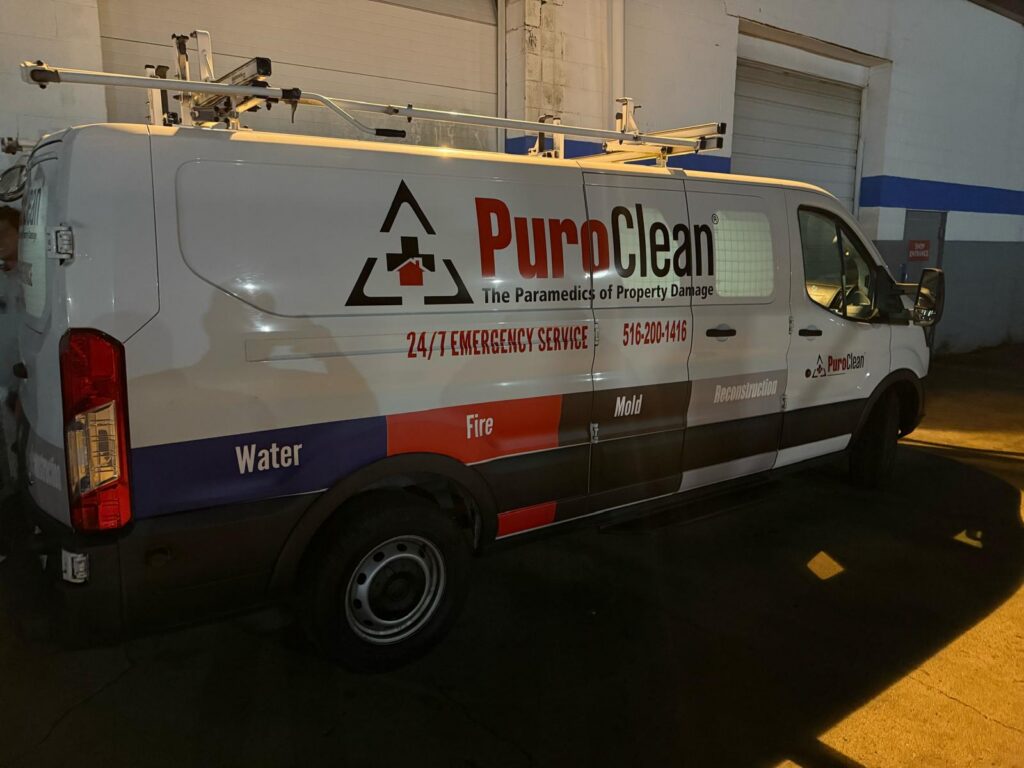
PuroClean of Baldwin proudly serves Baldwin, Lynbrook, Freeport, Rockville Centre, Merrick, Oceanside, Valley Stream, Elmont, Hempstead, Baldwin Harbor, North Baldwin, North Lynbrook, and all of Nassau County, Long Island.
Fire Damage Restoration • Water Damage Restoration • Mold Remediation • Sewage Cleanup • Biohazard Cleanup • 24/7 Emergency Response
Connect With Us on Social Media!
Facebook | Instagram | Twitter | NextDoor | Pinterest | Google Reviews | LinkedIn | Tiktok | YouTube


