


Table of Contents
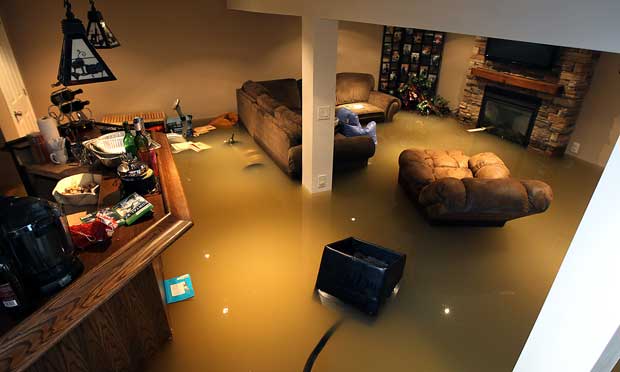
Water damage is one of the most stressful issues a property owner can face. It can happen suddenly from a burst pipe, roof leak, or heavy rain, and if not handled quickly, it can lead to mold growth, structural problems, and expensive repairs. Acting fast is the key to minimizing damage and restoring your home or business to a safe and healthy condition. When water damage strikes, professional help from PuroClean of Baldwin ensures your property is restored properly and efficiently.
Understanding Water Damage
Before you start fixing water damage, it’s important to understand what causes it and how it affects your property. Common causes include plumbing leaks, roof damage, flooding, and malfunctioning appliances. Even a small leak, when ignored, can lead to major problems such as warped floors, peeling paint, and mold infestation.
Water damage is classified into three main categories. Clean water damage comes from a sanitary source such as a broken water line or overflowing sink. Gray water damage contains mild contaminants from washing machines or dishwashers. Black water damage is the most severe and comes from sewage backups or floodwaters, containing harmful bacteria and chemicals that require professional attention. Recognizing these categories helps determine the best restoration approach.
Immediate Steps to Take
When water damage occurs, quick action can save you from long-term issues. The first step is to stop the source of water immediately. Turn off the main water supply if necessary. Next, ensure safety by cutting off power in the affected areas to prevent electrical hazards. Avoid walking through standing water if there are exposed wires or electrical outlets nearby. Once it’s safe, remove as much standing water as possible using mops, towels, or a wet vacuum. The faster you remove water, the easier it will be to prevent mold and reduce damage.
Water Extraction Process
Effective water extraction is a critical step in restoration. Professionals use specialized equipment like industrial pumps, wet vacuums, and truck-mounted extraction systems to remove large amounts of water quickly. While you can attempt small-scale extraction yourself, it’s best to rely on experts like PuroClean of Baldwin for extensive water removal. They use advanced tools that not only remove surface water but also extract moisture trapped within walls, floors, and other hidden areas.
Drying and Dehumidification
Even after the visible water is removed, excess moisture can linger in walls, floors, and air. This moisture can cause mold growth and damage materials if not properly dried. The drying process involves the use of air movers and dehumidifiers to remove remaining humidity and ensure a completely dry environment. Professionals monitor moisture levels using infrared cameras and hygrometers to detect hidden damp spots. This ensures every affected area is fully dry before moving on to cleaning and restoration.
Cleaning and Sanitizing
Cleaning is a vital part of the restoration process, especially if the water came from a contaminated source. Floodwater or sewage backups often contain bacteria, chemicals, and debris that can pose health risks. All affected surfaces should be disinfected with antimicrobial cleaning agents. Items like carpets, insulation, or upholstery that cannot be salvaged should be safely disposed of. Cleaning not only removes contaminants but also eliminates odors and prepares the area for repairs or restoration.
Mold Prevention and Removal
Mold can begin to grow within 24 to 48 hours after water exposure. Preventing mold is one of the most important parts of water damage restoration. Look out for musty odors, black or green spots on walls, or allergy symptoms such as sneezing and coughing—these may indicate mold growth. To prevent it, make sure all areas are completely dry and ventilated. If mold has already appeared, contact professionals like PuroClean of Baldwin who offer specialized mold remediation services. They use safe, effective methods to remove mold and restore clean air quality in your property.
Odor Elimination
Even after drying and cleaning, unpleasant odors may remain. These odors often result from bacteria, mold spores, or absorbed moisture in materials like carpets or drywall. Professionals use odor removal techniques such as thermal fogging and ozone treatment to neutralize lingering smells. This restores freshness and ensures your property smells clean and safe again.
Assessing Structural Damage
Water can compromise the strength and stability of your property. Wood may warp, drywall can soften, and ceilings may sag due to prolonged moisture exposure. A detailed structural assessment is necessary to identify weakened areas and determine which materials need replacement. Professionals carefully inspect walls, floors, and ceilings to ensure the property remains strong and safe after restoration.
Professional Restoration Services
While some minor water damage can be handled with DIY methods, severe damage requires professional help. PuroClean of Baldwin offers complete restoration services that include water extraction, drying, dehumidification, cleaning, and structural assessment. Their advanced technology helps detect hidden moisture and prevent future damage. Professional restoration ensures your property returns to its pre-damage condition quickly and safely, saving you time and reducing stress.
Preventive Maintenance Tips
Preventing water damage is always better than fixing it. Regularly inspect plumbing lines, roofs, and appliances for leaks. Clean your gutters and downspouts to direct water away from your foundation. Install leak detection alarms that alert you early to water leaks. Maintain good ventilation in bathrooms and basements to reduce humidity. These small steps can go a long way in protecting your property.
Handling Insurance Claims
Dealing with insurance after water damage can be stressful. Start by documenting the damage with clear photos and videos before cleanup begins. Keep a detailed record of all restoration expenses and receipts. Notify your insurance company immediately and provide the necessary documentation to support your claim. Professional restoration companies like PuroClean of Baldwin can also assist in working with your insurer to ensure a smoother claims process.
DIY vs. Professional Restoration
It’s tempting to fix water damage yourself, especially when the affected area seems small. However, not all damage is visible to the eye. Water can seep into walls, subfloors, and insulation, leading to future mold or rot issues if not handled properly. DIY methods work for minor leaks, but large-scale damage or contaminated water always requires expert attention. Professionals have the training, tools, and experience to restore your property safely and effectively.
Environmental Considerations
Modern restoration practices emphasize eco-friendly methods. Use environmentally safe cleaning products and ensure proper disposal of contaminated materials. This not only protects your health but also helps preserve the environment during the cleanup process.
Conclusion
Water damage can happen at any time, but how you respond determines the outcome. Acting fast reduces long-term costs and prevents further damage to your property. From stopping the water source to drying, cleaning, and restoring, every step plays a vital role in successful recovery. For the most effective and reliable restoration, PuroClean of Baldwin provides professional water damage solutions that restore your property quickly and safely. Their expertise ensures peace of mind during one of the most stressful situations any homeowner or business can face.
FAQs
What should I do first when I notice water damage?
Immediately stop the water source, turn off electricity in the affected area, and start removing standing water while ensuring safety.
How long does it take to dry a flooded area?
Drying time depends on the severity of the damage, but it usually takes between 24 hours and several days with proper drying equipment.
Can I clean mold myself after water damage?
Small mold spots can be cleaned, but widespread mold growth requires professional remediation to ensure safety and prevent recurrence.
Does homeowners insurance cover water damage?
Most insurance policies cover sudden and accidental water damage but exclude flooding caused by natural disasters, which often require separate flood insurance.
How can I prevent future water damage?
Regular maintenance, leak detection systems, and good ventilation are key to preventing future water damage issues.


