


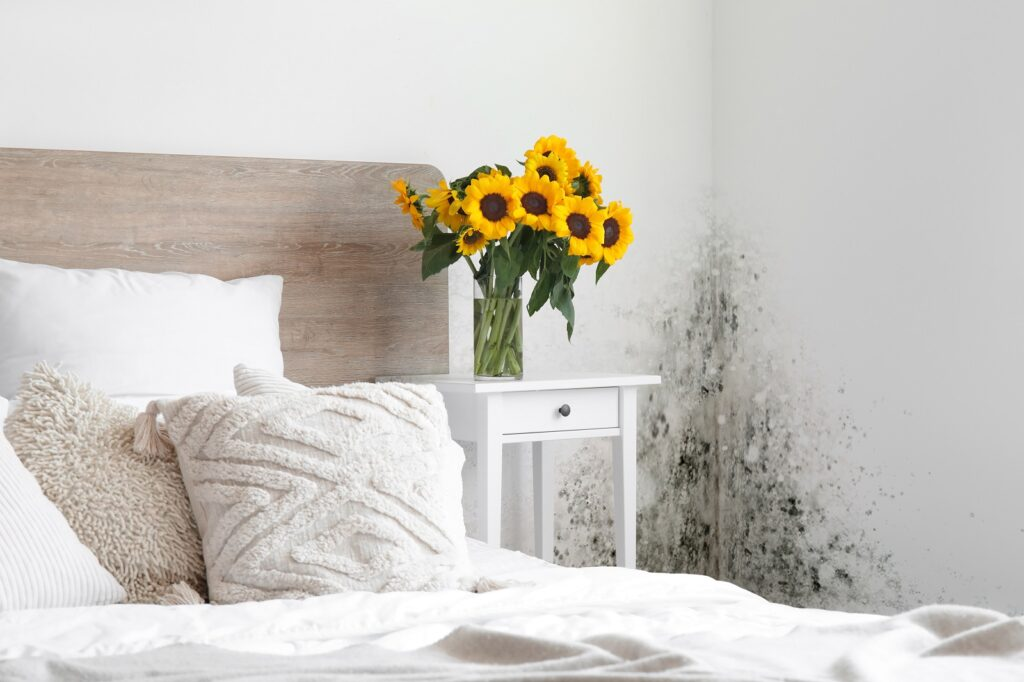
Living in Baldwin, New York, provides residents with beautiful coastal proximity, charming suburban neighborhoods, and a vibrant community atmosphere. However, being situated on the South Shore of Long Island also exposes our properties to unique environmental challenges. Chief among these regional climate challenges is the intense seasonal humidity that rolls in from the Atlantic Ocean, particularly during the warm spring and summer months.
While many homeowners view high humidity merely as an outdoor discomfort, it actually presents a severe threat to your indoor living environment. In Baldwin, NY, elevated indoor humidity levels make mold growth accelerate significantly faster, often leading to widespread contamination before a property owner even notices the problem. When atmospheric moisture levels rise, microscopic mold spores find the ideal environment required to germinate, colonize, and destroy building materials.
As professional restoration and remediation experts, PuroClean of Baldwin actively monitors these regional climate shifts to help protect our community. If you suspect that high humidity has already triggered a mold outbreak in your home, contact our local emergency line immediately at (516) 200-1416 for rapid, comprehensive inspection and mitigation.
Mold growth is not an issue that can be ignored or treated with superficial cosmetic fixes. It is a progressive biological hazard that can compromise your home’s structural integrity, ruin expensive personal belongings, and trigger a variety of respiratory health issues for your family. Understanding the exact relationship between relative humidity and fungal proliferation is the first step toward effective property defense.
This extensive, deep dive guide will explore the precise science behind how humidity accelerates mold development, identify the most vulnerable zones inside Baldwin homes, detail the hidden risks of ignoring moisture accumulation, outline proactive prevention strategies, and explain the professional remediation protocols required to restore a property back to safe, healthy indoor air quality standards.

The Biological Connection: Why Humidity Fuels Rapid Mold Growth
To understand why Baldwin properties are so susceptible to fungal outbreaks, it is necessary to examine the basic biology of mold. Mold spores are omnipresent in nature, drifting invisibly through both outdoor and indoor air at all times. Under normal, dry conditions, these dormant spores are entirely harmless. However, like any living organism, mold requires a specific set of environmental triggers to wake up from dormancy and begin its destructive lifecycle. These components include a viable organic food source, an appropriate temperature range, oxygen, and most importantly, an abundant supply of moisture.
The Role of Relative Humidity Thresholds
In the restoration industry, we continuously measure Relative Humidity, which represents the amount of water vapor present in the air compared to the maximum amount the air can hold at that specific temperature. The ideal, healthy relative humidity range for the interior of a residential property is between thirty percent and fifty percent. When indoor relative humidity levels consistently surpass sixty percent, the air becomes saturated enough to provide dormant mold spores with the sustained moisture they need to germinate. During hot Long Island summers, outdoor humidity frequently hits eighty to ninety percent, and without proper indoor climate control, indoor spaces quickly mirror these dangerous levels. Once a spore is exposed to a relative humidity level above sixty percent, it can sprout root like structures called hyphae within a mere twenty four to forty eight hours.
How Mold Consumes Your Home Structure
Unlike plants, which generate their own food through photosynthesis, mold is a saprophytic organism, meaning it survives by digesting dead organic matter. Unfortunately, modern residential homes are constructed out of abundant food sources for mold. Drywall paper backing, structural wood framing, plywood subfloors, carpet padding, ceiling tiles, and wallpaper are all composed of cellulose, a primary food source for fungal colonies. When high humidity dampens these cellulose rich materials, mold spores quickly anchor into the surface and begin secreting digestive enzymes. These enzymes break down the structural fibers of the material, allowing the mold to absorb nutrients. This biological consumption is what causes drywall to crumble, structural wood to rot, and paint to peel away from walls, permanently weakening the physical bones of your property.
Baldwin Home Hotspots: Where Humidity Accumulates and Mold Multiplies
While high humidity can affect an entire house, certain zones within Baldwin properties are highly vulnerable to moisture accumulation and subsequent rapid mold growth. Property owners should routinely inspect these critical hotspots to catch moisture issues before they escalate into massive remediation projects.
Subterranean Basements and Structural Crawlspaces
Basements and crawlspaces are notoriously prone to severe mold problems because they are surrounded by damp earth and naturally maintain cooler temperatures. When warm, humid air from a typical Baldwin summer afternoon enters a cool basement through windows, doors, or structural foundation cracks, it undergoes a rapid drop in temperature. Cooler air cannot hold as much moisture as warm air, causing the relative humidity in the basement to skyrocket, often leading to condensation on cold concrete walls and exposed copper plumbing lines. This continuous condensation creates a perfect breeding ground for mold, especially along basement baseboards, concrete block joints, and storage boxes sitting directly on the floor.
Attics and Roof Cavities with Poor Ventilation
Attics act as massive heat traps during the summer months. If an attic lacks adequate soffit, ridge, or gable ventilation, warm humid air rising from the living spaces below becomes trapped within the roof cavity. When evening temperatures drop, this trapped moisture condenses on the underside of the plywood roof sheathing. Over time, this cycle of daytime baking and nighttime condensation leads to black staining across the roof framing, a clear sign of systemic attic mold growth that can destroy your roof decking from the inside out.
Bathrooms, Kitchens, and High Moisture Utility Areas
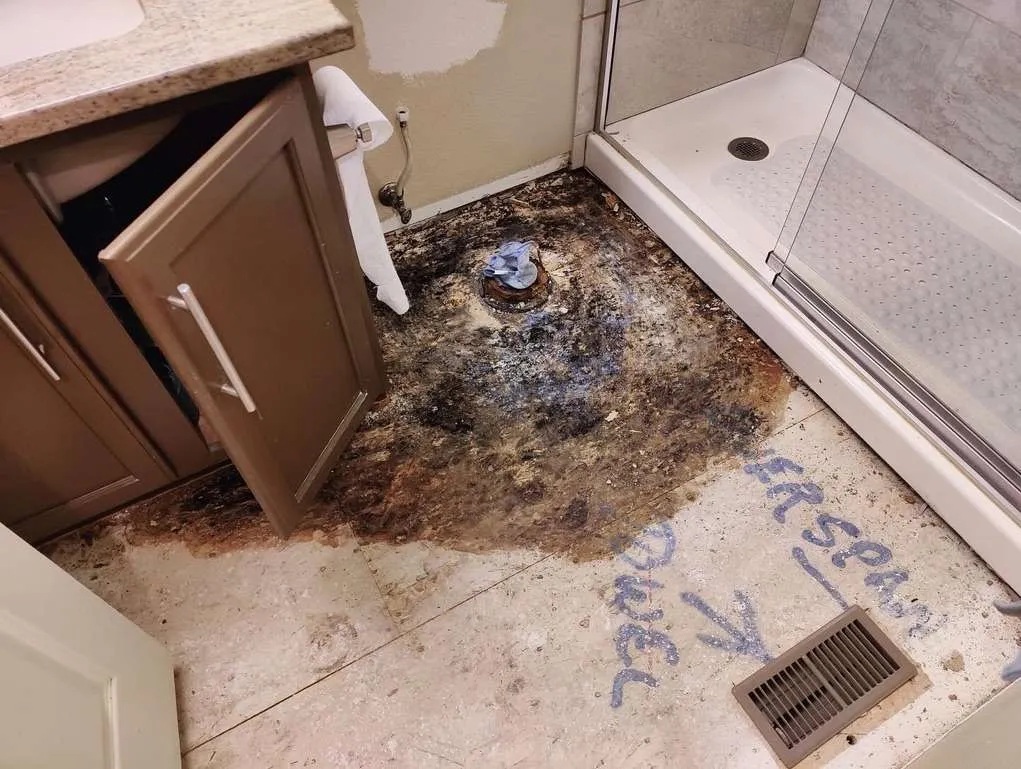
Rooms that feature heavy water usage naturally generate localized spikes in humidity. Showering, cooking, and running washing machines release significant amounts of steam into the indoor air. If a bathroom exhaust fan is broken or underpowered, that moisture settles directly onto drywall ceilings and grout lines. We frequently discover extensive mold colonies developing hidden behind kitchen cabinets and bathroom vanities where humid air becomes trapped in unventilated gaps, compounded by minor plumbing pipe leaks under the sink.
Staircases and Enclosed Storage Closets
Enclosed architectural spaces like under-stair storage closets and deep pantries suffer from a complete lack of airflow. Without mechanical ventilation or regular air movement, humid air settles into these small zones and becomes stagnant. If cardboard boxes, seasonal clothing, or leather shoes are stored in these humid, stagnant pockets, they absorb the airborne moisture and quickly develop a fuzzy coating of white or green mold.
The Compounding Effect: Past Water Damage and Ambient Humidity
The risk of humidity accelerated mold growth is exponentially higher in homes that have recently experienced unresolved water damage incidents. For example, if a home previously suffered a second floor pipe burst that saturated a kitchen ceiling or leaked down into continuous hardwood flooring, the hidden structural elements within those floor assemblies can remain damp for weeks if professional drying was not executed. When you combine pre existing subsurface moisture with high ambient indoor humidity during a hot Nassau County summer, you create a compounding effect. The trapped water wicks outward while the humid indoor air prevents evaporation, resulting in an explosive rate of fungal growth that can ruin entire walls, multi room wood floors, and ceiling networks from the inside out.
The Hidden Dangers of Ignoring Humidity Driven Mold Proliferation
Allowing humidity levels to remain unchecked and ignoring early signs of mold growth can have severe long term consequences for both your household health and your financial stability.
Severe Indoor Air Quality and Respiratory Health Risks
As mold colonies expand, they continuously release millions of microscopic spores and volatile organic compounds (VOCs) directly into your home’s indoor air currents. Inhaling these airborne particles can trigger significant health complications, particularly for children, the elderly, and individuals with pre existing respiratory conditions like asthma or chronic allergies. Common symptoms of indoor mold exposure include chronic coughing, sneezing, nasal congestion, watery eyes, skin rashes, and severe headaches. In prolonged exposure scenarios, certain toxic molds like Stachybotrys chartarum, commonly known as black mold, can produce mycotoxins that lead to chronic fatigue and systemic inflammation.
Widespread Structural Degradation and Asset Loss
As mold breaks down cellulose fibers, the structural integrity of your home actively deteriorates. Drywall that becomes structurally compromised by mold cannot be repaired, it must be completely cut out and replaced. Load bearing wood studs can develop dry rot over time if moisture and mold are allowed to persist, necessitating expensive structural sistering or total replacement. Furthermore, mold can easily ruin expensive furniture, heirloom textiles, clothing collections, and sensitive electronics, leading to massive out of pocket financial losses.
Proactive Prevention Strategies for Baldwin Homeowners
The key to successful mold prevention is maintaining absolute control over your property’s indoor climate. By implementing these professional digital marketing and operational recommendations, you can effectively insulate your Baldwin home from humidity driven fungal outbreaks.
1. Deploy Commercial Grade Dehumidifiers: If your basement or crawlspace regularly smells musty or registers a relative humidity level above fifty five percent, installing a high capacity, dedicated dehumidifier is mandatory. Ensure the unit is rated for the square footage of the space and set it to automatically maintain a target relative humidity of forty five percent. For maximum efficiency, configure the dehumidifier to drain directly into a sump pump or floor drain so it can run continuously without requiring manual emptying.
2. Optimize Mechanical Airflow and Ventilation: Utilize your home’s central air conditioning system during humid months, as AC units naturally extract moisture from the air while cooling the space. Ensure your bathroom and kitchen exhaust fans are fully operational and vented directly to the exterior of the home, never into the attic space. Run bathroom fans for at least twenty minutes after every shower to clear localized moisture completely.
Read Also: When Is Mold Season? Understanding Mold Growth Timing
3. Schedule Professional HVAC Maintenance: A dirty or poorly maintained air conditioning system cannot manage humidity levels effectively. Clogged air filters restrict airflow, while dirty evaporator coils drop the system’s moisture removal capacity. Schedule regular seasonal tune ups with a certified technician to ensure your cooling system is operating at peak dehumidification efficiency.
4. Correct Exterior Drainage and Grading Concerns: High indoor humidity in basements is frequently exacerbated by exterior water pooling against the foundation. Ensure your roof gutters are completely clear of leaves and debris, and extend downspout lines at least six feet away from your home’s foundation walls. Inspect the grading around your property to confirm that soil slopes gently away from the structure, preventing rainwater from saturating the earth adjacent to your basement walls.
The Professional PuroClean Mold Remediation Protocol
If mold has already established a foothold in your Baldwin property, household cleaning products like bleach will not solve the problem. Bleach is primarily composed of water, when applied to porous surfaces like drywall, the chemical components remain on the surface while the water sinks deep into the material, inadvertently feeding the sub surface mold roots. True eradication requires the scientific protocols executed by PuroClean of Baldwin. Our team adheres strictly to the IICRC S520 standard for professional mold remediation, ensuring safe, total elimination through a verified multi step sequence.
Comprehensive Inspection and Moisture Profiling
We begin by using advanced digital moisture meters and thermal imaging cameras to discover the hidden source of moisture fueling the mold growth. Our certified technicians assess the full scope of the contamination, identifying hidden mold colonies growing inside wall cavities or beneath flooring systems to ensure no pockets of growth are overlooked.
Establishment of Critical Legal Containment Zones
To prevent mold spores from cross contaminating unaffected rooms during the cleanup process, we build rigid physical containment walls using heavy duty six mil polyethylene plastic sheeting. We install commercial air scrubbers equipped with industrial HEPA filters to create a negative air pressure environment inside the work zone. This specialized airflow ensures that any spores disturbed during remediation are captured by our filtration systems rather than escaping into your general living spaces.
Meticulous Source Removal and Controlled Demolition
Non salvageable porous materials that have been deeply penetrated by mold colonies are carefully cut out and removed under negative pressure. This includes contaminated drywall, saturated insulation, and ruined carpet padding. These materials are immediately double bagged and sealed before being transported out of the property to ensure safety compliance.
HEPA Vacuuming and Detailed Surface Decontamination
Remaining solid structural materials, such as wood framing and concrete block, undergo intensive physical cleaning. We use specialized HEPA vacuums to pull loose spores directly off the surfaces. Next, our teams perform meticulous hand wiping and surface scrubbing using EPA registered, hospital grade antimicrobial solutions that completely neutralize fungal roots at a molecular level.
Post Remediation Verification and Rebuilding
Once the physical and chemical cleaning stages are complete, we run our air scrubbers continuously to clear the indoor air volume completely. We can coordinate independent post remediation environmental testing to provide third party verification that indoor spore counts have returned to normal, safe baseline levels. Following validation, our construction division seamlessly manages the structural rebuilding phase, replacing drywall and finishes to return your property back to pre loss condition.
Frequently Asked Questions (FAQs) About Humidity and Mold in Baldwin NY
Can high indoor humidity alone cause a mold outbreak?
Yes, if indoor relative humidity levels remain consistently above sixty percent for more than forty eight hours, airborne mold spores can settle onto porous surfaces and begin germinating without requiring an active plumbing leak or flooding event. Controlling ambient air moisture is just as vital as stopping liquid water leaks.
Why is bleach ineffective for cleaning mold on drywall?
Bleach is an aqueous solution, meaning its chemical structure prevents it from penetrating deeply into porous materials like drywall or plywood. While it may bleach the surface color, making it appear clean, the roots of the mold remain alive inside the wall. As the chemical dissipates, the high water content of the bleach sinks into the material, providing the surviving roots with a direct source of moisture that fuels rapid regrowth.
How long does the professional mold remediation process take?
A typical professional mold remediation project takes between three to five days to complete, depending on the physical size of the affected zone, the depth of structural contamination, and the amount of controlled demolition required. PuroClean provides an explicit timeline estimate following our initial structural assessment.
Will my homeowners insurance policy cover humidity related mold remediation?
Most standard homeowners insurance policies cover mold remediation only if the mold development was directly triggered by a sudden, accidental water peril that is covered under the policy, such as a major pipe burst or a hot water heater rupture. Gradual mold growth caused by a general failure to maintain indoor humidity levels, poor roof ventilation, or long term exterior grading neglect is typically excluded from standard coverage. Our office staff works directly with your insurance adjuster to help clarify coverage parameters for your specific claim.
What is the difference between green mold and toxic black mold?
While certain mold strains like Stachybotrys chartarum (black mold) are known to produce dangerous mycotoxins under specific conditions, all indoor mold strains pose health and structural risks. Color is not an accurate indicator of a mold strain’s toxicity level, as many benign molds can appear black, and dangerous molds can look green or white. The restoration industry treats all indoor fungal accumulation as a hazard requiring identical containment and professional source removal protocols.
How can I check the indoor humidity levels in my Baldwin home?
The easiest and most accurate method is to purchase a digital hygrometer, an affordable electronic device available at local Nassau County hardware stores. Place the hygrometer in high risk zones like your basement, crawlspace, or attic to track your indoor relative humidity daily. If the device consistently reads above fifty five percent, you should take immediate mechanical steps to lower the moisture load.
Partner with Your Local Mold Remediation Leaders Today
Do not allow high summer humidity to transform your beautiful Baldwin property into a breeding ground for dangerous biological hazards. Proactive tracking, moisture control, and rapid professional intervention are your absolute best defenses against the hidden threat of mold growth.
If you have discovered a musty odor, visible staining, or widespread biological growth inside your property, remember that time is your greatest adversary. Contact the trusted local experts at PuroClean of Baldwin right away at (516) 200-1416 to schedule a comprehensive structural evaluation. Our highly trained, compassionate emergency teams are fully mobilized and standing by twenty four hours a day, seven days a week, to restore your indoor air quality, defend your property structure, and deliver total peace of mind.
Call PuroClean of Baldwin any time, 24 hours a day, 7 days a week. We serve Baldwin, Freeport, Rockville Centre, Merrick, Bellmore, Oceanside, Valley Stream, Lynbrook, and all of Nassau County with immediate emergency fire damage restoration response.
Connect With Us on Social Media!
Facebook | Instagram | Twitter | NextDoor | Pinterest | Google Reviews | LinkedIn | Tiktok | YouTube


