


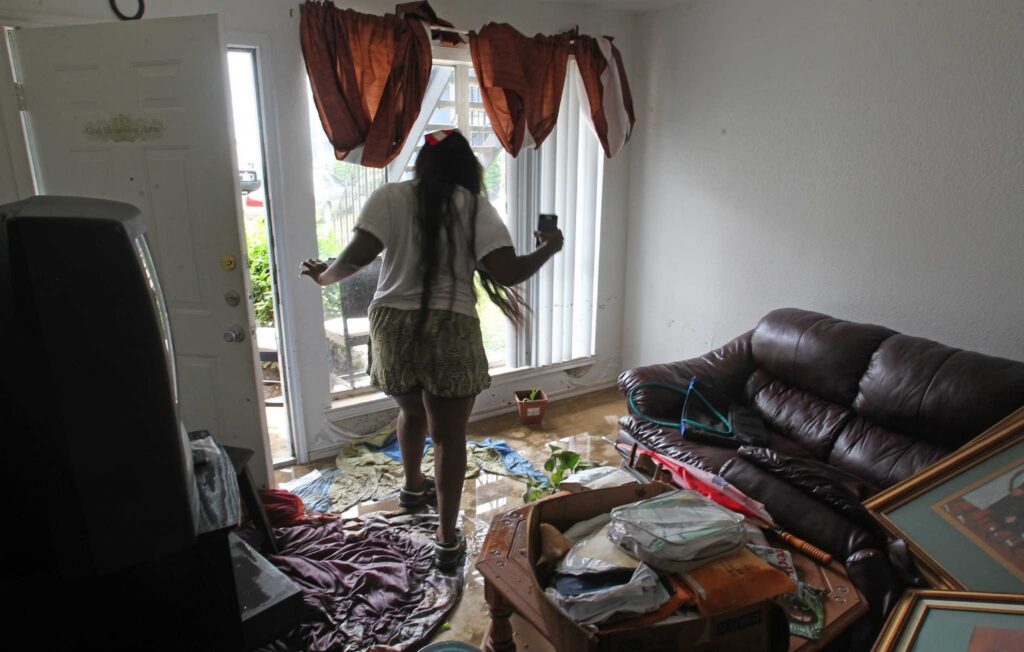
Water damage is not a static event; it is a progressive chemical and physical assault on your property’s integrity. In Baldwin, where many homes feature classic construction materials like Douglas fir framing and traditional plaster or modern gypsum drywall, the clock begins the millisecond moisture makes contact.
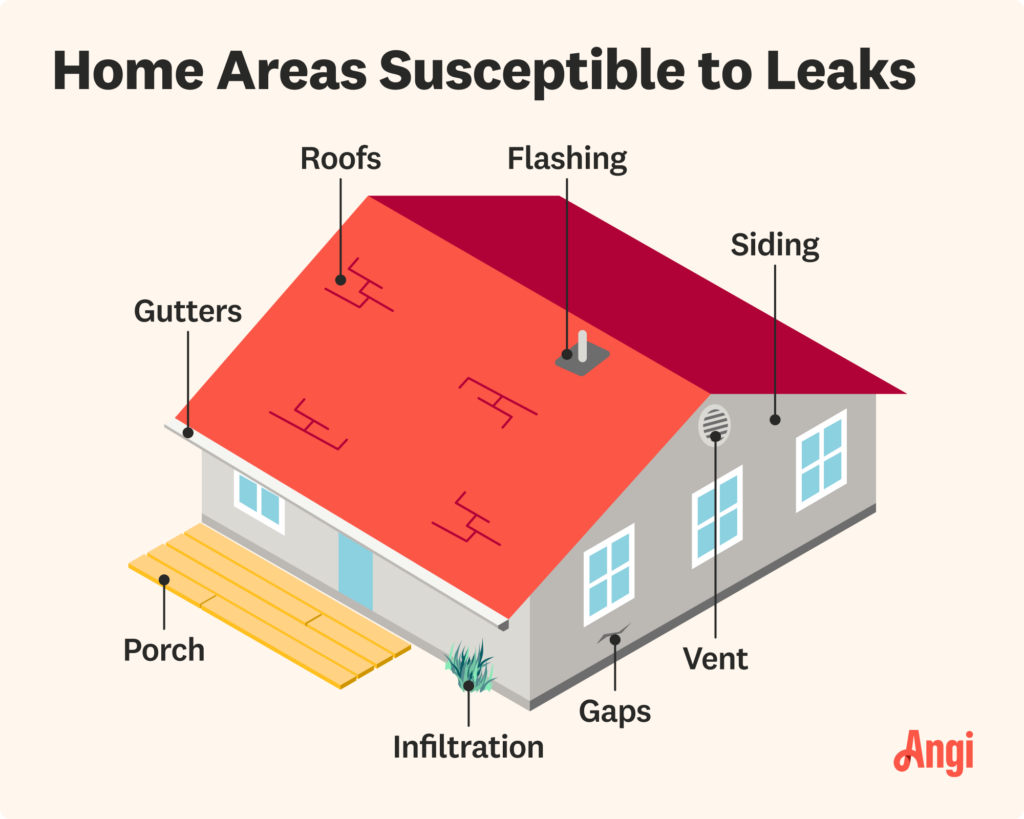
Within the first hour, water follows the path of least resistance, dictated by gravity and the capillary action of porous materials. It doesn’t just sit on the surface; it wicks into the fibers of your carpets and the cellular structure of your subflooring.
Further investigation into the immediate onset: minutes 1-60 reveals that for Baldwin residents, the local infrastructure and building codes also dictate the restoration path. Because many of our local properties date back to the mid-20th century, the materials used are often more substantial than modern ‘fast-build’ homes, meaning they hold more water and require more energy to dry. We must account for the thermal mass of the building when calculating the required dehumidification gallons per day. This is why a one-size-fits-all approach to water damage fails. Every Baldwin home has a unique ‘moisture fingerprint’ that must be mapped by a technician using calibrated sensors.
In a typical Baldwin colonial, a kitchen supply line leak can send water across a linoleum floor and directly under the baseboards in minutes. This is the ‘silent spread.’ Once water reaches the wall cavity, it begins to saturate the bottom of the wall studs. This moisture is hidden from the naked eye, but it is already beginning to weaken the adhesive bonds in floor tiles and start the oxidation process on any metal fasteners or electrical boxes it encounters. For homeowners, the first hour is the window of maximum opportunity to mitigate costs by stopping the source and beginning the extraction process before deep saturation occurs.
Further investigation into the immediate onset: minutes 1-60 reveals that for Baldwin residents, the local infrastructure and building codes also dictate the restoration path. Because many of our local properties date back to the mid-20th century, the materials used are often more substantial than modern ‘fast-build’ homes, meaning they hold more water and require more energy to dry. We must account for the thermal mass of the building when calculating the required dehumidification gallons per day. This is why a one-size-fits-all approach to water damage fails. Every Baldwin home has a unique ‘moisture fingerprint’ that must be mapped by a technician using calibrated sensors.
The 24-Hour Threshold: The Chemical Shift
As we cross the 24-hour mark, the nature of the damage changes from a simple wet surface to a chemical reaction. In the humid coastal air of Nassau County, the evaporation rate is often lower than in inland regions. This means the materials stay saturated longer. Wood begins to swell as the moisture content (MC) rises above the fiber saturation point. In Baldwin’s many finished basements, this is the time when particle board furniture—like bookshelves or entertainment centers—begins to disintegrate beyond repair.
Further investigation into the 24-hour threshold: the chemical shift reveals that for Baldwin residents, the local infrastructure and building codes also dictate the restoration path. Because many of our local properties date back to the mid-20th century, the materials used are often more substantial than modern ‘fast-build’ homes, meaning they hold more water and require more energy to dry. We must account for the thermal mass of the building when calculating the required dehumidification gallons per day. This is why a one-size-fits-all approach to water damage fails. Every Baldwin home has a unique ‘moisture fingerprint’ that must be mapped by a technician using calibrated sensors.
Read Also: What to Do After Water Damage: 7 Steps to Take
During this period, the ‘musty’ smell associated with water damage often begins to manifest. This isn’t just a smell; it is the off-gassing of materials as they react to the water. In the case of grey water (like a washing machine overflow) or black water (sewage), the bacterial load begins to multiply exponentially. Even ‘clean’ water from a pipe burst quickly becomes ‘grey’ as it picks up dust, debris, and residues from the building materials it traverses. By the end of day one, the risk to electronics increases as high humidity levels can cause internal corrosion even if the device was never directly submerged.
Further investigation into the 24-hour threshold: the chemical shift reveals that for Baldwin residents, the local infrastructure and building codes also dictate the restoration path. Because many of our local properties date back to the mid-20th century, the materials used are often more substantial than modern ‘fast-build’ homes, meaning they hold more water and require more energy to dry. We must account for the thermal mass of the building when calculating the required dehumidification gallons per day. This is why a one-size-fits-all approach to water damage fails. Every Baldwin home has a unique ‘moisture fingerprint’ that must be mapped by a technician using calibrated sensors.
The 48-Hour Critical Window: Mold and Microbes

The 48-hour mark is the industry-standard ‘point of no return’ for mold prevention. Mold spores are omnipresent in Baldwin homes, dormant and waiting for the right conditions. Once a substrate like drywall paper or wood remains at a high moisture content for 48 hours, these spores germinate. This is a critical distinction in restoration: before 48 hours, we are drying a building; after 48 hours, we are often performing microbial remediation.
Further investigation into the 48-hour critical window: mold and microbes reveals that for Baldwin residents, the local infrastructure and building codes also dictate the restoration path. Because many of our local properties date back to the mid-20th century, the materials used are often more substantial than modern ‘fast-build’ homes, meaning they hold more water and require more energy to dry. We must account for the thermal mass of the building when calculating the required dehumidification gallons per day. This is why a one-size-fits-all approach to water damage fails. Every Baldwin home has a unique ‘moisture fingerprint’ that must be mapped by a technician using calibrated sensors.
Case Example: A property near Milburn Creek experienced a slow leak in a basement utility room. Because the room was rarely used, the leak went unnoticed for two days. When our team arrived, the moisture had traveled six feet up the drywall through capillary action. Because the 48-hour window had passed, the drywall could not simply be dried in place. The structural integrity of the gypsum had failed, and mold colonies were already forming on the backside of the wall, hidden from the homeowner. This required a ‘flood cut,’ removing the bottom two feet of drywall throughout the room to ensure all contaminated material was removed.
Further investigation into the 48-hour critical window: mold and microbes reveals that for Baldwin residents, the local infrastructure and building codes also dictate the restoration path. Because many of our local properties date back to the mid-20th century, the materials used are often more substantial than modern ‘fast-build’ homes, meaning they hold more water and require more energy to dry. We must account for the thermal mass of the building when calculating the required dehumidification gallons per day. This is why a one-size-fits-all approach to water damage fails. Every Baldwin home has a unique ‘moisture fingerprint’ that must be mapped by a technician using calibrated sensors.
Long-Term Structural Decay: 72 Hours to One Week
After 72 hours, the damage is no longer just a nuisance; it is a structural threat. Wood flooring, particularly the oak or maple common in Baldwin, will experience ‘cupping’ or ‘crowning.’ This is where the edges of the boards expand more than the center, creating a wavy surface. If the moisture is not removed immediately using high-pressure drying mats, these floors will be permanently ruined.
Further investigation into long-term structural decay: 72 hours to one week reveals that for Baldwin residents, the local infrastructure and building codes also dictate the restoration path. Because many of our local properties date back to the mid-20th century, the materials used are often more substantial than modern ‘fast-build’ homes, meaning they hold more water and require more energy to dry. We must account for the thermal mass of the building when calculating the required dehumidification gallons per day. This is why a one-size-fits-all approach to water damage fails. Every Baldwin home has a unique ‘moisture fingerprint’ that must be mapped by a technician using calibrated sensors.
By the end of the first week, the biological growth has likely spread to other areas of the house through the HVAC system. The humidity levels in a Baldwin home after a major flood can easily reach 90%, causing secondary damage. This includes peeling wallpaper in rooms that weren’t even flooded and the warping of wooden doors in their frames. The cost of restoration at the one-week mark is typically 4 to 5 times higher than if the project had been started on day one. At this stage, the focus shifts to major demolition and replacing structural supports that have begun to rot.
Further investigation into long-term structural decay: 72 hours to one week reveals that for Baldwin residents, the local infrastructure and building codes also dictate the restoration path. Because many of our local properties date back to the mid-20th century, the materials used are often more substantial than modern ‘fast-build’ homes, meaning they hold more water and require more energy to dry. We must account for the thermal mass of the building when calculating the required dehumidification gallons per day. This is why a one-size-fits-all approach to water damage fails. Every Baldwin home has a unique ‘moisture fingerprint’ that must be mapped by a technician using calibrated sensors.
Baldwin NY Environmental Factors

Baldwin’s geography plays a massive role in how water spreads. Being situated on the South Shore of Long Island means we deal with a high water table. When a home floods, the ground outside is often also saturated, preventing the water from naturally draining away from the foundation. This creates hydrostatic pressure, which can push water through microscopic cracks in a concrete basement floor, making a simple pump-out job much more difficult.
Further investigation into baldwin ny environmental factors reveals that for Baldwin residents, the local infrastructure and building codes also dictate the restoration path. Because many of our local properties date back to the mid-20th century, the materials used are often more substantial than modern ‘fast-build’ homes, meaning they hold more water and require more energy to dry. We must account for the thermal mass of the building when calculating the required dehumidification gallons per day. This is why a one-size-fits-all approach to water damage fails. Every Baldwin home has a unique ‘moisture fingerprint’ that must be mapped by a technician using calibrated sensors.
Furthermore, the salt air in our coastal community can accelerate the corrosion of electrical components exposed to water. Wiring that has been submerged for more than a few hours in a Baldwin basement often needs to be inspected by a licensed electrician to ensure it hasn’t become a fire hazard. The combination of high humidity, coastal air, and the specific age of Baldwin’s housing stock creates a ‘perfect storm’ for rapid water damage progression.
Further investigation into baldwin ny environmental factors reveals that for Baldwin residents, the local infrastructure and building codes also dictate the restoration path. Because many of our local properties date back to the mid-20th century, the materials used are often more substantial than modern ‘fast-build’ homes, meaning they hold more water and require more energy to dry. We must account for the thermal mass of the building when calculating the required dehumidification gallons per day. This is why a one-size-fits-all approach to water damage fails. Every Baldwin home has a unique ‘moisture fingerprint’ that must be mapped by a technician using calibrated sensors.
Professional Mitigation vs. DIY Drying
Many homeowners in Nassau County attempt to dry their homes using household fans and shop-vacs. While this is a good first step, it is rarely enough to stop the spread. Household fans only move air across the surface; they do not address the moisture trapped inside the walls or under the flooring. Professional restoration teams use LGR (Low Grain Refrigerant) dehumidifiers that can pull moisture out of the air even in low-humidity environments, and axial air movers that create high-velocity airflow to ‘strip’ moisture from the surface of building materials.
Further investigation into professional mitigation vs. diy drying reveals that for Baldwin residents, the local infrastructure and building codes also dictate the restoration path. Because many of our local properties date back to the mid-20th century, the materials used are often more substantial than modern ‘fast-build’ homes, meaning they hold more water and require more energy to dry. We must account for the thermal mass of the building when calculating the required dehumidification gallons per day. This is why a one-size-fits-all approach to water damage fails. Every Baldwin home has a unique ‘moisture fingerprint’ that must be mapped by a technician using calibrated sensors.
Without professional moisture meters and thermal imaging cameras, it is impossible to know if a home is truly dry. Water can hide behind a perfectly dry-looking wall for weeks, slowly rotting the studs and creating a massive mold problem that won’t be discovered until someone gets sick. In Baldwin, where homes are packed closely together, the moisture can even affect shared walls or crawl spaces, making professional verification essential for both health and property value.
Further investigation into professional mitigation vs. diy drying reveals that for Baldwin residents, the local infrastructure and building codes also dictate the restoration path. Because many of our local properties date back to the mid-20th century, the materials used are often more substantial than modern ‘fast-build’ homes, meaning they hold more water and require more energy to dry. We must account for the thermal mass of the building when calculating the required dehumidification gallons per day. This is why a one-size-fits-all approach to water damage fails. Every Baldwin home has a unique ‘moisture fingerprint’ that must be mapped by a technician using calibrated sensors.
Conclusion: The Cost of Delay
In the restoration industry, we say that water is a ‘live’ emergency. It doesn’t wait for insurance adjusters, and it doesn’t wait for a convenient time. In Baldwin, NY, the rapid spread of water damage through our unique coastal homes requires immediate, high-tech intervention. By understanding the timeline—from the first hour of saturation to the 48-hour mold threshold—you can make the decisions necessary to protect your investment and your family’s health.
Connect With Us on Social Media!
Facebook | Instagram | Twitter | NextDoor | Pinterest | Google Reviews | LinkedIn | Tiktok | YouTube


