


Table of Contents
Water damage and mold growth are inextricably linked, representing one of the most dangerous combinations a homeowner can face. Many people don’t realize that mold isn’t something that develops weeks after water damage, it’s already establishing itself while you’re still dealing with the water.
Mold Removal in Baldwin, NY
Understanding exactly how fast mold grows after water damage is critical information that can mean the difference between a minor cleanup and a major home restoration project costing tens of thousands of dollars.

This comprehensive guide will walk you through the mold growth timeline, the factors that accelerate its development, and the urgent steps you need to take to prevent catastrophic infestation.
The Critical Timeline: How Quickly Mold Really Grows
The most important fact every homeowner needs to understand is this: mold can start growing on moist surfaces within 24 to 48 hours American Red Cross. This isn’t theoretical, it’s a documented reality supported by the Environmental Protection Agency and confirmed by countless restoration professionals. The speed is shocking to most people, but it explains why water damage professionals emphasize such urgency when responding to water incidents.
However, understanding that mold starts growing in 24 to 48 hours is only part of the story. The growth timeline extends much further:
Hours 0-24: Mold spores begin to attach to damp surfaces and spread. Chubb At this stage, mold growth is microscopic and invisible to the naked eye. You won’t see it, smell it, or know it’s there yet. But the colonization process has begun, and mold spores are actively settling on every damp surface, finding the perfect conditions to reproduce.
Days 1-12: Spores continue to grow and multiply, becoming visible on surfaces. Chubb During this period, what started as invisible spores begin clustering into visible colonies. In most cases, it can take 12 days for the mold spores to colonize and then 21 days before the mold becomes visible. Consumer Reports This variation depends heavily on environmental conditions, temperature, humidity, airflow, and the type of materials affected.
Read Also: How Water Damage Leads to Mold Growth in Your Home
Weeks 2-3: Mold colonies become well-established, potentially causing structural damage and health issues. Chubb By this point, mold isn’t just a surface problem anymore. Mold spores that start to colonize on surfaces within 24 hours become visible in about 18 to 21 days of the flooding. State Farm In real-world conditions without aggressive drying and restoration, mold has penetrated into porous materials like drywall, insulation, and wood. The damage is becoming structural, not just cosmetic.
This timeline illustrates why professionals emphasize the “golden window” of the first 24 to 48 hours. Every hour you delay in addressing water damage increases mold risk exponentially. What could have been prevented with immediate action becomes an entrenched problem requiring professional remediation.
Why Mold Grows So Aggressively After Water Damage
Mold doesn’t grow this aggressively by accident. Understanding the conditions that fuel this rapid growth helps you prevent it. Mold requires three conditions to thrive: a food source (any carbon-based material), a moisture source (constant dampness), and protection from sunlight (dark, hidden places). American Red Cross
Water damage creates all three conditions simultaneously. Your home’s building materials, wood framing, drywall, insulation, carpet, and subflooring, are essentially mold food. When water saturates these materials, it provides the moisture source. And damaged homes inevitably have areas that are dark and poorly ventilated, the perfect mold habitat.
Temperature plays a critical role in mold growth speed. Mold thrives in environments with high moisture content, typically around 70% or higher, and grows faster on softer surfaces in darker, warmer (70 degrees or more), and more humid environments. State of Michigan Baldwin homes, particularly during humid seasons and in basements where temperatures remain consistent and warm, create ideal mold conditions.
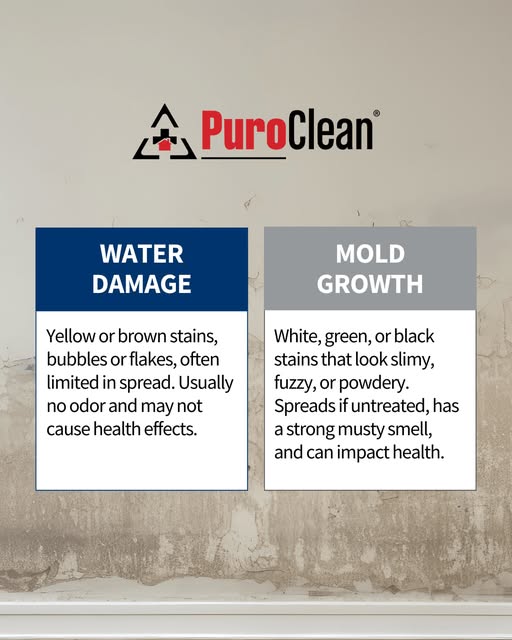
💧 Did you know? Water damage and mold growth each have their telltale signs!
The type of material matters enormously. Mold feeds on organic materials, such as wood, drywall, or carpeting. These materials absorb moisture and provide a nutrient source, promoting mold growth. State of Michigan If your water damage affects basement framing, drywall, or carpet, the most common scenarios, you’re dealing with materials mold absolutely loves. Hard surfaces like tile or concrete are far less susceptible to rapid mold colonization.
The Critical First 48 Hours: Your Window of Opportunity
If there’s one takeaway from understanding mold growth, it’s this: the first 48 hours after water damage are the difference between prevention and remediation. If excess moisture in your home is left unchecked for longer than 48 hours, there is a good chance that mold will grow. According to the EPA, if you are not able to thoroughly dry your home within 24 to 48 hours after a flood, you should assume that you have mold growth. Protect Your Pipes
This is a bold statement, but it reflects the reality of mold growth. Within 48 hours, mold colonization may already be occurring on microscopic levels. After 48 hours without intervention, you’re no longer working on prevention, you’re already dealing with an active mold problem, even if it’s not yet visible.
The implication is clear: when water damage occurs, your immediate priority isn’t salvaging possessions or addressing the water source, it’s drying everything as completely as possible within 48 hours. This is why water damage restoration companies emphasize rapid response and why homeowners should never wait to call professionals after significant water events.
Factors That Accelerate Mold Growth
While 24 to 48 hours is the baseline for mold colonization, several factors can significantly accelerate this timeline. Understanding these accelerators helps you identify high-risk situations and respond accordingly.

Type of water matters. Contaminated water, from sewage backups, floodwater, or other sources, accelerates mold growth. Contaminated water contains additional organic materials that mold feeds on voraciously. If your water damage involves anything other than clean water from a burst pipe or rain, expect mold to establish faster.
Humidity levels. Humidity, temperature, airflow, and contaminant level can help mold spread much faster throughout a property. City of Somerville Baldwin’s climate during humid seasons creates naturally high humidity. If a water damage incident occurs during these periods, mold growth accelerates dramatically. Humidity above 70 percent creates ideal mold conditions.
Temperature. Warm water damage incidents are far more problematic than cold-weather incidents. A basement flood in summer at 75 degrees Fahrenheit creates mold conditions exponentially faster than the same flood in winter. This is why spring and summer water damage is often more serious than winter incidents.
Ventilation and airflow. Poorly ventilated areas, basements, crawl spaces, interior closets, create stagnant air that prevents moisture from evaporating. These areas become mold incubators. Well-ventilated areas with moving air dry faster and resist mold colonization.
Material composition. If your water leak is spilling onto surfaces that are made of organic materials, such as wood and rugs, you’ll want to dry up the area as soon as possible. Mold loves to grow on organic materials, so you can typically expect it to grow much faster in these areas. Consumer Reports Basements with wood framing, carpet, or wooden subflooring are high-risk environments for rapid mold growth.
Where Mold Most Commonly Appears After Water Damage
Mold doesn’t distribute randomly after water damage. Certain locations within your home are far more prone to rapid mold colonization. Understanding these hotspots helps you prioritize drying and monitoring efforts.
Common places for mold growth include wood, paper products, cardboard, and ceiling tiles. However, it can also grow in wallpaper, drywall, insulation, carpet, and fabric. Travelers Insurance Most of these materials are structural components in Baldwin homes, particularly in basements.
Basements are the most obvious mold danger zone after water damage. Basements are naturally damp, often poorly ventilated, and frequently contain the porous materials mold loves. Water that reaches basement areas will seed mold colonies that, if left unattended, spread rapidly throughout the space.
Crawl spaces present similar challenges, dark, damp, hard-to-access areas where mold thrives invisibly for extended periods.
Walls and wall cavities are particularly insidious mold locations. Mold can live behind walls, under carpets, and inside ventilation systems, spreading quickly and lowering air quality and impacting human health. AccuWeather When water penetrates walls, it soaks insulation and the interior of wall cavities. Without professional drying equipment, this moisture remains trapped, creating perfect mold conditions for weeks. By the time mold penetrates to visible surfaces, extensive hidden damage has already occurred.
Windows and around condensation areas also develop mold rapidly, as they’re chronically damp due to temperature differentials and condensation.
Signs of Mold Growth After Water Damage
Early detection of mold growth gives you the best chance of limiting damage. Several warning signs appear as mold colonizes:
Read Also: How Fast Can Mold Grow After Water Damage?
Musty odor: A ‘musty’ scent is another common sign of mold growth, and you may even notice this before mold growth becomes visible. This wet or stale odor is helpful indicator of a mold issue in areas that are not as easy to inspect visually. City of Somerville This smell often appears before you can see mold, making it a valuable early warning system.
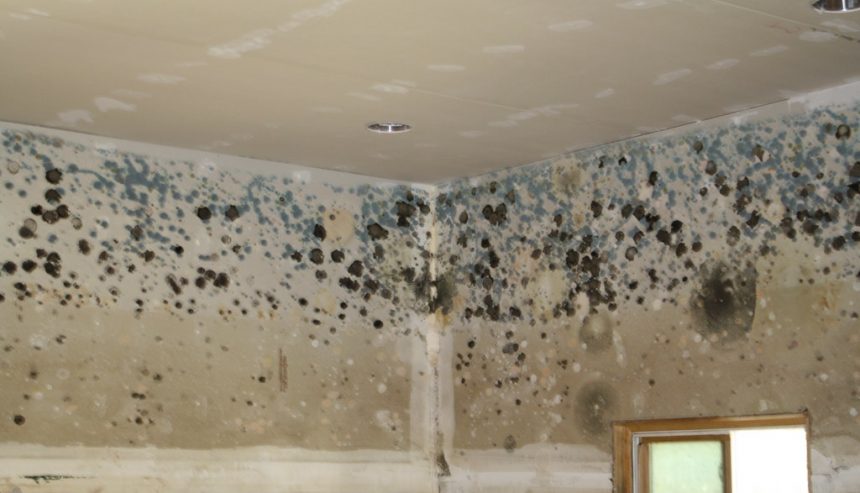
Visible spots and discoloration: Black, green, or brown spots appearing on ceilings, walls, and/or around windows are “observable” signs of the development of mold colonies. AccuWeather These spots may appear as fuzzy patches or small dots. Any discoloration in water-damaged areas warrants investigation.
Paint damage: Peeling paint, bubbling, or warping indicates moisture trapped behind surfaces, often a sign of hidden mold growth beneath.
Physical damage: Other signs of mold include soft spots in home surfaces, respiratory symptoms in home occupants, unexplained wall damage, or ants (which love to live in decomposing materials). City of Somerville Soft spots indicate mold has begun breaking down materials structurally.
Health symptoms: If household members develop unexplained respiratory symptoms, coughing, sneezing, or allergic reactions following water damage, mold exposure may be responsible.
Taking Immediate Action Within the Critical 48 Hours
When water damage occurs, your immediate response determines whether you prevent mold or simply delay its establishment. Here are the critical first steps:
Remove Standing Water: If possible, remove as much standing water as you can using a wet vacuum or towels. Standing water accelerates mold growth. Chubb This is your absolute first priority. Every gallon of standing water remaining creates a mold reservoir.
Ventilate the Area: Open windows, use fans, and turn on dehumidifiers to reduce moisture in the air and dry out the space. Chubb However, if you believe mold has already started growing, fans can fill the air with particulates by circulating thousands of spores. This can increase the affected area, so avoid using a fan if mold is already growing. Travelers Insurance Use fans only on very fresh water damage before mold colonization has begun.
Remove Damp Items: If carpets, furniture, or fabrics are soaked, move them outside or to a dry area. These items are prime targets for mold and can spread spores if left in a damp environment. Chubb In many cases, porous items that have absorbed water should be discarded rather than saved.
Use disinfectants or sanitizers to clean exposed surfaces. Scrub hard surfaces like tile, wood, and stone with soapy water and a bristle brush. Travelers Insurance This removes mold spores before they colonize, limiting future growth.
Deploy dehumidifiers immediately. A home dehumidifier may be enough for a smaller space, but you’ll need an industrial/commercial humidifier for larger areas. It would be best to run a dehumidifier until porous surfaces in the affected area have completely dried. Travelers Insurance
Call a professional immediately. While DIY measures can help immediately after the event, it’s essential to call a restoration professional who can properly dry, clean, and treat affected areas. Chubb Professional restoration companies have industrial-grade drying equipment, moisture detection tools, and expertise that DIY efforts cannot match.
Drying Timeline and Duration
Understanding how long complete drying takes helps you appreciate why professional equipment matters. It can take several days to two weeks to dry out a flood-affected area. Materials like plaster and insulation will take a long time to dry, so replace them quickly. Travelers Insurance
Simple water damage in well-ventilated spaces might dry in 3 to 5 days with proper equipment and conditions. But more typical scenarios, basements with porous materials, hidden moisture in wall cavities, water in insulation, require 1 to 2 weeks or longer. During this entire drying period, the risk of mold growth remains high. This is why professionals monitor moisture levels continuously and adjust drying strategies as needed.
When Professional Remediation Becomes Necessary
If you have more than 10 sq. feet of visible mold growth (roughly about a 3 ft. x 3 ft. patch) in your home, the EPA recommends using a professional to assess and remediate the problem. Protect Your Pipes
Professional mold remediation becomes necessary when mold has already colonized extensively. This typically costs $2,000 to $6,000 or more depending on affected area and contamination level. Compare this to the cost of preventing mold through prompt water damage response, usually just the cost of rental dehumidifiers and professional water extraction, typically $1,000 to $3,000.
The financial contrast is stark: spend $2,000 on prevention, or spend $30,000 on water damage restoration plus mold remediation. The choice is obvious, yet many homeowners delay action hoping the water will “just dry out,” only to face catastrophic mold infestation and its attendant costs.
Long-Term Health Effects of Mold Exposure
Beyond property damage, mold poses serious health risks. The most common signs of mold toxicity include coughing, sneezing, runny nose, itchy eyes, skin irritation, headaches, fatigue, dizziness, difficulty breathing, and worsening asthma or allergy symptoms. Sill For vulnerable populations, children, elderly people, those with compromised immune systems, or anyone with respiratory sensitivities, mold exposure can be serious.
Mold spores release allergens that can cause allergic reactions in some people, and when left unaddressed, it can pose serious health risks. American Red Cross Once mold establishes in your home, especially in hidden locations, eliminating all spore exposure becomes nearly impossible without professional remediation.
Conclusion: Prevention Is Exponentially Cheaper Than Remediation

The overarching lesson from understanding mold growth timelines is unmistakable: preventing mold through rapid response to water damage is infinitely preferable to dealing with established mold infestation.
When water damage occurs in your home, you’re not facing weeks before mold becomes a concern. You’re facing a 48-hour window of opportunity. During this period, mold spores are actively colonizing every damp surface. Every hour you delay increases the likelihood of visible mold growth, structural damage, and health risks.
The most successful homeowners in managing water damage are those who accept the urgency, immediately contact water damage restoration professionals, and commit to thorough drying within the critical first 48 hours. Yes, this involves expense and disruption. But the alternative dealing with mold infestation, remediation costs, potential structural damage, and health effects makes that upfront investment trivial by comparison.
Your water damage response in the next 48 hours determines your home’s condition for years to come. Treat it with the urgency it deserves.
Connect With Us on Social Media!


