


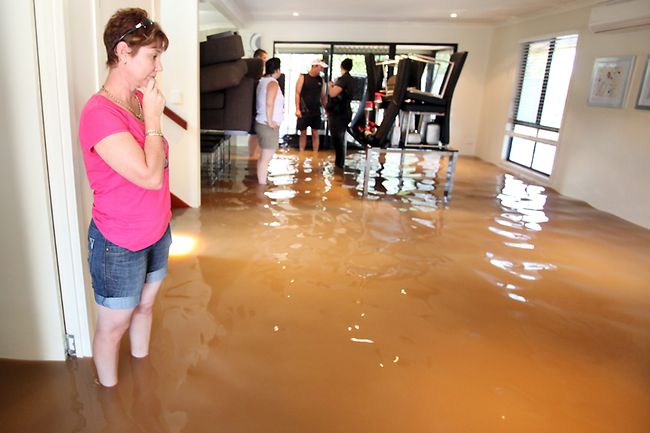
Most flooded homes in Baldwin take about three to seven days to dry to professional standards, but severe floods can require one to three weeks or more depending on the water source, how long it sat, local humidity, and how quickly mitigation starts.
For true “fully dry” conditions inside walls, subfloors, and structural materials the process can extend beyond the visible cleanup stage and must be verified with moisture readings, not just by how things look or feel.
Water Damage Restoration in Baldwin: Call (516) 200-1416

Why Drying Time Matters After a Flood
When a Baldwin home floods, water starts spreading into walls, floors, insulation, and electrical systems within hours, and mold can begin growing in as little as 24–48 hours if drying is delayed. The longer materials stay wet, the more likely you are to face structural damage, unhealthy indoor air, and higher repair bills.
That is why restoration professionals emphasize beginning water extraction and drying within the first 24 hours whenever possible. Fast response can shorten drying times by days and can often mean the difference between salvaging materials and having to tear them out and replace them.
Typical Drying Timelines for a Flooded House
Every flooded property is different, but there are common ranges for how long drying takes under professional care.
General whole‑house drying ranges
- Minor flooding in a small area: often 2–3 days of active drying with proper equipment.
- Moderate flooding affecting several rooms: typically 3–7 days of drying and dehumidification.
- Severe flooding or long‑standing water: often 1–2 weeks or more, especially when walls, insulation, and structural components are saturated.
Drying times by material (approximate)
- Drywall: usually 4–7 days when properly ventilated and dehumidified.
- Hardwood flooring: about 3–5 days of controlled drying; in heavier cases it may require longer, with careful monitoring to prevent warping.
- Carpets and padding: light damage can sometimes dry in 1–3 days; heavily soaked padding may need removal rather than drying in place.
- Concrete and masonry: concrete slabs and foundations can take 2–3 weeks to fully release deep moisture even when surfaces feel dry.
- Basements: because of cooler temperatures and limited airflow, flooded basements often require 7–10 days or more to dry correctly.
Read Also: Water Damage from Frozen Pipes in Baldwin Winters: A Homeowner’s Complete Guide
These timeframes assume professional‑grade air movers, dehumidifiers, and continuous monitoring are in place; DIY setups with box fans and small dehumidifiers usually take longer and may leave hidden moisture behind.
What Affects How Long Your Baldwin Home Takes to Dry?
Several key factors determine whether your house dries in a few days or stretches into weeks.
1. Severity and duration of the flooding
- Depth and spread of water: Shallow water in one room dries much faster than several inches of water throughout the first floor.
- How long water sat: Water that stands for days has more time to soak into studs, subfloors, and insulation, significantly extending drying time.
2. Type of water involved
- Clean water (from supply lines or rain intrusion): usually quicker and simpler to dry, with less intensive cleaning required.
- Gray water (dishwashers, washing machines, some stormwater): needs more cleaning and disinfection, which can slow the process.
- Black water (sewage, river, or tidal flooding): requires removal of porous materials, deep sanitation, and sometimes structural work, often extending the process into weeks.
3. Materials in your Baldwin property
Older Baldwin homes often feature wood framing, plaster or drywall, insulation, and hardwood flooring, all of which absorb and retain moisture. Porous materials take longer to dry and may need controlled, gradual drying to prevent warping, cracking, or secondary damage.
Non‑porous surfaces such as tile, vinyl, and some concrete areas tend to dry faster once surface water is removed, but moisture can still linger in grout lines, underlayment, and cavities.
4. Local climate and indoor conditions
Baldwin and Nassau County experience seasonal humidity that can slow drying if not controlled. Restoration professionals manage temperature and humidity often targeting indoor humidity below 50% and temperatures around 70–80°F to speed evaporation and discourage mold growth.
5. Size and layout of the home
Larger or multi‑story homes typically take longer to dry simply because there is more affected square footage and more complex airflow paths. Split‑level layouts, finished basements, and tight spaces all require carefully planned equipment placement and may extend drying time.
The Typical Professional Drying Timeline Step‑by‑Step
While every job is unique, most flood restoration projects follow a similar timeline from the first call to the final moisture check.
1. Emergency response and inspection (hours)
- Initial arrival: A certified technician arrives, inspects the damage, identifies safety hazards, and determines the class and category of water.
- Moisture mapping: Professionals use moisture meters and sometimes infrared cameras to find moisture in walls, ceilings, and flooring that you can’t see.
- Plan and documentation: They develop a drying plan, explain the process, and start documenting for insurance purposes.
2. Water extraction (same day to 1 day)
- Pumping and vacuuming: Standing water is removed using submersible pumps and high‑capacity extraction machines.
- Removing bulk water fast: This step is crucial because every hour water remains increases saturation and adds days to drying.
3. Controlled demolition and removal of unsalvageable materials (1–2 days, often overlapping)

- Removal of soaked materials: Severely damaged carpet, padding, unsalvageable drywall, insulation, and certain contents are removed to expose wet structural surfaces.
- Access for airflow: Opening wall cavities and removing baseboards where necessary helps air movers and dehumidifiers work more efficiently.
4. Drying and dehumidification (3–7+ days)
- Equipment setup: Technicians place industrial air movers and dehumidifiers throughout the affected areas, adjusting as conditions change.
- Continuous operation: Equipment typically runs 24/7 during this phase; shutting it off prematurely can prolong the process and risk mold growth.
- Daily monitoring: Moisture and humidity levels are checked regularly to track progress and decide when to reposition or remove equipment.
For severe floods, this phase can extend beyond seven days, especially if structural elements or basements were deeply saturated.
5. Cleaning, sanitizing, and odor removal (1–2 days, often overlapping)
- Surface cleaning: Technicians clean and disinfect hard surfaces and some salvageable contents to remove contaminants.
- Deodorization: Odor‑control techniques such as HEPA filtration and specialty treatments are used to address musty or sewage‑related smells.
6. Repairs and reconstruction (days to weeks, separate from drying)
- Structural repairs: This phase can include replacing drywall, insulation, trim, cabinets, and flooring that could not be salvaged.
- Final finishes: Painting, trim work, and flooring installation follow once moisture readings confirm the structure is truly dry.
Remember, the time it takes to “dry out a flooded house” usually refers to the active drying phase; reconstruction is a separate timeline that depends on the scope of damage and material availability.
How to Tell If Your Home Is Really Dry
Relying on touch alone is risky; surfaces may feel dry while hidden moisture remains in studs, subfloors, or behind baseboards. Restoration professionals use objective measurements to confirm dryness rather than guessing.
Key indicators of proper drying
- Moisture meter readings: Wood framing is typically considered dry around or below about 15% moisture content, and drywall generally needs to be under about 12%, compared with known dry “control” areas.
- Stable humidity: Indoor humidity remains below roughly 50% without equipment running, helping discourage mold.
- No new staining or cupping: No fresh water stains, bubbling paint, or cupped hardwood boards appear over several days.
- No musty odors: Persistent musty smells can signal ongoing moisture or hidden mold growth.
If any of these signs suggest ongoing moisture, drying needs to continue or hidden areas need to be opened and treated.
Can You Speed Up Drying in a Flooded House?
You can often shorten the drying timeline by taking smart early steps and partnering with professionals who use the right equipment and methods.
Helpful actions homeowners can take safely
- Call a restoration company immediately: Fast professional response limits saturation and usually speeds up drying.
- Stop the source if possible: If it’s safe, shut off the main water supply or address obvious leaks.
- Remove loose items: Move undamaged furniture, rugs, and belongings out of wet areas to reduce what needs drying.
- Improve airflow where safe: In some conditions, opening doors and interior doors can help, but your technician may recommend keeping windows closed to allow dehumidifiers to work efficiently.
Things to avoid
- Do not delay calling experts for large or contaminated floods; waiting can add days or weeks and increase health risks.
- Do not rely only on standard household fans and small dehumidifiers for major floods; they usually cannot remove moisture fast enough from structural components.
- Do not ignore damp odors, recurring spots, or condensation these are warning signs that the house is not fully dry.
How PuroClean of Baldwin, NY Helps Local Homes Dry Faster
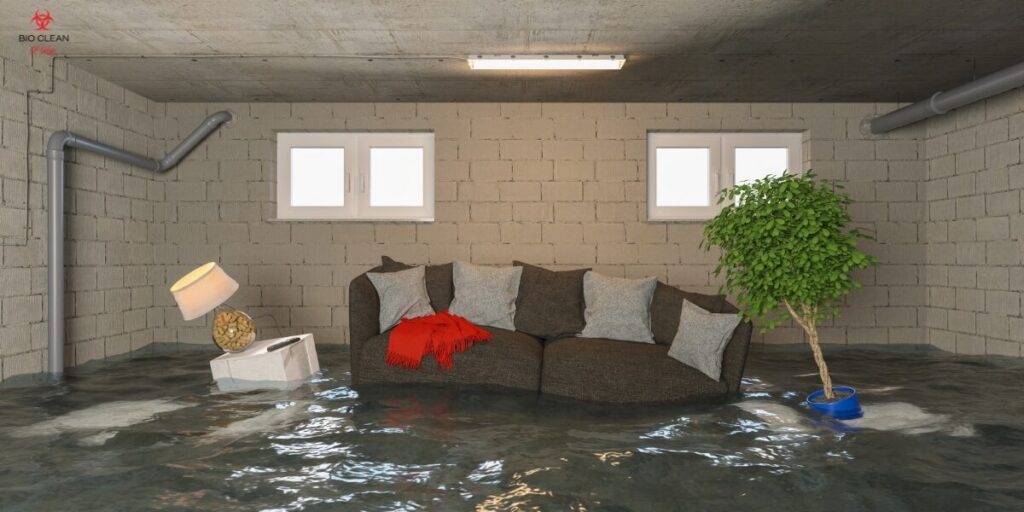
For Baldwin homeowners, working with a local team that understands Nassau County’s housing styles and climate can make the drying process more efficient and predictable. Local professionals are familiar with common construction types in the area and how they respond to water exposure.
A local restoration provider typically offers:
- 24/7 emergency response for water and flood damage so drying can start as soon as possible, often within hours of your call.
- Advanced water extraction, drying, and dehumidification equipment designed to handle everything from small leaks to whole‑house floods.
- Thorough moisture inspections, including thermal imaging and detailed moisture mapping, to locate hidden pockets of water.
- Assistance with insurance claims and documentation, including photos, readings, and detailed reports of the damage and drying progress.
If your Baldwin home has recently flooded and you are worried about how long it will take to dry, the most important step is to get a professional assessment quickly so a tailored plan and realistic timeline can be created for your specific situation.

Connect With Us on Social Media!
Facebook | Instagram | Twitter | NextDoor | Pinterest | Google Reviews | LinkedIn | Tiktok | YouTube


