


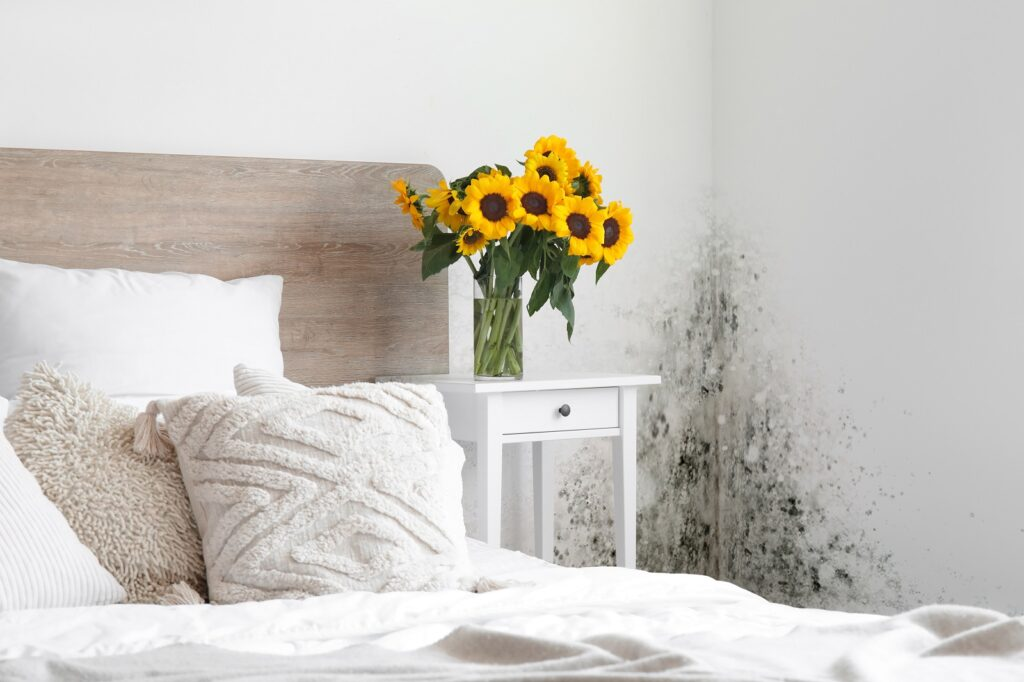
Discovering unexpected water accumulation in your home is always stressful, but the real anxiety often begins after the initial liquid is cleared away. Property owners frequently find themselves wondering how much time they actually have before a localized moisture problem escalates into a full scale biological invasion. Whether you are dealing with a slow plumbing leak inside a bathroom vanity, a sudden second floor pipe burst saturating your kitchen ceiling, or seasonal coastal humidity rolling into your basement from the South Shore of Long Island, understanding the mold growth timeline is vital for protecting your property.
Many homeowners underestimate just how aggressively fungal organisms can colonize a structure when given the proper environmental triggers. In reality, mold is opportunistic and incredibly swift, meaning a delay of even twenty four hours can transform a clean water mitigation job into an expensive, complex mold remediation project.
As the local property restoration experts at PuroClean of Baldwin, we routinely monitor regional weather shifts and indoor climate trends across Nassau County. We know that local conditions, including our high seasonal humidity and coastal air currents, provide an ideal backdrop for rapid microbial colonization.
This extensive, comprehensive guide breaks down the exact science behind how long mold takes to grow, details the critical phases of the structural mold timeline, explores the specific environmental factors that accelerate or decelerate fungal development, and outlines the precise steps required to safeguard your property and indoor air quality. If you suspect that moisture has already allowed mold to gain a foothold in your home, do not wait for the situation to worsen. Contact our local emergency dispatch team immediately at (516) 200-1416 for a thorough structural inspection and moisture mapping assessment.
The Biological Ignition: What Triggers the Mold Growth Timeline?

To understand why the mold timeline moves so rapidly, it is necessary to recognize that mold spores are already present inside your home. Fungal spores are microscopic, invisible to the naked eye, and omnipresent in nature. They drift through outdoor air currents, enter your home through open windows or doors, hitch a ride inside on your clothing, and settle quietly onto household surfaces. Under normal, dry, and well ventilated conditions, these dormant spores are completely harmless. They require a specific set of environmental catalysts to awaken from dormancy, germinate, and begin their destructive life cycle.
The primary biological ignition switch for mold growth is moisture. While mold spores also require oxygen, a viable food source, and an appropriate temperature range to grow, these other elements are already present in abundance inside every residential property. Modern homes are constructed out of organic, cellulose rich materials that serve as an absolute buffet for mold. Drywall paper backing, wood wall studs, plywood subfloors, carpet padding, ceiling tiles, and wallpaper are all composed of organic materials that fungal colonies can easily digest. When a liquid water leak or a spike in ambient relative humidity saturates these cellulose surfaces, the dormant spores absorb the moisture, expand, and initiate the germination sequence.
The Structural Mold Timeline: From Germination to Full Colonization
When water impacts a residential structure, the microbial clock begins ticking instantly. The following breakdown outlines the precise progression of a mold outbreak, demonstrating why professional water extraction and structural drying must occur immediately.
The First 0 to 24 Hours: Microscopic Activation and Spore Germination
Within mere hours of initial exposure to liquid water or a relative humidity level surpassing sixty percent, dormant mold spores begin absorbing moisture. As the spore swells, the physical outer shell breaks open, and the organism initiates cellular division. At this stage, the growth is completely microscopic and entirely invisible to the human eye. There are no distinct musty odors or visible stains yet, meaning a homeowner might falsely assume that their property is perfectly safe simply because everything looks normal on the surface. This is why professional water mitigation companies utilize advanced moisture meters and thermal imaging cameras to locate hidden moisture pockets within the first day of an incident.
The 24 to 48 Hour Window: The Critical Germination Phase and Hyphae Formation
Between twenty four and forty eight hours of continuous moisture exposure, the germinated spore begins to sprout root like structures called hyphae. These tubular filaments grow rapidly, anchoring themselves deep into the porous structural fibers of materials like drywall paper or carpet padding. The hyphae secrete specialized digestive enzymes that actively break down the cellulose fibers, converting the structural components of your home into easily absorbable nutrients for the expanding colony. In the property restoration industry, this forty eight hour mark represents the critical golden window. If a water damage event is thoroughly extracted and structural dehumidification is successfully established before forty eight hours have elapsed, the mold lifecycle can be halted, preventing a secondary biological outbreak entirely.
Days 3 to 12: Cellular Maturation and the Emergence of Visible Colonization
If the underlying moisture source remains unresolved past the initial forty eight hours, the hyphae continue to multiply exponentially, weaving together into a dense, interconnected web known as a mycelium. By day three to day twelve, the physical size of the fungal colony has expanded to the point where it finally becomes visible to the naked eye. Homeowners will begin to notice distinct physical indicators across affected surfaces. This can manifest as a light powdery film, fuzzy textures, or circular staining patterns. The color of the visible growth can vary widely based on the specific strain of mold and the material it is consuming, showing up as shades of white, gray, vibrant green, deep yellow, or dark black.
Days 14 to 21: Full Sporulation, Airborne Contamination, and Musty Odors
By the second and third week of continuous moisture exposure, the mold colonies reach full structural maturity and enter the sporulation phase. The mycelium sprouts vertical structures called conidiophores, which act as microscopic spore factories. A single mature mold colony can release millions of new airborne spores directly into your home’s indoor air currents every single day. At this point, the indoor environment becomes highly contaminated, as air currents and HVAC systems distribute these airborne spores to previously unaffected rooms of the house. This is also the phase where the classic musty mold odor becomes overwhelmingly pungent, caused by the volatile organic compounds released as the mold digests your home’s infrastructure.
Regional Variables: Why Baldwin Climate Speeds Up Mold Proliferation
While the standard mold growth timeline serves as a reliable baseline, certain geographical locations experience accelerated fungal growth due to unique regional climate factors. Baldwin, New York, is situated on the South Shore of Long Island, exposing our properties to high coastal humidity, salt air, and distinct seasonal weather patterns that play a direct role in microbial behavior.
During our hot, humid summer months, the ambient relative humidity across Nassau County frequently climbs well above eighty percent. When this warm, moisture laden coastal air enters an unconditioned basement, a cool crawlspace, or an unventilated attic, it cools down rapidly. Cool air cannot hold as much moisture as warm air, causing the relative humidity inside these subterranean or enclosed spaces to spike dramatically, often exceeding seventy percent. This creates an environment where mold can germinate and spread rapidly across drywall, joists, and storage boxes without requiring a physical plumbing leak. The natural humidity of Long Island essentially acts as a continuous accelerator for the mold growth timeline.
Factors That Influence the Speed of the Mold Timeline
The exact speed at which mold takes over a space depends on a dynamic combination of environmental variables. Understanding these factors helps restoration teams implement more effective drying strategies.
1. The Volume and Class of Water Intrusion: A massive category three black water sewage backup introduces a high concentration of live bacteria and organic nutrients, fueling a faster microbial explosion compared to a clean water leak from a copper pipe.
2. Ambient Temperature Management: Most household mold strains thrive in temperatures ranging between sixty eight and eighty six degrees Fahrenheit, which perfectly matches the standard climate setting of a comfortable residential living space.
3. Stagnant Airflow Conditions: Rooms that lack mechanical ventilation, such as enclosed under-stair closets, deep pantries, or unvented bathrooms, allow humid air to settle and become stagnant. This lack of airflow prevents natural evaporation and gives mold spores the calm environment they prefer to anchor their roots.
4. Structural Material Porosity: Highly porous cellulose materials, such as standard drywall paper, acoustic ceiling tiles, and cheap carpet padding, absorb water like a sponge and can display visible mold growth significantly faster than dense, non porous materials like solid brick or concrete.
The Danger of Invisible Timelines: Hidden Structural Mold
One of the most dangerous mistakes a homeowner can make is assuming that mold is not growing simply because there are no visible spots on the living room wall. Mold frequently thrives on invisible timelines, developing completely out of sight within hidden structural cavities. When a second floor pipe burst leaks water down through a ceiling or behind a drywall wall, the interior cavity of the wall becomes saturated. The dark, stagnant space between the drywall and the exterior siding provides the absolute perfect incubator for mold. Fungal colonies can grow extensively across the hidden paper backing of the drywall and along the wooden wall framing for weeks or even months before the moisture finally wicks outward far enough to cause visible discoloration on your interior latex paint. By the time you see a small stain on your wall, a massive remediation issue may already exist inside the wall assembly.
Frequently Asked Questions (FAQs) About the Mold Growth Timeline
How fast does toxic black mold grow compared to other strains?
Stachybotrys chartarum, commonly referred to as toxic black mold, is actually a relatively slow growing strain compared to common green or white molds like Aspergillus or Penicillium. While common molds can germinate in twenty four to forty eight hours, black mold typically requires continuous saturation for seven to twelve days before it establishes a dominant colony. However, once it takes root, it is highly destructive to cellulose materials and poses significant indoor air quality risks.
Can mold grow on wet clothing or cardboard boxes?
Yes, cardboard boxes and natural textile clothing are composed of organic materials that mold can easily digest. If you store cardboard boxes directly on a damp concrete basement floor in Baldwin, or leave a load of wet laundry sitting in a washing machine for more than forty eight hours, mold will easily germinate and ruin these personal assets.
Does running a standard air conditioner stop mold from growing?
Air conditioners naturally extract a baseline amount of moisture from the air while cooling a space, which can help maintain relative humidity below the dangerous sixty percent threshold. However, an air conditioner is not a substitute for a dedicated commercial dehumidifier in a water damaged environment. If a structural component like a subfloor is actively wet, an AC unit cannot provide the targeted grain drawdown required to stop the structural mold timeline.
Is it safe to clean up a forty eight hour mold outbreak myself with bleach?
No, using household bleach on porous surfaces like drywall or wood framing is highly ineffective. Bleach is an aqueous solution, meaning its chemical structure prevents it from penetrating deeply into porous materials. The chlorine stays on the surface while the high water content of the bleach sinks into the material, inadvertently providing the surviving subsurface mold roots with a direct source of moisture that fuels rapid regrowth.
Take Control of Your Home’s Health with PuroClean of Baldwin
When water impacts your property, every hour you delay gives microbial organisms a greater opportunity to compromise your structural framing, ruin your finishes, and degrade your indoor air quality. Managing the mold growth timeline requires a combination of immediate emergency water extraction, specialized moisture mapping technology, and industrial grade thermodynamic drying equipment.
At PuroClean of Baldwin, our highly certified IICRC technicians adhere strictly to the S520 standard for professional mold remediation. We use advanced thermal imaging to locate hidden water behind wall cavities, build rigid physical containment barriers to protect unaffected areas, and deploy high capacity LGR dehumidifiers to stop the fungal lifecycle in its tracks. Do not let a minor leak turn into a major biological crisis. Contact PuroClean of Baldwin today at (516) 200-1416 to secure your property, protect your family’s health, and restore your total peace of mind.
Connect With Us on Social Media!
Facebook | Instagram | Twitter | NextDoor | Pinterest | Google Reviews | LinkedIn | Tiktok | YouTube


