


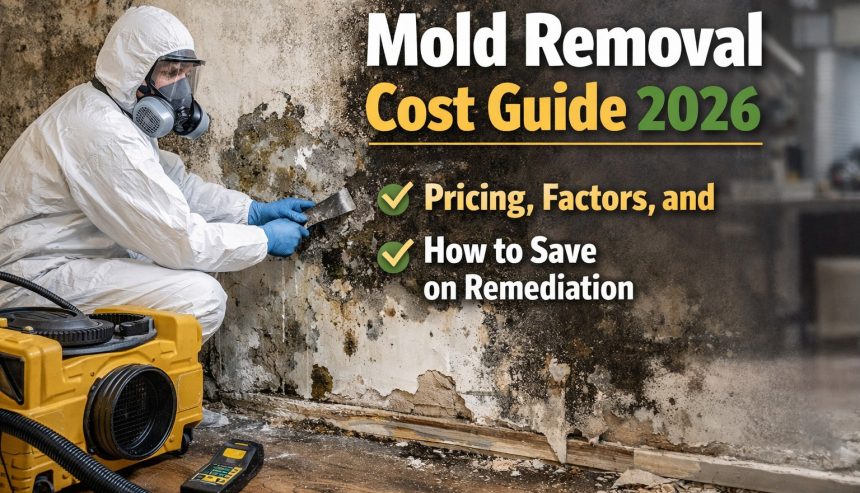
If you have discovered mold in your home, one of the first questions on your mind is almost certainly: how much is this going to cost me? It is a fair question, and the honest answer is that mold remediation costs vary widely depending on several important factors. In 2026, homeowners across Nassau County and Long Island are seeing costs that range from a few hundred dollars for a minor isolated patch to tens of thousands of dollars for severe infestations that have spread through multiple rooms or structural systems.
At PuroClean of Baldwin, we believe in full transparency when it comes to pricing. This guide breaks down everything you need to know about mold remediation costs in 2026, what drives the price up or down, what the process actually involves, and how to make sure you are getting fair value from whatever contractor you choose to hire.
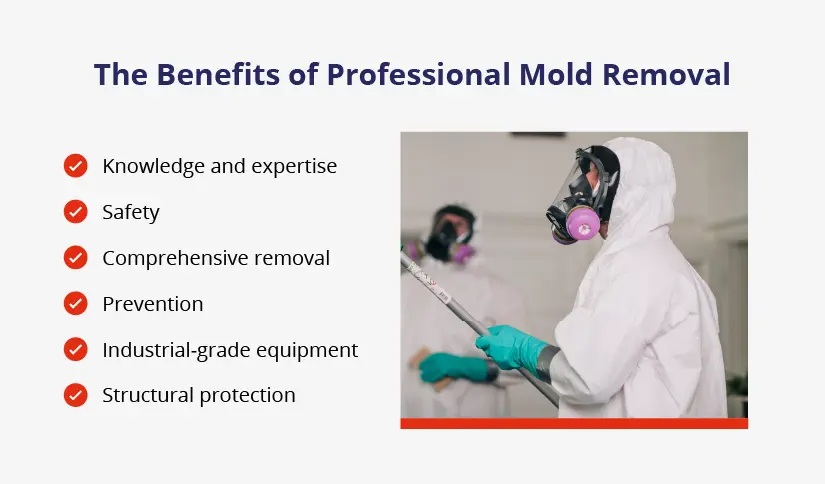
We also want Baldwin and Nassau County homeowners to understand one key point up front: the cost of mold remediation is almost always significantly less than the cost of the structural damage, health consequences, and property value loss that results from leaving mold untreated.
Average Mold Remediation Costs in 2026
Nationally, the average cost of mold remediation in 2026 falls between $1,500 and $9,000, with most homeowners spending somewhere in the $3,000 to $5,000 range for a moderate infestation affecting one or two rooms. However, costs in the New York metropolitan area, including Nassau County and Long Island, tend to run higher than the national average due to local labor rates, housing density, and the prevalence of older home construction.
Here is a general pricing framework to give you a starting point:
| Remediation Scenario | Estimated Cost Range (2026) |
| Small isolated patch (under 10 sq ft) | $300 to $800 |
| Single room (bathroom, laundry room) | $500 to $2,500 |
| Moderate infestation (1 to 2 rooms) | $2,000 to $6,000 |
| Large infestation (multiple rooms) | $5,000 to $15,000 |
| Whole-house or structural remediation | $10,000 to $30,000+ |
| Crawl space mold remediation | $1,500 to $5,000 |
| Attic mold remediation | $1,000 to $9,000 |
| HVAC/ductwork mold remediation | $3,000 to $10,000 |
These figures are estimates. Your actual cost will depend on the specific factors covered in the next section.
What Factors Affect Mold Remediation Cost?
No two mold problems are identical, and pricing reflects that reality. Here are the key variables that will determine what you pay for mold remediation at your Nassau County home.
1. Size of the Affected Area
This is the single biggest cost driver. Most remediation contractors price their work per square foot, with rates typically ranging from $15 to $30 per square foot in the New York area. A 50-square-foot bathroom mold problem is a fundamentally different project from mold that has spread through 500 square feet of a basement or crawl space.
It is important to note that the visible mold surface area is not always the same as the total affected area. Professional moisture mapping and thermal imaging often reveal that mold has spread further behind walls or under flooring than was visible during an initial inspection. This is one reason why getting a thorough professional assessment before work begins matters so much.
2. Location in the Home
Where mold is located has a major impact on cost. Mold in accessible areas like bathroom tile or a visible basement wall is far less expensive to address than mold inside wall cavities, under subfloors, in attic insulation, or within HVAC ductwork. These locations require additional labor, specialized equipment, and often partial demolition to access and remediate properly.
In Nassau County homes, some of the most common and costly locations for mold include:
- Attics: Inadequate ventilation and ice damming from nor’easters trap moisture in attic insulation and sheathing.
- Crawl spaces: Ground moisture, poor vapor barriers, and lack of airflow create consistently damp conditions ideal for mold growth.
- Behind bathroom and kitchen walls: Slow leaks from aging plumbing go undetected for years.
- HVAC systems: Mold inside ductwork can spread spores throughout the entire home every time the system runs.
3. Type of Mold
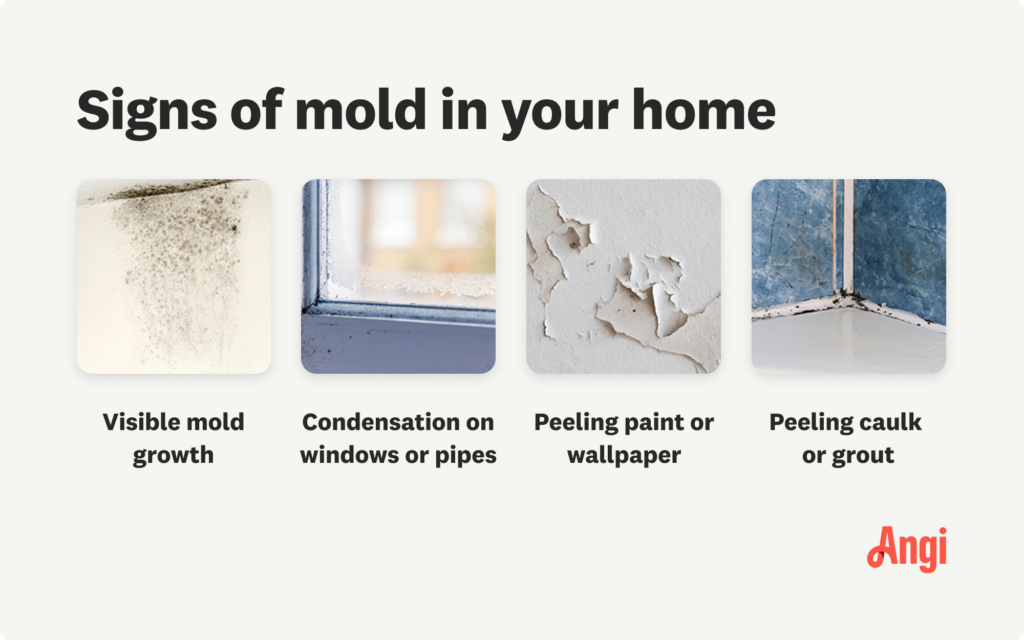
Most common household molds, including Cladosporium, Penicillium, and Aspergillus, are handled with standard remediation protocols. However, if testing reveals the presence of Stachybotrys chartarum, commonly known as black mold, or other more hazardous species, additional containment measures and specialized handling are required, which increases cost.
Mold testing is not always necessary before remediation begins, but it can be valuable in certain situations, particularly if occupants are experiencing health symptoms, if the mold has an unusual appearance, or if you need documentation for an insurance claim or real estate transaction. Standalone mold testing typically costs between $300 and $700 for a professional air quality and surface sample analysis.
4. Extent of Structural Damage
Mold that has been allowed to grow undisturbed for a long time does not just sit on the surface. It breaks down the organic materials it grows on, including drywall paper, wood framing, and subflooring. When these materials are structurally compromised, they cannot simply be cleaned. They must be removed and replaced.
Demolition and rebuilding costs are separate from the remediation work itself and can add substantially to the total project cost. Replacing drywall, insulation, and framing in a mold-affected area can add $1,000 to $10,000 or more to the overall bill, depending on the scope.
5. Containment and Safety Requirements
Proper mold remediation always includes containment of the work area to prevent spores from spreading to unaffected parts of the home. This involves sealing doorways and HVAC vents with plastic sheeting, creating negative air pressure with commercial air scrubbers equipped with HEPA filters, and in many cases establishing a decontamination zone for workers entering and exiting the contained area.
These safety measures add time and materials to every job, but they are non-negotiable elements of legitimate mold remediation. Be cautious of any contractor who does not include proper containment in their scope of work.
6. Post-Remediation Testing
After remediation is complete, responsible contractors will recommend clearance testing to verify that mold levels have returned to acceptable levels. This involves air sampling and sometimes surface sampling performed by a third-party industrial hygienist or environmental testing company.
Post-remediation clearance testing typically costs between $200 and $500 and is strongly recommended. It provides documentation that the work was completed successfully, which is valuable for insurance purposes, future home sales, and your own peace of mind.
Room-by-Room Mold Remediation Cost Breakdown

To give you a more practical sense of what remediation might cost in specific areas of your Baldwin or Nassau County home, here is a room-by-room breakdown:
Bathroom
Bathrooms are the most common location for household mold because of consistent moisture from showers, baths, and plumbing. Grout and caulk mold on tile surfaces is generally on the lower end of the cost range, while mold inside wall cavities behind tile or under the subfloor drives costs significantly higher. Typical range: $500 to $3,500.
Basement
Basements in Nassau County are particularly vulnerable to mold because of the region’s high water table, flooding from storms, and common moisture infiltration through foundation walls. Basements often require the most extensive remediation work because moisture affects large surface areas including concrete, framing, insulation, and stored belongings. Typical range: $2,000 to $12,000.
Attic
Attic mold is often discovered during a home inspection prior to a sale and can create complicated situations for both buyers and sellers. It commonly results from inadequate ventilation, bathroom exhaust fans venting into the attic rather than outside, and ice dam moisture intrusion. Remediation often involves removing and replacing insulation in addition to treating the wood sheathing. Typical range: $1,000 to $9,000.
Kitchen
Kitchen mold typically originates from leaks under the sink, behind the refrigerator, or from dishwasher connections. If caught early, costs are relatively modest. If the leak has been present for an extended time and moisture has spread into wall cavities or the subfloor, costs increase substantially. Typical range: $500 to $4,000.
HVAC and Ductwork
Mold inside your HVAC system is one of the most serious scenarios because it can continuously distribute spores throughout your entire home. Remediation involves cleaning or replacing contaminated duct sections, treating the air handler and coil, and addressing the underlying moisture source, often a condensate drain issue or return air leak. Typical range: $3,000 to $10,000.
DIY Mold Removal vs. Professional Remediation: What Is the Real Cost?

A quick internet search will surface plenty of DIY mold removal guides recommending bleach, vinegar, or commercial mold sprays. For very small surface mold patches on non-porous materials in areas with no hidden moisture, DIY cleaning can be appropriate. However, there are important limitations and risks to understand before attempting to handle mold yourself.
The EPA recommends that mold covering more than 10 square feet be handled by a professional. Beyond that threshold, the containment, personal protective equipment, and disposal requirements needed to safely remove mold without spreading spores exceed what most homeowners are equipped to manage.
There is also the hidden cost of incomplete DIY remediation to consider. If mold is cleaned from the surface but the moisture source is not resolved and the contaminated materials are not properly dried or removed, mold will return, often more aggressively. What might have been a $1,500 professional job can grow into a $6,000 project with structural repairs after repeated DIY attempts have allowed the problem to deepen.
For Baldwin and Nassau County homeowners, the rule of thumb is straightforward: if you can see more than a small isolated patch, if there is any chance the mold extends behind a wall or under a floor, or if any household member is experiencing respiratory symptoms, call a certified professional.
Does Homeowner’s Insurance Cover Mold Remediation in New York?
This is one of the most common questions we hear from homeowners across Nassau County, and the answer requires some nuance. Standard homeowner’s insurance policies in New York may cover mold remediation, but only when the mold resulted directly from a covered peril, such as a sudden and accidental water discharge from a burst pipe or an appliance malfunction.
Insurance companies generally do not cover mold that resulted from:
- Long-term neglected leaks or maintenance issues
- Flooding (which requires a separate flood insurance policy through FEMA’s National Flood Insurance Program)
- High humidity or condensation without a triggering event
- Pre-existing mold conditions at the time the policy was written
Some homeowner’s policies include a specific mold remediation coverage limit, often capped at $5,000 or $10,000, even for covered events. It is worth reviewing your policy carefully and speaking with your insurance agent before assuming coverage.
At PuroClean of Baldwin, we work directly with all major insurance carriers and can help you document the damage, file your claim, and navigate the process from initial assessment through final clearance. Our detailed moisture documentation and photo records are specifically designed to support successful insurance claims.
Red Flags to Watch for When Hiring a Mold Remediation Contractor
Unfortunately, the mold remediation industry attracts contractors who cut corners, overbid projects with scare tactics, or perform incomplete work that leaves homeowners with recurring problems. Here is what to watch out for when evaluating contractors in the Baldwin and Nassau County area:
- No licensing or certification: In New York, mold assessment and remediation contractors are required to be licensed by the New York State Department of Labor. Always verify a contractor’s license before signing any contract.
- No written scope of work: Any legitimate contractor should provide a detailed written proposal outlining the affected areas, containment plan, remediation methods, and clearance testing procedure.
- Guarantees to remove all mold: Mold spores exist naturally in the environment. No honest contractor can guarantee a mold-free environment. What they can guarantee is returning mold levels to normal background concentrations.
- Pressure to start immediately without assessment: A proper mold remediation project starts with a thorough moisture assessment. Any contractor who wants to begin work without first understanding the full scope of the problem is not following industry best practices.
- Unusually low bids: Drastically underbid work often signals that proper containment, personal protective equipment, or post-remediation testing is being skipped.
What to Expect From the Mold Remediation Process
Understanding what legitimate mold remediation involves helps you evaluate proposals and know whether the work being done at your home meets professional standards. Here is what the process looks like when performed correctly:
- Initial inspection and moisture assessment: Thermal imaging cameras and digital moisture meters map the full extent of mold and moisture before any work begins.
- Containment setup: The work area is sealed with plastic sheeting and placed under negative air pressure using HEPA-filtered air scrubbers to prevent cross-contamination.
- Source remediation: The underlying moisture source is identified and addressed. Remediation without fixing the source is temporary at best.
- Removal of contaminated materials: Porous materials like drywall, insulation, and carpet that cannot be cleaned are removed and properly bagged for disposal.
- Cleaning and treatment: Remaining structural surfaces are cleaned using HEPA vacuuming, wire brushing, and antimicrobial treatments to eliminate mold at the source.
- Drying and monitoring: Industrial dehumidifiers and air movers bring materials to target moisture levels and are monitored until drying goals are achieved.
- Post-remediation clearance testing: An independent third-party test confirms that mold levels have returned to acceptable concentrations before containment is removed.
Mold Remediation Services in Baldwin and Nassau County
PuroClean of Baldwin is a licensed and certified mold remediation contractor serving the entire Nassau County area, including Baldwin, Freeport, Rockville Centre, Merrick, Bellmore, Oceanside, Valley Stream, Lynbrook, and surrounding Long Island communities.
We understand the specific challenges that Long Island homeowners face, from the aging plumbing systems in mid-century homes to the moisture challenges created by the region’s coastal climate and storm activity. Our assessments are free, our pricing is transparent, and our work is backed by the national PuroClean standard of care.
We offer 24/7 emergency response for active water intrusion events that risk leading to mold growth, and we work with all major insurance carriers to help you access the coverage you have paid for.
Frequently Asked Questions About Mold Remediation Costs
How long does mold remediation take?
Most residential mold remediation projects take between one and five days, depending on the size and complexity of the infestation. Larger projects involving attic or structural remediation may take one to two weeks. Your contractor should provide a realistic timeline before work begins.
Can I stay in my home during mold remediation?
For small, contained projects, staying in the home may be possible as long as the work area is properly sealed. For larger projects, particularly those involving HVAC systems or affecting multiple rooms, temporary relocation may be recommended. Your restoration specialist will advise you based on the specifics of your situation.
Will mold come back after remediation?
Mold will not return if the moisture source has been properly identified and resolved, and if the remediation was performed to clearance standards. If the underlying moisture problem remains, mold will eventually return regardless of how well the surface remediation was done. This is why source correction is always part of a professional remediation scope.
How do I know if I need mold testing before remediation?
Visible mold generally does not need to be tested before remediation begins. Professional remediation protocols address all mold regardless of species. Testing is most valuable when you can smell mold but cannot find it visibly, when occupants have health symptoms, when you need documentation for insurance or real estate purposes, or for post-remediation clearance verification.
Is mold remediation tax deductible?
In most cases, mold remediation on a primary residence is not tax deductible as a home improvement expense. However, if the mold problem caused a sudden casualty loss or if the property is a rental, there may be deduction possibilities. Consult a tax professional for guidance specific to your situation.
Get a Free Mold Assessment From PuroClean of Baldwin
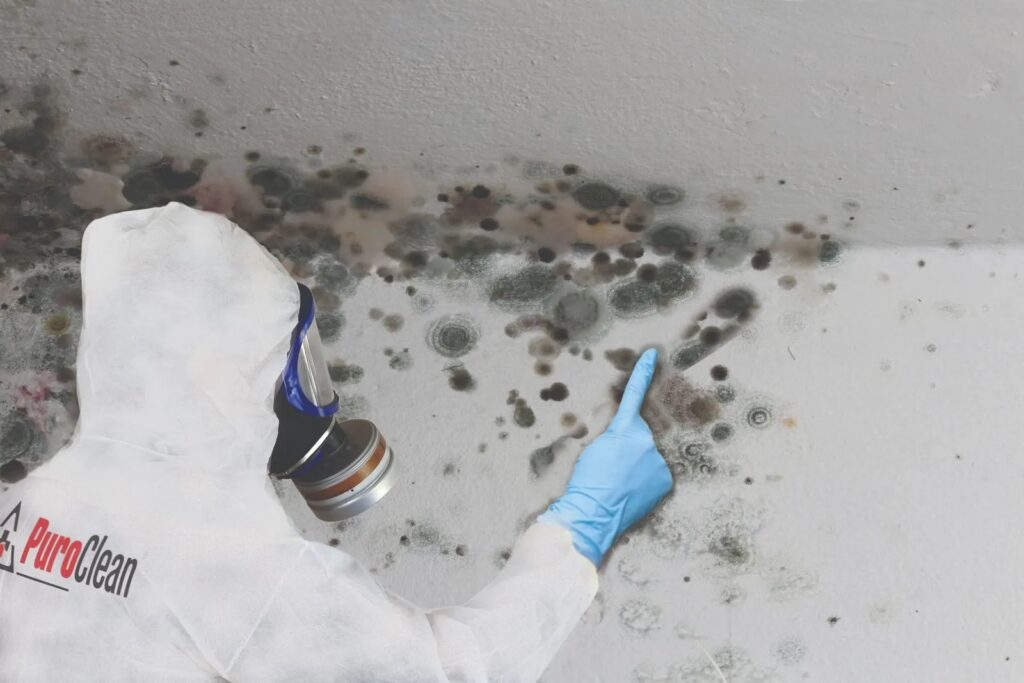
You should not have to guess what mold remediation is going to cost you. At PuroClean of Baldwin, we provide free, no-obligation on-site assessments for homeowners throughout Nassau County and Long Island. Our certified technicians will inspect the affected area, provide a transparent written estimate, and walk you through your options including insurance coverage, so you can make an informed decision with confidence.
Call PuroClean of Baldwin today to schedule your free assessment. We are available 24 hours a day, 7 days a week for emergency situations and same-week appointments for non-emergency assessments.
PuroClean of Baldwin | Serving Baldwin, Freeport, Rockville Centre, Merrick, Bellmore, Oceanside, Valley Stream, Lynbrook, and surrounding Nassau County communities on Long Island.
Pricing figures in this article are estimates based on 2026 industry data and local Nassau County market conditions. Actual costs vary based on site-specific conditions. Contact PuroClean of Baldwin for an accurate assessment of your specific situation.

Connect With Us on Social Media!
Facebook | Instagram | Twitter | NextDoor | Pinterest | Google Reviews | LinkedIn | Tiktok | YouTube


