


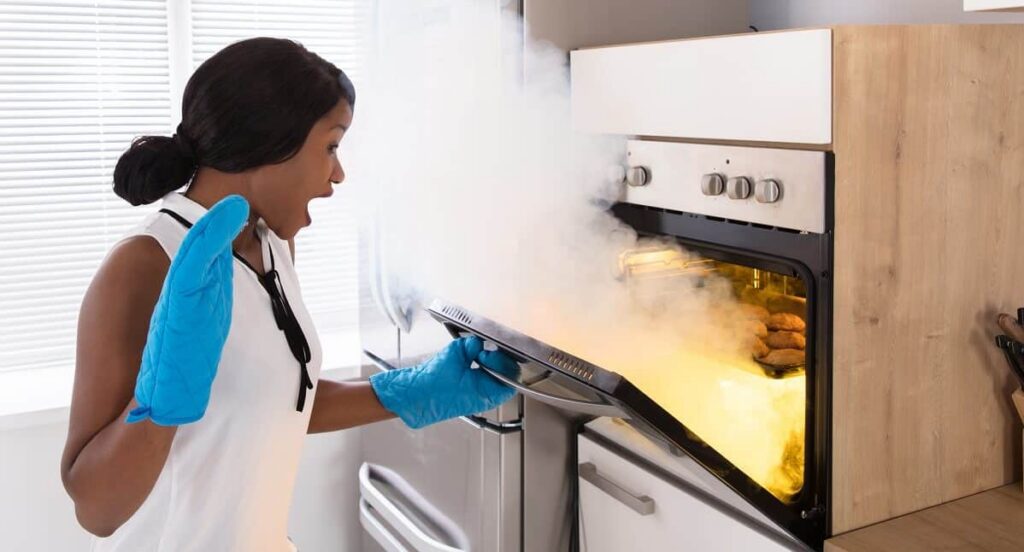
It happens to everyone. A bag of popcorn goes in for a minute too long, a covered dish vents poorly, or something gets left in a little too long, and suddenly your microwave smells like a campfire. Worse, that smoke smell does not just linger for a day. It can embed itself into the interior walls, the turntable, the door seals, and even the ventilation system, coming back every single time you reheat your coffee or warm up leftovers.
Fire and Smoke Damage: Call (516) 200-1416
The good news is that getting the smoke smell out of a microwave is very doable with the right approach and a little patience. The bad news is that a quick wipe-down almost never cuts it. Smoke particles are oily and penetrating, and they require a real cleaning strategy to fully eliminate.

This guide walks you through everything: why microwave smoke smells are so stubborn, what supplies you need, the most effective cleaning methods ranked from gentle to heavy-duty, a step-by-step process you can follow, and tips for making sure the smell does not come back. Whether your microwave suffered a minor smoke incident or a full-on burning episode, this guide has you covered.
Why Smoke Smell in a Microwave Is So Hard to Remove
Before you can effectively remove smoke smell from a microwave, it helps to understand why it is so persistent in the first place.
When food burns or smokes inside a microwave, it releases volatile organic compounds, carbon particles, oils, and byproducts of combustion, that travel in the steam and smoke produced during the event. These particles do not simply float around and then disappear. They deposit themselves on every interior surface they contact: the walls, the ceiling of the cavity, the floor, the turntable plate, the roller ring, the door gasket, the interior of the door itself, and critically, the waveguide cover, the small rectangular panel, usually on the right wall of the microwave interior, that protects the magnetron.
Read Also: How to Get Burnt Smell Out of a Microwave: Smoke and Odor Removal
Once deposited, these particles bond slightly to surfaces through a combination of their oily nature and the residual heat of the microwave. When you run the microwave again, even just to heat water, the interior warms up and those embedded particles re-volatilize, releasing the smoke odor all over again. This is why simply wiping the interior walls with a damp cloth rarely solves the problem, the bulk of the odor source is still there, just waiting for the next heat cycle to re-release it.
The waveguide cover deserves special mention because it is the single most overlooked component in microwave odor removal. If this cover is heavily scorched or has absorbed significant smoke residue, no amount of wall-cleaning will fully eliminate the smell until the cover is addressed. In serious cases, the cover needs to be replaced entirely, which is typically an inexpensive and easy repair.
What You Will Need
Gather these supplies before you start. Most are items you already have at home:
- White distilled vinegar
- Baking soda
- Fresh lemon (or bottled lemon juice)
- Dish soap (a degreasing formula works best)
- Microwave-safe bowl or measuring cup
- Clean cloths or paper towels
- A soft sponge or non-abrasive scrub pad
- Activated charcoal or baking soda (for odor absorption after cleaning)
- Optional: commercial microwave cleaner or odor-eliminating spray
One important note before you begin: always unplug your microwave before cleaning the interior, especially if you are removing and scrubbing the turntable plate and roller ring. While microwaves are safe to wipe down when not running, working with wet cloths and liquids near an energized appliance is an unnecessary risk.
Step-by-Step: How to Remove Smoke Smell from a Microwave
Step 1: Remove and Clean the Turntable and Roller Ring
Take out the glass turntable plate and the plastic roller ring that sits beneath it. Both of these components can absorb and hold smoke odor. Wash them in your sink with hot water and a degreasing dish soap. If you see any charred food residue, let them soak for 10 to 15 minutes before scrubbing. Rinse thoroughly and set aside to dry.
Step 2: Steam Clean the Interior with Vinegar
This is the single most effective first-pass treatment for smoke smell in a microwave. Fill a microwave-safe bowl or measuring cup with one cup of water and one cup of white distilled vinegar. Place it inside the microwave and run on high for five to seven minutes, allowing the mixture to come to a full boil and steam vigorously.
Do not open the door when the cycle ends. Let the steam sit inside for an additional five minutes. The hot, acidic steam will penetrate and loosen the smoke residue on all interior surfaces, making the next step wiping dramatically more effective.
Read Also: 8 Easy Ways to Get Rid of Cigarette Smoke Smell for Good
After the dwell time, carefully remove the bowl (it will be very hot use oven mitts) and wipe down every interior surface with a clean cloth. Pay special attention to the ceiling of the cavity, the corners, and the door interior. You will likely see brown or grey residue transferring to your cloth. This is the smoke film lifting away.
Step 3: Scrub with Baking Soda Paste for Stubborn Residue
If the vinegar steam treatment reveals stubborn, stuck-on residue or discoloration, make a paste from baking soda and a small amount of water. The consistency should be similar to thick toothpaste. Apply this paste to the affected areas and let it sit for five to ten minutes. Then scrub gently with a soft sponge or non-abrasive pad. Baking soda is mildly abrasive enough to lift stuck residue without scratching the interior coating, and it is also naturally odor-absorbing.
Wipe away all the paste thoroughly with a damp cloth. Any baking soda residue left behind can create a powdery mess the next time you use the microwave.
Step 4: Inspect and Address the Waveguide Cover
Locate the waveguide cover on the interior wall of your microwave it is usually a flat rectangular panel, often made of mica or plastic, typically positioned on the right side wall. Inspect it carefully. If it has brown or black staining that does not wipe away, or if it has a burned smell when you hold it close, this cover is a primary odor source.
If the cover is removable (most are, though the removal method varies by manufacturer check your manual), take it out and try cleaning it separately with warm soapy water. If the staining is baked in and cannot be removed, replace it. Waveguide covers are almost universally inexpensive (often just a few dollars) and widely available online for specific microwave models. Running your microwave with a heavily burned waveguide cover is both a persistent odor source and a potential fire hazard.
Step 5: Lemon Steam Treatment for Freshening
After the deep cleaning steps, a lemon steam treatment adds a layer of freshening that vinegar alone does not provide. Slice a lemon in half and squeeze the juice into a bowl of water, then drop the lemon halves in as well. Microwave on high for three to five minutes and again let the steam sit for five minutes before opening the door. The citric acid helps neutralize any remaining odor compounds, and the natural lemon scent leaves the microwave smelling genuinely clean rather than just “less bad.”
Wipe down the interior one final time with a clean, dry cloth after this treatment.
Step 6: Odor Absorption Overnight
Even after thorough cleaning, some residual odor may remain embedded in the microwave’s plastic components and insulation. Placing an odor absorber inside the closed microwave overnight can draw out and neutralize these lingering molecules.
The two best options for this are an open bowl of baking soda or a small dish of activated charcoal. Both are highly porous and effective at absorbing airborne odor compounds. Place one inside the unplugged microwave with the door closed and leave it for eight to twelve hours, or up to 24 hours for severe smoke incidents. Remove it before plugging in and using the microwave again.
Alternative and Supplementary Cleaning Methods
The steps above cover the most reliable approach, but there are several other methods worth knowing about, particularly for stubborn cases or when you want to try something different.
Coffee Grounds
Dry coffee grounds are an effective odor absorber that many people already have on hand. Place a small bowl of dry grounds inside the closed microwave and leave it overnight. The grounds will absorb ambient odors, including smoke. This works better as a follow-up absorption step after cleaning than as a primary deodorizing strategy, but it is particularly effective and leaves a mild, pleasant coffee scent.
Vanilla Extract
Soak a cloth or a few paper towels in vanilla extract and place them in a bowl inside the microwave. Microwave on low for 30 to 60 seconds, then leave the bowl inside for 30 minutes. Vanilla is not just a masking scent vanillin has some genuine odor-neutralizing properties. This works best as a finishing step after cleaning rather than a standalone treatment.
Commercial Microwave Cleaning Products
Several commercial cleaners are specifically formulated for microwave interiors. These typically combine degreasers with odor-neutralizing compounds and can be effective for particularly severe smoke incidents. Look for products that are explicitly labeled as safe for microwave interior use. Always follow the manufacturer’s instructions and ensure the microwave is fully aired out before use after applying commercial products.
Dish Soap and Hydrogen Peroxide Solution
For stubborn residue that resists the baking soda paste, a mixture of dish soap and 3% hydrogen peroxide (the standard over-the-counter concentration) can help lift staining and neutralize odors. Mix equal parts and apply with a cloth, letting it sit for a few minutes before wiping clean. Do not use this inside a microwave that is plugged in, and rinse the surfaces thoroughly afterward.
How to Clean Smoke Smell from a Microwave Oven (Built-In Models)
Built-in microwave ovens and over-the-range microwaves present a few additional challenges compared to countertop models. They typically have more complex ventilation systems, and because they are integrated into your kitchen cabinetry, they are harder to access from all angles.
The interior cleaning process is the same as described above, but pay extra attention to the ventilation filters. Over-the-range microwaves have grease filters, typically metal mesh filters mounted under the unit, that capture grease and airborne particles from the stovetop below. These filters can accumulate significant smoke residue, particularly if the smoke incident involved burning food on the stovetop as well. Remove these filters and wash them in hot, soapy water, or run them through the dishwasher if the manufacturer allows it.
Some over-the-range models also have charcoal recirculating filters that filter air when the unit is set to recirculate rather than vent to the exterior. These filters cannot be washed they must be replaced if they have absorbed significant smoke odor. Check your microwave’s manual for the filter part number and replacement schedule.
For built-in models, also consider running the exhaust fan on high for 20 to 30 minutes after cleaning to help vent any residual odors from the interior cavity and ductwork.
When the Smell Just Will Not Go Away: Advanced Options
If you have gone through the full cleaning process multiple times and the smoke smell persists every time you run the microwave, a few less obvious factors may be at play.
The Waveguide Cover Needs Replacing
As discussed above, a heavily burned waveguide cover that cannot be cleaned effectively needs to be replaced. This is the most common reason that smoke odor persists after what seems like a thorough cleaning. Do not skip this diagnosis step.
The Interior Coating Is Damaged
Microwave interiors have a protective coating over the metal cavity walls. If a severe burning incident has damaged or pitted this coating, the damaged areas can harbor odor compounds and grease that are essentially impossible to fully clean. In this case, some appliance repair professionals can apply a food-safe microwave cavity paint or coating that seals the damaged surfaces. This is a less common repair but can be worthwhile for a newer, higher-quality microwave.
Odor Has Migrated to Insulation or External Components
In severe cases particularly those involving actual fires inside the microwave, not just heavy smoking odor compounds can migrate through the vent openings and into the insulation and internal components of the microwave. When this happens, the appliance essentially cannot be fully deodorized from the inside. An appliance repair technician can sometimes address this with a disassembly and deep clean, but in many cases, the cost of that repair exceeds the value of the microwave and replacement is the more practical path.
Extended Airing Out
For persistent but not severe cases, simply unplugging the microwave, leaving the door open, and placing it in a well-ventilated area (near an open window or outdoors in dry weather) for 24 to 48 hours can be surprisingly effective. Fresh airflow and time allow volatile odor compounds to off-gas naturally. Combining this with an activated charcoal absorber inside the cavity during the airing-out period improves results further.
Preventing Smoke Smell from Coming Back
Once you have done the work to get rid of smoke smell in your microwave, a few simple habits will help keep it from becoming a recurring problem.
- Always use a microwave-safe cover when heating food. Splatter guards and vented microwave covers prevent food from drying out, spattering, and burning on the interior walls. They also contain any smoke if something does start to overcook.
- Never leave the microwave unattended with short cooking times. The minute difference between perfect popcorn and a smoke incident is often just 30 seconds of inattention. Use the recommended times on packaging as a starting point and check early if uncertain.
- Wipe down the interior weekly. A quick wipe of the interior walls and turntable once a week prevents food residue from building up and carbonizing over repeated heat cycles. A barely damp cloth takes 60 seconds and prevents the need for deep cleaning sessions.
- Run a vinegar steam treatment monthly. Even without a smoke incident, a monthly vinegar steam keeps the interior fresh, loosens any accumulated food residue, and prevents odor buildup over time.
- Inspect the waveguide cover regularly. Wipe it clean with every deep cleaning session and replace it at the first signs of heavy staining or burning. It is an inexpensive component that does an important job.
Quick Reference: Best Methods by Severity of Smoke Incident
Different levels of smoke incidents call for different levels of response. Here is a quick guide:
Mild (Brief Smoking, Light Odor)
- Vinegar steam treatment
- Wipe down interior and turntable
- Lemon steam finish
- Baking soda overnight absorption
Moderate (Significant Smoking, Strong Persistent Odor)
- Full step-by-step process above
- Inspect and clean or replace waveguide cover
- Activated charcoal overnight absorption
- Repeat cleaning if needed after 24 hours
Severe (Actual Fire or Extreme Burning, Odor Persists After Multiple Cleanings)
- Replace waveguide cover
- Extended airing out (24 to 48 hours, door open)
- Consider interior coating repair
- Consult appliance repair professional or consider replacement
Conclusion
Getting the smoke smell out of a microwave is one of those household tasks that rewards thoroughness. A quick wipe rarely fixes it, but a methodical approach steam cleaning with vinegar, scrubbing residue, addressing the waveguide cover, using odor absorbers overnight reliably does. The key is understanding that the smell is not just in the air inside the microwave; it is deposited on every surface, and getting rid of it means cleaning every surface effectively.
Read Also: How To Get Burnt Smell Out Of Microwave: Smoke & Burnt Smell Removal
Most microwave smoke incidents, even fairly serious ones, are fully recoverable with the methods in this guide. The microwave that smells like burned popcorn or scorched food today can smell completely neutral or even faintly of lemon by tomorrow, if you put in the work.
And going forward, a few minutes of regular maintenance weekly wipe-downs, a monthly vinegar steam, and keeping a cover on your food is all it takes to make sure you never have to deep-clean for smoke smell again.
Connect With Us on Social Media!
Facebook | Instagram | Twitter | NextDoor | Pinterest | Google Reviews | LinkedIn | Tiktok | YouTube


