


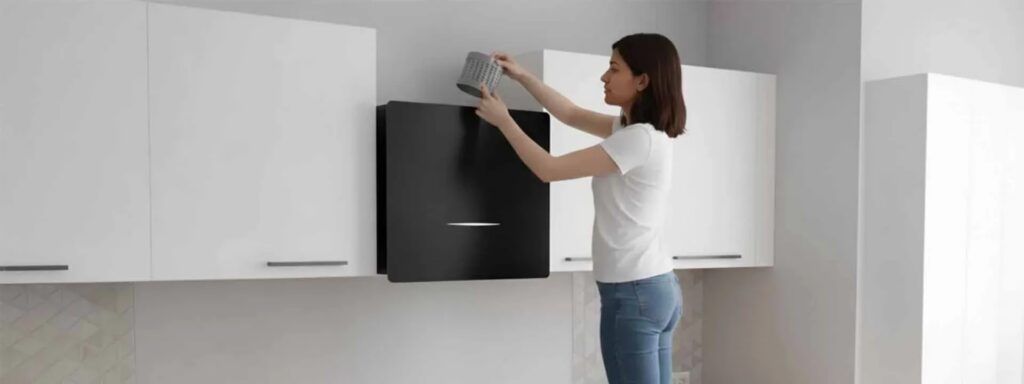
If you have ever walked into a room after a kitchen fire or even a small electrical mishap, you already know that smoke smell does not just disappear on its own. The odor clings to everything it touches, from your walls and ceilings to your refrigerator, microwave, and other household appliances. For homeowners in Baldwin, Long Island, and the surrounding communities, dealing with lingering smoke odor is one of the most frustrating parts of fire recovery.
At PuroClean of Baldwin, we have helped hundreds of local families restore their homes after fire and smoke damage. In this guide, we will walk you through exactly how to remove smoke smell from appliances and walls, what products and techniques actually work, and when it is time to call a professional smoke damage restoration team.
Why Smoke Smell Is So Hard to Eliminate
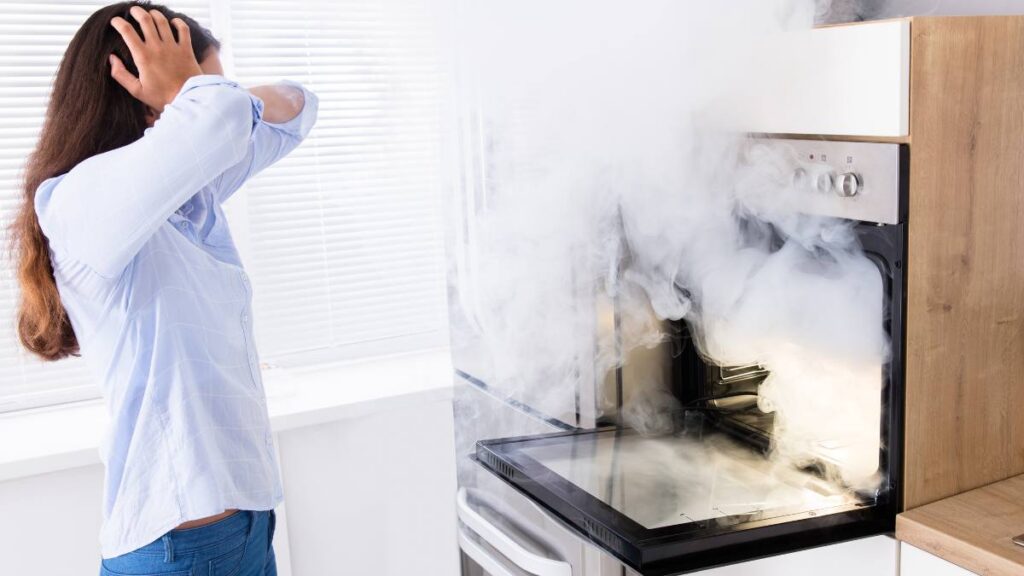
Before diving into the removal methods, it is worth understanding why smoke odor is so stubborn. Smoke is made up of tiny particles and gases produced during combustion. These particles are incredibly small, which means they can penetrate deep into porous surfaces like drywall, plaster, wood, and even the plastic and rubber components inside your appliances.
Read Also: Do You Need Content Pack-Out Services After Water Damage in Baldwin or Lynbrook?
When smoke settles on walls, it leaves behind a residue called soot. Soot contains carbon particles, acids, and other chemical compounds that bond with surface materials over time. The same thing happens inside your appliances. The heat from smoke can cause these particles to seep into crevices, behind panels, and into the insulation around motors and coils.
Standard cleaning products are often not strong enough to break down these bonds, and that is why so many homeowners in Nassau County find themselves dealing with a smell that just keeps coming back.
How To Remove Smoke Smell From Walls
Step 1: Safety First
Before you start any cleaning, put on protective gear. Soot residue contains harmful chemicals that you do not want on your skin or in your lungs. Wear rubber gloves, safety goggles, and a properly fitted N95 respirator mask. Open all windows and doors to ensure the area is well-ventilated throughout the entire process.
Step 2: Dry Soot Removal
Start with a dry cleaning method before introducing any moisture. Use a chemical dry sponge (also known as a dry cleaning sponge or soot sponge) to wipe down the walls. These sponges are specially designed to lift loose soot without smearing it further into the surface.
Do NOT use circular motions. Always wipe in straight, overlapping strokes and flip or replace the sponge frequently to avoid redistributing soot. Start from the top of the wall and work your way down.
Step 3: Deep Cleaning the Walls
Once loose soot has been removed, it is time to clean deeper. Mix one of the following cleaning solutions:
- Trisodium Phosphate (TSP) solution: Mix one tablespoon of TSP per gallon of warm water. TSP is one of the most effective cleaners for smoke-damaged walls and is widely available at hardware stores. Always follow label safety instructions when using TSP.
- White vinegar solution: Mix equal parts white vinegar and warm water. This is a milder, more eco-friendly option suitable for light smoke damage.
- Dish soap and baking soda: Mix a few drops of dish soap and two tablespoons of baking soda in warm water. This combination helps neutralize odors while cleaning the surface.
Apply your chosen solution to the wall using a clean sponge or cloth, scrubbing in gentle circular motions. Rinse the wall with a clean, damp cloth and allow it to dry completely.
Step 4: Odor Neutralization
Cleaning removes visible residue, but odor neutralization requires an extra step. After the walls are dry, apply an odor-neutralizing primer before repainting. Products like Zinsser BIN Shellac-Based Primer or Kilz Original are specifically formulated to seal in smoke odors at the molecular level.
Skipping this step and painting directly over a smoke-damaged wall is one of the most common mistakes Baldwin homeowners make. The odor will bleed through any new paint applied without a proper sealing primer underneath.
Step 5: Repaint With Fresh Paint
Once the odor-blocking primer has dried according to the manufacturer’s instructions, apply two coats of your chosen interior paint. For rooms that suffered heavier smoke exposure, consider using a paint with built-in primer for extra protection.
Pro Tip for Nassau County Homeowners
Older homes in Baldwin and surrounding areas like Freeport and Rockville Centre are more likely to have plaster walls, which are especially porous. If your walls are made of plaster, you may need to repeat the deep cleaning step two or three times before moving on to primer.
How To Remove Smoke Smell From Appliances
Smoke odor in appliances is a different challenge entirely. Here is how to tackle the most common household appliances one by one.
Refrigerator and Freezer
The inside of a refrigerator is full of plastic surfaces and rubber seals that absorb odors very easily. Here is how to clean it properly:
- Unplug the refrigerator and remove all food, shelves, and drawers.
- Wipe down all interior surfaces with a solution of one tablespoon of baking soda dissolved in one quart of warm water.
- For stubborn odors, soak a cloth in undiluted white vinegar and wipe all interior surfaces. Leave the doors open for 30 minutes.
- Clean the rubber door gaskets with the same vinegar solution, making sure to get into the folds.
- Place an open box of baking soda or activated charcoal inside the empty refrigerator and leave it closed for 24 to 48 hours before restocking.
- Wipe down the exterior, coils (if accessible), and drip pan beneath the unit.
Read Also: 5 Mistakes Homeowners Make After Fire or Water Damage (That Ruin Their Belongings)
If the compressor or internal components were exposed to heavy smoke, have an appliance technician inspect the unit before continued use.
Microwave
Microwaves are especially prone to trapping smoke odors inside their vents and on the interior walls.
- Remove the glass turntable and wash it with dish soap and warm water.
- Mix equal parts white vinegar and water in a microwave-safe bowl. Place it inside and run the microwave on high for three to five minutes. The steam will loosen residue and begin neutralizing odors.
- Once the bowl cools, carefully remove it and wipe down all interior surfaces with the same vinegar-water solution.
- Clean the vent filters. Most over-the-range microwaves have metal mesh filters that can be soaked in hot, soapy water. Replace charcoal filters if they are removable.
- Leave the microwave door open for several hours to air out completely.
Oven and Stovetop
Ovens require a more intensive approach because heat bakes odors into the interior surfaces.
- Remove the oven racks and soak them in a tub of hot water mixed with dish soap and baking soda for at least one hour.
- Run the oven self-cleaning cycle if your model has one. This burns off residue at extremely high temperatures.
- After the cleaning cycle completes and the oven cools, wipe down the interior with a paste made from baking soda and water. Leave the paste on for 15 minutes before wiping it away.
- Clean the stovetop surface with a degreaser. Remove the burner grates and wash them separately.
- Pay close attention to the area under the burners, around the broiler drawer, and behind the control panel, as soot can collect in all of these spots.
Dishwasher
Dishwashers have an interior that is constantly exposed to moisture, which can trap and hold smoke particles.
- Remove and wash all racks and the filter basket.
- Wipe down the interior walls, door, and gasket seal with a white vinegar solution.
- Place a dishwasher-safe bowl filled with two cups of white vinegar on the bottom rack and run a full hot cycle without detergent.
- Follow up with a second cycle, sprinkling one cup of baking soda along the bottom of the dishwasher before running it on a short hot cycle.
Washing Machine and Dryer
These appliances present a particular concern because smoke-contaminated machines can transfer odors to your clothing.
- Run the washing machine on its hottest setting with two cups of white vinegar and no clothing. Follow with a second empty cycle using one cup of baking soda.
- Wipe down the rubber door gasket on front-load washers, as soot and residue collect there.
- For dryers, clean the interior drum with a vinegar-dampened cloth. Remove and clean the lint trap and lint trap housing.
- If the dryer vent was exposed to smoke, have it professionally cleaned before running the machine.
When DIY Is Not Enough: Professional Smoke Damage Restoration in Baldwin
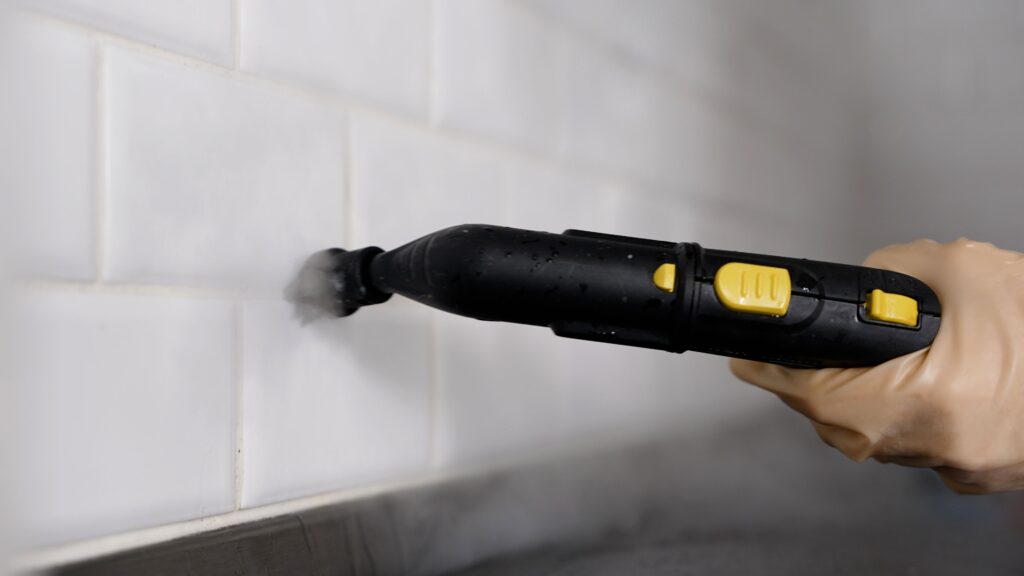
There are situations where no amount of household cleaning will fully eliminate smoke odor. If smoke penetrated deeply into wall cavities, insulation, or HVAC ductwork, the smell will keep returning no matter how many times you clean. This is especially true after house fires, electrical fires, or prolonged smoke exposure from neighboring units in multi-family buildings.
Read Also: Pack-Out vs On-Site Cleaning: What’s Best After Property Damage in Long Island?
PuroClean of Baldwin uses industrial-grade methods that go far beyond what any store-bought cleaner can achieve. Our certified technicians use:
- Thermal fogging: This technique uses a heated deodorizing solution to create a fog that penetrates the same areas smoke reached, neutralizing odor molecules at their source.
- Hydroxyl generators: These machines produce hydroxyl radicals that break down odor-causing compounds at the molecular level without harsh chemicals, making them safe to use in occupied spaces.
- Ozone treatment: Ozone generators flood a sealed space with ozone gas, which oxidizes and destroys odor molecules on surfaces and in the air. This treatment requires professional handling and the evacuation of the treated area.
- HEPA air scrubbers: High-efficiency particulate air scrubbers continuously filter smoke particles from the air during and after restoration work.
- Deep cleaning and encapsulation: We clean every surface using professional-grade products and apply sealants to permanently encapsulate any remaining smoke compounds.
If your appliances, HVAC system, or insulation were heavily exposed to smoke, our team can assess whether restoration or replacement is the right path forward.
Preventing Smoke Odor From Settling In
If you are dealing with a small, contained smoke event such as a minor kitchen fire or a pan that burned on the stove, acting quickly makes a major difference. The longer smoke particles sit on surfaces, the deeper they bond. Here is what to do right away:
- Open windows and doors immediately to ventilate the space.
- Turn on exhaust fans and portable fans to push smoky air outside.
- Remove any soft items like curtains, throw rugs, and cushions and take them outside for fresh air.
- Begin dry soot removal on walls within the first few hours.
- Contact PuroClean of Baldwin right away if the smoke event was anything more than minor. Early intervention keeps restoration costs significantly lower.
Serving Baldwin and the Greater Nassau County Area
PuroClean of Baldwin is proud to serve homeowners and businesses throughout Baldwin, Freeport, Rockville Centre, Merrick, Bellmore, Oceanside, and the surrounding communities on Long Island. We are locally owned and operated, which means when you call us, you are talking to neighbors who understand what it means to protect your home and your family.
We offer 24/7 emergency response for fire and smoke damage because we know that disaster does not wait for business hours. Our team arrives fast, assesses the full scope of damage, and creates a clear restoration plan so you know exactly what to expect from day one.
Frequently Asked Questions About Smoke Smell Removal
How long does smoke smell last in a house?
Without proper treatment, smoke smell can linger for months or even years, especially in porous surfaces like drywall, carpet, and wood. Professional treatment significantly shortens this timeline.
Does painting over smoke damage work?
Painting without first sealing with an odor-blocking primer will not solve the problem. The smell will bleed through within weeks. Always use a shellac-based or oil-based sealing primer first.
Is smoke smell dangerous to breathe?
Yes. Smoke residue contains carcinogens, heavy metals, and other toxic compounds. Prolonged exposure to a smoke-damaged environment is a health risk, particularly for children, the elderly, and anyone with respiratory conditions.
Can smoke damage my appliances permanently?
Heavy smoke exposure can damage electrical components, corrode metal parts, and degrade rubber seals. It is important to have appliances professionally inspected after significant smoke exposure before you use them again.
How much does professional smoke odor removal cost in Baldwin?
Costs vary depending on the size of the affected area and the severity of the damage. PuroClean of Baldwin offers free assessments. Many homeowners are surprised to find that their homeowner’s insurance covers smoke damage restoration.
Contact PuroClean of Baldwin Today
You do not have to live with the smell of smoke in your home. Whether you are dealing with the aftermath of a kitchen fire, a wildfire smoke event, or years of accumulated tobacco smoke, PuroClean of Baldwin has the expertise, equipment, and local knowledge to restore your home to the way it was before.
Call us today for a free smoke damage assessment. Our team is standing by 24 hours a day, 7 days a week to help Baldwin, Long Island homeowners recover quickly and completely.
PuroClean of Baldwin | Serving Baldwin, Freeport, Rockville Centre, Merrick, Bellmore, Oceanside, and surrounding Nassau County communities.
This article is intended for general informational purposes. For severe fire or smoke damage, always consult a certified restoration professional before attempting DIY cleaning.

Connect With Us on Social Media!
Facebook | Instagram | Twitter | NextDoor | Pinterest | Google Reviews | LinkedIn | Tiktok | YouTube


