


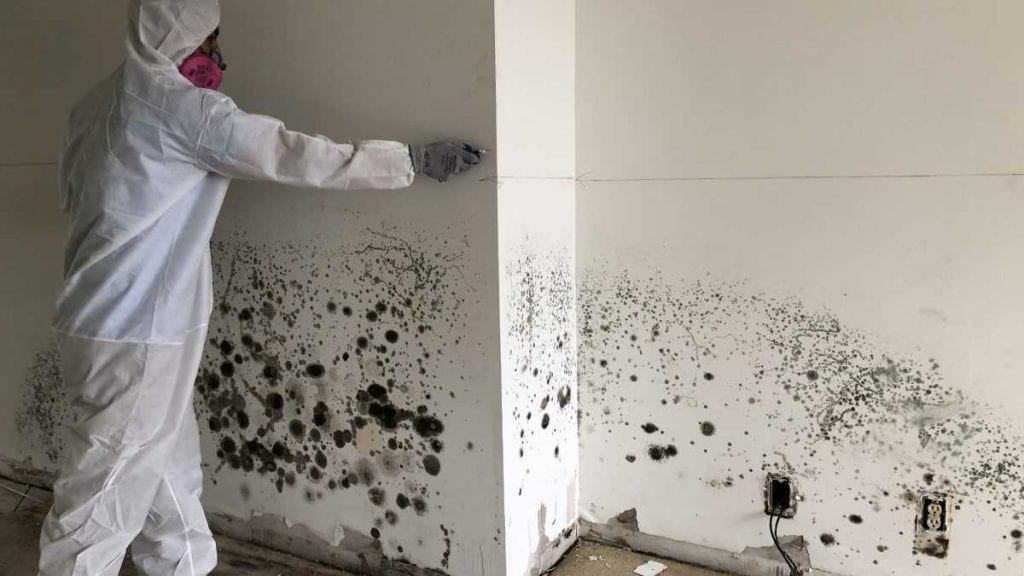
Mold remediation is often one of those things homeowners hope they never have to deal with, yet it’s far more common than many people realize. In Baldwin, where humidity, seasonal storms, and aging properties often collide, mold can quietly grow behind walls, under flooring, and inside HVAC systems before anyone notices. If you’re a property owner facing this issue, understanding the mold remediation process can take a lot of the stress out of an already frustrating situation.
Let’s walk through exactly what to expect, step by step, so there are no surprises along the way.
Understanding Mold Remediation in Baldwi
What Mold Remediation Really Means
Mold remediation isn’t just about scrubbing visible mold off a wall. Think of it like treating an illness rather than just masking the symptoms. The goal is to remove existing mold, address the conditions that allowed it to grow, and prevent it from coming back.
Why Mold Is a Common Issue in Baldwin Homes
Baldwin homes are especially vulnerable due to fluctuating humidity, heavy rainfall, and older construction methods that may lack proper ventilation. Basements, crawl spaces, bathrooms, and kitchens are frequent trouble spots where moisture likes to linger.
Why Professional Mold Remediation Matters
Health Risks Associated With Mold Exposure
Mold spores can affect indoor air quality and trigger allergies, respiratory issues, headaches, and skin irritation. For children, seniors, and individuals with asthma or weakened immune systems, prolonged exposure can be especially dangerous.
Structural Damage Mold Can Cause
Mold doesn’t just sit on surfaces. It feeds on organic materials like drywall, wood, and insulation. Over time, this can weaken structural components, leading to costly repairs if left untreated.
Why DIY Mold Removal Often Fails
DIY solutions may work for small surface issues, but they rarely address hidden mold or moisture sources. Without containment and proper filtration, spores can spread to other parts of the home, making the problem worse.
Common Signs You May Need Mold Remediation
Visible Mold Growth
Black, green, or white patches on walls, ceilings, or floors are an obvious red flag. However, mold often hides where you can’t see it.
Persistent Musty Odors
That damp, earthy smell that won’t go away is often mold’s calling card, especially in basements or closed-off rooms.
Health Symptoms Among Occupants
If residents experience unexplained coughing, sneezing, or worsening allergies while at home, mold could be the underlying cause.
Water Damage and High Humidity
Past flooding, roof leaks, plumbing failures, or high indoor humidity levels are major risk factors that often lead to mold growth.
The Mold Inspection and Assessment Phase
Initial Visual Inspection
Professionals begin with a thorough inspection of the property, checking visible areas and known moisture-prone zones.
Moisture Detection and Testing
Advanced tools like moisture meters and thermal imaging help identify hidden water sources behind walls and floors.
Identifying the Type and Extent of Mold
While homeowners don’t need to know the exact species, understanding how widespread the mold is helps determine the proper remediation strategy.
Creating a Mold Remediation Plan
Customized Strategies for Baldwin Properties
Every home is different. A remediation plan considers the size of the affected area, mold severity, and the home’s layout.
Determining Containment Levels
Small areas may require limited containment, while larger infestations demand full containment with sealed barriers.
Safety Planning and PPE Use
Professionals use personal protective equipment to ensure mold spores don’t spread or pose health risks during removal.
Containment and Isolation of Affected Areas
Negative Air Pressure Systems
These systems pull contaminated air out of the work area, preventing spores from drifting into clean spaces.
Preventing Cross-Contamination
Plastic sheeting and sealed entry points keep mold confined to designated zones.
Protecting Unaffected Living Spaces
Furniture, flooring, and personal belongings outside the remediation area remain safe and untouched.
Air Filtration and Environmental Control
HEPA Filtration Explained
HEPA air scrubbers capture microscopic mold spores, significantly improving indoor air quality during remediation.
Improving Indoor Air Quality
Continuous air filtration ensures that airborne contaminants are removed throughout the process.
Continuous Monitoring During Remediation
Humidity and air quality levels are closely monitored to ensure optimal conditions.
Mold Removal and Cleaning Process
Removing Contaminated Materials
Heavily affected drywall, insulation, and carpeting are safely removed and disposed of according to regulations.
Cleaning Salvageable Surfaces
Non-porous materials like metal, tile, and certain woods are cleaned using specialized techniques.
Antimicrobial Treatments
Antimicrobial solutions help eliminate remaining mold spores and inhibit future growth.
Addressing the Moisture Source
Fixing Leaks and Water Intrusion
Without fixing the moisture problem, mold will return. Repairs may include plumbing fixes or sealing foundation cracks.
Managing Humidity Levels in Baldwin Homes
Dehumidifiers and improved ventilation play a crucial role in long-term prevention.
Preventing Future Mold Growth
Simple steps like proper drainage, exhaust fans, and routine maintenance make a big difference.
Post-Remediation Verification
Clearance Testing and Final Inspection
After cleanup, professionals verify that mold levels are back to normal and the area is safe.
Ensuring the Home Is Safe to Occupy
Only after passing inspection is the containment removed and the space reopened.
Documentation for Property Owners
Reports provide peace of mind and can be useful for insurance or future property sales.
Restoration and Repairs After Mold Remediation
Rebuilding Removed Areas
Drywall, insulation, and flooring are replaced as needed.
Cosmetic and Structural Repairs
The goal is to restore the home to its pre-loss condition, or better.
Returning Your Home to Pre-Loss Condition
A professional finish ensures the home feels normal again, not like a construction zone.
How Long Mold Remediation Takes
Factors That Affect Timeline
Severity, size of affected areas, and moisture issues all influence duration.
What Baldwin Homeowners Should Expect
Most projects take a few days to a week, though larger cases may take longer.
Cost of Mold Remediation in Baldwin
What Influences Pricing
Extent of mold, required containment, and restoration needs all impact cost.
Insurance Considerations
Some insurance policies may cover mold remediation related to sudden water damage.
Choosing the Right Mold Remediation Company in Baldwin
Certifications and Experience
Look for licensed, insured professionals with proven experience.
Local Knowledge Matters
A company familiar with Baldwin homes understands local building styles and climate challenges.
Questions to Ask Before Hiring
Ask about inspection methods, containment procedures, and post-remediation testing.
Preventing Mold in Baldwin Homes Long-Term
Maintenance Tips for Homeowners
Regular inspections, prompt leak repairs, and humidity control go a long way.
When to Schedule Routine Inspections
Annual inspections or after major storms help catch issues early.
Conclusion
Mold remediation doesn’t have to feel overwhelming. When handled professionally, the process is structured, thorough, and designed to protect both your property and your health. For Baldwin homeowners, understanding what to expect makes it easier to act quickly and confidently. Addressing mold early, fixing moisture issues, and investing in expert remediation ensures your home remains safe, comfortable, and mold-free for years to come.
Frequently Asked Questions
1. How do I know if mold remediation is necessary?
If you notice visible mold, musty odors, or unexplained health symptoms, a professional inspection is recommended.
2. Is mold remediation safe for my family?
Yes, professional remediation uses containment and filtration to keep occupants safe.
3. Can I stay in my home during mold remediation?
In many cases, yes, but severe infestations may require temporary relocation.
4. Will mold come back after remediation?
If moisture issues are properly addressed, mold is unlikely to return.
5. How can I prevent mold growth in the future?
Control humidity, fix leaks quickly, and schedule routine inspections.


