


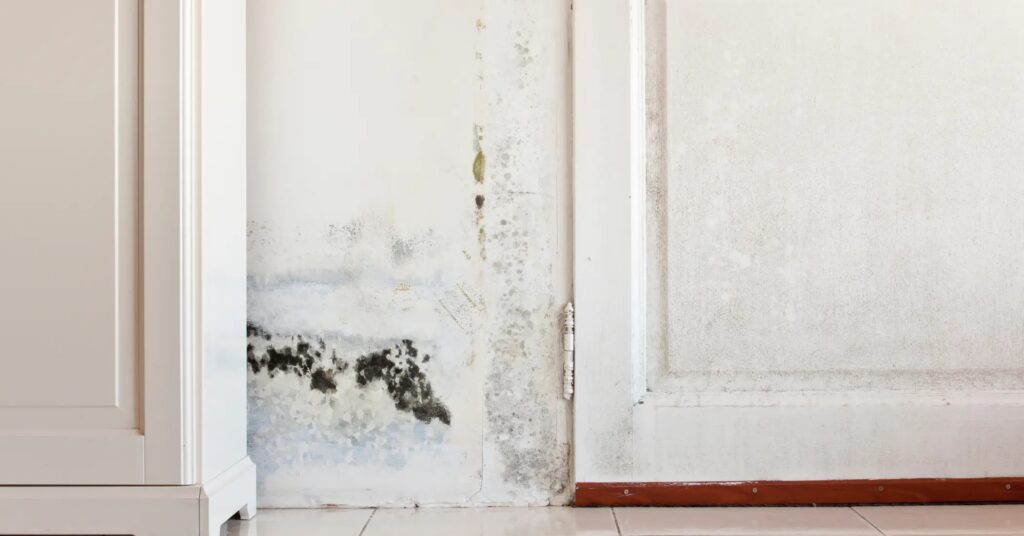
Water damage is often visible and immediate, a burst pipe spraying water across your floor or rain pouring through a ceiling after a storm creates obvious signs demanding urgent attention. However, some of the most destructive water damage occurs silently behind walls, where moisture accumulates gradually, compromising structural integrity and promoting dangerous mold growth before you even realize a problem exists.
Water Damage in Baldwin, NY
Understanding the signs of hidden water damage is crucial for homeowners and property managers who want to catch problems early, prevent costly repairs, and protect their investment.
Understanding Hidden Water Damage
Hidden water damage occurs when water penetrates building materials and structures without obvious visual indicators on surfaces. Water can enter through foundation cracks, pipe failures within walls, roof leaks that travel along structural elements, or condensation from HVAC systems. Once inside wall cavities, water is trapped in a perfect environment for damage, dark, unventilated, and often warm. The water damages insulation, wood framing, drywall, and electrical systems while promoting mold colonies that threaten both property and health.
The insidious nature of hidden water damage lies in its concealment. While it causes tremendous destruction over weeks or months, homeowners remain unaware until the damage becomes severe. By that point, structural repairs may be necessary, mold remediation becomes expensive, and the cost of restoration multiplies. Early detection through awareness of warning signs can prevent catastrophic damage and financial loss.
Discoloration and Staining Patterns
One of the earliest and most visible signs of hidden water damage is discoloration appearing on walls, ceilings, and baseboards. These marks don’t appear randomly, they follow water’s path as it travels through building materials.
Wall Discoloration
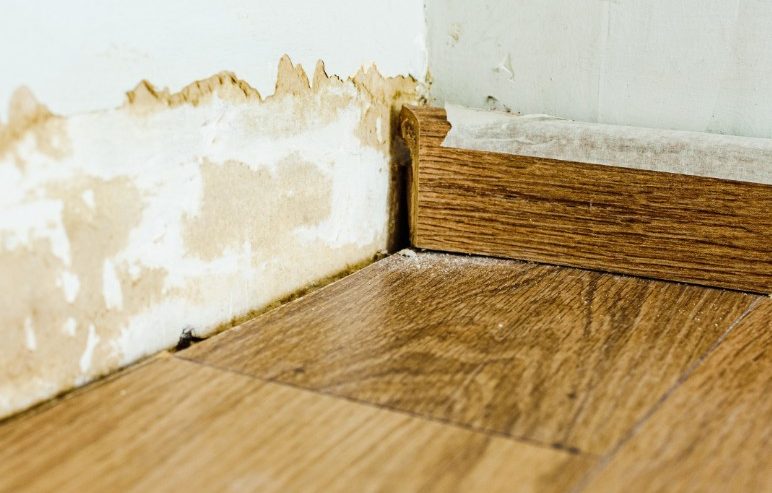
Walls with hidden water damage behind them often show browning, yellowing, or darkening patterns that seem to originate from inside the wall itself rather than from surface sources. These stains may appear as irregular patches or follow vertical or horizontal lines corresponding to framing members or the path water takes as it moves through the wall cavity.
The color of water stains provides clues about their nature. Light brown or tan stains often indicate older water damage that has begun drying. Dark brown or black stains suggest ongoing moisture or water damage contaminated with soil or mold. Rust-colored stains may indicate iron oxide from aging pipes or metal components. These stains typically start small and expand as moisture continues working through materials and evaporating at the surface.
Ceiling Discoloration
Ceilings reveal hidden water damage especially clearly because water often travels downward through wall cavities and becomes visible where it reaches ceiling materials. A yellowish or brownish ring or patch on a ceiling suggests water traveling downward through the structure above. Unlike stains from roof leaks that appear directly below the leak source, water damage from wall cavities may appear offset from the actual source, following the path of internal moisture movement.
Baseboard and Trim Staining
Baseboards and trim pieces often show water damage because moisture accumulates near floors where water naturally settles. Discoloration at the base of walls, particularly in bathrooms, kitchens, and basements, indicates water saturation in lower wall cavities. This sign is particularly important because it suggests the saturation has progressed far enough to reach the lowest portions of the wall assembly.
Paint Bubbling and Peeling
Paint applied over moisture-saturated drywall or wood bubbles and peels because moisture behind the paint prevents proper adhesion. Rather than forming a smooth surface, paint develops blisters where water vapor beneath pushes against it. Peeling paint on walls or ceilings, especially if it occurs in patches rather than uniformly across a surface, strongly suggests hidden moisture behind the painted surface.
Structural Changes and Warping
Water absorption causes materials to expand and warp, producing visible and tactile changes in walls and structural elements.
Wall Buckling and Bulging
Walls that bulge outward or show concave sagging indicate water saturation of framing and drywall. Wet drywall becomes heavier and less rigid, causing it to sag away from studs. Wet wood framing expands and warps, pushing against drywall and creating visible deformation. If you notice walls that aren’t plumb (perfectly vertical) or that appear to curve inward or bulge outward, water saturation may be responsible.
Run your hand along walls to feel for subtle buckling that might not be immediately obvious to the eye. In severe cases, you may see visible waves or bumps in what should be flat wall surfaces. This deformation is particularly concerning because it indicates significant water saturation and potential structural compromise.
Warped Flooring
Hardwood and laminate flooring absorb moisture from wet subflooring and expand, creating crowning (boards curving upward) or cupping (edges higher than centers). Warped flooring near walls suggests water saturation in the wall’s lower portions extending into subfloor materials. This sign often appears near bathrooms, kitchens, or exterior walls where water intrusion is more likely.
Tile flooring may show cracked or loose tiles near walls as wet subfloors shift and move. Vinyl flooring may bubble where moisture beneath prevents proper adhesion. Any flooring changes near walls warrant investigation for hidden water damage.
Baseboard Deformation
Baseboards absorb moisture and swell, becoming visibly thicker or developing a bowed appearance. Baseboards may pull away from walls as they swell or twist. Baseboards that were once tightly fitted may develop noticeable gaps. These changes indicate persistent moisture in the wall cavity reaching the baseboard.
Odors and Air Quality Issues
Your nose is often the first detector of hidden water damage. Musty, earthy odors indicate microbial growth and decomposition of organic materials.
Musty Smells
Persistent musty odors in rooms or areas with no obvious source suggest hidden moisture and mold growth. The smell intensifies in humid conditions or after weather changes that increase indoor humidity. Musty odors originating from wall cavities may be detectable near baseboards, around windows, or in corners where air circulation is poor.
Different mold species produce different odors, but all create unpleasant, earthy smells reminiscent of damp basements. If you notice musty smells in areas that should be dry, particularly in bedrooms or living areas far from obvious moisture sources, hidden water damage and mold behind walls should be considered.
Moldy or Damp Smells
Beyond musty scents, strong moldy smells indicate active mold growth. Some people describe it as sour or slightly sweet. These odors are produced by volatile organic compounds (VOCs) released by growing mold colonies. The presence of such odors indicates significant mold colonization, suggesting water damage has been present long enough for extensive mold growth.
Air Quality Deterioration
People in homes with hidden mold often report stuffy air that doesn’t smell fresh even with windows open. Air may feel thick or stale. Some report feeling that the air quality has degraded compared to previous conditions. These subjective impressions often precede visible evidence of water damage or mold.
Health Symptoms and Allergic Reactions
Mold growing behind walls produces spores and allergens that affect occupants’ health, creating symptoms that may prompt investigation into hidden water damage.
Respiratory Issues
Increased coughing, especially at night or in specific rooms, suggests airborne mold spores. Some people develop a persistent throat tickle or post-nasal drip associated with mold exposure. These symptoms often improve when the person leaves the affected area and worsen upon return. Children and elderly residents are particularly susceptible.
Allergic Reactions
People with mold allergies experience increased sneezing, itchy eyes, and nasal congestion in homes with hidden mold. Symptoms may intensify in bedrooms or specific rooms where water damage is most severe. Someone without previous allergies developing allergic symptoms warrants investigation into possible hidden mold.
Asthma Exacerbation
People with asthma often experience increased symptoms in homes with hidden mold. Asthma attacks may become more frequent or severe. The mold spores act as asthma triggers, causing inflammation and restriction of airways. If household asthma symptoms worsen and no obvious trigger is identified, hidden water damage and mold should be considered.
Skin Reactions
Some individuals develop rashes or skin irritation from mold exposure or from living in damp environments. These reactions typically improve away from the affected space and worsen upon return. Itchy, inflamed skin in people with no other skin condition may indicate mold exposure.
Visible Mold Growth

While mold behind walls is hidden by definition, sometimes mold growth becomes visible at wall surfaces or in adjacent areas, indicating that hidden damage exists behind the visible growth.
Surface Mold on Walls
Black, green, or white fuzzy growth on wall surfaces indicates active mold colonization. Mold visible on surfaces typically means extensive mold growth behind the wall, as surface mold represents only the visible fruiting bodies of much larger colonies within the wall cavity.
Mold grows in patterns reflecting water damage, often appearing as vertical streaks along framing members, or in irregular patches where moisture concentrates. Mold appearance at the base of walls or around windows strongly suggests hidden damage in the wall cavity.
Mold Around Windows and Doors
Window and door frames allow water intrusion around their perimeters. Mold growth around frames, particularly on interior surfaces, indicates water penetration into wall cavities. Even if mold is only visible on the surface, extensive hidden mold likely colonizes the wall cavity behind.
Mold in Crawl Spaces and Basements
Visible mold growth in foundation walls, basement corners, or crawl spaces indicates moisture problems affecting the entire structure. Water and mold visible in these spaces typically means similar problems exist in walls above, hidden from view.
Moisture and Humidity Issues
Moisture problems manifest as humidity, condensation, and dampness that alert attentive homeowners to hidden water issues.
Persistent Condensation
Condensation on windows, mirrors, or pipes indicates elevated indoor humidity. While some condensation is normal, persistent or excessive condensation suggests moisture sources beyond normal indoor activities. Condensation forming even on cold days may indicate hidden water damage releasing moisture into air.
Excessive Humidity
Hygrometers measuring indoor humidity above 50-60% indicate moisture problems. Elevated humidity without obvious sources like running showers or cooking suggests hidden water damage releasing moisture. Humidity levels remaining elevated despite adequate ventilation warrant investigation.
Damp or Wet Feeling
Rooms with hidden water damage often feel damp or clammy even without visible moisture. The air may feel thick or heavy. Touching walls may reveal dampness even where discoloration isn’t visible. These subjective impressions often precede measurable humidity increases or visible damage.
Water Staining on Non-Water-Exposed Surfaces
Water stains appearing on interior surfaces not directly exposed to moisture sources suggest water traveling through walls from hidden damage. For example, stains on interior walls of bedrooms distant from bathrooms or kitchens indicate water movement through wall cavities from sources behind walls.
Pest Activity and Insect Infestations
Water damage creates conditions attracting insects and pests, whose presence signals hidden moisture problems.
Termite or Carpenter Ant Activity
Termites and carpenter ants are attracted to wet wood and actively tunnel through moisture-damaged framing. Visible evidence of these pests, sawdust, mud tubes, or actual insects, indicates wet wood conditions behind walls. While these pests bore wood regardless of moisture content, wet wood is more susceptible and attractive to them.
Increased Pest Activity
Sudden increases in general pest activity, flies, gnats, cockroaches, or other insects, often correlate with moisture problems. Many pests are attracted to damp environments. Increased pest activity without obvious food sources suggests moisture problems that should be investigated.
Pest Droppings
Finding pest droppings in unusual locations may indicate pest activity attracted by moisture. Termite droppings (frass) resemble sawdust and appear near infested wood. Finding these materials in walls or emerging from walls indicates termite activity in water-damaged wood.
Performance and Utility Changes
Changes in how homes perform or function sometimes indicate hidden water damage affecting systems and structures.
Electrical Issues
Water intrusion into wall cavities containing electrical wiring creates serious hazards and often produces visible problems. Outlets or switches may feel warm to touch, produce burning smells, or cause electrical shocks. Circuits may trip more frequently than previously. Light switches may be unresponsive or function erratically.
These problems develop as water corrodes wiring insulation and creates short circuits. They represent serious fire and electrocution hazards requiring immediate professional attention.
HVAC System Changes
Air conditioning systems cycling more frequently or struggling to maintain set temperatures may be affected by moisture in walls. Ductwork or returns located in water-damaged walls become less efficient. Moisture in ducts promotes mold growth, potentially distributing spores throughout the home.
Plumbing Pressure Changes
Water pressure changes or reduced water flow may indicate pipe corrosion or leaks in walls supplying water to fixtures. Discolored water may indicate rust from corroding pipes. These changes suggest water damage around plumbing systems hidden behind walls.
Location-Specific Warning Signs
Certain locations in homes are particularly prone to hidden water damage, making warning signs in these areas especially significant.
Bathroom Walls and Adjoining Rooms
Bathrooms produce high moisture levels that migrate into adjoining walls. Moisture saturation behind bathroom walls frequently occurs from improper ventilation, shower spray escape, or leaking pipes. Look for discoloration, warping, or musty odors in walls adjacent to bathrooms, particularly in bedrooms or closets on the opposite side of bathroom walls.
Kitchen Areas
Kitchen plumbing concentrates many leak opportunities. Dishwashers, refrigerator ice makers, and sink supply lines frequently develop leaks hidden within walls or cabinets. Discoloration or warping on walls above or below kitchen cabinets suggests water damage from concealed plumbing leaks.
Exterior Walls
Exterior walls face weather exposure, creating numerous water intrusion opportunities. Look for signs of hidden water damage particularly on north-facing walls where sun never dries moisture, or south-facing walls where temperature fluctuations cause condensation. Window frames and doors allow water penetration into exterior walls.
Basement and Crawl Space Walls
These spaces are most prone to water intrusion from groundwater, poor drainage, and hydrostatic pressure. Any discoloration, efflorescence (white mineral deposits), or musty odors in basements or crawl spaces indicate water problems affecting the foundation and extending upward through the structure.
Attic Spaces and Upper Walls
Roof leaks may not be immediately apparent in attics but cause significant damage as water travels through structures. Look for water stains on attic framing, insulation that appears wet or compressed, or musty odors in attic spaces. These signs indicate roof leaks introducing water that travels downward through walls below.
Temperature Variations and Cold Spots
Temperature differences in walls may indicate moisture accumulation or air leakage associated with water damage.
Cold Spots on Walls
Wet insulation loses R-value and conducts temperature more efficiently than dry insulation, creating cold spots on wall surfaces. Touching walls and noticing unexpected cold areas suggests wet insulation behind the wall. Infrared thermometers reveal temperature variations not always apparent to touch.
Uneven Heating or Cooling
Rooms with water-damaged walls may heat or cool differently than adjacent spaces. Moisture and damaged insulation prevent proper thermal performance. If some rooms consistently maintain temperature differently despite identical thermostat settings, water-damaged insulation may be responsible.
Temperature Fluctuations
Rooms with hidden moisture may experience more dramatic temperature swings than expected. This occurs as moisture-compromised insulation fails to moderate temperature changes. Rooms feeling unusually cold at night or slow to cool in summer may indicate insulation problems from water damage.
Documentation and Professional Assessment
Recognizing these signs is the first step; documenting them and seeking professional assessment is essential.
Recording Changes
Keep notes of when you first notice symptoms, how they change over time, and which areas are affected. Photograph discoloration, warping, or visible mold. Document odors, health symptoms, and when they occur. This information helps professionals understand the problem’s timeline and severity.
Moisture Meter Testing
Professional moisture meters detect moisture in materials that appear dry to the naked eye. If you notice warning signs, requesting moisture testing provides objective data confirming hidden water damage. Testing at various locations shows moisture distribution patterns.
Thermal Imaging
Infrared cameras reveal moisture by detecting temperature differences. Wet materials often appear cooler than surrounding dry materials. Professional thermal imaging identifies hidden moisture distribution and helps locate water damage extent.
Mold Testing
If mold is suspected, professional testing identifies mold species and concentration. Some mold species are more hazardous than others. Testing results guide remediation approaches and determine whether professional mold removal is necessary.
Acting on Warning Signs
Discovering signs of hidden water damage prompts action to prevent further deterioration.
Professional Inspection
Contact water damage professionals or general contractors experienced with water damage to inspect areas of concern. Professionals can identify problems invisible to untrained eyes and recommend appropriate remediation.
Source Identification
Remediation requires identifying and stopping water entry. Professionals trace moisture sources, determine how water enters, and recommend solutions from simple fixes like improving drainage to more complex repairs like foundation sealing or roof repair.
Rapid Remediation
Once hidden water damage is confirmed, timely remediation prevents mold growth and structural deterioration. Extraction, drying, decontamination, and mold prevention should begin immediately. Delays allow damage to worsen and remediation costs to escalate.
Common Misconceptions About Hidden Water Damage
Understanding what hidden water damage is not helps prevent costly mistakes.
Not All Moisture Indicates Damage
Some moisture presence is normal in buildings. Bathrooms and kitchens naturally produce moisture. Brief condensation after showers or cooking is expected. However, persistent moisture not traceable to recent normal activities warrants investigation.
Drying Alone Doesn’t Solve Problems
Opening windows or running fans may reduce immediate moisture but doesn’t address underlying water sources. Simply drying an area without finding and fixing the water entry point allows problems to recur immediately.
Fresh Paint Doesn’t Fix Water Damage
Painting over water stains or discoloration only hides problems. If moisture persists, paint will bubble and peel again. The underlying water source must be addressed before repainting.
Not All Musty Smells Indicate Mold
While musty odors strongly suggest mold or moisture, some old buildings naturally have earthy smells. However, odors that intensify in humid weather or that weren’t present previously likely indicate active moisture and mold problems.
Long-Term Consequences of Unaddressed Hidden Water Damage
Understanding what happens without intervention motivates action.
Structural Compromise
Wood rot progresses silently, weakening framing that supports ceilings and floors. Over years, damage can compromise structural integrity, creating safety hazards and necessitating expensive repairs or even demolition and rebuilding.
Mold Health Impacts
Extended mold exposure causes serious health problems. Respiratory diseases, fungal infections, and immune system suppression can develop from prolonged mold exposure. Some mold species produce mycotoxins causing severe health effects.
Electrical Fires
Water-damaged electrical systems corrode and arc, creating fire hazards. Fires developing within walls are particularly dangerous because they progress unseen until fire becomes apparent, providing no time for evacuation.
Property Devaluation
Homes with water damage history sell for significantly less than comparable homes without damage history. Even after repairs, disclosure requirements mean buyers know about past damage, affecting property value permanently.
Conclusion
Hidden water damage behind walls represents one of homeowners’ most insidious problems. Unlike obvious water damage from broken pipes or roof leaks, hidden water damage progresses silently, accumulating structural damage and mold growth before detection. However, by understanding the warning signs, discoloration patterns, structural warping, musty odors, health symptoms, and location-specific indicators, homeowners can identify hidden water damage early.
Vigilance is essential. Regular inspection of areas prone to water problems, attention to musty odors, and awareness of health symptoms can reveal hidden water damage before catastrophic damage occurs. When warning signs appear, professional assessment and rapid remediation prevent costly repairs and protect property value and occupant health.
Water damage is water damage, whether visible or hidden. Taking seriously the signs of hidden water damage and responding with professional intervention separates minor problems from disasters. The investment in early detection and treatment is minimal compared to the cost of ignoring warning signs until structural damage and extensive mold remediation become necessary. Your awareness and vigilance are your home’s best defense against the silent destruction of hidden water damage.
Connect With Us on Social Media!


