


Water is the lifeblood of a modern home, flowing through a complex network of pipes to provide convenience and sanitation. However, when that water escapes its designated path, it becomes a silent destroyer. Hidden water damage is one of the most challenging issues a homeowner in Baldwin can face.
Unlike a burst pipe that floods a kitchen in minutes, hidden leaks move slowly, saturating structural materials and fueling microbial growth long before they are ever seen.
For many residents, the first sign of trouble is not a puddle, but a subtle change in the environment. Perhaps a room smells slightly different, or a patch of paint looks a bit duller than the rest. By the time these signs become obvious, the internal structure of the wall may already be compromised. Understanding the warning signs of hidden water damage is essential for protecting your property value and the health of your family.
Why Hidden Water Damage is So Dangerous
The danger of hidden water damage lies in its stealth. When water is trapped behind drywall, it is insulated from the air circulation that would normally help it evaporate. This creates a stagnant, high humidity environment within the wall cavity.
Drywall, wooden studs, and insulation are all organic materials. When they stay damp for more than 24 to 48 hours, they provide the perfect food source for mold. Furthermore, water weakens the cellulose fibers in wood and the gypsum core of drywall. Over time, this leads to structural instability. A wall that looks solid on the outside could be rotting from the inside out, leading to sagging ceilings or compromised load bearing beams.
Top Signs of Hidden Water Damage Behind Your Walls
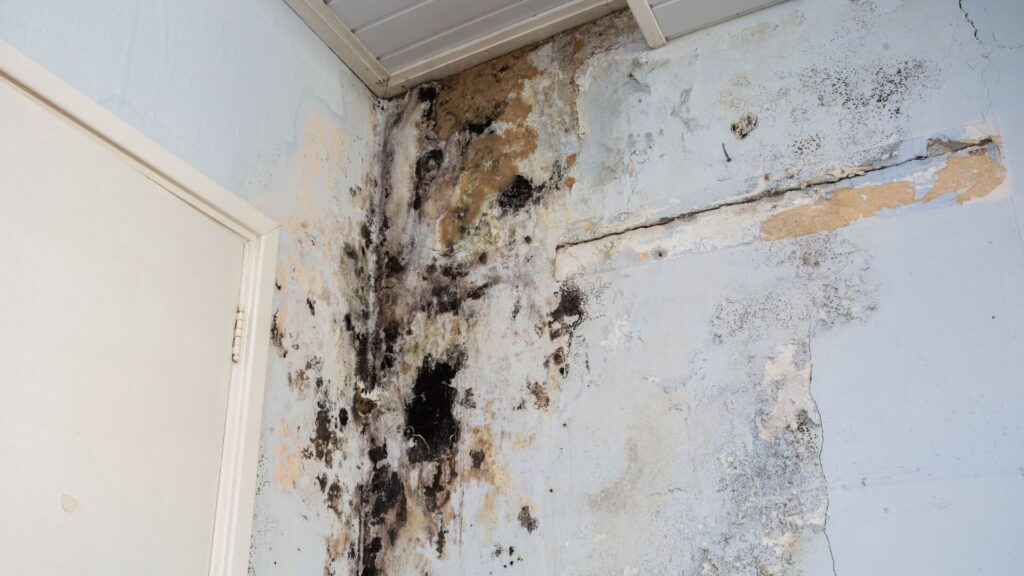
If you suspect your home has a moisture problem, you need to look for specific physical and environmental cues. Here are the most common indicators that water is lurking where it should not be.
1. Unusual Changes in Wall Texture
Read Also: Uncover Hidden Signs of Water Damage Behind Walls Before It’s Too Late
Drywall is designed to be flat and rigid. When it absorbs water, it loses its structural integrity. Look for the following texture changes:
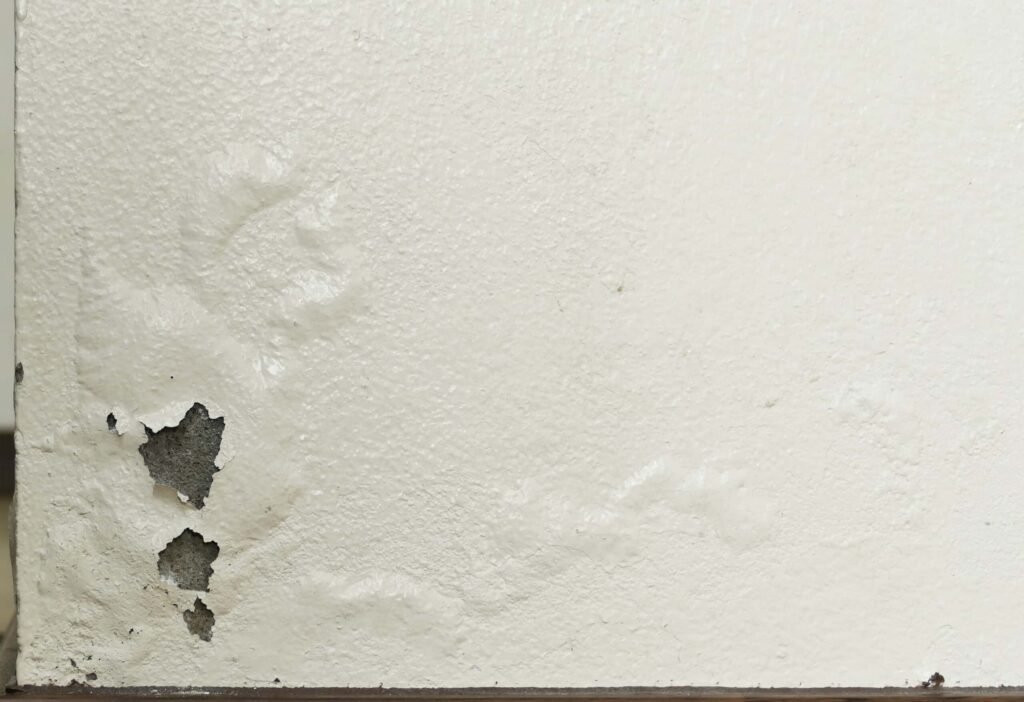
- Bubbling or Peeling Paint: When water gets behind a layer of paint, it breaks the bond between the paint and the wall. This causes the paint to lift, creating bubbles or causing it to flake off in large sections.
- Buckling or Warping: If a wall looks curved or feels soft when you press on it, the internal studs or the drywall itself has become oversaturated.
- Crumbling Baseboards: Often, water travels down the back of a wall and pools at the bottom. If your wooden baseboards feel soft or look like they are disintegrating, there is likely a leak above them.
2. Discoloration and Staining
This is often the most recognizable sign of a leak. Water stains usually start as a light tan or yellowish tint. Over time, as the water carries minerals and dirt through the building materials, the stain darkens to a deep brown.
- Water Rings: Similar to a coffee stain on a coaster, hidden leaks often create concentric rings as the moisture spreads and dries repeatedly.
- Sudden “Dirty” Patches: If a section of your wall looks like it has a thin layer of dust or soot that cannot be wiped away, it might actually be moisture drawing internal dust to the surface.
3. Persistent Musty Odors
Your nose is a powerful tool for detecting water damage. As mentioned in previous guides, mold and bacteria release gases called mVOCs as they grow. If a specific room has an earthy, damp, or “locker room” smell that persists even after cleaning and airing out the space, the source is likely inside the walls. This odor is often stronger near electrical outlets or baseboards where air from the wall cavity can escape.
4. Spikes in Your Water Bill
Sometimes the signs are financial rather than physical. If your water usage habits have not changed but your monthly bill is steadily increasing, you likely have a “silent leak.” A pinhole leak in a copper pipe behind a wall can lose hundreds of gallons of water over a month. If you suspect this, turn off all water fixtures in the house and check your water meter. If the dial is still moving, water is escaping somewhere.
5. Sounds of Running Water
In a quiet house at night, you might hear the signs of damage. If you hear a faint dripping, hissing, or the sound of rushing water when no appliances are running, it is a clear indicator of a plumbing failure. These sounds are often muffled by insulation, so pay close attention to walls shared with bathrooms or kitchens.
Common Causes of Hidden Wall Leaks in Baldwin
Baldwin homes face unique challenges based on their construction and the local climate. Understanding the cause can help you identify the location.
- Leaking Window Flashing: During heavy New York storms, wind driven rain can force its way behind window frames if the flashing is old or cracked.
- Roof Leaks: Water often enters through a damaged shingle and “travels” down a rafter and into a wall, appearing far away from the actual roof hole.
- Aging Pipes: Many older homes in the area have galvanized or copper piping that eventually succumbs to corrosion.
- Condensation on HVAC Lines: If your AC refrigerant lines are not properly insulated, they can “sweat” inside the walls during the humid summer months.
What to Do Next: A Step by Step Guide
If you have identified one or more of these signs, the clock is ticking. Taking immediate action can mean the difference between a simple repair and a full scale mold remediation project.
Step 1: Shut Off the Water
If you suspect a plumbing leak, turn off the main water valve to the house immediately. This stops the “feeding” of the damage while you investigate.
Step 2: Document the Damage
Take clear, high quality photos and videos of the stains, bubbling paint, or warped materials. This documentation is vital if you need to file an insurance claim. Do not attempt to tear into the wall yourself yet, as this can release mold spores or disturb electrical wiring.
Step 3: Call a Professional Leak Detection and Restoration Team
Read Also: Signs of Hidden Water Damage in Walls, Ceilings, and Floors
Hidden water damage requires specialized tools to diagnose without destroying your home. A professional team like PuroClean of Baldwin uses:
- Infrared Thermography: Thermal cameras detect temperature differences. Since wet materials are typically cooler than dry ones, we can “see” the path of the water behind the drywall.
- Moisture Meters: We use non invasive meters to measure the moisture content of your walls and floors to determine the exact boundaries of the damage.
Step 4: Professional Drying and Mitigation
Once the leak is repaired by a plumber, the drying process must begin. Simply opening a window is not enough. Professionals use industrial grade dehumidifiers and high velocity air movers to pull moisture out of the structural wood and drywall.
Step 5: Address Mold Concerns
If the water has been present for a while, mold is almost a certainty. A professional restoration company will set up containment zones using plastic sheeting and negative air pressure to ensure that spores do not travel to the rest of your home during the cleaning process.
Why You Should Not Wait
It is tempting to put off a small water stain, especially if life is busy. However, water damage is progressive. It never gets better on its own.
- Health Risks: Mold can cause respiratory issues, especially in children and the elderly.
- Property Value: Undisclosed or poorly repaired water damage will fail a home inspection when you try to sell your property.
- Insurance Coverage: Many insurance policies require the homeowner to take “reasonable action” to prevent further damage. Ignoring a visible stain for weeks may result in a denied claim.
Conclusion: Protect Your Home with PuroClean of Baldwin
Hidden water damage is a serious threat, but it is one you do not have to face alone. By staying vigilant and watching for the top signs like texture changes, odors, and staining, you can catch a leak before it turns into a disaster.
At PuroClean of Baldwin, we are the Paramedics of Property Damage. We understand the stress of finding hidden leaks, and we are dedicated to restoring your home to its pre loss condition quickly and professionally. Our team is available 24/7 to provide the expert inspection and restoration services you need.
If you suspect your walls are hiding a secret, do not wait for the problem to grow. Contact us today for a professional moisture assessment. Let us help you keep your home safe, dry, and healthy for years to come.
Connect With Us on Social Media!


