


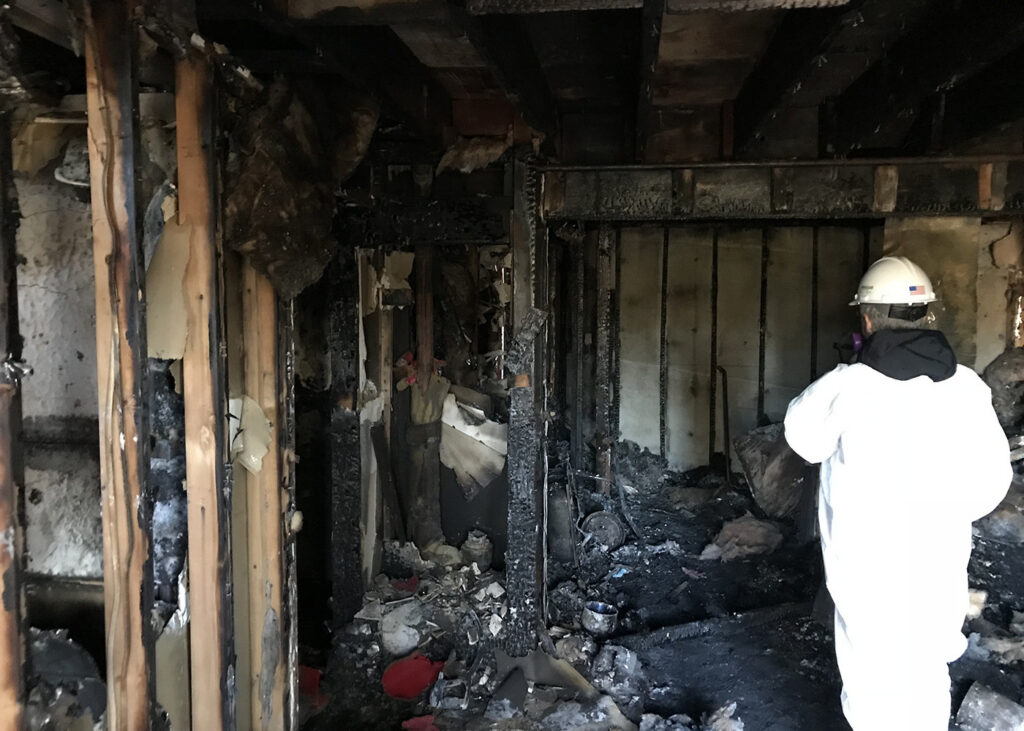
A house fire is one of the most deeply disruptive and traumatic events a homeowner can experience. Once the first responders leave and the flames are completely extinguished, property owners are left facing a scene of overwhelming devastation.
On Long Island, where neighborhoods feature a mix of historic estates, mid century capes, and modern builds, the physical aftermath of a fire involves a complex combination of structural burning, widespread smoke infiltration, corrosive soot settling, and severe water saturation from firefighting efforts. The recovery process can feel paralyzing, but understanding exactly what happens during a professional fire damage cleanup can provide much needed clarity.
At PuroClean of Baldwin, we utilize a highly scientific, structured approach to secure your property, salvage your treasured belongings, and restore your home to a safe, pre loss condition. If you have experienced a fire emergency, contact our local team immediately at (516) 200-1416 for 24, 7 emergency dispatch.
Phase 1: Immediate Emergency Securing and Hazard Mitigation
The very first phase of fire damage cleanup begins before any actual washing or rebuilding occurs. A fire fundamentally compromises the structural integrity and physical security of a home.
Structural Stabilization and Inspection
Before anyone can safely enter the property, a professional team must assess structural safety. Trusses, floor joists, and wall framing may be severely weakened by intense heat. Restoration professionals work to identify these invisible hazards, ensuring that ceilings or floors are not at risk of imminent collapse.
Emergency Board Up and Roof Tarping
Firefighters frequently break windows, cut holes in roofs, and breach exterior doors to vent smoke and extinguish flames. This leaves the home entirely exposed to weather elements and potential intruders. An emergency restoration crew will immediately install heavy duty plywood board ups over shattered windows and doors, and secure durable tarps over compromised roofs. This steps protects the interior from secondary rain damage and preserves the property for insurance adjusters.
Phase 2: Mitigating the Water Damage from Firefighting Efforts
It surprises many homeowners to learn that a major component of fire damage cleanup is actually water damage restoration. Fire trucks can pump hundreds or even thousands of gallons of water into a home to suppress a blaze. This creates an immediate secondary crisis.
Standing water pooling in basements or dripping through ceilings must be extracted immediately. If this water sits unmanaged while teams focus solely on fire impacts, the property will develop widespread mold growth within 24 to 48 hours. PuroClean of Baldwin deploys truck mounted extraction units to pump out standing water, followed by industrial dehumidifiers and air movers to thoroughly dry out the structural framing before soot remediation begins.
Phase 3: The Science of Soot Remediation and Smoke Removal

Soot is not just unsightly dust, it is an incredibly corrosive, toxic byproduct of incomplete combustion. When modern building materials, plastics, electronics, fabrics, and synthetic finishes burn, they create highly complex chemical compounds that bind to surfaces. If left untreated, soot will permanently stain, pit, discolor, and corrode metals, glass, plastics, and porous materials within days.
Professional restoration teams classify soot into distinct types, each requiring a completely unique cleaning protocol:
Dry Soot: This occurs from fast burning wood or paper fires. It is powdery, relatively easy to brush away, and responds well to specialized dry chemical sponges.
Wet Soot: This results from low oxygen, slow smoldering fires fueled by plastics and rubber. It is greasy, smeary, highly destructive, and requires specialized liquid detergents to dissolve.
Protein Residue: This is created by kitchen grease fires. It is nearly invisible but leaves a sticky, highly pungent film that yellows finishes and binds tightly to cabinetry.
Fuel Oil Soot: This occurs from furnace puff backs, leaving a thick, oily layer across walls and ductwork.
Restoration technicians utilize specialized tools, including chemical sponges, specialized vacuums equipped with true HEPA filters, and proprietary alkaline cleaning agents to safely lift soot particles without driving them deeper into porous surfaces like drywall or plaster.
Phase 4: Advanced Thermal Deodorization
Smoke odor is incredibly stubborn because microscopic smoke particles penetrate deeply into hidden wall cavities, insulation layers, and porous structural timbers. Simply painting over a smoke stained wall or using masking sprays will never solve the problem, as changes in atmospheric temperature and humidity will cause the odor to leach back out indefinitely.
To achieve total odor elimination, professionals rely on advanced scientific equipment:
* Hydroxyl Generators: These units use safe UV light technology to break down odor molecules at a molecular level, allowing teams to safely deodorize spaces while occupants or pets are nearby.
* Ozone Machines: This equipment generates ozone gas to aggressively oxidize organic odor molecules, completely destroying them. This process is conducted in strictly controlled, unoccupied environments.
* Thermal Fogging: This technique mimics the fire itself by releasing a heated deodorizing fog that penetrates the exact same deep micro fissures that the smoke traveled into, neutralizing the odor at its source.
Phase 5: Contents Restoration and the Pack Out Process

A home is not just a structural shell, it contains your life’s belongings. Contents restoration is a meticulous branch of fire cleanup focused on saving furniture, clothing, electronics, documents, and family heirlooms.
The Inventory and Pack Out
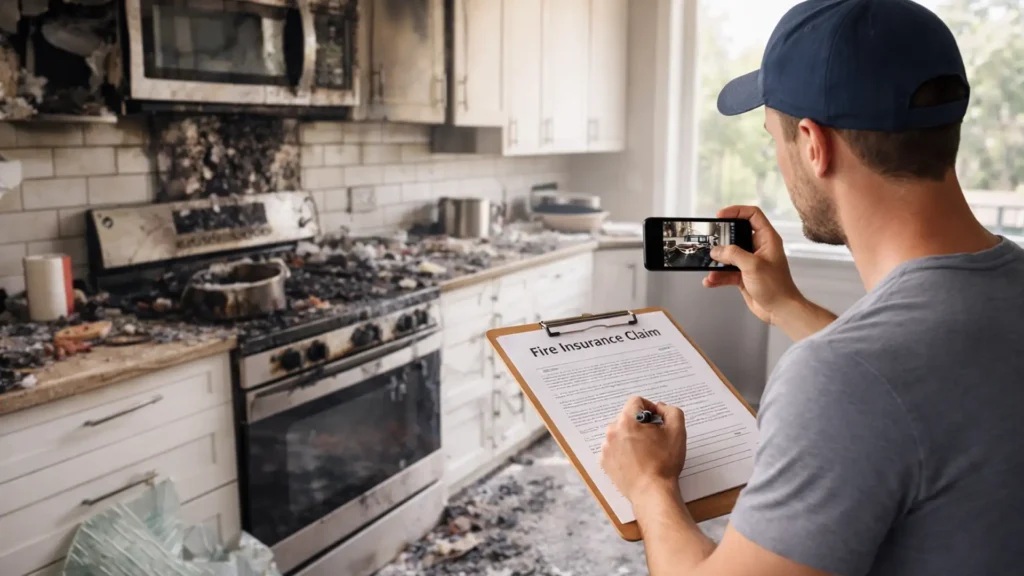
Technicians carefully document, photograph, and bar code your personal items. Items that can be salvaged are securely packed and transported to a secure, climate controlled facility for specialized cleaning. Items that are completely destroyed are meticulously documented on a total loss inventory list to ensure you receive proper reimbursement from your insurance provider.
Specialized Cleaning Techniques
At the restoration facility, items undergo advanced cleaning processes. Electronics are disassembled and cleaned with specialized solvents to remove corrosive conductive soot. Garments and soft goods undergo specialized dry cleaning or hydraulic washing using specialized deodorizing agents to remove smoke smells completely.
Phase 6: Structural Reconstruction and Final Rebuilding
Once the water is dried, the soot is completely remediated, and the smoke odor is entirely eliminated, the final phase is reconstruction. This is where the property transitions back from a cleanup site to a home.
PuroClean of Baldwin provides seamless, full service care by managing the entire reconstruction phase. Our construction division takes care of replacing charred framing, hanging and finishing new drywall, installing insulation, painting, replacing flooring, and reinstalling cabinetry. By handling both the technical mitigation and the final rebuilding under one roof, we eliminate communication gaps, accelerate the timeline, and get you back into your home faster.
Partnering with Long Island’s Trusted Restoration Experts
Recovering from a fire is a journey that requires technical precision, patience, and true empathy. Trying to clean fire damage without professional equipment can cause permanent staining, worsen smoke odor issues, and expose your family to toxic airborne particles.
At PuroClean of Baldwin, we walk with you through every step of the recovery process, providing clear communication, meticulous documentation for your insurance carrier, and unmatched technical expertise. Our certified local teams are available around the clock to help you rebuild. Do not face the aftermath of a fire alone.
Contact PuroClean of Baldwin today at (516) 200-1416 to bring your home back to life.
Connect With Us on Social Media!
Facebook | Instagram | Twitter | NextDoor | Pinterest | Google Reviews | LinkedIn | Tiktok | YouTube


