


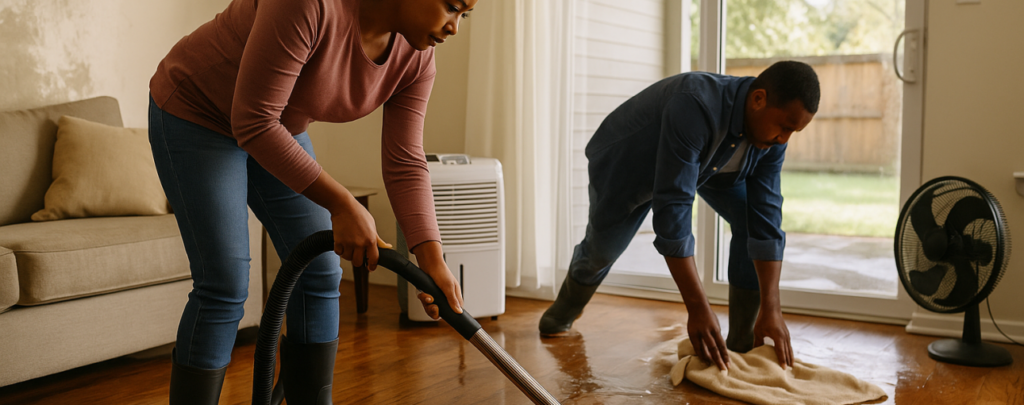
Discovering water damage in your Baldwin home can be an overwhelming experience. Whether the cause is a severe Nassau County storm, a sudden appliance failure, or a second-floor pipe burst that sends water cascading down into your living room, acting swiftly is critical. Water is incredibly intrusive. It can seep into continuous hardwood flooring, saturate drywall, and compromise the structural integrity of your property within hours.
This comprehensive guide outlines the exact steps you need to take immediately after discovering water damage to protect your family, preserve your property, and ensure a smooth restoration process.
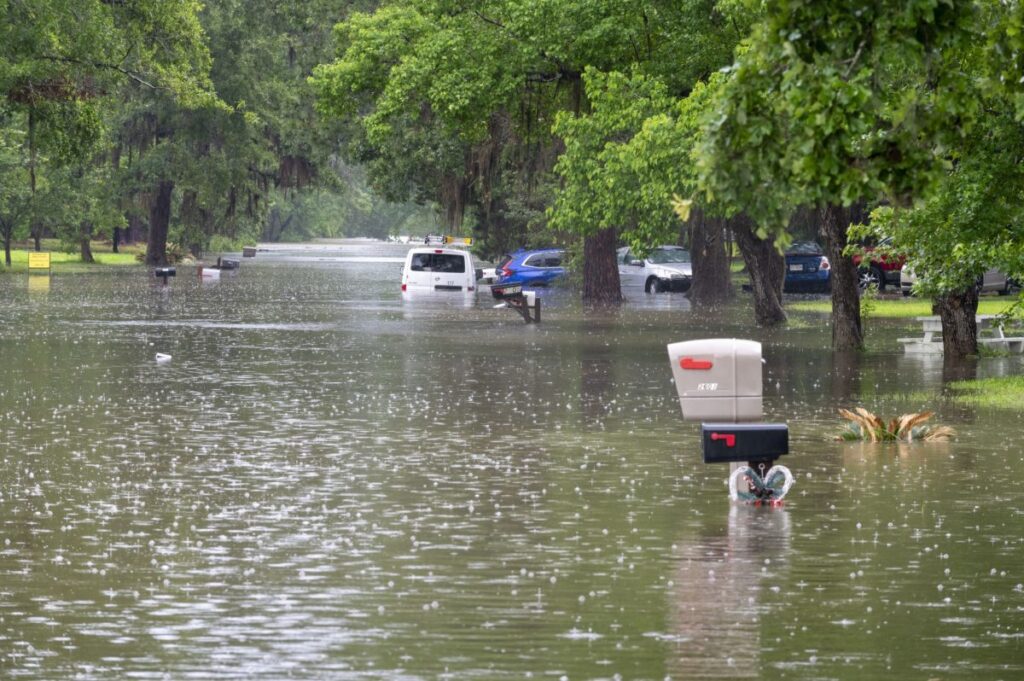
1. Prioritize Safety Above All Else
The very first thing you must do when dealing with indoor flooding is to secure the area and prioritize human safety. Standing water presents severe electrical hazards. If water has reached the level of electrical outlets or appliances, do not step into the flooded area. You should immediately shut off the main power supply to your home if it is safe to do so. Additionally, be highly aware of slip and fall hazards, especially if water has spread across tile or hardwood floors. If the ceiling is sagging heavily or showing signs of a major leak from a saturated kitchen ceiling above, evacuate the immediate area. Structural collapse is a very real danger in severe water damage scenarios.
2. Stop the Source of the Water
If the flooding is coming from a plumbing issue, your next immediate step is to stop the flow of water. Locate your home’s main water shut-off valve and turn it off completely. Every homeowner in Baldwin should know exactly where this valve is located before an emergency strikes. If the issue is localized to a specific fixture like a leaking sink or a burst washing machine hose, you may be able to use the isolation valve located directly behind or below the appliance. By stopping the water at its source, you prevent additional gallons of water from compounding the destruction.
3. Call Your Local Baldwin Restoration Experts
Once everyone is safe and the water source is secured, professional mitigation must begin. Time is not on your side when it comes to water damage. You need to contact a certified restoration team immediately. Reach out to PuroClean of Baldwin right away at (516) 200-1416. Our local team understands the specific architecture and weather challenges of Nassau County homes. We dispatch emergency crews rapidly to begin water extraction, preventing secondary damage like severe structural weakening and mold proliferation. Fast action can mean the difference between a simple cleanup and a massive reconstruction project.
4. Document the Damage for Your Insurance Company
Before you begin moving items or attempting to clean up, take extensive photographs and videos of the damage. Insurance companies require thorough documentation to process your claim efficiently. Capture wide shots of the affected rooms and close-up images of damaged building materials and personal belongings. Document the exact source of the leak if it is visible. Make a preliminary inventory list of damaged furniture, electronics, and valuables. Having this comprehensive evidence will significantly streamline your communication with your insurance adjuster down the line.
5. Remove Valuable Items and Furniture
If it is safe to re-enter the space, begin removing items from the affected area to prevent them from soaking up more moisture. Focus on elevating or relocating smaller furniture pieces, rugs, and important documents. If you have large, heavy furniture sitting on wet carpets or hardwood flooring, place aluminum foil or wood blocks under the legs. This prevents wood stains from bleeding into the carpet and protects the furniture legs from absorbing moisture and swelling.
6. Begin Preliminary Water Removal and Ventilation
While waiting for PuroClean of Baldwin to arrive, you can start removing excess water if you have the appropriate tools. Use a wet/dry vacuum, mops, or old towels to soak up standing water. Never use a standard household vacuum cleaner, as this poses a deadly risk of electrocution. If the weather in Baldwin permits and the outside air is dry, open windows to encourage air circulation. Turn on ceiling fans and stand fans to help move the air around. However, rely on the heavy-duty industrial dehumidifiers and air movers brought by your restoration professionals to handle the deep drying process.
The Hidden Danger: Mold Growth
One of the most significant risks of delaying water damage restoration is the rapid development of mold. Mold spores can begin to multiply within 24 to 48 hours of initial water exposure. We frequently see extreme mold remediation needs in basements and staircases where water has been allowed to sit unnoticed or untreated. Proper extraction and industrial-grade drying are mandatory to ensure that moisture is not trapped behind drywall, under cabinets, or beneath floorboards. Professional drying prevents these hidden pockets of moisture from becoming toxic mold colonies.
Why Choose PuroClean of Baldwin
Handling water damage is not a do-it-yourself task. It requires specialized equipment, advanced training, and a deep understanding of building science. At PuroClean of Baldwin, we utilize state-of-the-art moisture mapping technology to locate hidden water. Our technicians are highly trained in handling everything from simple clean water leaks to complex category three black water backups. We manage the entire process, from initial extraction and structural drying to final sanitization. We also work directly with your insurance provider to make the process as seamless and stress-free as possible. Remember to save our number, (516) 200-1416, so you are always prepared.
Frequently Asked Questions (FAQs)
How long does the water drying process take?
Typically, professional structural drying takes between three to five days. However, the exact duration depends on the severity of the flood, the types of materials affected, and the specific layout of your Baldwin home. Dense materials like continuous hardwood flooring and concrete take longer to dry completely compared to standard drywall.
Will my insurance cover the water damage?
Most standard homeowners insurance policies cover sudden and accidental water damage, such as a burst pipe or a malfunctioning water heater. However, they usually do not cover gradual damage from poor maintenance or flooding caused by external weather events unless you have a separate flood insurance policy. We highly recommend reviewing your policy details with your local agent.
Can I clean up the water myself?
While you can clean up minor spills, significant water damage requires professional intervention. Water migrates quickly, soaking into baseboards, wicking up drywall, and penetrating subfloors. Without professional-grade moisture meters and extraction equipment, you will likely leave behind hidden moisture, which inevitably leads to structural rot and mold growth.
Comprehensive Water Mitigation Checklist for Nassau County Residents

Living on Long Island means being prepared for various weather scenarios and plumbing emergencies. To further assist our Baldwin community, we have compiled a deep-dive checklist to ensure you are fully prepared for any water-related disaster. Keep this checklist easily accessible.
Checklist Item 1: Conduct routine inspections of all water-bearing appliances, including washing machines, dishwashers, and water heaters. Replace rubber hoses with steel-braided lines every five years to minimize the risk of a catastrophic burst.
Checklist Item 1B: Monitor your water bill closely. An unexpected spike in your monthly statement is often the first and most reliable indicator of a hidden leak within your walls or underground plumbing system.
Checklist Item 2: Conduct routine inspections of all water-bearing appliances, including washing machines, dishwashers, and water heaters. Replace rubber hoses with steel-braided lines every five years to minimize the risk of a catastrophic burst.
Checklist Item 2B: Monitor your water bill closely. An unexpected spike in your monthly statement is often the first and most reliable indicator of a hidden leak within your walls or underground plumbing system.
Checklist Item 3: Conduct routine inspections of all water-bearing appliances, including washing machines, dishwashers, and water heaters. Replace rubber hoses with steel-braided lines every five years to minimize the risk of a catastrophic burst.
Checklist Item 3B: Monitor your water bill closely. An unexpected spike in your monthly statement is often the first and most reliable indicator of a hidden leak within your walls or underground plumbing system.
Checklist Item 4: Conduct routine inspections of all water-bearing appliances, including washing machines, dishwashers, and water heaters. Replace rubber hoses with steel-braided lines every five years to minimize the risk of a catastrophic burst.
Checklist Item 4B: Monitor your water bill closely. An unexpected spike in your monthly statement is often the first and most reliable indicator of a hidden leak within your walls or underground plumbing system.
Checklist Item 5: Conduct routine inspections of all water-bearing appliances, including washing machines, dishwashers, and water heaters. Replace rubber hoses with steel-braided lines every five years to minimize the risk of a catastrophic burst.
Checklist Item 5B: Monitor your water bill closely. An unexpected spike in your monthly statement is often the first and most reliable indicator of a hidden leak within your walls or underground plumbing system.
Checklist Item 6: Conduct routine inspections of all water-bearing appliances, including washing machines, dishwashers, and water heaters. Replace rubber hoses with steel-braided lines every five years to minimize the risk of a catastrophic burst.
Checklist Item 6B: Monitor your water bill closely. An unexpected spike in your monthly statement is often the first and most reliable indicator of a hidden leak within your walls or underground plumbing system.
Checklist Item 7: Conduct routine inspections of all water-bearing appliances, including washing machines, dishwashers, and water heaters. Replace rubber hoses with steel-braided lines every five years to minimize the risk of a catastrophic burst.
Checklist Item 7B: Monitor your water bill closely. An unexpected spike in your monthly statement is often the first and most reliable indicator of a hidden leak within your walls or underground plumbing system.
Checklist Item 8: Conduct routine inspections of all water-bearing appliances, including washing machines, dishwashers, and water heaters. Replace rubber hoses with steel-braided lines every five years to minimize the risk of a catastrophic burst.
Checklist Item 8B: Monitor your water bill closely. An unexpected spike in your monthly statement is often the first and most reliable indicator of a hidden leak within your walls or underground plumbing system.
Checklist Item 9: Conduct routine inspections of all water-bearing appliances, including washing machines, dishwashers, and water heaters. Replace rubber hoses with steel-braided lines every five years to minimize the risk of a catastrophic burst.
Checklist Item 9B: Monitor your water bill closely. An unexpected spike in your monthly statement is often the first and most reliable indicator of a hidden leak within your walls or underground plumbing system.
Checklist Item 10: Conduct routine inspections of all water-bearing appliances, including washing machines, dishwashers, and water heaters. Replace rubber hoses with steel-braided lines every five years to minimize the risk of a catastrophic burst.
Checklist Item 10B: Monitor your water bill closely. An unexpected spike in your monthly statement is often the first and most reliable indicator of a hidden leak within your walls or underground plumbing system.
Conclusion: Do not wait when water strikes. Immediate action preserves your home and your peace of mind. For emergency dispatch in Baldwin and the surrounding Nassau County areas, contact your trusted local experts at PuroClean of Baldwin immediately at (516) 200-1416.
Call PuroClean of Baldwin any time, 24 hours a day, 7 days a week. We serve Baldwin, Freeport, Rockville Centre, Merrick, Bellmore, Oceanside, Valley Stream, Lynbrook, and all of Nassau County with immediate emergency fire damage restoration response.
Connect With Us on Social Media!
Facebook | Instagram | Twitter | NextDoor | Pinterest | Google Reviews | LinkedIn | Tiktok | YouTube


